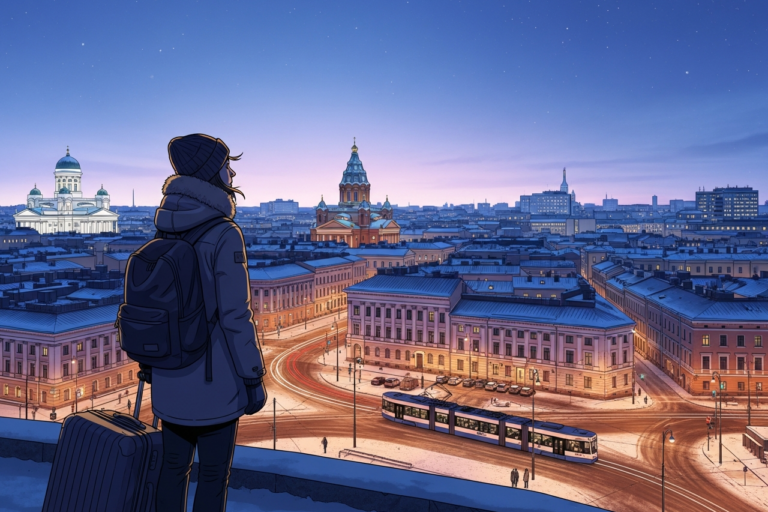
Key Highlights
Thinking about a move to Finland? This Nordic country is a place where you can enjoy both city life and the beauty of nature. Here are a few things you might want to know:
-
For Finnish people, it is a common practice to enjoy saunas and drink coffee a lot. These are important parts of Finnish culture.
-
If you move there, you need to get ready for a high standard of living. The cost of living can be high, so things like alcohol might cost more.
-
Finland is known for having one of the best education systems and universal healthcare in the world. The healthcare system there is good for all people.
-
In Helsinki and other cities, you can use public transport that works well. Getting around will be easy.
-
There are four strong seasons. You get to see something special every time of year in Finland – the midnight sun during summer and lots of snow in winter. You might also get to see the Northern Lights.
Finland is a place that offers a lot if you want a mix of nature, good city life, and high quality living.
Introduction
Are you leaving the long white cloud behind for the land of a thousand lakes? Moving from New Zealand to Finland is a big and exciting step into northern Europe. This guide will help you get to know what you need for life in Finland. You will find tips about the unique Finnish culture, how to get around each day, and how to cope with all the new things in a fresh place. We want to make sure you settle in well and that you enjoy all that this amazing country has to offer. Finland can be new and different, but with the right help, you will feel at home in no time.
Understanding Everyday Life in Finland
What’s it like to live in Finland every day? For people from other countries, life here is a mix of quiet, being organised, being connected to nature, and some different ways that people talk and act. Finnish people like their own space and often like things to stay calm. This can be quite different from how people usually do things in New Zealand.
Life in Finland is set up in a clear and organised way. People work but also find time to relax and go outside. This balance is important. The outdoors is a big part of life here. Knowing about finnish culture really helps you feel more at home. You might join workmates for sauna time after a day at work, or come to like the special weather in every season. Finnish people find ways to make every day good by enjoying these simple things.
Finnish customs and daily routines
One big part of Finnish culture that you will notice early on is the sauna. For Finnish people, the sauna is much more than a way to get clean. It is a tradition that goes back many years. It’s a time for socialising, relaxing, and sometimes even business talks. There are about two million saunas in the country, so it is a common practice to be invited to one. Be ready to enjoy this main part of Finnish life.
Drinking coffee is also something people do every day. Finnish people drink more coffee than anyone else in the world. Coffee breaks are a regular part of the workday. They are also a good way to chat with friends. When you live there, you will most likely drink more coffee than you are used to.
Besides saunas and coffee, daily life focuses on being on time and being practical. How people spend their time often depends on the seasons. In summer, the days are long and light, which means people spend time outside. Winter days are much darker, and this is when people like to stay inside and get comfy together. This change is just part of how you will start to live in Finland.
Social norms and etiquette for newcomers
When you first meet Finnish people, you may notice they act a bit quiet. This is not about being unfriendly; it is just how many of them are raised. People often like to keep their own space and like things to be calm. You will find that small talk does not happen much in Finland, especially when you compare it to New Zealand. It is all good if there is silence in a chat, as it does not mean anything is wrong.
Finnish people value being honest and straight up. They will say what they mean. This can feel refreshing after a bit. For many finns, being on time is a common practice and is key for meetings and hanging out. They see turning up on time as a sign you respect them.
Here are some things about social rules to know:
-
Greetings: A strong handshake and looking someone in the eye is what is done when you meet a person for the first time.
-
Personal Space: Finnish people like to keep their own space. Try not get too close when you have a talk.
-
Invitations: If a finn gets you to come over, it means a lot. The good thing to do is bring a small gift, for example, flowers or a bottle of wine.
Typical lifestyle differences for New Zealanders
Coming from New Zealand, you’ll notice some distinct differences in the Finnish lifestyle. The pace of life can feel slower and more deliberate, especially outside the main cities. There’s a strong emphasis on work-life balance, with evenings and weekends reserved for family, hobbies, and enjoying nature. This is a common trait in a Nordic country known for its high quality of life.
The connection to nature is something Kiwis and Finns share, but it’s expressed differently. In Finland, “Everyman’s right” (Jokamiehen Oikeus) allows you to freely roam, camp, and forage in the countryside, even on private land. This deep-rooted freedom to explore is a cherished part of the Finnish lifestyle.
Here’s a quick comparison of some lifestyle aspects between Finland and New Zealand:
|
Aspect |
Finland |
New Zealand |
|---|---|---|
|
Social Interaction |
More reserved, value personal space, direct communication |
Generally more outgoing, loves casual chats |
|
Work-Life Balance |
Highly valued, strict separation between work and leisure |
Important, but can be more fluid |
|
Connection to Nature |
“Everyman’s Right” to roam, strong seasonal influence |
Strong outdoor culture, focus on beaches and mountains |
|
Pace of Life |
Often calmer and more structured |
Can be fast-paced, “she’ll be right” attitude |
Essential Facts to Know Before Moving
Before you pack your bags for Finland, it is important to know the practical steps you need to take. There are some legal rules to follow, and you must work with the Finnish Immigration Service (Migri) to get the right residence permit. The Finnish government has set rules you need to follow, so it is best to start this process early.
If you understand these basics from the start, you will avoid a lot of worry later on. You need to handle things like your visa application and find out how the Finnish weather could change what you put in your suitcase. It is a good idea to be ready. Here are some of the things you should look at and sort out before you make the move.
Important legal requirements
If you are from New Zealand, you do not need a visa to visit Finland for a short time, up to 90 days. But, if you want to stay in Finland for longer than that, you will need to get a residence permit. This is the most important paper for you to have when living there. Be sure to apply for your first residence permit from the Finnish embassy or a consulate in your country before you leave for Finland.
When you apply, you will have to show a valid passport. You also need to give proof of why you are moving, such as a work contract or a letter from a university. You must also show that you have enough money to live on while you are in Finland. The kind of residence permit you need to get depends on what you are doing in Finland. You might need a temporary residence permit if you want to study, or a continuous residence permit if you have a long-term job.
When your application is approved, you can go to Finland. After you arrive, you need to sign up with the local authorities and pick up your residence permit card. Check the Finnish Immigration Service website to get the latest rules and time frames for your permit, as these may change.
Seasonal climate and weather changes
The Finnish climate can change a lot, and the weather is very different in each season. If you think winters in New Zealand are cold, Finland is even colder and looks like a real winter wonderland. In Helsinki, the first snow usually falls in December. But in northern Finland, and especially Lapland, snow can come as early as November and last until May. January is often the coldest month, and the temperatures can drop far below freezing.
Summer, on the other hand, is completely different. In June and July, the “Midnight Sun” can be seen. This means the sun barely sets north of the Arctic Circle. There are long days full of sunshine, which makes it a great time to see the lakes all over the country. Autumn in Finland is full of colour, but also brings shorter days as winter returns.
Key climate points to remember:
-
Winter: It can be very cold and snowy, mostly in the north. Days are very short during December and January.
-
Summer: These months are warm, with long days and lots of light, especially in June and July.
-
Capital Cold: Helsinki is one of the coldest capitals in the world and has an average temperature close to 0°C over the year.
-
Lapland: You can enjoy a ski season in Lapland from October until May, as it lasts over six months.
These are the main things to know about the Finnish climate, whether you are thinking
Public transport and getting around
Finland has a public transport system that is easy to use and runs on time. It is good, especially in urban areas. In the City of Helsinki and across the Greater Helsinki area—including Espoo and Vantaa—buses, trams, trains, and ferries are all managed by Helsinki Region Transport (HSL). You will see that you do not need a car here.
People often buy tickets through a mobile app or from ticket machines. With one ticket, you can hop between buses, trams, and other types of public transport in a set amount of time. If you travel a lot, monthly passes are there and these give you good value.
Public transport works best in the main cities. It can be harder to get around in rural areas because there may not be as many options. If you want to live outside the main parts of the city, you might need to have a car. But for most people who move to cities such as Helsinki, Tampere, or Turku, using public transport is the best way to get around and it saves you money.
Pros and Cons of Living in Finland
Every expat journey comes with good times and hard times. Moving to Finland is like that too. Finland is often named one of the happiest places in the world. People there have a high standard of living and the quality of life is good. Many people like the access to nature, safety, and also good public services.
But, there are things that can be hard. The cost of living is high. The Finnish language is also not easy to learn. Winters in Finland are cold and very dark. These things can make life tough when you are new. You have to look at both the good and the bad to see if Finland will be right for you. Now, let’s go over some of the good bits and what could be tough for an expat in Finland.
Advantages for expats from New Zealand
As an expat from New Zealand, you will see that many parts of life in Finland are great. The high standard of living is a big draw for most. Finland is known for safety and stability. You can walk in the city at night or during the day. It feels safe, and this helps people relax and feel good.
Another thing that stands out is the social support here. Finland and the finnish people give you solid support in times of need. The universal healthcare is top-notch, and there is a strong education system that is free at all stages. Families get help, too. For example, new parents get a “baby box” full of things they need or a cash grant to help out.
Here are some main benefits for expats:
-
Safety: Finland has really low crime and it is seen as one of the world’s safest countries.
-
Work-Life Balance: The finnish like their free time and the work style in Finland lets you enjoy life outside of work.
-
Clean Environment: Reports say that in Finland, you can breathe the world’s cleanest air.
-
Equality: Life here is built around everyone getting a fair go, which helps make the country very open to all.
If you get the chance to move to Finland, you will see why many expats see it as a good move. The strong healthcare, safe towns, good air, and fair rules make life there smooth and pleasant.
Common challenges faced by foreigners
One of the biggest problems for people from other countries is the Finnish language. Finnish is not close to the Latin or Germanic languages, so it can be very hard for people who speak English. Many people in Finland, especially in urban areas, speak very good English. But if you do not know Finnish, it can stop you from being part of the group and can make finding work hard, especially in rural areas.
Finns can also be quite reserved. It might take a long time and more work to make friends than what you are used to. People are not rude, but making friends comes slowly in Finland. Friendships need trust and do not just happen through small talk.
Here are some common things that make it harder to live in Finland:
-
The Language Barrier: The Finnish language is hard to learn, and you need a lot of time to get good at it.
-
The Climate: The winters are long, dark, and cold. This can be hard for some people, and it can lead to feeling low.
-
Cost of Living: Some things such as alcohol and going out to eat cost much more here than in New Zealand.
-
Making Friends: It can take a lot of time to get a group of friends because people are so private.
If you are thinking about living in Finland, it is good to be ready for these things.
Cultural highlights and potential drawbacks
Finnish culture has a lot that is special, and many new people see these things as the best part of living in Finland. The Finnish sauna is a big part of life there. People go to the sauna to relax and spend time together. It is a place that means a lot to the people, and you get to know what is important in their minds when you try it. The country is also known for big festivals like Midsummer (Juhannus). People also love design and spend a lot of time in nature. These things are a big part of being Finnish.
But there are some parts of finnish culture that might feel harder. People are often more quiet and hold back. This makes places calm and peaceful, but it can make you feel alone, too. Another common practice in Finland is to talk in a very direct way. If you come from a place where people talk in softer ways, this might seem rude to you.
At the end of the day, the things one person likes about finnish life might be the very things another person finds tough. If you want a lot of quiet and your own space, you may love it here. But if you like being around people a lot or making small talk, it could take more time to get used to. It is good to have an open mind and be ready to try new things like the sauna, and learn what makes finnish culture special.
Adapting to Finnish Culture
Settling into Finland is about more than just getting a home. You also need to learn how people live in their day-to-day life. Getting used to Finnish culture can take some time, but it is one of the best things you will do as an expat. If you keep an open mind and try new things, you will find your way.
Even learning a few words of the Finnish language can help a lot. It makes daily talk with locals easier and shows that you are trying. This also helps you connect better with Finnish people. Getting involved with the local group around you will make it feel more like home. Here are some tips that can help you get used to life in Finland.
Language and communication tips
You can use English while you are in Finland, and this is fine, mostly in the bigger cities. But it does help a lot if you learn some Finnish. People see it as being respectful, and it will help you both when you meet people or work in Finland. Finland also has Swedish as another official language. Not as many people speak the language, but it is nice to know it.
People in Finland often talk in a direct way. They listen to others a lot and only say what needs to be said. Silence is normal and you do not need to fill it with talking. When you do talk, try to say things in a clear and simple way. People are honest and open; this is just how they are. It is not rude.
Here are some simple communication tips:
-
Learn the basics: Say “Hei” (Hello) and “Kiitos” (Thank you). A few words in Finnish help a lot.
-
Embrace the silence: Do not worry if people get quiet. Finns are used to it.
-
Be direct but polite: Be honest and clear, but say things in a nice way.
-
Don’t rely solely on English: Practice your Finnish, even if they answer you in English. People will like that you are trying to use their language.
Integrating into local communities
Finding your place in a local community is very important if you want to feel at home in Finland. If you live in urban areas, there are a lot of ways for you to meet Finnish people and other expats. You can connect with them through clubs, hobbies, and events. Joining a sports team, a book club, or a language exchange group can be a good way to meet new people. Shared activities make this even easier.
If you are in rural areas, it might take a bit more work to get to know people. Still, the time you spend can be very rewarding. You can take part in village events or try some volunteering jobs. This can help you to connect with your new neighbours. At first, Finnish people may seem quiet. But, with time, they can be very warm and welcoming if you get to know them.
It takes time to build new friendships. Try to be patient and keep on working at it. You may not have a big friendship group right away. But the friendships you will get with Finnish people can feel strong and last for a long time. The best way to start is to show that you really want to know about their culture and how they live.
Navigating traditions and festivals
Finland is known for having many special traditions and festivals. These give you a great look at the culture. Joining in is a good way to meet people and enjoy something new. The biggest event of the year is Midsummer, called Juhannus. At this time, people in Finland go to the countryside. They light bonfires, use the sauna, and celebrate the longest day of the year.
Christmas is another big holiday and is focused on family. People often visit markets and eat special Christmas foods. If you are in Lapland, you might see reindeer. The reindeer are important for the local Sami people and are a fun part of Christmas stories.
Here are some traditions to keep an eye out for:
-
Vappu (May Day): This is a big street festival held on 1 May. It feels like a carnival and is very loved by students.
-
Independence Day (Itsenäisyyspäivä): On 6 December, people remember this day with pride. There are torchlight marches to mark it.
-
Sauna Culture: Sauna is not a festival, but it is a year-round part of life in Finland. It’s good to learn how to use the sauna and get to know the way people relax there.
-
Weird and Wonderful Events: Finland has fun, odd competitions like the Wife Carrying World Championship and the Air Guitar Championship. Don’t miss these for something different
Cost of Living in Finland for Newcomers
Finland has a high standard of living. You can see this in the cost of living there. People say prices are a lot like other EU countries, but they can feel high when you come from New Zealand. The two things you will spend the most on are accommodation and food. The money used in Finland is the Euro (€).
But there is some good news. Wages are also high in Finland and you get some great public services, like healthcare and education. These things help to balance out the high costs. It helps to know about the main things you’ll be spending your money on and how to manage your budget well as a new person in Finland.
You want to remember the cost of living and get tips for making your money go further. The high standard of living, good pay, public healthcare, and using the Euro are important things to know about before you go.
Housing and accommodation expenses
Your housing costs will be the biggest part of what you spend each month. The amount you pay changes a lot based on where you live. Rent in urban areas such as Helsinki, Espoo, and Tampere is much higher than what you will find in rural areas and smaller towns. If you want a one-bedroom apartment in the city centre, it can cost a lot.
When you rent a place, you usually have to pay a security deposit. This is often the same as two months’ rent. You also have to pay the first month’s rent before you move in. Utilities like power and water are not often included. You will have to add these costs on top of the rent.
If you are staying in finland and you meet the rules, you might get some help with your accommodation from Kela. Kela is the Social Insurance Institution of Finland. This can be good for people with low incomes, as it aims to make housing in finland more affordable when you need it.
Grocery, dining, and everyday costs
The price of groceries in Finland is much like what you find in other European countries. You can save some money if you shop at discount supermarkets. Store-brand goods are also cheaper. But it can be costly to eat out in Finland. A simple lunch may cost you more than you expect. If you want a three-course meal at a mid-level place, this will be even more expensive.
Alcohol is hard to buy cheap because of high taxes. A beer in a bar can be about 5 to 9 euro. So, going out to the pub could cost you more or you might go less often.
Here’s what the cost of some everyday things looks like:
-
Student Lunch: A lunch at a uni cafeteria with a discount costs about €3-€5.
-
Coffee at a Café: A coffee is usually €3-€5.
-
Movie Ticket: Going to see a movie can be between €12 and €19.
-
Gym Membership: Each month, a gym pass might set you back €20 to €60.
Budgeting strategies for New Zealanders
Making a budget before you move is very important. First, look up the average cost of living in the city where you want to go. Make a simple spreadsheet to write down your expected income and all your costs in Euro. It helps a lot if you open a local bank account as soon as you get there. This will make it easier to handle your money.
To save more, try to live the Finnish way. You can cook at home most of the time. The “Everyman’s right” lets you do lots of free outdoor activities too. Be sure to check out flea markets, or kirpputori, in Finland. People use them a lot to get cheap items, like clothes or furniture. You could find some good things for less money.
Here are some easy tips for your budget:
-
Eat like a student: If you are a student, you can get good cheap lunches.
-
Shop smart: Buy your groceries at discount shops and search for good deals.
-
Use public transport: Using public transport with a monthly pass costs less than owning a car.
-
Enjoy free nature: Go and use the forests and lakes to relax or have fun. This way, you don’t have to pay for other kinds of things.
If you follow these steps, you can manage your cost of living in Finland well and make your money go further. Having a local bank account, getting used to public transport, and checking what costs to look out for
Healthcare and Wellbeing in Finland
Finland has a great universal healthcare system. It is open to all people who live in the country. The healthcare is paid for by taxes. You will get good medical care for a low price. When you are registered as a resident, you can use this high standard of care.
The public healthcare system is strong, but some people still buy private health insurance. They do this to see a specialist quicker or to pay for things the public system does not cover. To stay healthy in Finland, it is good to know about both the public and private healthcare choices.
Accessing public and private healthcare services
Public healthcare in Finland is run by the local councils. It is the first place to go for most health needs. After you are registered in a municipality, you can use public healthcare. You will be linked with your local health centre, called terveysasema. At this place, you can see a doctor or nurse. There is a small fee for most visits.
Health centres give main care. If you need to see a specialist, they will send you to a hospital. Kela helps by paying back part of your medical bills. Kela also covers some of the cost of prescription medicines. This makes healthcare in Finland quite affordable for most people.
There is also a private healthcare option in Finland. Many jobs offer work health services that let you see a doctor fast. You can also go straight to private clinics or hospitals. These are faster, but they cost more. Private health insurance can help pay for private healthcare.
Health insurance requirements for expats
Your health insurance needs depend on where you live and why you are coming to Finland. If you move to Finland to work, your job will usually sign you up for work-based health care. When you have a home listed in a Finnish town or city, you get cover from the public system.
If you come as a student from a country outside the EU, you must get private health insurance. This is a rule when you ask for a residence permit. Your private health insurance should pay for doctor or hospital bills up to a set level. At first, students do not get public healthcare right away.
When you are registered as living in a Finnish municipality, you can get coverage from Kela. This lets you use public healthcare like Finnish people do. You should always check what you must do with the Finnish Immigration Service when you apply for your residence permit.
Wellness and mental health support options
Finland puts a lot of effort into making sure people have a high standard of living, and this includes looking after wellness and mental health. The healthcare system in Finland knows how important mental wellbeing is and gives people different ways to get help. If you need someone to talk to about how you feel, your local health centre is a good place to start.
Doctors at these centres can help you in the beginning and, if needed, send you to see a psychologist, psychiatrist, or therapist for more care. Also, universities have special mental health services for the students. Finland’s winters can get very long and dark, and this is tough for some people. So it is normal and understood to ask for support if you struggle with seasonal affective disorder (SAD).
Here are some places where you can get support:
-
Public Health Centres: These are your main spots for mental health help.
-
Occupational Healthcare: Many workplaces in Finland give mental health support for their staff.
-
Student Healthcare: Universities offer help with counselling and psychological support for their students.
-
Non-profit Organisations: Some groups give low-cost or free counselling and support, including for expats.
Finland’s healthcare system aims to help people stay well, because keeping a high standard of living is important here.
Education and Student Life in Finland
Finland is often seen as having one of the best education systems in the world. This country gives everyone a fair go when it comes to higher education, and many people see this as a big plus. If you are an international student, you get to study in a place that is famous for new ideas and top-quality teaching.
When you move to Finland to study, you will find the academic life supportive and welcoming. There is more to student life than just sitting in the classroom. The student community is lively, you get lots of benefits, and there is a special way of life to explore. Here’s what you can expect from student life in Finland.
School and university enrolment process
The process to sign up for higher education in Finland is clear and easy. Most people apply through an online portal called Studyinfo.fi. On this website, you will find details about all degree programmes from Finnish universities and universities of applied sciences. You need to send your academic papers and other needed files through this portal.
Every university in Finland has its own rules and timelines for who they will accept. So, it is good to check the programmes that you want to join before you apply. You might need to take entrance exams or go for a talk. When you get an offer, you have to say yes and confirm your spot by the date given by the university.
After you say yes to your study place, you can start to apply for a student residence permit if you do not come from an EU country. If you move your kids with you, signing them up to a local school is done by your place of living, called a municipality. The process is simple so that children in Finland can get an education without trouble.
Student benefits and support systems
Being a student in Finland has many good things that come with it. When you sign up at a school and get your student card, you can use many deals and discounts. These help you save money. The system is there to let people study and have a good time in Finland without spending too much.
One of the main benefits is getting cheap meals at student cafeterias. You can get a hot and healthy lunch or dinner for a very low price. You also pay less for public transport, and there are deals in many museums, theatres, and gyms.
Key student benefits include:
-
Affordable Meals: You can get low-priced lunches and dinners at university restaurants.
-
Transport Discounts: You pay less for tickets on local public transport and travel that goes outside the city too.
-
Housing: Many groups in Finland offer low-priced housing just for students.
-
Healthcare: You can go to Finnish Student Health Service (FSHS) for care. If you are not from the EU, you may first need private insurance.
This back-up for students helps you enjoy your year in Finland. You get help with public transport and food, as well as healthcare and housing, which makes your student life both easy and fun.
Expectations for international students
International students who go to Finland can look forward to top-quality studies. The learning setup helps students think for themselves, and there is not a strict ladder between teachers and students. You can talk with your professors easily, and most of the time, you call them by their first names. Classes in Finland are more about finding answers and thinking carefully, instead of just repeating facts.
Life for students is busy and full of groups and friends. Student unions and organisations (osakunta) are important, and they plan a lot of parties, meetups, and things to do all year round. This is a good way to meet people from Finland and other countries and to become part of the local world in Finland.
What to expect as an international student:
-
Academic Independence: You need to look after your own time and learning while you study.
-
Vibrant Social Scene: Student groups hold a lot of events, sports games, and parties for all to enjoy.
-
Focus on Equality: Everyone gets the same chance and feels welcome in this learning place.
-
Integration Opportunities: Many universities have Finnish language lessons to help you get used to life in Finland.
Finding Housing as a Newcomer
Looking for a place to live is one of the first big things you will need to do after you move to Finland. You might find that renting can be hard in some urban areas, like Helsinki. But if you get ready early, you can find good accommodation. The way to get and keep a place to rent is clear. It follows rules that are fair for all.
If you want somewhere to stay while you settle in, or you need a long-term home for your family, there are different choices to pick from. Let’s talk about what the rental market looks like in Finland, and how to find your own place in urban areas like Helsinki.
Short-term and long-term rental options
When you get to Finland, it is a good idea to start with short-term accommodation. This gives you time to look for a home where you will stay longer. You can book furnished apartments, aparthotels, or hotels for longer stays online before you arrive. This will give you a place to stay for the first few weeks.
People in Finland usually find a long-term place in the private rental market. You can look for places to rent on well-known Finnish real estate websites. There are many choices, like apartments (kerrostalo), terraced houses (rivitalo), or single-family houses (omakotitalo). The price will be different depending on where it is, the size, and how new it is.
Here’s a breakdown of the rental options in Finland:
-
Furnished short-term lets: These are perfect for your first month while you are looking for a home that will suit long-term needs.
-
Private market rentals: Most people get long-term places to live this way, using online portals to find something that fits.
-
Student housing: If you are a student, you should apply for low-cost housing from your local student housing foundation.
-
Municipal housing: Some Finnish cities offer cheaper rental apartments, but there are often long waits to get one.
How to secure accommodation in Finland
To get accommodation in the City of Helsinki and other places in Finland, you need to be ready and act fast. The rental market can move quickly. Landlords want to know they can trust you, so you should have all your paperwork sorted. Make sure you have a copy of your passport, your residence permit card, and something that shows you have a job or are studying.
If you find a place you like, you will need to fill out a rental application. Many people might try to get the same place, so it is good to write a short, friendly letter about yourself. This helps you get noticed. The landlord might also check your credit.
If your application goes through, you will need to sign a rental agreement. This is an important paper that is set by law, so you should know what is in it before you sign. You also have to pay a security deposit. This is often about two months’ rent. You get this money back when you move out, if everything is in good shape.
Having your passport and residence permit ready will help you find a new home in Helsinki.
Tips for avoiding common housing pitfalls
Finding a place to live in a new country can be hard. You should not sign a contract or pay money for accommodation before you see it in person, or get someone you trust to check it for you. There are scams that target people from other countries.
You should always get a written tenancy agreement. Verbal agreements are not a good idea, because they do not protect you. Take time to read your contract well. Make sure you understand every part, like the rules about notice periods, how and when rent may go up, and what things you need to do as a tenant.
Here are some tips to keep you safe in the rental market:
-
Visit the property: Always see the place before you agree to rent it.
-
Get a written contract: Make sure every rule is in the tenancy agreement.
-
Understand the deposit: Make clear what has to happen for you to get your security deposit back.
-
Document everything: Take photos of how the apartment looks when you move in so you do not get blamed for any damage that was already there.
This can help you have a good experience with your accommodation in your new place.
Beginner’s Guide to Moving from New Zealand to Finland
Moving from New Zealand to Finland can be a big step. But if you split it into smaller tasks, the whole thing gets much easier. This guide will show you a clear plan for your move to Finland. It goes from early planning to getting used to your new Finnish life.
It’s important to be organised. There’s a lot to sort out, like paperwork, money, packing, and looking for somewhere to live. If you follow each step in order, you can make sure you don’t forget anything on your way to your new home in Finland.
What you need to get started (documents, finances, essentials)
Before you do anything else, you should get all your important documents sorted out. This will be the base for your move. Check that your passport is still valid for at least a year past when you plan to get to Finland. You also have to collect all the paperwork you need for your residence permit. This can be things like your birth certificate, your work contract, or the letter from your university.
On the money side, it’s a good idea to start saving now. Moving can cost a lot, and you’ll want to have enough to pay for your move and to live on for the first few months. Find out how to set up a bank account in Finland. Learn which documents you have to give for that.
Here is a checklist to help you get started:
-
Valid Passport: Look at the expiry date. Get a new one if your old one is running out soon.
-
Residence Permit Documents: Collect everything you will need for your type of permit. You don’t need a visa to go in, but you do need a permit to stay.
-
Sufficient Funds: Save up enough to pay for your moving costs and your first few months.
-
Certified Copies: Make sure you get certified copies of your important papers like your degree and your birth certificate.
Step-by-step guide/process for relocating
Moving to another country can be tough, but if you make a plan, it gets much easier. The most important thing is to get your residence permit sorted first. You need to apply for the residence permit while you are not in Finland. Most people do this at the Finnish embassy close to them. It’s good to start early, because it can take a long time to get your permit. Sometimes it may even take months.
After you start your application, you can get going with the rest of your moving plans. You will need to think about what you want to ship over, when you will fly, and where you will stay when you get to Finland. You may want to book some Finnish accommodation just for a short time until you get settled.
Here is an easy-to-follow checklist for your move:
-
6-12 Months Before: Do some research, save your money, and submit your residence permit application.
-
3-6 Months Before: Buy your flights, begin clearing out what you do not need, and ask moving companies for prices.
-
1-3 Months Before: Organise some temporary accommodation in Finland and let your banks and other places in New Zealand know you are moving.
-
1 Month Before: Pack your things, double check your travel plans, and put all your important documents together.
Step 1: Preparing your paperwork
The paperwork is the most important part when you get ready to move. Everything depends on your residence permit being approved. You will need to go to the Finnish Immigration Service (Migri) website. This is where you find out exactly which papers you need for your permit.
You should collect all the items you need. This includes your passport, photos that follow the right rules, and your work contract or proof that you are studying. If you need to show you have money, bring those details too. Make copies of every important paper. It is good to have both digital copies and printed ones.
When you have all these papers, you can send your application online. After that, you must book a time to go to the Finnish embassy or an application centre near you. Here, you will show who you are and give your biometrics. Before you send your request, check everything one more time. If there is even a small mistake, it can slow things down by a lot. During this step, you need to be careful and patient.
Step 2: Arranging your finances and banking
Sorting out your money is an important step when you plan to move. Before leaving New Zealand, you should let your bank know you are moving overseas. You will have to work out how to move your money to Finland. Make sure to check out different international money transfer services, so you can look at how much they charge and what exchange rates they use.
When you get to Finland, opening a Finnish bank account will help a lot. You need a bank account for things like getting paid, sorting bills, and daily shopping. To open one, you usually need your passport, your Finnish personal identity code you get after signing up, and sometimes you will need to show where you are living.
Check out a few banks and see which one feels right for you. Some banks even let you start your sign-up online before you get there. Having your own bank account and a debit card is very important in Finland. It is a very digital country, and most people pay for things by card.
Step 3: Finding suitable accommodation
Finding a place to stay should be one of the first things you do. The rental market in urban areas moves fast, so you need to be ready. It’s smart to start looking online before you even get there. This helps you know the prices and what type of accommodation is open in different parts of the city.
You will find long-term rentals on big websites like Oikotie.fi and Vuokraovi.com. If you are a student, you should apply for student housing as soon as you get accepted. This is the cheapest way to stay, but be aware there can often be wait times.
For the first few weeks, book a place to stay that is short-term. This will give you somewhere to rest while you check out homes in person. It is important to see them for yourself so you can stay safe from scams and see if the place is any good for you. Don’t be in a hurry with this part. The right home will help you feel happy and settled in.
Step 4: Registering with local authorities
When you get to Finland with your residence permit, you need to sign up with the local authorities first. Go to the Digital and Population Data Services Agency (DVV). Here, you will sign up your right to stay and your personal data.
This step is really important, because this is how you get your Finnish personal identity code (henkilötunnus). You need this code for a lot of things in Finland. You will use it to open a bank account, sign up for a job, and use health care. If you do not have your residence permit card yet, you will need to get it from the collection point.
Once you finish at the DVV, you should also sign up for your local town or city. This makes you an official resident there, and you can use the town’s services, like health care and school for your kids.
Step 5: Settling into daily life
Once you have done the official paperwork, you can start to enjoy everyday life. This is a good time to find your place and begin building your new life. You can start by looking around your new area, finding the supermarket, and working out how to use public transport.
It takes some time to get used to things. Learning a bit of the Finnish language will help you get by every day. It also helps to show people you want to be part of Finnish culture. It’s a good idea to join a local club or a group linked to your interests. This way you get to meet new people and grow your social connections.
Do not worry to try new things here. You can try a Finnish sauna, go and pick berries in the forest, or join in local festivals. When you take part in Finnish life, it helps you feel at home faster. Be kind to yourself because moving to a new culture always takes time.
Accessing Reliable Information and Support
When you move to a new country, it’s important to have good information and help. You can find a lot of advice on the internet, but you need to know which sources are safe to trust. For things like visas and living permits, you should always use official sites like the Finnish Immigration Service.
If you are an expat, you will also want to meet people and get tips for everyday life. The good news is there are many resources that can help you start your new life in Finland. This is a guide to the most trusted information and support networks for expats in Finland.
Trusted online resources for expats
For legal or official questions, the best place to go is websites that the Finnish government runs. These sites have the most correct and up-to-date details. You can find information on things like immigration and social security. They will help you get started with your search for facts.
If you want hands-on advice for daily life, there are also other sites and blogs. Many are made by people who are living as expats. These can help you understand the Finnish culture. They have tips on finding a place to stay and give reviews of local services. You get a good look at what life is like in Finland.
Here are some trusted online resources:
-
InfoFinland.fi: This is a big site in many languages. It gives you good information on how to move to and live in Finland.
-
Finnish Immigration Service (Migri.fi): You can find all the facts you need for residence permits and how to move here. It’s the main place for any steps set by the Finnish government.
-
This is Finland (finland.fi): The Ministry for Foreign Affairs runs this site. It has stories on Finnish society, its people, and business in Finland.
-
Studyinfinland.fi: This is the go-to site for people who want to study in Finland.
Local support networks and communities
While there are many good online resources, nothing beats meeting people face-to-face. Building a local support network is important to help you feel at home. Most Finnish cities have active expat groups, and they always welcome new people. These groups set up social events, meetups, and different activities.
You can find these groups on social media sites like Facebook. There, you will see different expat groups for each city or people who share the same interests. These groups are a good way to ask for help, swap stories, and meet new mates.
You should also try to connect with Finnish people. Joining a club, playing in a sports team, or volunteering is a great way to meet locals and feel more part of the community. Doing this will add to your experience and help you get to know more about Finnish culture.
Where to ask questions and get help
When you have questions, it is good to know where you can go for help. For any official matters, you should always talk to the right authority. If your question is about your residence permit, the Finnish Immigration Service will give you the right answer.
If you just want general advice about living in Finland, the InfoFinland website is a good place to start. Many cities have welcome centres and integration services for people who are new in Finland. At these places, you can ask for small things, like how to find a language course or look for a job.
Here’s where you can go to get help:
-
Official Authorities: Talk to the Finnish Immigration Service (Migri), the Digital and Population Data Services Agency (DVV), or Kela if you want to know about permits, registration, or social security.
-
Municipal Services: You can go on your city’s website to find information on services for immigrants.
-
Online Forums: Expat groups on Facebook and other forums can give you ideas and advice from other people who are living here.
-
Embassies: Your own country’s embassy is there to help you in some cases.
Conclusion
To sum up, moving to Finland can be a big step and a real adventure for people from New Zealand. There will be many new things to see and do. It’s good to know the local customs and learn the important things about everyday life in this nordic country. If you understand both the good and bad sides of living there, you can settle in much faster. Learning about finnish culture, working through housing and healthcare setups, and finding solid support from people around you are important steps. If you take in all these things, you will soon feel comfortable. Plus, you will get a lot out of what Finnish life has to offer. If you are ready to move, get in touch for a free chat and we can help your move to Finland go well.
Frequently Asked Questions
What is everyday life like for New Zealanders living in Finland?
For people from New Zealand, daily life in Finland is about calm days and being outside. You go with the flow, enjoy each season, and pick up Finnish habits like having a sauna often. Finnish people are quiet at first but friendly, and this Nordic country cares about your safety and making sure there is time for both work and life.
How easy is it to adapt to Finnish culture and language?
Getting used to Finnish culture takes some time. People in Finland like to have their own space, and they are very straightforward with what they say. The Finnish language is pretty hard to learn. But it helps that lots of people speak English, so getting started is not too bad. Still, to really fit into Finnish culture, you need to learn the language and go along with the way people live there. This is something that happens slowly as you spend more time in Finland.
What are the main challenges expats face after moving?
Expats in Finland can find it hard to get used to the local language. Many of them also struggle with the local culture and the way people in Finland do things. It can take time to look for a place to live. Getting around the healthcare system in Finland can also be tough. The weather is cold and can be very different, especially for people who come from hot countries.
How does the healthcare system work for newcomers?
The Finnish healthcare system makes sure newcomers get good care. You can use both public and private health services in Finland. If you are new in the country, you should go to your local health centre and sign up. Getting a Kela card will help you pay less for important medical care and make it easier to see a doctor or nurse when you need it. This way, everyone can get the help they need through the Finnish healthcare system.