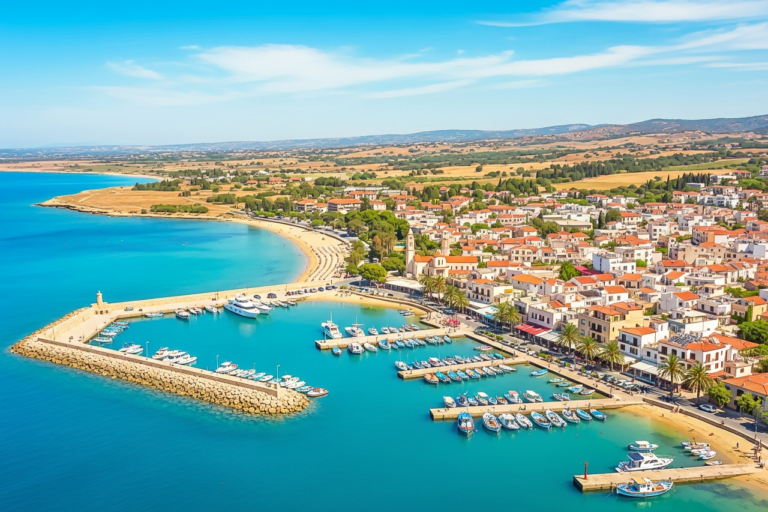
Key Highlights
Thinking about leaving New Zealand for some Mediterranean charm? Cyprus might be a good place for you. You can enjoy a high quality of life in Cyprus, and the cost of living here is much lower than in New Zealand. Here’s what you can get excited about:
-
You get more than 300 days of sunshine every year. Life here is all about being outside, and it moves at a calm pace.
-
The cost of living is lower. This is true for places to live and your day-to-day costs.
-
There is a good healthcare system, with both public and private choices you can use.
-
Because Cyprus is in the EU, it is easy to visit other EU countries.
-
There is a big expat community here who help new people feel at home.
-
If you want to work online, there are visa options like the digital nomad visa.
With its sunny climate, helpful expat groups, and low cost of living, Cyprus could be the right place for a new start.
Introduction
Are you looking for a life where you can enjoy the sun, taste good food, and be close to old history? Moving to a new country is a big decision, but Cyprus could be the right place, especially for people from New Zealand. This island, sitting in the blue Mediterranean, gives you a better quality of life, has a friendly expat community, and the cost of living can be lower than you think. If you plan on leaving New Zealand and want to move to the island of love, this guide will help you get started and tell you what you need to know about this exciting change.
Why New Zealanders Are Choosing Cyprus
Many Kiwis like the good quality of life that you find in Cyprus. The country has a lot of sun, nice beaches, and a calm way of life that puts family first. These things make it a great place to live. Cyprus is good for anyone who wants to have a better balance between work and their own time, from families right through to people who want to stop working.
Cyprus is also very popular now with the modern worker or digital nomad. You can get a digital nomad visa and join a strong expat community there. This makes it simple to work online and still have the good things of life by the sea. Cyprus is in the EU, so people get to travel and look for new work or other chances in other eu countries. In the next sections, you will find out more about the way of life, what you can do there, and the travel benefits that make Cyprus a top choice.
A Mediterranean Lifestyle Compared to New Zealand
Swapping one island nation for another can bring many good changes. While there is something special about New Zealand, Cyprus has its own Mediterranean style. People here live by a “sigá-sigá” (slowly, slowly) attitude. This means that in Cyprus, people often put time with family and friends first. You don’t find the same fast life and rush in major cities like you might be used to back home.
This slow way of living is at the heart of the high quality of life in Cyprus. For people moving here, days often mean having long meals, relaxing afternoons at the beach, and time spent talking with friends at cafes. Cyprus is different from places in the West where life moves fast. Here, you get the chance to slow down, enjoy simple joys, and make the most of every moment.
You will notice this relaxed feel both in major cities like Limassol and in quiet rural areas. Shops often close early so people can be with their families, and there are regular community events. These simple things make life in Cyprus easy for people to feel welcome and a part of something. It helps them enjoy all the small but important parts of everyday life and shows why the quality of life on this island nation is loved by so many.
Key Attractions for Expats: Climate, Beaches, and Nature
One thing that brings many expats to Cyprus is the amazing weather. The island gets long and warm summers from May to October. Winters are mild, too, so you get to be outdoors most of the year. This great climate helps people enjoy a high quality of life on the island.
You also can’t talk about Cyprus without talking about the beaches. The island has 650 kilometres of coastline, so there are many best places to visit. These are some of the top spots if you want to swim or just relax on the sand:
-
Coral Bay: This is a lovely golden sand beach, and the clear, calm water is perfect for swimming.
-
Pissouri Bay: It is quieter and great for families or watersports.
-
Nissi Beach: This one is famous for turquoise water and its fun, lively feel.
There’s a lot more to Cyprus than beaches. The Troodos Mountains, which people call the ‘green heart of Cyprus’, are full of good hiking tracks and nice villages. You can also check out the Akamas Peninsula. This place is protected, packed with amazing views and old stories, and is the best way to get away from the capital city and other busy areas.
EU Membership and Travel Benefits
One big plus of living in Cyprus is being part of the European Union. When you get a residence permit, you have easy access to travel in all 27 EU countries. So, you can even think about quick trips to Greece, Italy, or France for the weekend. This means you get the chance to check out new cultures and try different things in other european countries without going far.
For New Zealanders who want to settle down in Cyprus, there are a few ways to get a residence permit. You can go for standard work permits or try one of the investment schemes, like the Cyprus Golden Visa scheme, which has been used in the past. With a residence permit, you have the right to live and work. It also makes travel around the Schengen Area and other eu countries much easier, even if Cyprus is not yet a full member.
For people from New Zealand, this kind of freedom is a big plus, especially if you are used to long plane trips. The simple travel rules mean you can see more european countries without worrying about getting lots of visas. That’s why lots of Kiwis pick Cyprus as their new place to live. It really is a good way to see more of Europe.
Essential Steps Before Relocating
Before you can start enjoying the Mediterranean sun, there are a few things you need to do first. Planning ahead will help your move go well and make it less stressful for you. You should think about your legal status, where you want to live, and the paperwork you will need for your new home.
Some important jobs are getting the right visa or residence permit from the Migration Department. You also need to look into places to stay and find out about social insurance. If you get these things sorted early, it can help you not worry as much. The next parts will show you what you need to know about visas, finding a new home, and what paperwork to do.
Visa and Residency Pathways for New Zealanders
If you are a New Zealander, you will need a visa if you want to live and work in Cyprus for more than 90 days. The type of residence permit you look for will depend on why you want to move. It could be for work, study, or maybe retirement. It is a good idea to start this early, well before you plan to go, because it can take some time.
Cyprus has some great ways for people to stay for a long time. These paths are made for people like skilled workers, investors, and those with jobs where they can work from anywhere—like the digital nomad lifestyle. Cyprus has become quite open for Kiwis who want to live or work there. Here are some of the most common options for visas and residence permits:
-
Work Permit: A Cypriot employer will usually support you with this.
-
Digital Nomad Visa: This suits New Zealanders who work for a company outside of Cyprus but want to live there.
-
Permanent Residency: You can get this if you live there legally for a long time or invest in the country.
-
Student Visa: This is for people who want to study at a school or university in Cyprus.
All of these pathways have their own rules. You need to check the most up-to-date details on the Cypriot government’s official website. Getting permanent residency takes longer, but it’s a good idea to think about if you want to stay
Finding Accommodation in Cyprus
Finding the right place to live can be one of the best parts of moving. In Cyprus, there are many choices for all sorts of people. You can pick from new apartments in busy urban areas like Limassol and Nicosia, or choose a nice villa out in the quiet rural areas. The best places for you will depend on your lifestyle, how much you want to spend, and where you need to work.
A lot of people from other countries start out by renting a home as they get used to the island. This can be a good way to try out different neighbourhoods before you buy. Most rental prices are lower than what you would pay in New Zealand, as long as you stay out of the main tourist spots. You can look up homes on the internet or get help from a local real estate agent to find a place that is right for you.
If you want to settle for good, the buying process for property buyers in Cyprus is not hard. The process is simple for people from another country. Still, it’s smart to have an independent lawyer with you to help with the law side of things. Whether you want to rent or buy, you’ll find some of the best places and many wonderful homes to pick from all around the island.
Important Paperwork and Registration
When you get to Cyprus, you need to fill out some important paperwork if you want to be an official resident. This can look hard at first. But if you do it step by step, it’s easy to manage. You need to do these registrations so you can use the public healthcare system and work in Cyprus.
Once you have your first entry visa, you should go straight to the Migration Department for registration. If you are from the EU, you will need to get a Registration Certificate too, known as the “Yellow Slip.” This does not apply to Kiwis, but people from outside the EU have another process at the Civil Registry and Migration Department.
It is very important to get these documents done quickly. The main registrations to look at are:
-
Residence Permit: Sign up with the Migration Department so you can stay in the country.
-
Tax Identification Number: You need this to work, open a bank account, or do any banking stuff.
-
Social Security Contributions: You must register with the Social Insurance office if you plan to work.
-
Healthcare Registration: This lets you use the public healthcare and healthcare system.
Cost of Living for New Zealand Expats
One thing that Kiwis often find when moving to Cyprus is how much cheaper the cost of living can be. The cost here is much lower than in New Zealand and many other European countries. You can get more for your money, even if you live in one of the major cities. This makes Cyprus a good place for a single person and for families too.
If you are a digital nomad wanting to make the most of your money, or if you are retired and living on a set amount, you will notice lower prices for housing, getting around, and food. This lets you enjoy a good quality of life with the money you have. You do not have to spend a lot to enjoy high quality of life here.
Let’s look at how these costs compare to New Zealand and other nations, and what you might pay for every day needs.
Comparing Cyprus with New Zealand and Other European Countries
When you compare the cost of living in Cyprus to New Zealand, the difference is significant. Everything from rent and dining out to groceries and transport is generally cheaper. This affordability extends when compared to many other popular European countries, such as the United Kingdom.
While salaries may be lower on average than in some parts of Europe, the reduced daily expenses often balance this out, allowing for a comfortable lifestyle. This makes Cyprus particularly appealing for those looking to stretch their savings or enjoy a better quality of life on a modest budget.
To give you a clearer idea, here’s a rough comparison of monthly living costs in major cities. Keep in mind these are estimates and can vary based on your lifestyle, but they highlight the general affordability of Cyprus compared to other EU countries and beyond.
|
Item |
Nicosia, Cyprus |
Limassol, Cyprus |
London, UK |
|---|---|---|---|
|
1-bedroom flat in city centre (monthly rent) |
£466.79 |
£733.16 |
£1,729.49 |
|
Meal for 2 (mid-range restaurant) |
£40.80 |
£54.40 |
£60.00 |
|
Monthly transport pass |
£36.27 |
£36.27 |
£150.00 |
Housing, Utilities, and Internet Expenses
Your biggest cost each month will be housing. But living in Cyprus is much cheaper than in New Zealand. If you rent a one-bedroom place in the centre of a city, you will pay less than half of what you spend in Auckland or Wellington. This is one reason why a large expat community likes to live in Cyprus.
You also have to set money aside for things like electricity, water, and gas. These are not too expensive. Still, if you use air conditioning in summer or heating in winter, your electricity bill will go up. It’s a good thing to think about when picking a place to live.
Internet is easy to get and works well, especially in urban areas. You can buy fast broadband at good prices. This is great for people who work from home. Altogether, paying for a place to live, with the bills for power and the internet, makes life in Cyprus very budget friendly for the expat community.
Everyday Spending: Groceries, Transport, and Leisure
The cost of living in Cyprus is low, and this shows in your day-to-day spending. Most people will find their weekly spend on groceries a lot less than in New Zealand, mostly if you buy at local markets. You can get fresh fruit, veggies, and their world-famous halloumi here for a good price. Eating out is cheap too. You can have a meal in a small restaurant for about €15-€20.
Public transport is up and running in the urban areas. Bus services link the big towns together, but buses don’t always run very often. There are no trains in Cyprus. Because of this, many people buy a car so it’s easier to get around. Keep in mind, this will mean an extra cost.
Most people will see that leisure costs are fair, so you can enjoy your new home even more. Here are some common costs for going out and having fun:
-
Pint of domestic beer: Around €3-€4.
-
Cinema ticket: About €9.
-
Gym membership: Roughly €40-€60 per month.
-
Coffee: A cappuccino will cost you about €3.
This is what to expect for cost of living if you move, and what life might look like in Cyprus with public transport in urban areas like these.
Healthcare and Medical Services
Access to good healthcare is very important when you move to a new country. Cyprus does well in this area. The island’s healthcare system is strong, and you can choose from public and private options if you live there. If you are from New Zealand, you will need to get health insurance to use these services.
The public healthcare system gets money from social insurance payments people make. On the other hand, the private sector is lively and gives you more choices if you want to pay extra. You need private health insurance when you apply for a residence permit. We will look at how the healthcare system works, the differences between public healthcare and private cover, and what you need as a New Zealander moving to Cyprus.
Cyprus Healthcare System Explained
The public healthcare system in Cyprus is called GeSY (Geniko Systima Ygeias). This public healthcare system started in 2019 to give everyone coverage. The Ministry of Health manages it. The money for it comes from taxes and from social insurance that employees, employers, and people who work for themselves pay. The quality of care is good in this system, and the country ranks high compared to many other places.
You need to be a legal resident and pay social security contributions if you want to use the public system. After you join GeSY and pick your own doctor, you can use many services like visits to your GP, seeing a specialist, and getting care at a hospital. The price for these is a small co-payment.
For people from outside the EU, like New Zealanders, using the public healthcare system depends on if you live in Cyprus legally and work here. If you have a job and you are paying social insurance, you can sign up. This public system is modern and works well, so all legal residents can get the healthcare they need.
Private vs Public Healthcare Options for Expats
The public healthcare system in Cyprus is very good, but many people from other countries also use private healthcare. The private healthcare sector is known for having the latest facilities, staff who speak English, and no waiting times for appointments or treatments. This kind of convenience matters a lot for people choosing private care.
When you have both options, you get flexibility and this can improve your quality of life. You may go to the public healthcare system for your usual check-ups, but choose private healthcare for special treatments or surgery. If you need to see a doctor at a private hospital, it is usually fast and smooth.
In the end, you will pick between public healthcare and private healthcare based on your own needs and what you want to spend. Many people use both, paying with their private insurance in the private hospital, but still able to get care through the public system. This way, you get the most out of your healthcare system and can have peace of mind.
Medical Insurance Needs for New Zealanders
If you are from New Zealand and planning to move to Cyprus, you must have private health insurance. This is not a choice; it is needed. You have to show proof of private insurance when you apply for your first visa or your residence permit. This is to make sure you have health cover as soon as you get there.
When you start working and pay social security contributions, you will then be able to get public health insurance through the GeSY system. Even after getting public cover, many people keep their private insurance too. This lets you pick your doctor, hospital, or clinic. It can also help pay any extra costs.
When picking a health insurance policy, it is good to look for international health insurance plans made for people living away from home. These plans give you wide cover, like emergency help, hospital care, and visits to health experts. Take your time to check every part of the private insurance, so you know it fits what the government asks for and what you need for your health.
Life as a Foreigner: Daily Experiences
Moving to a new country is more than just handling paperwork. It is about getting used to a new way of living. In Cyprus, day-to-day life for a foreigner is full of the warm welcome of the people, an active social life, and a rich culture. This culture is a mix of European and Middle Eastern ways.
There will be changes to get used to, but a large expat community and many people speaking English will help make things easier. You will get to meet people and start to build a good life. Below, we will talk about the cultural differences, the local language, and the traditions you will find as part of your time in Cyprus.
Cultural Differences to Expect
As with any move to another country, you will see some cultural differences. Cypriot culture is warm, close to family, and full of old traditions. One of the first things you will notice is that life moves slower. People care a lot about talking and building strong relationships. At work, meetings can start with a chat. People do not always stick to a strict time, so meetings might not start right on time like they do in New Zealand.
The island also has a long and mixed history. There is a split between the Greek Cypriot south and the Turkish Cypriot north. This shapes the way people live and who they are. If you are new, it is good to be careful and show respect about this topic.
Here are some things you should know about local ways and manners:
-
Family is central: Family is very important, and people value their elders a lot.
-
Hospitality is key: It is likely you will be asked to join someone for coffee or a meal. It is polite to say yes.
-
Superstitions are common: You may see people who believe in things like the ‘evil eye’. They take it seriously.
-
A slower pace: Try to enjoy the “sigá-sigá” (slowly, slowly) way of life.
Language and Communication in Cyprus
Worried there might be a language barrier? You don’t need to be. The official languages in Cyprus are Greek and Turkish. But about 73% of the people can speak English well. This is because of the country’s history with the UK and a busy tourism industry. English is used a lot in business, shops, and places to eat, especially in big towns and near the main tourist spots.
Because of this, it is easy for Kiwis to talk with others every day. You can use English when you go shopping, use the bank, or get food at a café. All road signs show both Greek and English. That makes it much easier when you are getting around the island.
Still, learning a few words from the local language is a good idea. Using simple phrases like “kalimera” for good morning or “efharisto” for thank you in Greek often makes people happy. It helps you get closer to your new community and shows you value their culture. It can help you make stronger friendships too.
Navigating Local Traditions, Food, and Festivals
One of the best things about living in Cyprus is the chance to be part of its rich mix of old ways, food, and local festivals. Cypriot food brings together tastes from Greek, Turkish, and Middle Eastern cooking. You will get to enjoy meze plates, grilled halloumi, souvlaki, and a lot of fresh seafood.
Your social life in Cyprus will give you many chances to go out and take part in big events. The local calendar has many bright and fun festivals. These times shine a light on things like wine, flowers, saints, and history. Going to these events is a good way to see the real local life and make your quality of life better.
The people of Cyprus love to party and welcome everyone. If you join in, you will get to fit in and have a good time. Some events you must see are:
-
Limassol Wine Festival: This happens each year to honour how the island has made wine for so long.
-
Kataklysmos (Festival of the Flood): This special water festival is held in every city by the sea.
-
Easter: The top religious day in Cyprus, with services at midnight and big family meals.
-
Carnival: Two weeks of fun, parties, and parades before the season of Lent starts.
Community Connections for New Zealanders
Moving to a new country like Cyprus can at first feel a bit lonely, but you will soon see there’s a big and friendly expat community waiting to welcome you. Almost a quarter of the people living in Cyprus are foreign nationals, so there are good support networks in place to help with your new life.
You will find everything from easy-going social clubs, to groups that meet for hobbies, and others that are about work or professional services. These communities give the help, support, and advice you may need. They help you make friends and let you feel at home. Let’s look at what you can do to get into these networks and start growing your social circle in this new country.
Expat Groups, Social Clubs, and Support Networks
It is easy to find your people in Cyprus. There are many expat groups and social clubs all over the island. These groups are here to help foreign nationals meet new people, share stories, and give support to each other. No matter if you are in Paphos, Limassol, or Nicosia, you will find a group you can join.
These support networks can be simple like coffee catchups and book groups, or they can be organised to give advice for things like residency or schools. There are also lots of online forums and Facebook groups. These are busy places where you ask things and get tips from the people who know what it can be like.
One of the best things you can do when you get to Cyprus is join these groups. You will get good info and make friends too. Here are some ideas:
-
Online forums: Websites like InterNations and Cyprus Expat have active communities.
-
Facebook groups: Search for groups like “Kiwis in Cyprus” or “Expats in [Your City]”.
-
Activity-based clubs: Join hiking, cycling, or sailing clubs to meet like-minded people.
-
Charity and volunteer groups: A great way to give back and connect with the community.
Making Friends and Integrating Locally
While the large expat community is a good resource, making friends with locals is important if you want to feel like a part of Cyprus. People in Cyprus, called Cypriots, are very warm and friendly. They will usually welcome you if you try to connect with them. Don’t be afraid to talk with your neighbours or the person who runs your local bakery.
Your social life does not have to stay in the expat community. You can take Greek language lessons, join a local sports group, or help out with community events. These are all good ways to meet Cypriots. They will help you understand the culture better and enjoy your time on the island even more.
Keep in mind that making true friends takes time, whether they are expats or locals. Be open to try new things, be patient, and say yes if you get an invite. If you do this, you will soon have friends from many backgrounds and start to feel like you really belong as part of Cyprus.
Conclusion
To sum up, moving to Cyprus gives people from New Zealand the chance to enjoy a mix of Mediterranean way of life, beautiful views, and interesting cultural experiences that can make your life better. When you know more about the cost of living, learn how the healthcare system works, and make friends in your area, it helps you settle in. If you prepare well, things get a lot easier. Take on the good things that come with this new part of your life. You’re not on your own, because many others from overseas share stories and tips. If you’re thinking about the move and want to see what Cyprus has for you, go ahead and ask for a free chat to talk about your plans!
Frequently Asked Questions
What are the main pros and cons of living in Cyprus for New Zealanders?
The main good things are the high quality of life, a low cost of living, a great healthcare system, and the large expat community. But there are some downsides. The process for residency has a lot of steps. Summers can get very hot. If you want to go out of the major cities, you have to have a car for transport.
Is it easy for New Zealanders to find work in Cyprus?
It can be hard to find job opportunities, because the EU often gives jobs first to EU citizens. But there are some skills that are needed, like in IT, finance, and healthcare. The digital nomad visa lets remote workers come and live here with less trouble. Many skilled people become legal residents by getting work here.
What do I need to arrange before moving from New Zealand to Cyprus?
Before you move, you need to get the right visa or residence permit. You must also arrange health insurance because you need it for your visa. Make sure you organise all the important papers you will need, like money and legal documents, before you go. This will make things a lot easier when you arrive.