Key Highlights
-
The car import process from New Zealand has a few important steps. You need to get an import permit before the car is shipped.
-
The vehicle type you pick needs to follow the rules in your country. These rules can be different for classic cars and new vehicles.
-
There are different ways to ship your car. Picking a good agent is important to make the process go well.
-
You also have to go through customs clearance. Get ready to pay duties and taxes when the car gets there.
-
You must pass final checks for things like safety and emission standards so you can register your car in your country.
Introduction
Have you found the car you want in New Zealand and wonder how you can get it home? The import process for vehicle imports may look tough, but it does not need to be. This guide will show you every step, from picking your car to dealing with customs at home. You will see what paperwork you need, what the costs are, and get tips to help make your vehicle imports from New Zealand go well. Let’s start and see how you can bring your car home.
Understanding Car Importation from New Zealand
Bringing motor vehicles from New Zealand into another country has rules you need to follow. It’s not just about buying the car. You will need to use international car shipping, do all the needed paperwork, and get your car through customs clearance both in New Zealand and in the country you are moving the car to. Every country has rules that you must check before you start.
Here is what you usually have to do. First, buy the vehicle that you want. Then, get an import permit for the car. After that, arrange for it to be shipped. When the car is sent out, you have to go through customs clearance with New Zealand Customs and also with the customs people in the other country. When your car arrives, it must pass local checks before you can use it and get it registered. If you know about this process in advance, you can avoid extra costs and delays. Now, let’s talk about why people choose to do this and what and the types of motor vehicles are most often brought in.
Why Import a Car from New Zealand?
You might ask why some people want to bring in cars from New Zealand. For many New Zealanders who move to another country, taking their own car with them is something they like to do, especially if they really care about it. This can be done through personal import schemes, if you have had the car for the right amount of time.
Also, New Zealand is a good place to find some car types that you may not see often, or ones that cost more in other countries. This is true for classic cars. The country has many well-kept old models. These classic cars draw in fans and collectors from all over the world who want something special for their garage.
The process is also simple for some countries. For example, shipping cars from New Zealand to Australia is usual as both have similar rules about cars. This makes it easier to get these vehicles on the road. Looking at comparative data, some models are cheaper even when you add shipping and import costs.
Common Types of Vehicles Imported
Many types of vehicles are sent out from New Zealand to other places. New Zealand uses right-hand drive cars, so these cars fit well in countries like the United Kingdom and Australia. You do not have to pay for changes to drive them every day.
There are family cars and work vehicles. The list is big. While some new vehicles are imported, most people are interested in used models. If you want a car for yourself, need a commercial vehicle for work, or are looking for something special, you will likely find what you want in New Zealand.
The most common types of vehicles imported are:
-
Classic Cars: Vehicles made more than 25 years ago. These are favoured by collectors.
-
Personal Vehicles: Sometimes brought in when people move to a new country.
-
Commercial Vehicles: Utilities and pick-ups, often used for business.
-
Specialist and Enthusiast Cars: High-performance or rare models, loved by those who are keen on cars.
What You Need to Get Started with Car Importing
Before you start to import a car from New Zealand, you need to know the import requirements of the country where you want to take the car. The first step is to make a full checklist of all the documents you need, so you have everything ready. This will help stop any delays or surprise problems later.
You must have all your papers, like the proof that the car is yours and the bill of lading. This is very important for things to go well. A good shipping agent will give you great customer service and tell you what you need. Next, we will go over the documents you have to get and help you find the right person to guide you.
Essential Documents and Paperwork
Handling the paperwork is be one of the most important parts when it comes to import requirements. The main document you have to get is the import permit for the country you are taking the car to. You must apply for and get this before the car leaves New Zealand. If you try to bring the car in without the permit, there can be big fines or long delays.
You will also have to show that you own the car. You must give documents showing what the car’s details are. The vehicle identification number, or VIN, should be put on every form. Papers from the NZ Transport Agency, like registration papers, need to be handed in to confirm the car’s history and that the car is allowed in New Zealand.
Here is a checklist of important documents you will likely need:
-
A valid Vehicle Import Approval or import permit.
-
Proof of ownership and purchase receipt.
-
Original registration documents.
-
A copy of your passport or ID.
-
The shipping document, known as the Bill of Lading.
Selecting a Reputable Importer or Shipping Agent
Picking the right shipping agent matters if you want your imports to go smoothly. The best companies always give good customer service and help you at each stage. This starts with paperwork and can go right through to paying internationally. You want an agent who tells you clearly about their fees and what their prices include.
When you compare different agents, don’t look at just the price. Good shipping agents will show you a full breakdown of costs, so you won’t get any unwanted extra bills later. They should know about moving vehicles, and also be ready to give advice on things like customs rules or marine insurance. You will want them to have good product availability and offer several shipping options.
Think about these things before you decide:
-
Do they have good testimonials from other clients?
-
Are they quick to reply and explain things in a clear way?
-
Do they have all-round services, such as help with customs and quarantine?
Step-by-Step Guide to Importing a Car from New Zealand
Importing a car can seem hard at first, but it gets much easier if you follow a clear step-by-step plan. This guide takes you from finding your car, to sorting out the paperwork, and handling all parts of international car shipping. You will need to deal with the New Zealand Customs Service and also work with the people in your own country.
If you follow these steps, you will stay organised and make sure you do not miss anything important. You need to know about customs duties and what comes next for the car, like final registration. Every stage is key if you want the car to be ready for the road in New Zealand. We will now go through each of these five steps, so you know what to do to get your car on the road.
Step 1: Find and Purchase the Right Vehicle
The first step to bring in a car is to find the right one in New Zealand. You can look online or visit dealers near you. Pick a vehicle type that is allowed to be brought into your country. Not all cars can be imported, so you need to know your country’s rules before you buy.
Before you decide, check that the car fits your country’s standards. Cars in New Zealand have to pass checks often, to make sure they are safe for New Zealand roads. But the place you want to bring the car to will have its own rules for things like how much it smokes, how safe it is, and if anything has been changed. For example, Australia is quite strict, mainly for cars built after 1989.
When you find a car you like, try to get all the details about its past and how it runs. This is not just good for your own mind but also for the files you will need later on. It’s smart to get a quick check done before you buy. An entry certifier in your country will look at the car when it arrives, so you want to know this up front.
Step 2: Prepare and Submit Required Documentation
After you buy your car, the next important thing to do is get all the right documents together and hand them in. This step uses a lot of paperwork, but doing it right is needed for an easy process. The key paper you must get is your Vehicle Import Approval (VIA) or import permit from the government in your destination country. You must have this before you ship the car.
You need to put proof that you own the car, the original sales invoice, and the vehicle’s registration papers in a file. Check that the Vehicle Identification Number (VIN) on all these papers is the same as the one on your car. You’ll need to give these documents to your shipping agent and the right new zealand authorities when asked.
Your shipping agent will give you a bill of lading when your car is set to be shipped. This shows your car is booked and acts as a contract for carrying your car. Keep all copies of your papers. You will have to show these at many points, especially when you do new zealand customs clearance after the car arrives.
Step 3: Choose the Best Shipping Method
When it comes to international car shipping, you have a couple of primary options. Your choice will depend on your budget, timeline, and the level of protection you want for your vehicle. The two most common methods are Roll-On/Roll-Off (RoRo) and container shipping. A good shipping agent can provide live pricing and comparative data to help you decide.
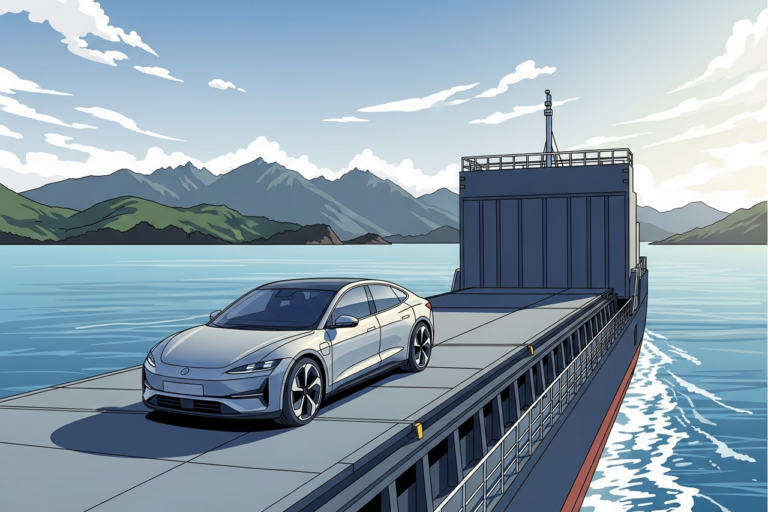
RoRo is often the most cost-effective option. Your car is simply driven onto a specialised vessel, secured, and then driven off at the destination port. Container shipping offers more protection, as your car is loaded into its own or a shared container. This is a great choice if you are also shipping personal effects or have a high-value vehicle.
Here’s a simple comparison to help you choose:
|
Shipping Method |
Description |
Best For |
|---|---|---|
|
Roll-On/Roll-Off (RoRo) |
The car is driven onto and off the ship. It is exposed to the elements but is a cheaper option. |
Standard, drivable vehicles and budget-conscious importers. |
|
Container Shipping |
The car is secured inside a 20ft or 40ft steel container. Offers maximum protection from weather and transit damage. |
High-value cars, classic cars, or when shipping personal items with the vehicle. |
Step 4: Manage Customs, Taxes, and Duties
When your car gets to the port where it is going, it has to go through customs clearance. At this stage, you need to pay any customs duties, goods and services tax (GST), or other taxes on what you are bringing in. These charges depend on the value of the car and can change a lot from one country to the next. For example, the way taxes work when you import a car to the United Kingdom is not the same as the rules in Australia.
Your shipping agent or a customs broker can help you with this. They will fill in and send the needed forms to the customs office for you. Make sure you have money put aside for these costs, because they come on top of your shipping fees. Some places do have lower fees or let you skip taxes. In Australia, for example, if an imported car is more than 30 years old, it might not have duty to pay.
The common taxes you might see are:
-
Import Duty: This is a tax on things that come into the country and is often a set percent of what the car is worth.
-
Goods and Services Tax (GST) or Value Added Tax (VAT): This is a tax people pay when they buy services or goods, and it is also charged on the value of the imported car.
-
Luxury Car Tax (LCT): In some places, this extra tax applies if a car costs more than a set amount.
These are important things to
Step 5: Complete Compliance, Inspection, and Registration in Your Country
The last thing you need to do is make sure your car meets the local rules for safety and emission standards. For this, your car goes through a few compliance checks and a safety inspection before you can drive it legally. An approved entry certification provider will do these checks to see if the car is safe to be on the road and follows all the rules.
The safety inspection and checks are quite detailed. They look at many parts of your car. For example, the inspector will check the brakes, lights, tyres, and see if the body of the car is strong enough. The car also needs to meet your country’s emission standards, which can be tough for old cars. If you changed anything on the car, the inspector will also look at those changes.
After your car passes all the checks and gets its entry certification, you can finish the steps to register your car. The main checks include:
-
A safety inspection that looks at everything on the car.
-
Checking if the car meets local emission standards.
-
An asbestos check, which you need for used cars coming into Australia.
-
Checks for a strong car structure and any changes or modifications.
Conclusion
To sum up, bringing a car in from New Zealand can be simple if you take the right steps and get ready early. You need to know the paperwork to use, pick a good importer, and check the rules in your own country. This way, you will get the good things that come with having a car that is different from others. Make sure to look at things like the way you ship the car and the checks you need to pass, so there are no problems. If you want to know more or need some help, feel free to ask someone for advice as you go forward with the new adventure of making your dream car yours!
Frequently Asked Questions
How much does it cost to import a car from New Zealand?
The cost to import a car from New Zealand can change a lot. It depends on where the car is going, the way you ship it, and how much the car is worth. An indicative cost for sending a car to Australia is about AUD 2,500. But it is best to ask a shipping agent for live pricing. You should also think about taxes, duties, and how exchange rate fluctuations can affect international payments.
Are there taxes or duties when importing a car from New Zealand?
Most countries will make you pay customs duties and a goods and services tax (GST or VAT) when your vehicle arrives. They work out these charges based on what your car is worth. Some people get exemptions or special deals, like those bringing in classic cars or coming back to live as residents. However, you should be ready to pay these taxes at customs clearance.
What vehicle compliance checks must be passed?
Your imported car needs to go through a few checks to make sure it is safe and follows all rules. This includes a safety inspection, like a Warrant of Fitness, and you have to meet local emission standards. Once your car passes this inspection, you get an entry certification. This shows your car is safe and legal to register in the new country.
Can I import any used car from New Zealand, and are there age restrictions?
No, you cannot bring in any used car you want. Vehicle imports are controlled by the rules of the country you are sending the car to. Most of the time, these rules include things like age limits or certain conditions a car needs to meet. For example, in Australia, there is a pre-1989 rule that makes it easier for classic cars to be brought in. Newer cars have to go through more checks. You should always look at these rules before you buy a car.