Key Highlights
Are you thinking about a car import from England to New Zealand? Here’s a simple look at how the process works.
-
You need to check if your car fits New Zealand’s vehicle standards before you send it over.
-
You must get all the right documentation ready for New Zealand Customs. This includes proof that the car is yours and that you have filled out the customs forms.
-
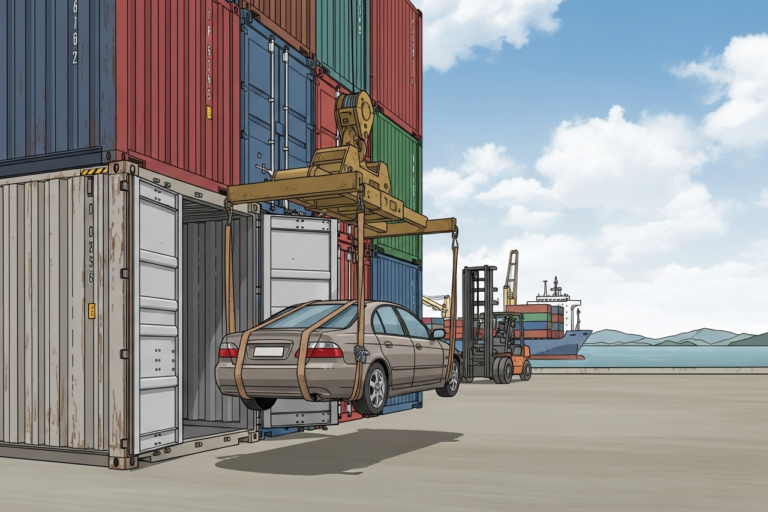
When shipping your car, you can pick Roll-on/Roll-off (RoRo) or a container service. Each way has its own prices and timeframes.
-
Once your car gets to NZ, it will have to go through entry certification and a border inspection. This makes sure your car is safe to drive on the roads here.
-
You will have to pay for shipping, the Goods and Services Tax (GST), and maybe other charges. It’s smart to ask for an accurate quote before you start.
-
Working with a good importer can help you a lot. They will make it easier for you to move your car from England right to your home in New Zealand.
Introduction
If you want to bring a car from England to New Zealand, it can be easier than you may think. This could be for a classic car, a fancy model not sold here, or your own ride. The guide will show you step by step, from looking at the Vehicle Identification Number (VIN) to getting through New Zealand Customs. Get ready to learn the rules on who can bring in a car, the paperwork you need, what it will cost, and how the shipping works. You will also find out how to deal with the New Zealand Customs and get your vehicle on the road in NZ.
Eligibility and Restrictions for Importing Cars from England to New Zealand
Before you bring a car into New Zealand, you need to know which cars are allowed. The New Zealand Customs Service has rules about the vehicle type and how old the car can be. Every car you import must meet strict safety rules and follow the environmental standards. These rules are a must to get entry certification.
Not all cars from England can be used on New Zealand roads. There are limits to make sure people stay safe and to help protect the environment. In the next parts, we will talk about the types of cars you can import. We will also explain what rules you need to follow for new zealand customs and entry certification.
Types of Cars Allowed for Import (used, new, electric vehicles)
You have a lot of choices for the vehicle type you want to bring into New Zealand from England. This lets you look for cars that stand out or ones that may give you better value than what is for sale in NZ.
The UK has a great range, and you can import:
-
New and almost new European cars
-
Classic or rare cars
-
Used cars that fit NZ standards
-
Electric vehicles (EVs) and hybrids
More people are going for eco-friendly transport now, so bringing in an electric car is a good choice too. If you want to import an EV to New Zealand, the steps are much the same as they are for a normal car, but it’s smart to check the details first. No matter if you’re looking for a new vehicle, a classic sports car, or a greener ride, importing from the UK gives you many options.
Import Restrictions and Compliance Requirements
Many cars can be brought into New Zealand, but they must meet strict rules to be allowed on the road. These vehicle standards are there for safety and to look after the environment. Your car will need to pass an inspection before it can get its entry certification.
Your car must follow some key rules to pass the border inspection. These are the main things you need to check:
-
The car must fit NZ-approved frontal impact and emissions standards.
-
If your car is a newer model, it must have Electronic Stability Control (ESC).
-
You need to make sure the car is well cleaned so it follows biosecurity rules.
-
Your car must pass a final compliance check when it gets to New Zealand.
If your car does not meet these standards, you may face high costs for fixes or your car might not be allowed to be registered. New Zealand Customs works with other groups to make sure these rules are followed. The most important thing you can do is to check that your car follows all of the vehicle standards before shipping it to NZ.
Step-by-Step Process for Importing a Car
Bringing a car to New Zealand from England is a clear, step-by-step process. There are some things you have to do first in the UK, and the rest you do here in NZ. Each step makes sure the car is legal, safe, and okay to drive on our roads. The steps include sorting out shipping, dealing with the New Zealand Customs Service, and getting entry certification.
It may look hard at first, but if you break it down, it is much easier to do. This guide will show you the best way to get your car ready, and how to pick a good shipping partner. This will help the new zealand customs process go smoothly, and you will get clearance for your car without trouble. The goal is to make the import easy and make sure your car is good to go in NZ.
Checking Eligibility and Preparing Your Vehicle
First, you need to make sure your car is able to be used in New Zealand. To do this, get proof that it meets all New Zealand standards. You can often check this by looking at the vehicle identification number (VIN). You should also get a statement of compliance from the maker of your car.
Before shipping your car, it needs to be very clean so it can pass biosecurity checks. You must clean the inside, outside, and the bottom of the car well. Important steps for getting ready include:
-
Confirming your car matches New Zealand standards.
-
Cleaning the car well to take off all dirt, plants, and bugs.
-
Taking photos of the car for insurance.
-
Making sure you have the UK registration paper (V5).
When your car gets to New Zealand and passes customs, it needs to go through a compliance inspection. It must also get a Warrant of Fitness (WOF) or Certificate of Fitness (COF). This last check shows the car can be used on the road, and lets you finish the registration.
Selecting Reliable Shipping Methods and Car Importers
Choosing the right shipping method and importer is key to a hassle-free experience. A good importer acts as your broker, handling everything from negotiations in the UK to final registration in NZ. They can simplify the logistics, manage tax complexities, and ensure all paperwork, like the Bill of Lading, is correctly handled.
There are two primary shipping methods for bringing a car from England. Your choice will depend on your budget, vehicle type, and destination port.
|
Shipping Method |
Description |
|---|---|
|
RoRo (Roll-on/Roll-off) |
The vehicle is driven onto a specialised vessel. This is often the most cost-effective option for standard cars, typically sailing from Southampton to Auckland. |
|
Container Service |
The vehicle is secured inside a container. This method offers extra protection and can be shipped to various ports, including Auckland and Lyttelton. |
Engaging a professional car importer provides peace of mind. They have the expertise to navigate the entire process, from sourcing and inspection to compliance and delivery, ensuring your car arrives safely and is ready for the road.
Required Documentation for Importing a Car
Having the right documentation is key when you want to bring a car into New Zealand. New Zealand Customs wants to see all the needed papers before the vehicle can get clearance. You should make sure these are ready well before shipping. You will need them for both customs clearance and later for registration purposes.
If you do not show the correct documents, there can be long hold-ups and more costs. Here is what you need to show for proof that you own the car and for who you are, plus the forms New Zealand Customs and biosecurity ask you for registration and clearance.
Proof of Ownership, Registration and Identity
You need to show that you are the legal owner of the motor vehicle you want to bring into New Zealand. The papers you give will show who you are and show that you are the last registered owner of the car. This step must be done, and there is no way around it.
For customs and registration, you will usually have to show:
-
The original UK registration document (V5) or papers that show your car is no longer registered there.
-
The invoice or bill of sale that shows the price you paid.
-
A copy of your passport to prove your identity.
-
The Bill of Lading from the shipping company.
You will also have to fill out a motor vehicle form for customs. If you make sure all these documents are right and easy to get, it will help avoid any hold-ups when your car comes to New Zealand. This will make the handover faster for you.
Customs and Quarantine Paperwork
When you bring a car into New Zealand, you need to show that you own it. You also have to do some paperwork for customs clearance and a quarantine inspection. The Ministry for Primary Industries (MPI) looks after biosecurity in New Zealand. They need to know that your car does not have any pests or risky plants in it.
You need to finish the right customs clearance and quarantine paperwork. This helps make sure your vehicle gets through the process the right way. Usually, this means you need:
-
A Customs Entry form that is filled in.
-
An MPI declaration form.
-
Other papers if you are bringing the car from the UK as part of your personal effects.
-
Proof that you have cleaned the vehicle well.
A quarantine inspection is needed for every used car coming into New Zealand. MPI will check your car, and if it is dirty, you will have to pay them to clean it. This step will hold up your clearance. It is easier and cheaper to clean your car before it leaves the UK. This helps you avoid costs and delays with your quarantine inspection and customs clearance.
Costs, Taxes, and Duties When Importing from England
If you want to budget for your car import, you need to know what all the costs are. The price of the car is not the only thing you pay. There is shipping, insurance, taxes, and also local costs in New Zealand. It helps a lot to ask your importer for a clear indicative cost. That way, you will not be surprised later on.
You must add GST, and sometimes you also pay duty, which the New Zealand Customs Service collects. There are also more costs, for example, for the entry certifier, to make your car meet the rules, and for registration. Let’s look at what these expenses are.
Estimated Shipping Costs and Fees
The cost of shipping is one of the largest expenses you’ll face. It varies based on the shipping method (RoRo or container), the size of your vehicle, and the shipping company you choose. Weekly sailings are available from the UK, with a transit time of approximately 32 to 42 days.
Getting a detailed quote is the best way to determine the final cost, but you can use estimates for initial budgeting. Larger vehicles like motorhomes and caravans will naturally cost more to ship than a standard car.
For a general idea, here’s a table of indicative cost estimates for shipping from the UK. Keep in mind these are just estimates and you should request a personalised quote.
|
Vehicle Type |
Estimated Cost Range |
|---|---|
|
Car |
Request a free quote |
|
Caravan or Motorhome |
Request a free quote |
|
Boat |
Request a free quote |
|
Motorbike |
Request a free quote |
Duty, GST, and Other Charges for Car Imports
When your car gets to New Zealand, you have to pay Goods and Services Tax (GST) and sometimes duty. GST is 15%. This is worked out by adding the total price of the car, the insurance, and the shipping costs (the CIF value).
The New Zealand Customs Service is the one that collects these payments. Most cars don’t have duty added, but some types do. Here are important things to know:
-
GST of 15% is paid on almost every car coming into New Zealand.
-
Most motor vehicles do not have any duty.
-
Caravans are charged a 5% duty.
-
Motorhomes are charged a 10% duty.
If you bring a car from the UK and it is ‘VAT qualifying’, you can buy it without paying the UK’s 20% VAT. This might save you a lot of money, even once you pay GST in NZ. There is a rule that lets new immigrants or people returning to New Zealand avoid GST if you meet the special conditions for bringing in your own personal effects.
Conclusion
Bringing a car from England to New Zealand can be good if you do it in the right way. To make this work, you need to know about the rules, the paperwork, and what it will cost. This helps you have a smooth time with shipping the car.
Make sure to check that your car meets local rules. Pick shipping options that are reliable. This way, you will not face problems. When you bring a car over, you get to enjoy a car from England while following New Zealand’s rules.
If you want to start your car shipping journey, talk to people who know how to help you through every step.