
The crisp morning air holds a deep silence just before the sun rises. Soon, the sharp, solitary notes of a bugle break the quiet. A bright red poppy is carefully placed at the base of a stone memorial. These simple but powerful acts happen in towns and cities across the country every April.
ANZAC Day holds profound significance for New Zealanders. It is a time to pause, reflect, and honour the men and women who have served and sacrificed for our nation. Coming together to remember builds a strong sense of community and shared history. It ensures the courage of past generations is never forgotten.
This guide covers everything you need to know about ANZAC Day New Zealand 2026. The commemorative date falls on Saturday, 25 April 2026, with the statutory public holiday observed on Monday, 27 April. Read on to understand the rich history of the day, discover key traditions, and find out how you can participate in local services.
The History Behind ANZAC Day
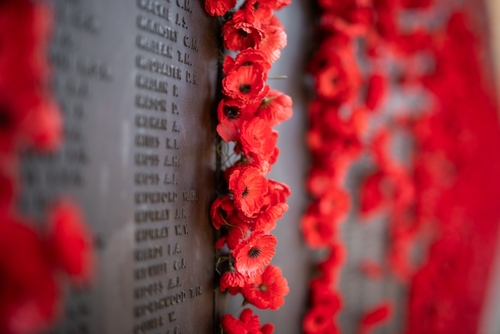
Understanding Gallipoli NZ history is essential to understanding the national significance of this day. On 25 April 1915, thousands of soldiers landed on the rugged beaches of the Gallipoli Peninsula in Turkey. This marked the start of a grueling and tragic campaign during the First World War.
These troops formed the Australian and New Zealand Army Corps, widely known as ANZAC. The soldiers faced harsh conditions, steep cliffs, and heavy enemy fire. The campaign lasted for eight grueling months. The human cost was devastating. Out of the 8,556 New Zealanders who landed at Gallipoli, over 2,700 lost their lives.
The profound impact of these losses was felt in every community across the country. In response, ANZAC Day was first commemorated in 1916 to honour those who had fallen. By 1921, the New Zealand government officially gazetted it as a national day of remembrance.
Over the decades, the meaning of the day has expanded. While it began as a way to mourn those lost in the First World War, it now honours all New Zealanders who have served in any conflict or peacekeeping mission. It stands as a permanent reminder of the price of peace.
What ANZAC Day Means for New Zealand Today
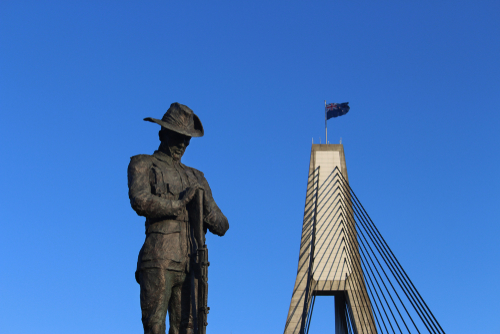
ANZAC Day remains a vital cornerstone of New Zealand’s national identity. It goes beyond military history. It reflects the enduring values of courage, mateship, and sacrifice. These values continue to resonate deeply in our modern society.
The day also highlights the unbreakable trans-Tasman bond with Australia. The shared experience of Gallipoli forged a unique relationship between the two nations. We stand together each year to remember the sacrifices made by both countries.
The extraordinary service of Māori soldiers is also a central focus of remembrance. The legendary 28th (Māori) Battalion earned a formidable reputation during the Second World War for their bravery and skill. Their contributions are remembered with immense pride and respect at ceremonies across the country.
Younger generations are increasingly engaging with ANZAC Day. Schools and community groups actively participate in educating youth about the past. This growing involvement ensures the tradition continues. The simple phrase “Lest We Forget” carries a powerful promise to carry the memory of our service personnel into the future.
ANZAC Day Traditions and Ceremonies

The traditions observed on the 25th of April are designed to be respectful, inclusive, and deeply moving. If you plan to attend ANZAC Day ceremonies NZ, here is what you can expect.
A dawn service New Zealand is the most recognizable tradition of the day. These services typically begin around 6:00 am. The timing mirrors the exact moment the first soldiers waded ashore at Gallipoli. Gathering in the dark creates a somber, reflective atmosphere before the new day begins.
Later in the morning, civic ANZAC Parades take place. Returned service personnel proudly march alongside military cadets, community groups, and youth organisations. These parades often conclude at local war memorials, where community leaders and families lay wreaths of remembrance.
Two deeply emotional moments anchor every service: the playing of the Last Post bugle call and the observance of a two-minute silence. This silence offers a personal moment to reflect on the cost of war.
You will also see people wearing bright red poppies. The poppy is an international symbol of remembrance. However, while the UK wears them in November, New Zealanders proudly wear them in April to specifically align with ANZAC Day. Additionally, it is a proud tradition for children and grandchildren to wear the military medals of their relatives on their right chest during ceremonies.
Key Events for ANZAC Day New Zealand 2026
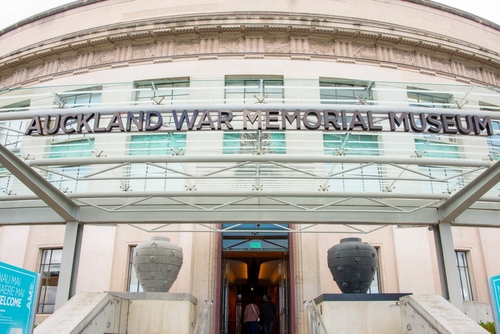
Commemorations happen in almost every community, from major cities to small rural towns. Here are a few notable locations hosting events in 2026:
Auckland
The Auckland War Memorial Museum hosts one of the largest dawn services in the country. Thousands gather in the Domain to watch the sun rise over the cenotaph.
Wellington
The Pukeahu National War Memorial Park offers a deeply moving setting for the capital’s official dawn service and national wreath-laying ceremonies.
Christchurch
Major services are typically held at the Christchurch Botanic Gardens or Cathedral Square, bringing the Canterbury community together in remembrance.
Dunedin
Residents gather at the Octagon cenotaph for the city’s traditional dawn service and parade.
Gallipoli, Turkey
Many New Zealanders travel overseas to attend the official Gallipoli Dawn Service at ANZAC Cove. It is considered a deeply meaningful pilgrimage.
To find specific event times in your local area, check with your local council or visit the Royal New Zealand Returned and Services’ Association website.
Practical Information for the ANZAC Day 2026 Public Holiday

Planning your weekend requires knowing how the public holiday rules apply this year. The ANZAC Day 2026 public holiday involves some specific scheduling because of the calendar.
The actual date of ANZAC Day is Saturday, 25 April 2026. Because it falls on a weekend, the statutory day off for workers is legally observed on Monday, 27 April. This creates a long weekend for many New Zealanders.
Strict trading restrictions apply to this holiday. Most shops and businesses are legally required to remain closed until 1:00 pm on Saturday, 25 April. This ensures the morning is reserved for remembrance and respect.
The holiday often overlaps with the autumn school holidays. If you are travelling during this busy long weekend, plan your journeys carefully. Expect heavier traffic on major highways and book accommodations well in advance.
How to Observe ANZAC Day Respectfully

There are many simple, meaningful ways to participate in ANZAC Day. You do not need a military background to show your respect.
Attending a local dawn service or parade is the most direct way to participate. If you cannot attend a formal service, visiting a local war memorial in your own time provides a quiet moment for reflection.
Baking ANZAC biscuits at home is a popular and comforting tradition. Historically, these egg-free biscuits were baked by families and the Red Cross. They were hardy enough to survive the long sea voyages to soldiers serving overseas. Today, they remain a delicious symbol of care and resourcefulness.
You can also spend time watching historical documentaries or visiting local museums. Teaching children about the history and significance of the day helps keep the stories alive. Finally, sharing your reflections online using the hashtag #LestWeForget helps build a digital community of remembrance.
Frequently Asked Questions (FAQs)
What does ANZAC stand for?
ANZAC stands for Australian and New Zealand Army Corps. This was the combined military force that landed at the Gallipoli Peninsula on 25 April 1915.
Is ANZAC Day a public holiday in New Zealand in 2026?
Yes. ANZAC Day falls on Saturday, 25 April 2026. Because it lands on a weekend, the statutory day off for workers is legally observed on Monday, 27 April under New Zealand’s Mondayisation rules.
What time do dawn services start?
Dawn services typically begin around 6:00 am, timed to coincide with the first light of day. Times can vary slightly by location. Check your local RSA or council website for exact start times.
Are shops open on ANZAC Day in New Zealand?
Most shops are legally required to remain closed until 1:00 pm on ANZAC Day. Exceptions apply for essential services like dairies, service stations, pharmacies, and certain hospitality venues.
Why do New Zealanders wear poppies on ANZAC Day?
The red poppy is an international symbol of remembrance for fallen soldiers. In New Zealand and Australia, it is most closely associated with ANZAC Day in April, unlike in the UK where it is worn on Remembrance Day in November.
What is the significance of ANZAC biscuits?
Families and the Red Cross historically sent ANZAC biscuits to soldiers overseas. Made without eggs, they did not spoil easily. They survived long sea voyages and have since become a cherished culinary symbol of the day.
Can I attend a dawn service if I have no military connection?
Absolutely. Dawn services are entirely open to everyone. Attendance by the general public is warmly welcomed and encouraged as a simple act of respect and remembrance.
Where can I find ANZAC Day events near me in New Zealand?
You can find local event listings through your local council website or by checking with your local RSA branch. Visit the Royal New Zealand Returned and Services’ Association website (rsa.org.nz) for more details.
Keep the ANZAC Spirit Alive in Your Community
Taking the time to remember our history ensures the sacrifices of the past are never overlooked. Attending a dawn service, laying a poppy, or simply pausing for a moment of quiet reflection connects us to our shared heritage.
We encourage you to find a meaningful way to observe the day this year. Gather your family, check the event times at your local RSA, and participate in a community service. Share this guide with friends and loved ones to help them plan their weekend.
Lest We Forget.