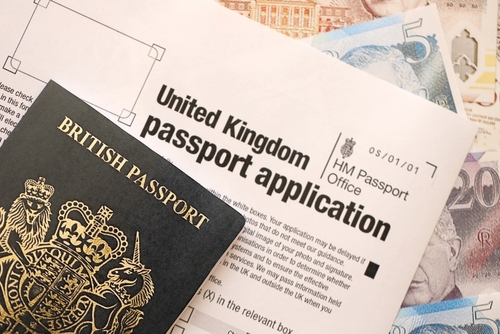

If there’s one thing you don’t want to leave until the last minute, it’s renewing your passport. Because nothing says stress quite like realising your passport expires a month before your long-awaited holiday.
Don’t worry, at Remitly, we know how it feels to handle official paperwork, juggle visas, travel abroad, or plan trips home, all while navigating an entirely new life in a new country. So we’ve put together this guide to walk you through the process.
How long does a UK passport renewal usually take?
Most standard UK passport renewals take around three weeks once your documents have been received, though it’s not guaranteed.
What timing looks like for most people
If you’re renewing online, which is the smoothest, fuss-free option, three weeks is pretty standard. Paper applications often take a bit longer because someone has to check them manually.
What to expect if things slow down
Sometimes, even when you’ve done everything right, things just take a bit longer. Busy seasons like summer, Christmas, or school holidays can slow processing down because more people are applying at once.
Renewals involving name changes, lost passports, damage, or extra identity checks may need more time, too. But don’t worry, this doesn’t automatically mean there’s a problem.
What to expect when renewing
Knowing what to expect makes the whole renewal process feel a lot more manageable, instead of feeling like a never-ending series of admin tasks.
What it costs to renew
The price depends on how you apply. Renewing online costs £94.50 for adults, while paper applications cost £107. Renewing a child’s (under 16 years old) passport online costs £61.50. It’s not the most thrilling thing to spend money on, but once the new passport arrives, the world instantly feels much more accessible.
It’s also worth noting that getting a passport with extra pages will cost slightly more—£107.50 online and £120 by paper for adults. An online frequent traveller passport application for children costs £74.50, whereas by paper form costs £87.
Common things that delay applications
Most delays are because of small details like a slightly off-spec passport photo, a missing signature, or using the wrong form. Paper applications can be more likely to go wrong due to hard-to-read handwriting or unclear ticks.
The best strategy is not to rush. A slow, careful review before you submit can save weeks of waiting later. If you’re applying online, the system does catch some mistakes as you go, such as photo formatting, which is another reason it tends to be quicker and less stressful.
The best time to renew
If you can, renew before it becomes urgent. Many countries require at least six months of validity to let you enter, even if your passport technically isn’t expired yet.
Renewing early helps you avoid last-minute panic and makes it much easier to say yes to opportunities like a family visit or a spontaneous city break. There’s something reassuring about having a current passport tucked away, almost like your future plans are already half-approved.
UK child passport renewal processing time
Renewing a child’s passport follows a very similar process to an adult renewal, but the timeline can be a little longer.
How child passport timelines differ
Child passports sometimes take longer because identity checks are stricter. The government takes safeguarding seriously, and that means more confirmation steps behind the scenes.
It isn’t meant to make things difficult, but it’s part of making sure that children travel safely, legally, and with the correct permissions from the adults responsible for them.
Required documents for a child’s passport renewal
For a renewal, you’ll need the child’s previous passport and a valid photo. In some cases, you’ll also need supporting ID or proof of parental responsibility. If this is a first-time child passport, the paperwork is more involved because there’s no previous record to match against.
Tips to avoid delays
There are a few simple tips that help a lot. Firstly, we know it can be hard with children and babies sometimes, but it’s recommended to get a proper biometric-standard photo. And make sure consent requirements are clear and complete.
It helps to apply when life is calm and to try to avoid being too close to a big trip. Also, apply early, especially before school holidays, because passport offices get busier and it can sometimes seem like every UK parent has sent their child’s passport application off at the same time.
Faster renewal options
Sometimes life doesn’t leave much wiggle room. Maybe there’s a sudden family emergency or maybe you finally booked that dream trip and only noticed your passport’s expiry date after paying for flights. Or maybe you simply forgot; it happens to the best of us.
The good news is that the UK offers two urgent options for those “Oh no…” moments. They cost more than a standard renewal, but when time is tight, they can be absolute lifesavers.
Online premium service (same-day appointment)
This is the quickest option available. You apply online, book an appointment, go in with your old passport, and if everything checks out, walk away with a new passport the very same day.
It’s only available for adult renewals and it comes with a higher price tag of £222, but when you need a passport urgently, it suddenly feels like one of the best investments you’ve ever made. Appointments can book up fast, especially during busy travel seasons, so if you think you may need this service, it’s worth keeping an eye on availability.
One-week fast track service
If you don’t need your passport today, but you also can’t wait three weeks, the fast track service offers a nice middle ground. Once you’ve booked an appointment and submitted everything correctly, your passport is usually delivered within one week. This service works for both adults and children, and it can also be used for name changes or replacing a lost or damaged passport.
It’s more expensive than a standard renewal, but less intense than the same-day Premium option. Think of it as the “urgent, but not panic mode” path. If you know travel is coming up soon or you simply want peace of mind, this option can feel like a gentle sigh of relief.
Renewing a lost, stolen, or damaged passport
Losing a passport can feel awful, especially if you’re far from home or preparing for a trip. But it happens to a lot of people, and luckily, replacing or renewing one is completely possible.
How does this process differ from a standard renewal?
A standard renewal is straightforward because the government already has a record tied to your existing passport.
But when your passport is lost or damaged, HM Passport Office may need to do additional checks before issuing a new one. It’s simply about ensuring the passport belongs to the correct person and hasn’t been misused. It’s a layer of security that protects you, even if it slows things down slightly.
What to do if you need urgent travel
If you need to travel soon, you may still be able to use urgent services like the 1-Week Fast Track or Online Premium, depending on the circumstances. If you’re already abroad when you lose your passport, you won’t be able to renew it from another country right away.
Instead, you may need an emergency travel document. This temporary document helps you travel home (or sometimes onward) while you wait to replace your passport properly. It’s not ideal, but it’s reassuring to know there’s a backup plan.
Information and documents required
When applying for a replacement, expect to provide proof of identity and sometimes proof of your current UK address. If the passport was stolen, you may need a police report, especially if you’re overseas.
In certain cases, you may also need to provide travel evidence, such as a booking or confirmation email, particularly if you’re trying to access a faster service. The clearer and more organised your documentation is, the smoother the experience usually feels.
Passport validity rules for international travel
Passport expiry dates can be surprisingly sneaky. The date printed in your passport isn’t always the one that matters. Some countries won’t let you enter if your passport is close to expiring, even if it’s technically still valid.
Why do some countries require extra validity time?
Many destinations expect your passport to have at least six months of validity remaining from the day you arrive. Sometimes the rule applies from the date you leave the country. A lot of travellers only discover this when checking in for their flight, and by then it’s usually too late to fix.
Airlines often enforce these rules before boarding because if they fly you somewhere and you’re denied entry, they’re responsible for flying you back. So, while six months might seem like an arbitrary buffer, it’s a very real requirement in many places.
These rules can also come into play for visa applications. Some embassies want a passport that’s valid for the entire duration of your stay, plus extra months beyond it. Long-term visas, work permits, or residency processes may also require two blank passport pages or a passport issued within the last ten years.
Extra considerations when travelling with children
Travelling with little ones adds another layer of preparation. Some countries have strict safeguarding measures, especially if only one parent is travelling with the child. You may be asked for signed consent from the other parent, proof of guardianship, or additional documents to show that travel is authorised.
Children’s passports also expire more often because they grow and change so quickly. It’s easy to forget how fast that validity countdown goes, especially if you don’t travel regularly.
How to track your passport application
Once your application is submitted, the online tracking tool has a funny way of becoming part of your daily routine.
How to use the government tracking service
Tracking your passport depends on how you applied.
If you applied online and uploaded a digital photo, you can usually track your passport almost immediately. Your reference number will start with “PEX.”
If you applied using the Post Office Digital Check and Send service, you can still track your application online once your details have been processed. You’ll know you used this route if the Post Office took the photo for you and your reference starts with “POD.”
If you applied using a paper form, you’ll need to call the Passport Adviceline. When you call, choose option 1 and enter the number on your application. This is either the 10-digit barcode from the paper form or the 9-digit receipt number if you submitted it at the Post Office.
Once you’re set up with the right tracking route, you’ll be able to check in as often as you like.
What each tracking status means
Tracking updates move through a few stages. It may start with something like “We’ve received your application,” which means everything is logged into their system. Next comes “We’re processing your passport,” where checks and printing happen behind the scenes.
Then, the magical “Approved” update appears. Finally, you’ll see “Dispatched,” which means your passport is making its way to you. That’s usually the point where excitement kicks in and you start mentally planning the airport snacks.
When to contact HM Passport Office
Most applications move through the process without needing intervention. But if the status hasn’t changed for a while or you’re well past the expected timeframe, it’s completely okay to reach out to HM Passport Office. The earlier you check, especially if you have upcoming travel, the better.
Sometimes a quick call or message can clarify whether everything is fine or whether extra documents are needed.
You’re almost ready to renew
Renewing your passport doesn’t have to be overwhelming. In most cases, the process takes about three weeks, and applying early can help you avoid stress, especially if international travel or visas are on your horizon. And if things are urgent, faster options are available.
A valid passport unlocks movement and connection, and the ability to go home when it matters most. And at Remitly, we understand just how important those moments are.
FAQs
When should I renew my passport?
Many travellers renew when they have six months or less remaining. That avoids any surprises at border control.
Can I travel while my passport is being renewed?
No. When you begin the renewal process, your old passport can’t be used to travel.
What if my application takes longer than expected?
If the renewal passes the expected timeframe, check tracking or contact HMPO, especially if you have a trip coming up.
Is online renewal faster than a paper application?
Usually yes, and it’s often cheaper, too.
Do I need to send my old passport when renewing?
Yes, unless you’re using certain urgent services. It will be returned, but will no longer be valid.