
A British-American dual national arrives at Heathrow Airport with her US passport in hand. She’s travelled this way dozens of times before. But when she reaches the gate, airline staff refuse to let her board. The reason? She didn’t present her British passport.
This scenario is becoming more common as the UK enforces stricter border rules for dual nationals. If you hold British citizenship alongside another nationality, you may no longer be able to enter the UK using only your foreign passport.
This article explains what has changed, who is affected, and what you need to do to avoid travel disruption.
What Has Changed?
The UK has always maintained that British citizens should enter the country using a British passport. This policy isn’t new, but enforcement has become significantly stricter.
Airlines are now more likely to deny boarding to British citizens attempting to enter the UK on a foreign passport. This shift reflects heightened border security measures and improved digital verification systems that make it easier to identify dual nationals.
The change doesn’t represent new legislation. Instead, it’s a stricter application of existing immigration policy. The UK Home Office has clarified guidance to airlines, emphasizing their responsibility to verify that British citizens travel on British documents.
Previous practice vs. current enforcement:
In the past, dual nationals often entered the UK using their foreign passports without issue. Border officers could verify citizenship through other means, and airlines rarely questioned this practice. Now, with increased scrutiny and carrier liability rules, airlines are taking a more cautious approach to avoid potential penalties.
Common misconception: Many dual nationals believe they can use either passport interchangeably. While you can use different passports when travelling to other countries, the UK now expects its citizens to present British travel documents at entry.
Who Is Affected?
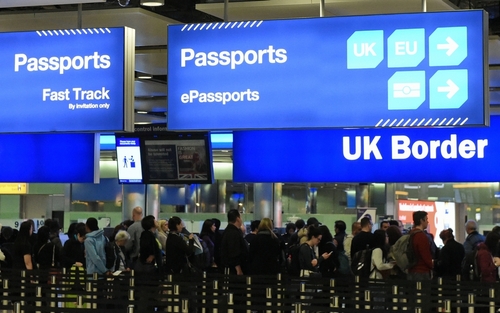
This rule applies to anyone who holds British citizenship, regardless of which other nationalities they hold. Here’s a breakdown of who needs to pay attention:
UK-US Dual Nationals
If you hold both British and American citizenship, you must enter the UK on your British passport. This applies even if you’ve lived in the United States for decades or consider yourself primarily American.
UK-EU Dual Nationals
British citizens who also hold citizenship from an EU member state must use their British passport when entering the UK. Your EU passport won’t suffice, even though it did before Brexit.
UK Citizens Born Abroad
If you were born outside the UK but acquired British citizenship through a parent or by registration, you still need a British passport to enter the country.
Naturalized Citizens
Individuals who became British citizens through naturalization must enter the UK using their British passport, regardless of how recently they obtained citizenship.
British Citizens Who Have Never Applied for a UK Passport
Some people inherit British citizenship but have never obtained a British passport. If this applies to you, you’ll need to apply for one before travelling to the UK.
Children with British Citizenship
Children who hold British citizenship must also enter on a British passport. Parents should ensure their children’s UK passports are valid and up to date.
Edge Cases
British citizens with expired UK passports: An expired British passport won’t be sufficient. You’ll need to renew it before travelling.
British Overseas Territories citizens: Rules may vary depending on your specific status. Check the latest guidance on GOV.UK for your circumstances.
Why Is the UK Enforcing This Rule?
Several factors have contributed to stricter enforcement of this long-standing policy.
Border security and citizenship verification
The UK government wants to maintain accurate records of who enters and exits the country. When British citizens enter on foreign passports, it complicates these records and can create gaps in border security data.
Immigration control post-Brexit
Since leaving the European Union, the UK has implemented more rigorous border controls. This includes ensuring that British citizens are clearly identified and tracked separately from foreign nationals.
Digital border modernization
The UK is rolling out its Electronic Travel Authorization (ETA) system, which requires non-citizens to obtain permission before travelling to the UK. To avoid confusion and ensure the system works properly, the government needs British citizens to identify themselves clearly using British passports.
Alignment with international norms
Many countries require their citizens to enter using national passports. The United States, Canada, and Australia all enforce similar rules. The UK is simply bringing its enforcement in line with these international standards.
Immigration lawyers note that while the policy aims to strengthen border integrity, it can create practical challenges for dual nationals who haven’t kept their British passports current or who weren’t aware of the requirement.

What Could Happen If You Try to Enter on a Foreign Passport?
Attempting to enter the UK on a foreign passport when you hold British citizenship can lead to several complications.
Airline refusal to board: This is the most common consequence. Airlines face substantial fines if they transport passengers without proper documentation. To avoid these penalties, many carriers now verify citizenship status more thoroughly and will refuse boarding to British citizens without a British passport.
Delays at border control: If you somehow make it past the airline check-in and reach UK border control, you may face extended questioning and secondary screening. Border officers will need to verify your citizenship status, which can take considerable time.
Secondary screening: You might be directed to a separate area where officers conduct additional checks. This process can be stressful and time-consuming, particularly if you’re travelling with family or have connecting flights.
Questioning regarding citizenship status: Officers may ask detailed questions about how you obtained British citizenship, why you don’t have a British passport, and why you attempted to enter on a foreign document.
Important clarification: British citizens cannot legally be refused entry to the UK. You have the right to enter your own country. However, airlines can refuse to let you board your flight in the first place, which effectively prevents your travel. Once you arrive at the UK border, officers will eventually allow entry, but only after potentially lengthy verification processes.

What Dual Nationals Should Do Now
If you’re a British dual national, follow these steps to ensure smooth travel to the UK:
1. Confirm Your British Citizenship Status
Double-check that you actually hold British citizenship. Not everyone born in the UK automatically becomes a citizen, and citizenship rules have changed over the years. If you’re unsure, check your status on GOV.UK.
2. Apply for or Renew a British Passport
If you don’t have a British passport or yours has expired, apply for one as soon as possible. Don’t wait until you have travel plans, as processing can take several weeks.
You can apply online through the GOV.UK passport application service.
3. Check Passport Validity Requirements
Ensure your British passport meets validity requirements. Some countries require passports to be valid for at least six months beyond your travel dates. While this applies to outbound travel, it’s good practice to keep your passport well within its validity period.
4. Allow Sufficient Processing Time
Standard passport processing in the UK currently takes up to 10 weeks. During peak periods, it can take longer. If you need your passport urgently, you may be able to use the fast-track or premium services for an additional fee.
5. Understand Emergency Travel Document Options
If you’re abroad and your British passport is lost, stolen, or expired, you can apply for an emergency travel document at a British embassy or consulate. This will allow you to return to the UK, but it’s a temporary solution and not a substitute for a full passport.
6. Special Guidance for Children
Children’s passports have shorter validity periods—typically five years compared to ten years for adults. Make sure you renew children’s passports well before they expire, especially if you travel regularly.
Current passport fees:
- Adult passport (aged 16 and over): £88.50 online, £100 by post
- Child passport (under 16): £57.50 online, £69 by post
- Fast track service (one-week turnaround): £177 including passport fee
- Premium service (same-day collection): £219.50 including passport fee
Frequently Asked Questions
Can I enter the UK with my foreign passport and proof of British citizenship?
No. While proof of British citizenship (such as a birth certificate or naturalization certificate) confirms your status, it doesn’t serve as a travel document. Airlines require a valid British passport for boarding, and border officers expect to see one upon entry.
What if my British passport has expired?
An expired British passport cannot be used for travel. You must renew it before you can enter the UK. If your passport has been expired for more than five years, you may need to apply for a new one rather than renewing.
Do I need an ETA if I’m a British citizen?
No. The Electronic Travel Authorization (ETA) system is for non-British nationals visiting the UK. As a British citizen, you don’t need an ETA, regardless of which passport you usually travel on.
What if I don’t consider myself “actively British” but hold citizenship?
Your feelings about your citizenship don’t change the legal requirement. If you hold British citizenship—whether you actively identify with it or not—you must enter the UK using a British passport.
Does this affect land border entry from Ireland?
The Common Travel Area agreement between the UK and Ireland means border controls between the two countries operate differently. However, you should still carry your British passport when travelling, as you may be asked to prove your identity and citizenship status.
How do airlines verify dual citizenship?
Airlines have access to various databases and verification systems that help them identify whether passengers hold dual British citizenship. They may check your place of birth, previous travel history, or ask direct questions during check-in. These systems have become more sophisticated in recent years, making it harder for dual nationals to avoid detection.
Can I use my foreign passport when leaving the UK?
When departing the UK, you can technically use your foreign passport. However, you must ensure it’s valid for entry to your destination country. Some dual nationals find it easier to consistently use their British passport for all UK travel to avoid confusion.
How This Compares to Other Countries
The UK isn’t alone in requiring its citizens to use national passports for entry. Many countries enforce similar rules:
- United States: US citizens must enter and depart the United States using a US passport. This rule is clearly stated in US law and strictly enforced.
- Canada: Canadian citizens, including dual nationals, must carry a valid Canadian passport when entering Canada by air. Those entering by land or sea from the United States have more flexibility but are still strongly encouraged to carry Canadian passports.
- Australia: Australian citizens must enter and leave Australia on their Australian passport. This requirement applies to all Australian citizens, including dual nationals.
The UK’s enforcement brings it into line with these international standards. For frequent international travellers who hold multiple citizenships, this means keeping track of which passport to use where—a minor inconvenience compared to the alternative of being denied boarding.
Understanding the Real Impact
The enforcement of this rule primarily affects dual nationals who travel frequently between the UK and other countries. For many, it’s a matter of remembering to carry the right passport rather than facing serious legal consequences.
Likelihood of strict enforcement: Airlines are taking this rule seriously because they face financial penalties for transporting improperly documented passengers. Expect consistent enforcement at check-in, particularly on direct flights to the UK.
Impact on frequent business travelers: If you travel regularly for work, maintaining a valid British passport becomes essential business preparation. Build passport renewal into your regular travel planning, just as you would with visa requirements for other countries.
Advice for long-term expats: British citizens who have lived abroad for decades sometimes let their UK passports lapse. If you plan to visit the UK—or if there’s any chance you might need to return—keep your British passport current. Processing times can be longer when applying from overseas, so plan ahead.
The practical risk is travel disruption rather than legal trouble. Nobody will be prosecuted for attempting to enter on the wrong passport, but you might miss your flight, lose money on non-refundable bookings, or face stressful delays.
Key Takeaways
Here’s what you need to remember about the UK’s passport requirements for dual nationals:
- British citizens must use a British passport when entering the UK, regardless of what other nationalities they hold
- Airlines will likely refuse to board British citizens who present only foreign passports
- This isn’t a new law—it’s stricter enforcement of existing policy
- Apply for or renew your British passport well before you need to travel
- Standard processing takes up to 10 weeks, so plan accordingly
- This rule aligns the UK with similar requirements in the United States, Canada, and Australia
- Children with British citizenship are also affected and need their own British passports
Plan Ahead and Travel Smoothly
The UK’s enforcement of passport requirements for dual nationals reflects broader efforts to modernize border security and align with international standards. While the change may seem inconvenient, it’s straightforward to manage with proper planning.
If you’re a British dual national, take action now. Check your passport’s expiry date, and if you need to renew or apply for a British passport, start the process today. Don’t wait until you have travel plans—processing times can stretch longer than expected, particularly during busy periods.
For the most current information on passport applications, processing times, and fees, visit GOV.UK. If you have specific questions about your citizenship status or travel documents, the UK Home Office provides guidance at GOV.UK.
By keeping your British passport up to date, you’ll avoid travel disruption and ensure that your next trip to the UK goes smoothly.