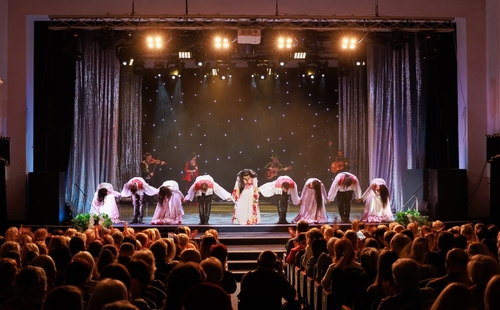

Theatre has a unique way of bringing people together. It allows us to step into someone else’s shoes, experience new cultures, and feel a shared emotion with a room full of strangers. Whether it is a dazzling musical in a major city or a quiet drama in a community hall, the stage connects us.
On 27 March 2026, the world will celebrate World Theatre Day. This is a moment to recognise the joy and importance of the performing arts. For theatre lovers in the UK and across the globe, it is a day to honour the writers, directors, actors, and designers who make the magic happen.
If you are curious about what this day represents or how you can get involved, this guide covers everything you need to know.
What is World Theatre Day?
World Theatre Day was created in 1961 by the International Theatre Institute (ITI). It is celebrated annually on the 27th of March by ITI centres and the international theatre community.
The goal is simple but powerful. The day aims to promote theatre in all its forms across the world. It raises awareness of the value of theatre to governments and opinion leaders who may not yet recognise its value to the people and the economy. Perhaps most importantly, it is a celebration of the art form itself—a way to share the joy of theatre with others.
Every year, a figure of world stature is invited to share a message about the theme of “Theatre and a Culture of Peace”. This message is translated into over 50 languages and read for tens of thousands of spectators before performances in theatres throughout the world.
The importance of the UK stage
The United Kingdom has a rich and vibrant history when it comes to the stage. From the open-air Globe Theatre of Shakespeare’s time to the modern, cutting-edge productions of today, the UK is often seen as a global leader in the arts.
A vital part of the economy and community
The theatre industry is a massive contributor to the UK economy. It draws tourists from all over the world who come specifically to experience the West End or the Edinburgh Festival Fringe. However, the value goes beyond ticket sales.
Local theatres act as community hubs. They are places where people gather to learn, socialise, and express themselves. In many towns and villages, the local arts centre is a lifeline that supports mental health and community cohesion. World Theatre Day 2026 is an opportunity to acknowledge that theatre is not just for entertainment; it is a vital service that supports the wellbeing of our society.
Championing diversity and inclusion
Modern British theatre is working hard to become more inclusive. The stage is increasingly reflecting the true diversity of the population. We are seeing more stories from different backgrounds, cultures, and perspectives.
World Theatre Day is a time to celebrate this progress. It reminds us that theatre belongs to everyone, regardless of background or budget. It reinforces the idea that the arts should be accessible and welcoming to all.
How venues and creatives mark the day
You might be wondering what actually happens on 27 March. While celebrations vary from city to city, there are common ways that venues and creatives observe the date.
Reading the International Message
One of the most widespread traditions is the reading of the World Theatre Day International Message. Before the curtain rises on evening performances, an actor or director will often read the message to the audience. This connects the specific audience in that venue with millions of others around the world doing the same thing.
Open doors and backstage access
Transparency is a key part of building trust with audiences. To foster this, many theatres open their doors during the day for free events. This might include:
- Backstage tours: Seeing how the sets are built, where the costumes are made, and how the lighting rig works.
- Open rehearsals: A chance to see the hard work that goes into a production before opening night.
- Workshops: Classes for children and adults on acting, writing, or stagecraft, often provided at no cost.
These events demystify the process of making theatre. They show the skill and dedication of the workers behind the scenes, from the carpenters to the ushers.
Fundraising and awareness
Many creatives use this date to highlight important causes. You might see collections for theatre charities that support actors out of work or funds that help keep historic buildings open. It is a day for the industry to look after its own and ensure a sustainable future.
Ways you can celebrate
You do not need to be an actor to take part in World Theatre Day 2026. There are simple, meaningful ways to show your support.
Visit your local theatre
The most direct way to celebrate is to buy a ticket. It does not have to be a big, expensive production. Local amateur dramatic societies, fringe venues, and regional touring houses all need support. By attending a show, you are investing in your local creative economy.
Share your memories
Social media is a great tool for connection. On 27 March, you can share a memory of a play that moved you or a performance that made you laugh. Using hashtags related to World Theatre Day helps spread the message to a wider audience.
Read a play
If you cannot make it to a venue, bring the theatre home. Reading a play can be just as immersive as reading a novel. It allows you to imagine the staging and interpretation in your own mind. Libraries often have excellent sections dedicated to drama.
Introduce someone new to the arts
If you love theatre, take someone with you who has never been. Removing the barrier to entry for someone else is a wonderful gift. It helps grow the audience and proves that theatre is a welcoming space for everyone.
Frequently Asked Questions
Is World Theatre Day a public holiday in the UK?
No, World Theatre Day is not a bank holiday or a public holiday. Businesses and schools remain open as usual. It is an observance day celebrated by the arts community and cultural institutions.
Do I need to book tickets in advance for World Theatre Day events?
This depends on the specific event. While many workshops and tours are free, they often have limited capacity. It is always safer to check the website of your local theatre to see if you need to register or book a slot to avoid disappointment.
Is World Theatre Day only for professional actors?
Absolutely not. World Theatre Day is for everyone—audiences, amateur groups, students, and professionals alike. The goal is to celebrate the art form itself and the enjoyment it brings to people’s lives.
How can I find out what is happening near me?
The best approach is to check the websites or social media pages of theatres in your local area. The International Theatre Institute (UK centre) may also list major events. Local council websites sometimes list cultural events happening in the community.
Supporting the future of the stage
As we look toward 27 March 2026, it is reassuring to know that theatre remains a resilient and essential part of our lives. It has survived centuries of change, adapting to new technologies and new audiences while keeping the core human connection at its heart.
Celebrating World Theatre Day is about more than just one day of events. It is about recognising the value of storytelling and the people who dedicate their lives to it. Whether you are a regular theatre-goer or someone who visits once a year for a holiday pantomime, your support matters. It ensures that the lights stay on, the curtains keep rising, and the stories keep being told for generations to come.