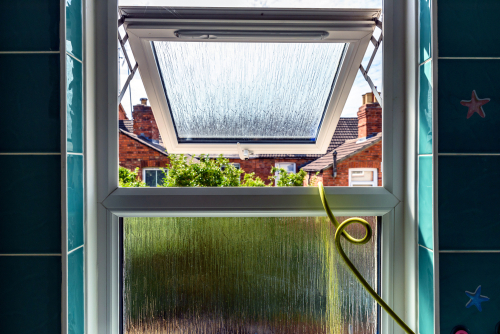

We all want a home that stays warm in the winter without costing a fortune to heat. But for many in the UK, keeping the cold out feels like a losing battle. You turn up the thermostat, yet the hallway remains chilly and you can feel a breeze near the skirting boards. The culprit is often hidden gaps and cracks that let warm air escape and cold air rush in.
There is a solution to this problem, though it comes with a rather unusual name: “house burping.”
While the term might sound amusing, the science behind it is serious. This technique is a cornerstone of modern, energy-efficient building standards. It helps homeowners identify exactly where their property is leaking heat so they can fix it. By understanding how your home “breathes”—or where it shouldn’t be breathing—you can create a living space that is healthier, more comfortable, and significantly cheaper to run.
What actually is house burping?
“House burping” is a nickname for a process technically known as a blower door test. It is a diagnostic procedure used to measure the airtightness of a building.
The concept is straightforward. To find leaks in a bicycle tyre, you inflate it and listen for escaping air. House burping applies a similar logic to your entire home. A professional uses a powerful fan to change the air pressure inside the house. This forces air to squeeze through any unsealed cracks or gaps in the building’s fabric.
The nickname comes from the idea of the house expelling air, much like a burp, when the pressure changes. It allows builders and surveyors to “see” airflow that is usually invisible. By identifying these leaks, you can pinpoint exactly where you are losing heat, rather than guessing and hoping that new insulation will solve the problem.
The German roots: Passivhaus and airtightness
To understand why this method is so effective, we have to look at its origins. The technique is closely linked to the Passivhaus (Passive House) movement which began in Germany.
German engineering often prioritizes precision and efficiency, and their approach to housing is no different. The Passivhaus standard is a rigorous voluntary standard for energy efficiency in a building, which reduces the building’s ecological footprint. It results in ultra-low energy buildings that require very little energy for space heating or cooling.
A core principle of this standard is airtightness. In traditional UK construction, buildings were often designed to be “leaky” to allow for ventilation. However, uncontrolled leaks lead to heat loss and discomfort. The German approach argues that ventilation should be controlled and intentional, not accidental.
To meet the strict Passivhaus criteria, builders in Germany began using blower door tests as a standard part of the construction process. It ensured that the building envelope was continuous and sealed. Over time, this focus on airtightness proved so effective at lowering energy bills that the practice spread across Europe and is now gaining serious traction in the UK.
How the process works
If you decide to have your home tested, the process is generally non-invasive and takes a few hours. Here is what you can typically expect during a house burping session.
1. Sealing the property
First, the testing team prepares the house. They close all external windows and doors. They also temporarily seal purposeful vents, such as extractor fans in bathrooms or kitchens, and close fireplace dampers. The goal is to measure accidental leaks, not the holes that are meant to be there.
2. Installing the blower door
The specialist installs a temporary, adjustable frame into an external doorway—usually the front door. This frame holds a calibrated fan and is sealed around the edges to ensure no air can pass through the doorway itself.
3. Depressurising the home
The fan is turned on to pull air out of the house. This lowers the air pressure inside relative to the outside. Because nature dislikes a vacuum, higher-pressure air from outside tries to rush back into the house to equalize the difference. It forces its way through every crack, gap, and unsealed joint it can find.
4. Monitoring and locating leaks
While the fan is running, the team uses equipment to measure the airflow. At this stage, they often walk around the house with smoke pencils or thermal imaging cameras. The smoke will waver or the thermal camera will show cold streaks wherever air is entering the building. This provides a visual map of exactly where your home needs attention.
Why this matters for UK homes
The UK has some of the oldest housing stock in Europe. Victorian terraces and mid-century semis were not built with energy retention in mind. As energy prices remain volatile and the climate crisis deepens, the efficiency of our homes has never been more important.
Lowering energy bills
The most immediate benefit is financial. A draughty home requires your heating system to work overtime. You are effectively paying to heat the street outside. By sealing the leaks identified during a test, you keep the heat where it belongs—inside.
Meeting net-zero targets
The UK government has set ambitious targets for Net Zero carbon emissions. Improving the energy efficiency of residential buildings is a massive part of this puzzle. Energy Performance Certificates (EPCs) are becoming stricter, and a higher rating is increasingly desirable for property values. Airtightness is one of the most cost-effective ways to improve a home’s performance.
Health and comfort
Beyond money, there is the factor of liveability. Leaky homes are often uncomfortable homes. They have cold spots and drafts that make you shiver even when the heating is on. Furthermore, uncontrolled airflow can carry moisture into the structure of the building. This damp air can condense within walls or roof spaces, leading to mould growth and rot, which poses health risks to your family.
What house burping reveals
You might think your windows are the main problem, but a blower door test often reveals surprises. Air leaks can occur in places you might not expect.
- Service penetrations: Gaps where plumbing pipes or electrical wires pass through walls and floors are common culprits.
- Loft hatches: An unsealed loft hatch acts like a chimney, sucking warm air up and out of your living space.
- Floorboards: In older homes with suspended timber floors, cold air from the void below can rush up through the gaps between boards.
- Joist ends: The points where floor joists meet the external walls can be difficult to seal and often leak significantly.
- Behind kitchen cabinets: Installers often leave gaps in plasterboard behind fitted units because they aren’t visible, but they still leak air.
If you are planning a renovation or a “deep retrofit,” this test is invaluable. It tells you exactly where to focus your budget. There is little point in spending thousands on a new heat pump or triple glazing if the warm air they generate escapes through a hole behind your skirting board.
From Germany to Britain: Adapting the method
The UK building industry is steadily adopting these methods. While we may not all be building to Passivhaus standards, the principles of “build tight, ventilate right” are becoming mainstream.
British architects and builders are increasingly using blower door testing to verify the quality of their work. It is no longer just for eco-enthusiasts; it is for anyone who wants a quality home.
There are now certification pathways in the UK that require these tests. For example, if you are building a new home, building regulations (Part L) require air permeability testing. However, the standard required by UK regulations is often less meaningful than the rigorous testing done for Passivhaus. Many forward-thinking builders voluntarily aim for the higher German standards because they know it results in a better home for the client.
Frequently asked questions
Is house burping safe for my home?
Yes, the process is perfectly safe. The pressure difference created by the fan is relatively small—roughly equivalent to a stiff breeze against the side of the house. It will not damage windows or structural elements.
Can I do a blower door test myself?
While you can hunt for draughts with a stick of incense or a wet hand, you cannot perform a true blower door test yourself. The equipment is expensive and requires calibration. More importantly, interpreting the data requires training. A professional will provide a detailed report with actionable steps, which is far more useful than just finding a few breezy spots.
How much does it cost?
The cost varies depending on the size of the house and the complexity of the test. In the UK, prices typically range between £200 and £500. While this is an upfront expense, the potential savings on energy bills and avoided structural damage often provide a strong return on investment.
Does it help with heat pumps?
Absolutely. Heat pumps operate at lower flow temperatures than gas boilers. For them to work efficiently and keep your house warm, the building needs to hold onto heat well. Installing a heat pump in a leaky, draughty house often leads to high electricity bills and a cold home. Fixing airtightness is usually the first step before installing renewable heating.
Creating a future-proof home
“House burping” might sound like a funny term, but the results it delivers are serious. It bridges the gap between guessing why your house is cold and knowing exactly how to fix it.
As we look toward a future where energy efficiency is paramount, adopting these German-inspired techniques makes sense for UK homeowners. Whether you are building from scratch or trying to make a Victorian terrace more comfortable, understanding your home’s airtightness is key.
If you are considering energy upgrades, insulation, or a new heating system, consider booking a blower door test first. It is a small step that provides the roadmap to a warmer, healthier, and more secure home.