
St Patrick’s Day is one of the most widely celebrated cultural events in the world. While its roots are firmly planted in Ireland, the festivities have spread across the globe, bringing people together to honour Irish heritage, culture, and history. Whether you are living in Northern Ireland, working in London, or planning a trip to the UK, knowing when and how this day is celebrated is helpful for planning your schedule.
In 2026, St Patrick’s Day falls on Tuesday, 17 March.
Because the date changes days every year, it can sometimes be confusing to know if you get a day off work or if schools are closed. This guide explains the public holiday status for St Patrick’s Day 2026 across the UK, explores the difference between the religious and cultural aspects of the day, and looks at how communities come together to celebrate.
Is St Patrick’s Day 2026 a Bank Holiday?
The answer depends entirely on where you are located within the United Kingdom. The rules differ between Northern Ireland and Great Britain (England, Scotland, and Wales).
Public Holiday Status in Northern Ireland
In Northern Ireland, St Patrick’s Day is a designated bank holiday. Since 17 March 2026 falls on a Tuesday, most businesses, schools, and government offices will be closed.
This provides a midweek break for many people. It allows families and communities the time to attend church services, watch local parades, or simply spend time together at home. Public transport usually operates on a holiday timetable, so it is wise to check schedules in advance if you plan to travel.
Status in England, Scotland, and Wales
For those living in England, Scotland, and Wales, St Patrick’s Day is not a bank holiday.
On Tuesday, 17 March 2026, businesses, schools, and public services will operate as normal. While it is not a day off, this does not stop the celebrations. You will still see plenty of shamrocks, green clothing, and evening festivities in pubs and cultural centres across Great Britain.
Cultural Heritage vs. Religious Observance
St Patrick’s Day is unique because it serves two distinct purposes. For some, it is a solemn religious occasion. For others, it is a vibrant celebration of Irish identity. Understanding this balance helps us appreciate the full significance of the day.
The Religious Roots
Historically, this day marks the death of St Patrick, the patron saint of Ireland. He is credited with bringing Christianity to the island in the 5th century.
For religious observers, the day often begins with attending mass. As 17 March usually falls during the Christian season of Lent, traditionally, Lenten restrictions on eating and drinking were lifted for the day. This is one reason why the holiday became associated with feasting and celebration. In 2026, the focus for many will remain on the spiritual legacy of St Patrick and his impact on Irish history.
A Celebration of Culture
Over the centuries, the day has evolved into a global festival of Irish culture. It is a time to celebrate music, dance, literature, and the Irish language.
This cultural aspect is particularly important for the Irish diaspora—people of Irish descent living outside of Ireland. It serves as a way to connect with their roots. Wearing green, pinning a shamrock to your lapel, or listening to traditional folk music are ways people express pride in their heritage. It is an inclusive celebration, welcoming people from all backgrounds to join in the festivities.
How the UK Celebrates St Patrick’s Day
Even though it is not a public holiday across the whole of the UK, the energy on 17 March is undeniable. Major cities and local communities host events that bring a taste of the Emerald Isle to Great Britain.
Parades and Festivals
London usually hosts one of the largest St Patrick’s Day parades in the world outside of Dublin and New York. While the day itself is on Tuesday in 2026, large parades in London often take place on the Sunday closest to the date.
The procession typically winds through central landmarks like Piccadilly Circus and Trafalgar Square. You can expect marching bands, elaborate floats, and community groups representing the 32 counties of Ireland.
Other cities with strong Irish connections also host significant events:
- Birmingham: Often holds a large parade in the Digbeth area, known for its historic Irish community.
- Manchester: The Irish Festival in Manchester is a multi-week event leading up to the big day, featuring markets and music.
- Liverpool: With its proximity to Ireland, Liverpool has deep Irish roots and lively celebrations throughout the city centre.
Music and Socialising
On the evening of Tuesday, 17 March 2026, pubs and venues across the UK will be busy. Live folk music sessions—known as ‘trad sessions’—are common. You might hear instruments like the fiddle, bodhrán (drum), and tin whistle.
It is a popular night for socialising, regardless of nationality. The atmosphere is generally welcoming and spirited, focusing on “craic” (fun and conversation) rather than just drinking.
Food and Drink
Food plays a central role. Many restaurants and households will serve traditional dishes. Keep an eye out for:
- Irish Stew: A hearty dish made with lamb, potatoes, and root vegetables.
- Soda Bread: A dense, unleavened bread that pairs perfectly with stew or soup.
- Colcannon: Mashed potatoes mixed with kale or cabbage.
Frequently Asked Questions
Understanding the details of the day can help you plan better. Here are answers to common questions about St Patrick’s Day 2026.
Why do people wear green on St Patrick’s Day?
Green is one of the colours in the Irish flag and is associated with the lush green landscape of the “Emerald Isle.” Historically, the colour blue was associated with St Patrick, but green became the dominant colour during the Irish rebellion of 1798. Today, wearing green is a simple way to show solidarity and celebrate Irish culture.
Who was Saint Patrick?
Saint Patrick was a 5th-century Romano-British Christian missionary and bishop in Ireland. He was not actually born in Ireland but was brought there as a slave. He later escaped, only to return to spread Christianity. He is the primary patron saint of Ireland.
Is there a traditional greeting for the day?
Yes. The traditional greeting in English is simply “Happy St Patrick’s Day.” If you want to try the Irish language (Gaeilge), you can say “Lá Fhéile Pádraig sona duit” (pronounced Law fay-leh Paw-dric sun-a ditch), which means “Happy St Patrick’s Day to you.”
Will schools be closed in London on St Patrick’s Day 2026?
No. Schools in London and the rest of England will be open as usual on Tuesday, 17 March 2026. Only schools in Northern Ireland and the Republic of Ireland typically close for the holiday.
What is the significance of the shamrock?
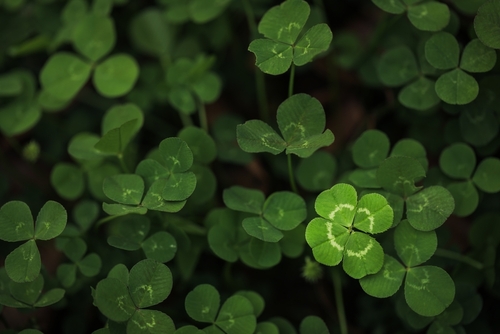
Legend says that St Patrick used the three-leafed shamrock to explain the concept of the Holy Trinity (Father, Son, and Holy Spirit) to the Irish people. Today, it is a national emblem of Ireland and is worn on clothing on 17 March.
Planning for 17 March 2026
St Patrick’s Day 2026 promises to be a day of connection and culture. For those in Northern Ireland, the bank holiday offers a chance to rest and celebrate with family. For everyone else in the UK, the Tuesday festivities provide a wonderful opportunity to enjoy Irish music, food, and community spirit after the work day is done.
Whether you plan to attend a parade in London, cook a traditional meal at home, or simply wear a bit of green to the office, participating in the day is a great way to honour a rich cultural history. Mark the date in your calendar and get ready to enjoy the warm atmosphere that defines this special day.