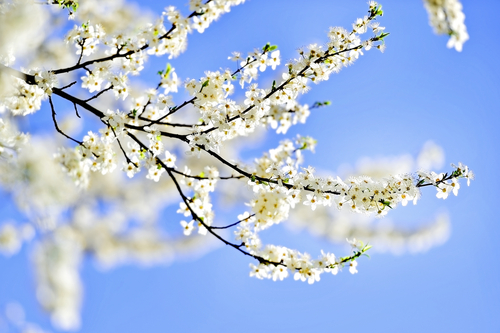

The days are stretching out, the air feels a little lighter, and the first buds of colour are returning to the gardens. After the long, dark stretch of winter, the promise of spring offers a sense of relief and excitement. It is a time for new beginnings.
For many, the official start of this season is marked by the Spring Equinox. Also known as the Vernal Equinox, this event is not just a date on the calendar. It is a significant astronomical moment that has been celebrated for thousands of years. It represents balance, as day and night become equal in length, and it signals the return of life to the northern hemisphere.
In 2026, this shift happens in late March. Whether you are interested in the science behind the season, the ancient traditions observed across the UK, or simply want to know when you can expect lighter evenings, this guide covers it all. Here is what you need to know about the Spring Equinox 2026.
What is the Spring Equinox?
The term “equinox” comes from the Latin words aequus (equal) and nox (night). It describes the moment when the sun sits directly above the Earth’s equator.
During this specific time, the tilt of the Earth is neither pointing away from nor towards the sun. The result is that everywhere on the planet experiences roughly the same amount of daylight and darkness—about 12 hours of each.
There are two equinoxes every year:
- Vernal (Spring) Equinox: Marks the beginning of astronomical spring.
- Autumnal Equinox: Marks the beginning of astronomical autumn.
In the northern hemisphere, the Spring Equinox is the turning point where darkness begins to recede. From this day forward, the Earth’s northern axis tilts more towards the sun, giving us longer days, shorter nights, and warmer temperatures. It is the celestial signal that winter is finally behind us.
When is the Spring Equinox 2026?
In 2026, the Spring Equinox falls on Friday, 20 March.
While the date is usually 20 or 21 March, the exact timing shifts slightly each year. This is because our calendar year (365 days) does not match up perfectly with the time it takes the Earth to orbit the sun (roughly 365.24 days).
On this date, you can expect the sun to rise due east and set due west. It is a perfect moment of cosmic alignment before the days start to lengthen significantly leading up to the Summer Solstice in June.
Cultural and Pagan Significance in the UK
The UK has a rich history of celebrating the changing seasons. For centuries, our ancestors lived by the cycles of the sun and the moon. The return of spring was critical for survival, marking the time when the land became fertile again and food became more abundant.
The Festival of Ostara
In pagan and Druidic traditions, the Spring Equinox is known as Ostara. It is named after Eostre, an ancient Germanic goddess of spring and dawn. If that name sounds familiar, it is likely because it is the linguistic root of the word “Easter”.
Ostara is a celebration of fertility, rebirth, and renewal. Historically, it was a time to give thanks for the surviving the harsh winter and to bless the seeds that were about to be planted.
Modern Celebrations at Stonehenge
Even today, these ancient traditions are very much alive. One of the most famous gatherings takes place at Stonehenge in Wiltshire.
Every year on the equinox, crowds of druids, pagans, and tourists gather at the ancient stone circle. They arrive early in the morning to watch the sun rise above the stones, welcoming the return of the light. It is a peaceful, communal experience that connects modern people with the rituals of the deep past.
Symbols of the Season
Many symbols we associate with this time of year have pagan roots tied to the equinox:
- Eggs: Representing new potential and the start of life.
- Hares and Rabbits: Symbols of fertility and abundance due to their rapid breeding.
- Flowers: Early blooms like daffodils and snowdrops represent nature waking up.
The Symbolism of Balance and Renewal
Beyond the history and the science, the Spring Equinox holds a powerful symbolic meaning. It is one of only two days in the year when the world is in perfect balance between light and dark.
This concept of balance can be a helpful reminder for us, too. The transition into spring is an excellent time to check in with yourself. Just as the Earth balances its day and night, we can look for equilibrium in our own lives.
- Work and Rest: Are you balancing your productivity with enough downtime?
- Old and New: Spring is traditionally a time for “spring cleaning”. This does not just mean dusting your home. It can also mean clearing out old habits or thoughts that no longer serve you, making space for new ideas.
The energy of spring is forward-moving. It is about growth, energy, and optimism. If you have been feeling stagnant during the grey winter months, the equinox is your permission to start fresh.
Meteorological vs. Astronomical Spring
You might hear conflicting information about when spring actually starts. This is usually due to the difference between the meteorological and astronomical calendars.
Astronomical Spring
This is based on the position of the Earth in relation to the sun. It begins on the equinox (20 March 2026) and ends on the Summer Solstice in June. This is the definition used by astronomers and often by those following traditional or spiritual calendars.
Meteorological Spring
This is based on the annual temperature cycle and is used by meteorologists to keep statistical records consistent. By this definition, spring always begins on 1 March and ends on 31 May.
Neither is “wrong”—they simply serve different purposes. However, if you are looking for the moment the days truly start to dominate the nights, the astronomical equinox is the date to mark.
Simple Ways to Connect with the Season
You do not need to visit a stone circle to acknowledge the arrival of spring. There are simple, accessible ways to mark the occasion in your own life.
Get Outside
The simplest way to connect with the season is to step into it. Go for a walk in a local park or woodland. Look for the signs of change—the buds on the trees, the sound of birdsong, or the early spring flowers. Grounding yourself in nature can lower stress and boost your mood.
Plant Something
Since this season is about fertility and growth, planting seeds is a perfect activity. It could be wildflowers in the garden or herbs on a windowsill. Watching something grow from a seed is a tangible reminder of the season’s energy.
Clear Your Space
Embrace the tradition of spring cleaning. Open the windows to let the fresh air in. Tidy up a cluttered drawer or organize your wardrobe. Clearing your physical space often helps clear your mind, leaving you feeling lighter and more prepared for the months ahead.
Frequently Asked Questions
Is the Spring Equinox always on the same day?
Not exactly. It usually falls on 20 or 21 March. The date shifts because the Earth’s orbit around the sun takes roughly 365.25 days, which does not align perfectly with our Gregorian calendar. Leap years help correct this drift.
What is the difference between the equinox and the solstice?
An equinox results in day and night being of roughly equal length. A solstice marks the extremes. The Summer Solstice is the longest day of the year, while the Winter Solstice is the shortest day.
Is day and night exactly equal on the equinox?
Technically, there is slightly more daylight than darkness on the equinox. This is due to atmospheric refraction, which bends sunlight so we see the sun before it physically rises and after it sets. However, for general purposes, we consider them equal.
Why is it called the Vernal Equinox?
“Vernal” comes from the Latin word ver, meaning spring. It is simply the scientific name for the Spring Equinox in the northern hemisphere.
Embrace the Lighter Days
The Spring Equinox 2026 is a welcome milestone. It confirms that the warmth is returning and the dark days are behind us. Whether you view it as a spiritual moment of balance, a scientific curiosity, or just a sign that summer is on its way, it is a positive shift.
Take a moment on 20 March to appreciate the change. Enjoy the extra daylight, notice the life returning to the world around you, and look forward to the brighter days ahead.