
Easter is a significant time of year for many people in the UK. The dates change every year, which can make planning difficult. Knowing exactly when each day of Holy Week falls helps you prepare for church services, family gatherings, and time off work.
Maundy Thursday is a quiet but deeply meaningful day in the religious calendar. It links ancient Christian traditions with enduring royal ceremonies. Whether you are a practising Christian or simply want to understand UK cultural traditions, this guide will explain everything you need to know.
We will cover the exact date for 2026, the history behind the day, and how people across the country observe it. You will find simple answers to help you understand and plan for this important day.
When Is Maundy Thursday in 2026?
Maundy Thursday falls on Thursday, 2 April 2026.
It takes place during Holy Week, which is the final week of Lent. It always happens exactly one day before Good Friday and three days before Easter Sunday.
What Is Maundy Thursday?
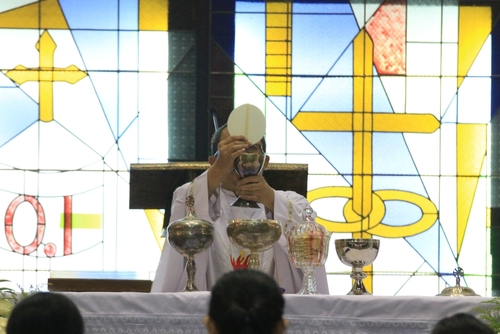
Maundy Thursday commemorates the Last Supper of Jesus Christ with his disciples. It is a deeply reflective day that marks several key moments in Christian tradition.
These important events include:
- The institution of the Eucharist (Holy Communion).
- Jesus washing his disciples’ feet as an act of humility and service.
- The beginning of the events leading directly to Good Friday.
The word “Maundy” comes from the Latin word mandatum. This translates to “commandment” in English. It refers to the specific instruction Jesus gave his disciples during the Last Supper: “Love one another as I have loved you.”

Why It Matters in the UK
In Britain, Maundy Thursday carries both religious and royal significance. It is a day marked by unique traditions that you will not find anywhere else.
Royal Maundy Service
The Royal Maundy Service is a historic event. The monarch visits a selected UK cathedral to distribute special coins, known as Maundy money, to local pensioners.
This tradition dates back to at least the 13th century. The number of men and women who receive the coins matches the monarch’s exact age. It is a way for the Crown to recognise people who have provided excellent service to their local churches and communities.
Church Observances
Across the UK, many churches hold special services to mark the occasion. These services often include:
- Evening Communion services to remember the Last Supper.
- Foot-washing ceremonies, practised in some denominations to honour Jesus’ act of humility.
- The “stripping of the altar”. This involves removing all decorations and cloths from the altar, symbolising Jesus’ abandonment before his crucifixion.
Is Maundy Thursday a Bank Holiday?
No. Maundy Thursday is not a UK bank holiday.
Offices, schools, and businesses remain open as usual. However, many people choose to take time off or finish work early to attend evening services ahead of the Good Friday bank holiday.
How It Fits Into Holy Week
Holy Week traces the final days of Jesus’ life. Maundy Thursday is a crucial part of this timeline. Here is how the week unfolds:
- Palm Sunday: Marks the start of Holy Week and Jesus’ entry into Jerusalem.
- Maundy Thursday: Commemorates the Last Supper and the washing of the disciples’ feet.
- Good Friday: A solemn day remembering the Crucifixion.
- Easter Sunday: A joyful celebration of the Resurrection.
How People Observe It Today
In modern Britain, observance of Maundy Thursday varies.
Practising Christians often attend special church services or late-night vigils. Cathedrals hold more formal, widely attended services that feature beautiful choral music and traditional liturgy.
Other people simply recognise it as an important part of the Easter story and the wider cultural calendar. It is a time for quiet reflection before the long Easter weekend begins.
Simple Ways to Mark Maundy Thursday
You do not need to attend a formal service to observe the day. Even at home, many people choose to mark the occasion in personal ways.
You can:
- Reflect on the themes of service, kindness, and humility.
- Share a simple meal with your family or loved ones.
- Read passages from the Gospels, such as John 13, which describes the Last Supper.
Frequently Asked Questions (FAQ)
What is the date of Maundy Thursday in 2026?
Maundy Thursday is on 2 April 2026.
Are shops and businesses open on Maundy Thursday?
Yes. Because it is not a bank holiday, standard opening hours apply to shops, banks, and businesses across the UK.
Can anyone attend a Royal Maundy Service?
The Royal Maundy Service is a private event for the selected recipients and their guests. However, local people often gather outside the chosen cathedral to see the monarch arrive.
A Meaningful Day of Reflection
Maundy Thursday 2026 offers a moment of calm before the busy Easter weekend. It is a day that links ancient Christian teachings of love and humility with enduring UK traditions. Whether you attend an evening service, read about the Last Supper, or simply spend time with family, 2 April 2026 is an excellent opportunity to reflect on the importance of serving others.