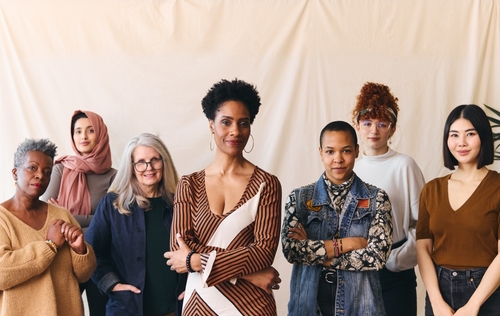

Every year, millions of people around the world come together to celebrate the social, economic, cultural, and political achievements of women. It is a day of unity, celebration, and advocacy. While progress has been made, International Women’s Day (IWD) also serves as a reminder of the work still needed to achieve true gender equality.
On 8 March 2026, the global community will once again mark this significant occasion. Whether you are looking to attend an event, educate yourself on the history of the movement, or simply support the women in your life, understanding the day’s importance is the first step.
This guide covers what International Women’s Day represents globally, how it is typically observed across the United Kingdom, and the key themes that drive the conversation forward.
What International Women’s Day Represents Globally
International Women’s Day is not owned by any one country, group, or organisation. It is a collective global moment. Since its first gathering in 1911, supported by over a million people, IWD has belonged to all groups collectively everywhere.
A Day of Recognition and Action
At its core, IWD is about two things: celebration and action. Globally, it provides a platform to celebrate women’s achievements in spheres where they were historically excluded, such as science, politics, and business. It highlights success stories and creates role models for the next generation.
However, celebration is only half the story. The day is also a call to action. It raises awareness about continued inequality. From the gender pay gap to violence against women and unequal access to education, IWD shines a light on global disparities. It encourages governments, businesses, and individuals to commit to positive change.
The Role of the United Nations
The United Nations (UN) began celebrating International Women’s Day in 1975, which was designated as International Women’s Year. Since then, the UN has been the primary sponsor of the event, often setting an annual campaigning theme that directs the focus of events worldwide. These themes help unify the global conversation, ensuring that while celebrations may look different from country to country, the underlying message of rights and equality remains consistent.
How International Women’s Day is Marked in the UK
In the United Kingdom, International Women’s Day has grown significantly in visibility over the last decade. While it is not a public bank holiday, it is widely recognised across society, from government institutions to local community groups.
Events and Marches
Major cities like London, Manchester, Edinburgh, and Belfast typically host rallies and marches. These are often organised by grassroots movements and charities advocating for women’s rights. For example, the “March4Women” in London is a regular fixture, drawing thousands of attendees to advocate for gender justice.
Beyond protests, you will find a wealth of cultural events. Museums, galleries, and libraries often curate special exhibitions highlighting the contributions of British women throughout history. Panel discussions, networking breakfasts, and film screenings are common in local communities, providing spaces for education and connection.
Corporate and Workplace Involvement
British businesses play a large role in IWD observations. Many companies use the day to review their internal policies regarding diversity and inclusion. It is common for workplaces to host internal events, such as guest speakers or workshops focused on leadership and career development for women.
This corporate involvement helps keep gender equality on the business agenda. It encourages transparency regarding the gender pay gap and pushes for better representation of women in boardrooms and senior leadership positions.
Charitable Support
The UK has a strong tradition of charitable giving, and IWD is a key date for fundraising. Many people choose this day to donate to charities that support women and girls. Organisations like Women’s Aid, The Fawcett Society, and Refuge see increased engagement during March. Fundraising events, from bake sales to sponsored runs, are a popular way for communities to show tangible support.
Typical Themes and Discussions
While specific campaign themes change annually, certain core topics remain central to the conversation in the UK and globally.
Equity vs. Equality
A major discussion point in recent years has been the difference between equity and equality. While equality means giving everyone the same resources or opportunities, equity recognises that each person has different circumstances. It involves allocating the exact resources and opportunities needed to reach an equal outcome.
Discussions on IWD often focus on how we can move beyond simply opening doors, to ensuring that women have the support they need to walk through them. This includes affordable childcare, safe transport, and unbiased healthcare.
Breaking the Bias
Unconscious bias remains a significant barrier for women. Whether in hiring practices, media representation, or daily social interactions, stereotypes can limit women’s potential. IWD encourages individuals to examine their own biases and challenge them when they see them in others. This theme often involves educational campaigns in schools and workplaces to dismantle harmful stereotypes from a young age.
Innovation and Technology
As the digital world expands, so does the need for inclusive technology. A growing theme is the digital gender gap. Discussions focus on how to encourage more women and girls to enter STEM (Science, Technology, Engineering, and Mathematics) fields. Ensuring that women are involved in creating the technology of the future is vital to prevent gender bias from being hardwired into new systems like Artificial Intelligence.
Frequently Asked Questions
When is International Women’s Day 2026?
International Women’s Day takes place on Sunday, 8 March 2026. Because it falls on a weekend, you may see workplace events and school activities taking place on the preceding Friday or the following Monday.
Is International Women’s Day a bank holiday in the UK?
No, International Women’s Day is not a public bank holiday in the United Kingdom. Businesses, schools, and government services remain open as usual. However, many organisations choose to mark the day with special events or flexible working arrangements to allow staff to attend celebrations.
Is there a specific colour for International Women’s Day?
Yes, purple is the primary colour associated with International Women’s Day. It signifies justice and dignity. Green and white are also used; green symbolises hope, while white represents purity (though this is a controversial concept, the colour remains linked to the historical suffragette movement). The combination of purple, green, and white originated from the Women’s Social and Political Union in the UK in 1908.
How can men support International Women’s Day?
Support from men is crucial for achieving gender equality. Men can participate by educating themselves on the issues women face, calling out inequality when they see it, and supporting the women in their personal and professional lives. Attending IWD events and listening to women’s experiences is a great way to start.
Supporting the Movement
International Women’s Day 2026 is an opportunity to reflect on how far we have come and the journey that lies ahead. Whether you attend a local march, donate to a women’s charity, or simply have a conversation about equality with a friend, every action counts.
The path to a more gender-equal world is a collective effort. By staying informed and engaged, we can all contribute to a society where women’s rights are respected and celebrated every day of the year.