
Holy Saturday offers a profound moment of pause during the Easter weekend. Sitting quietly between the sorrow of Good Friday and the joyful celebrations of Easter Sunday, it is a day of waiting and reflection. If you are planning your calendar or simply want to understand the meaning behind this day, we are here to help.
This guide explains everything you need to know about Holy Saturday in the UK for 2026. We will cover the exact dates, the historical meaning of the day, and how people across the country observe it. By the end of this article, you will have a clear understanding of this important day in the Christian calendar.
When Is Holy Saturday in 2026?
In 2026, Holy Saturday falls on Saturday, 4 April.
It marks the final day of Holy Week. It comes directly after Good Friday (3 April) and immediately before Easter Sunday (5 April). Because the date of Easter changes every year based on the lunar calendar, the date of Holy Saturday shifts with it.
What Is Holy Saturday?
Holy Saturday commemorates the time when Jesus Christ lay in the tomb following his crucifixion. For Christians, it is a day of quiet reflection, waiting, and anticipation before celebrating the resurrection on Easter Sunday.
Unlike other days during Holy Week, Holy Saturday is notably subdued. Churches often hold fewer daytime services, allowing individuals the time and space to reflect privately.
Why Holy Saturday Matters
This day holds deep spiritual significance. It is a vital part of the Easter story. Holy Saturday represents:
- A period of mourning and silence: It honours the grief felt by the followers of Jesus after his death.
- The pause between death and resurrection: It serves as a bridge between the darkness of Friday and the light of Sunday.
- A transition from sorrow to hope: It is a time of quiet expectation.
In Christian theology, this day is also sometimes associated with the “Harrowing of Hell”. This is the belief that Christ descended to the realm of the dead before his resurrection.
How It’s Observed in the UK
Observances on Holy Saturday change dramatically from the morning to the evening. Here is what you can typically expect.
Daytime: Quiet Reflection
During the day, most churches remain simple and undecorated. Altars are often stripped bare following services on Good Friday. Few formal services take place, and many people use this quiet time to pray or reflect privately.
Evening: The Easter Vigil
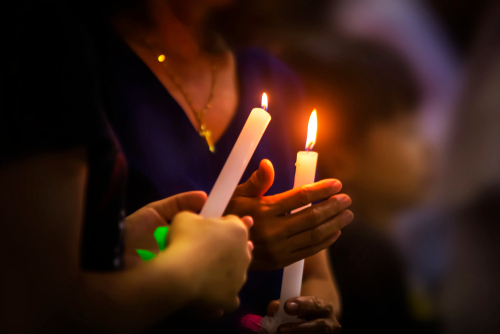
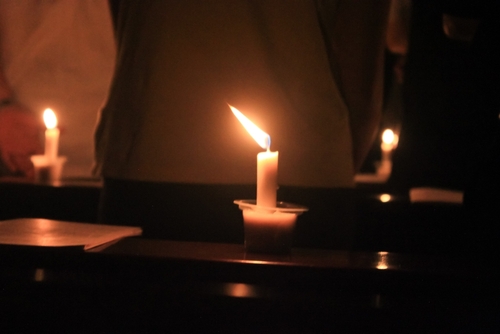
The most significant observance of Holy Saturday happens after sunset. This is known as the Easter Vigil. It is the first official celebration of Easter.
This evening service often includes:
- The lighting of the Paschal (Easter) candle from a new fire.
- Readings that recount biblical history.
- The renewal of baptismal promises by the congregation.
Cathedrals and larger churches across the UK often host beautiful and highly atmospheric vigils. These services safely guide worshippers from the darkness of the tomb into the light of the resurrection.
Is Holy Saturday a Bank Holiday in the UK?
No, Holy Saturday is not a bank holiday.
However, it falls directly in the middle of the four-day Easter weekend. Because Good Friday and Easter Monday are public bank holidays in most of the UK, many people are already off work and enjoying a long weekend with their families.
Holy Saturday in the Context of Easter Weekend
To fully understand Holy Saturday, it helps to see how it fits into the broader Easter timeline:
- Good Friday: Commemorates the crucifixion and death of Jesus.
- Holy Saturday: A day of waiting, silence, and reflection in the tomb.
- Easter Sunday: Celebrates the resurrection and new life.
How People Mark Holy Saturday Today
In modern Britain, people mark the day in a variety of ways.
Practising Christians often spend the evening attending the Easter Vigil at their local church. Others use the daytime hours to prepare for Easter Sunday celebrations, such as cooking, decorating, or organising Easter egg hunts for children. Overall, it remains a much quieter day compared to the festivities that follow on Sunday.
Simple Ways to Observe Holy Saturday
If you want to observe Holy Saturday meaningfully, here are a few simple ways to do so:
- Spend some time in quiet reflection or private prayer.
- Read the Gospel accounts of the burial of Jesus to understand the history.
- Prepare your home and heart for Easter Sunday with your family or community.
Frequently Asked Questions (FAQ)
Is Holy Saturday the same as Easter Saturday?
Many people use the terms interchangeably, but they are technically different. In the traditional Christian calendar, Holy Saturday is the day before Easter Sunday. “Easter Saturday” is actually the Saturday after Easter Sunday.
Do shops open on Holy Saturday in the UK?
Yes. Unlike Easter Sunday, when large supermarkets and retail stores are legally required to close in England and Wales, standard Saturday trading hours usually apply on Holy Saturday.
Can you eat meat on Holy Saturday?
Fasting and abstinence rules vary between Christian denominations. Many Catholics abstain from meat on Good Friday, and some choose to continue this fast through Holy Saturday until the Easter Vigil begins. However, there is no strict universal rule against eating meat on this day.
Looking Ahead to Easter
Holy Saturday is a beautiful, quiet pause in a busy world. As you prepare for 4 April 2026, remember that this day is all about transition. Whether you attend an evening Easter Vigil or simply enjoy a quiet day of preparation at home, it provides a reassuring moment of calm before the joyous celebrations of Easter Sunday begin.