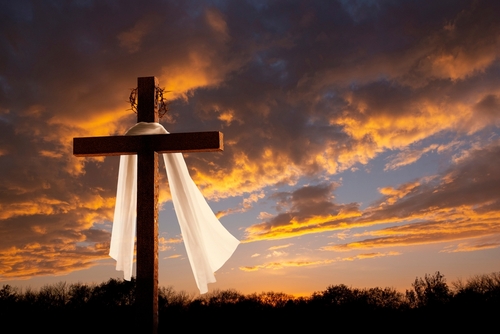

Good Friday is a cornerstone of the Christian calendar and a widely observed public holiday across the United Kingdom. In 2026, this important day falls on Friday, 10 April. It marks a moment of reflection and begins the long Easter weekend for millions of people.
Understanding the history and meaning behind Good Friday can help you appreciate its significance, whether you observe it for religious reasons or simply value the time spent with family. Knowing the traditions and public holiday schedules also helps you plan your time off with confidence.
This guide covers everything you need to know about Good Friday 2026. We will explain the religious meaning of the day, explore popular UK traditions, and share practical planning considerations for the bank holiday weekend.
When Is Good Friday in 2026?
Good Friday 2026 Date
In 2026, Good Friday falls on Friday, 10 April. It always occurs during Holy Week, exactly two days before Easter Sunday.
Why the Date Changes Every Year
You might wonder why the date changes from year to year. Easter is based on the lunar calendar rather than the standard Gregorian calendar most of us use daily. Good Friday moves each year because it is strictly tied to the date of Easter Sunday. Easter Sunday is celebrated on the first Sunday following the first full moon after the spring equinox. Because the lunar cycle shifts, the dates for Holy Week naturally shift with it.
What Does Good Friday Commemorate?
The Religious Meaning of Good Friday
For Christians around the world, Good Friday commemorates the crucifixion of Jesus Christ. It is a highly significant day in the Christian faith. It marks a solemn day of mourning, reflection, and deep prayer. Believers use this time to remember the sacrifices described in the biblical accounts of Holy Week.
Why It Is Called “Good” Friday
The name might seem unusual for a day of mourning. However, in this context, the word “Good” historically meant “holy” or “pious”. Furthermore, Christians believe that the crucifixion of Jesus Christ represents the ultimate sacrifice for the forgiveness of sins. This act of sacrifice brings redemption and hope, which is why the day is revered as deeply good and meaningful.
How Good Friday Is Observed in the UK
Church Services and Worship
Many churches across the UK hold special services on Good Friday. These gatherings feature scripture readings, traditional hymns, prayers, and moments of quiet reflection. It is common for some churches to hold a three-hour service between midday and 3 pm, representing the hours Jesus spent on the cross.
A Solemn Tone Across the Day
The atmosphere on Good Friday is noticeably more reflective than celebratory. The music and liturgy in church services reflect this quiet reverence. This creates a powerful contrast with the bright, joyful celebration that follows on Easter Sunday.
Local Traditions and Community Observances
Communities across the UK mark the day in varied ways. Many towns and cities host “walks of witness”, where congregations walk together through the streets following a wooden cross. You may also see passion plays and historical reenactments. These community gatherings tie the events of Holy Week directly to modern public life, allowing people to observe their faith openly and safely.

Good Friday Traditions in the UK
Eating Hot Cross Buns
Eating hot cross buns is one of the best-known and most loved Good Friday traditions in the UK. These sweet, spiced buns are filled with raisins or currants and marked with a pastry cross on top. The cross symbolises the crucifixion, while the spices represent those used to prepare Jesus for burial. They remain incredibly popular in homes, schools, and shops across the country.
Fasting or Avoiding Certain Foods
Some Christians choose to fast on Good Friday. Others abstain from eating meat as a sign of respect and sacrifice. Fish is historically the meal of choice on this day, leading to the popular UK tradition of enjoying fish and chips on a Friday. These dietary traditions vary widely by denomination and individual household.
Quiet Family Time Over the Easter Weekend
For many people, Good Friday is the start of a long weekend. Households often use this time to gather with relatives, enjoy quiet family meals, and relax. It offers a reassuring pause from the normal working week and gives families a chance to reconnect.
Is Good Friday a Public Holiday in the UK?
Good Friday as a UK Public Holiday
Yes, Good Friday is widely recognised as a public bank holiday across the UK. It forms the first part of the four-day Easter bank holiday weekend.
What May Be Closed or Have Reduced Hours
Because it is a bank holiday, you will find changes to regular services. Banks and government offices are generally closed. Many local businesses, post offices, and independent shops will either close or operate with reduced Sunday hours. Public transport networks, including trains and buses, often run to altered timetables.
What This Means for Travel and Planning
Planning ahead provides peace of mind. Expect busier roads and rail services as people travel to visit loved ones. Always check opening hours for supermarkets and local services in advance. Keep in mind that bank holidays can cause slight delays for bank transfers and postal services, so manage any urgent payments early to avoid unnecessary stress.

How Good Friday Fits Into the Easter Weekend
Good Friday, Holy Saturday, Easter Sunday, and Easter Monday
Good Friday is the solemn beginning of the Easter weekend. It is followed by Holy Saturday, a day of waiting and preparation. Then comes Easter Sunday, a joyful celebration of the resurrection. Finally, Easter Monday provides a concluding public holiday to relax and spend time with family. This progression takes observers on a clear journey from mourning to celebration.
Why Good Friday Matters in the Easter Story
You cannot fully understand the joy of Easter Sunday without the context of Good Friday. It sets the foundation for the entire Easter story. The events remembered on this day are the crucial, central focus of Holy Week observances.
Ways to Observe Good Friday Respectfully
Attend a Church Service
If you observe the day religiously, attending a local church service is a highly meaningful way to participate. Visitors are always welcome. If you are visiting a church for the first time on Good Friday, simply be respectful of the solemn, quiet tone of the service.
Take Time for Quiet Reflection
You do not need to attend a public service to observe the day. Many people take a moment to reflect, pray, or simply slow down at home. Good Friday can easily be observed privately, giving you the space you need to pause and find peace.
Learn About the Meaning Behind the Day
If you are new to Christian traditions or simply curious, take time to read about the history of Holy Week. Understanding the deep meaning behind the day encourages respect and broadens your perspective, helping you see it as more than just a scheduled day off work.
Frequently Asked Questions (FAQs)
When is Good Friday in 2026?
Good Friday falls on Friday, 10 April 2026.
Is Good Friday a bank holiday in the UK?
Yes, it is widely observed as a public bank holiday across England, Wales, Scotland, and Northern Ireland.
Do shops close on Good Friday?
Some shops do close entirely. Large supermarkets and retail chains usually remain open but may operate with reduced Sunday trading hours. It is always best to check your local store’s hours before travelling.
Why do people eat hot cross buns on Good Friday?
Hot cross buns are a traditional food associated with the day. The pastry cross on top symbolises the crucifixion of Jesus, while the spices inside represent the spices used in his burial.
Is Good Friday always before Easter Sunday?
Yes, Good Friday is always observed exactly two days before Easter Sunday, during Holy Week.
Key Takeaways
- Good Friday in 2026 falls on 10 April.
- It commemorates the crucifixion of Jesus Christ, representing sacrifice and redemption.
- In the UK, it is both a deeply significant religious observance and a national public bank holiday.
- Common traditions include attending church services, quiet reflection, and eating hot cross buns.
- It marks the solemn beginning of the long Easter weekend before the bright celebrations of Easter Sunday.