

Easter Sunday is a significant time for families, friends, and communities across the UK. In 2026, this important day falls on Sunday, 5 April. It marks a moment of transition, bringing the arrival of spring and a chance to pause and reconnect with loved ones.
Whether you observe the deeply rooted religious meaning or simply enjoy the long weekend with your family, planning ahead makes the holiday more enjoyable. Knowing the exact dates and local traditions helps you organise family gatherings, manage school holidays, and arrange community events without any stress.
This guide explains everything you need to know about Easter Sunday in 2026. We will cover the origins of the day, the UK bank holiday rules, and the most popular ways to celebrate so you can plan your weekend with confidence.
When Is Easter Sunday in 2026?
Easter Sunday falls on Sunday, 5 April 2026. It marks the culmination of Holy Week and stands out as the most important day in the Christian calendar. Because the date changes every year based on the lunar cycle, it is helpful to mark your calendar early.
What Is Easter Sunday?
Easter Sunday celebrates the resurrection of Jesus Christ from the dead. This event occurred three days after his crucifixion, which is remembered on Good Friday.
For many, the day represents:
- New life and renewal
- Hope and redemption
- The foundation of Christian belief
Why Easter Sunday Matters
For Christians, Easter serves as the cornerstone of faith. It signifies the victory over death, the fulfilment of biblical prophecy, and the promise of eternal life. The messages of hope and renewal resonate deeply within the church community.
In the UK, the day is also widely recognised as a cultural and seasonal celebration. Even among non-religious communities, the holiday provides a meaningful opportunity to welcome the warmer spring weather and spend quality time with family.
How Easter Sunday Is Celebrated in the UK
People across the UK celebrate Easter in a variety of ways. From quiet religious observances to lively public gatherings, the weekend is filled with distinct traditions.
Church Services
Many people begin their day with a visit to their local church. Some communities host early sunrise services to watch the dawn break. Later in the morning, festive worship services take place, featuring joyful music and churches decorated with bright lilies and spring blooms.
Family Traditions
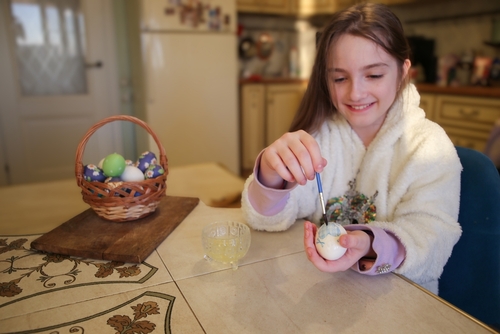
At home, the focus shifts to children and family meals. Parents organise Easter egg hunts in the garden, and family members enjoy giving and receiving chocolate eggs. Later in the day, families gather for a special meal, which often features roast lamb and other seasonal dishes.
Community Events
Neighbourhoods come alive during the Easter weekend. You will find local egg hunts, spring fairs, and charity events taking place in towns and villages. Schools also break for the holidays, bringing a wide range of activities for children and parents to enjoy together.
Is Easter Sunday a Bank Holiday in the UK?
Easter Sunday itself is not an official bank holiday in England, Wales, or Northern Ireland. However, many businesses and large retail shops are legally required to close or operate on significantly reduced hours.
Scotland treats Easter Sunday slightly differently. There are fewer widespread retail closures, and local trading laws determine which businesses remain open.
How Easter Sunday Fits Into the Weekend
Understanding the flow of the long weekend makes it easier to organise your time. Here is the schedule for 2026:
- Good Friday (3 April): A public bank holiday across the UK.
- Holy Saturday (4 April): A day of preparation and regular weekend trading.
- Easter Sunday (5 April): The main day of celebration, with large shops closed in England and Wales.
- Easter Monday (6 April): A bank holiday in England, Wales, and Northern Ireland (but not nationwide in Scotland).
Religious vs Modern Celebrations
In modern Britain, you will see a blend of traditional and contemporary celebrations. Many people faithfully attend church services to celebrate the resurrection. Others focus entirely on secular traditions, prioritising family meals, chocolate eggs, and outdoor walks.
Retail and tourism also play a growing role. The long bank holiday weekend gives people a chance to travel, book short holidays, or tackle home improvement projects.

Simple Ways to Celebrate Easter Sunday
You do not need complicated plans to enjoy the holiday. Here are a few simple ways to mark the occasion:
- Attend a local church service to experience the traditional meaning of the day.
- Organise an Easter egg hunt for the children in your family or neighbourhood.
- Share a comforting meal with family or friends.
- Spend time outdoors enjoying the arrival of spring flowers and warmer weather.
Frequently Asked Questions About Easter 2026
When is Easter Sunday in 2026?
Easter Sunday is on 5 April 2026.
Are shops open on Easter Sunday in the UK?
In England and Wales, large supermarkets and retail stores must close by law on Easter Sunday. Small convenience stores and pharmacies usually remain open. In Scotland, large shops are allowed to open.
Is Easter Monday a bank holiday everywhere in the UK?
Easter Monday is a bank holiday in England, Wales, and Northern Ireland. In Scotland, it is not a nationwide bank holiday, though some local councils observe it.
Planning Your Easter 2026 Weekend
Easter Sunday 2026 brings an excellent opportunity to pause, reflect, and celebrate. Taking place on 5 April, it remains an essential religious milestone while also serving as a cherished cultural event.
By understanding the bank holiday schedule and local traditions, you can arrange a weekend that works perfectly for you and your family. Whether you attend a sunrise service, share chocolate eggs, or simply enjoy a quiet day at home, planning ahead ensures a smooth and joyful holiday.