
On Monday, 9 March 2026, people across the globe will mark Commonwealth Day. It is an occasion that brings together 2.5 billion people from distinct cultures, backgrounds, and faiths to celebrate their shared connections.
For many, the Commonwealth can seem like a concept from history books rather than a modern reality. However, this voluntary association of 56 independent countries remains a significant platform for international cooperation. From the smallest island nations in the Pacific to vast countries in Africa and Asia, the member states work together towards common goals like development, democracy, and peace.
This guide provides a clear overview of what Commonwealth Day represents, why it falls on this specific date, and how it is recognised in the United Kingdom. Whether you are a student, a teacher, or simply curious about global traditions, understanding this day offers a window into how nations can support one another.
What is the Commonwealth?
The Commonwealth is often described as a ‘family of nations’. It is not a political union, and the member countries are free and equal. The organisation spans six continents and includes some of the world’s largest, smallest, richest, and poorest countries.
A Voluntary Association
Membership is entirely voluntary. While the organisation has roots in the British Empire, today’s Commonwealth is built on free association. Any member can withdraw at any time, and countries without historical ties to Britain, such as Gabon and Togo, have chosen to join in recent years. This demonstrates the modern appeal of the organisation as a support network rather than a historical relic.
Shared Values and the Charter
What holds these diverse nations together? They are united by the Commonwealth Charter. This document sets out the core values that all member states agree to uphold. These include:
- Democracy: Promoting free and fair elections.
- Human Rights: Respecting the dignity and rights of all individuals.
- Peace and Security: Working together to resolve conflicts.
- Tolerance and Understanding: Respecting different religions and cultures.
- Protection of the Environment: Addressing climate change and sustainable development.
These values are central to the organisation’s work. The Commonwealth Secretariat, based in London, helps member countries implement these goals through various programmes and initiatives.
The Head of the Commonwealth
King Charles III is the Head of the Commonwealth. This is a symbolic role that signifies the free association of independent members. It is important to note that this role does not grant any political power over the member nations. While the King is the head of state for 15 member countries (known as Commonwealth Realms), the majority of members are republics with their own heads of state, or have their own monarchies.
Why is it held on 9 March 2026?
Commonwealth Day is an annual celebration observed on the second Monday in March. In 2026, this date falls on the 9th of March.
You might wonder why this specific time of year was chosen. The date was selected because it is a day when schools in the majority of member countries are in session. This allows the values of the Commonwealth to be taught and celebrated in classrooms around the world simultaneously.
Unlike other national days that mark specific historical events or independence dates, Commonwealth Day is designed to be inclusive. It does not commemorate a victory or a political event, but rather the ongoing relationship between the member states.
The Annual Theme
Each year, a specific theme is chosen for Commonwealth Day. This theme helps focus the activities and discussions for the year ahead. Past themes have focused on topics such as ‘Delivering a Common Future’, ‘A Connected Commonwealth’, and sustainable trade.
While the specific theme for 2026 will be announced closer to the date, it will likely reflect the pressing global challenges of the time, such as environmental sustainability, youth empowerment, or digital innovation.
How is Commonwealth Day recognised in the UK?
As the home of the Commonwealth Secretariat, the United Kingdom hosts several significant events to mark the occasion. These celebrations are a mix of formal ceremony and community engagement.
The Service at Westminster Abbey
The focal point of the day in the UK is the Multi-Faith Service held at Westminster Abbey in London. This is the largest annual inter-faith gathering in the United Kingdom and is traditionally attended by the King, members of the Royal Family, foreign dignitaries, and High Commissioners (ambassadors) from all Commonwealth countries.
The service is a colourful and vibrant event. It usually begins with a procession of the flags of all 56 member nations, carried by young people from each country. The service features prayers, readings, and musical performances that reflect the rich cultural diversity of the Commonwealth. It is often broadcast on the BBC, allowing the wider public to witness the celebration.
The King’s Message
On Commonwealth Day, the Head of the Commonwealth releases a special message addressed to the 2.5 billion citizens of the member states. This message is broadcast around the world and usually reflects on the annual theme. It serves as a reminder of the bonds that unite the diverse population of the Commonwealth.
Public Buildings and Flags
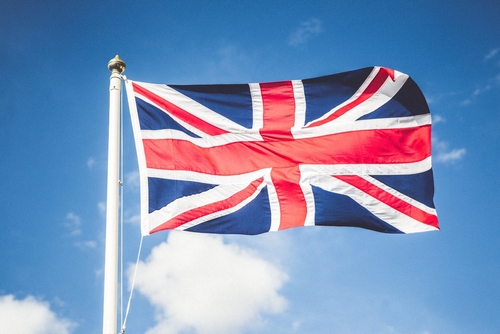
If you walk through London or other major UK cities on 9 March 2026, you will likely notice the Union Flag flying on UK government buildings. The UK government issues instructions for the Union Flag to be flown on public buildings to mark Commonwealth Day.
In Parliament Yard, the flags of all member nations are often displayed, creating a visual representation of the global network.
Celebrations in Schools
Education is a major component of Commonwealth Day. Across the UK, schools use this day to teach students about global citizenship, geography, and different cultures.
- Assemblies: Schools often hold special assemblies where students learn about the history and values of the Commonwealth.
- Debates: The Commonwealth Class initiative encourages students to participate in debates and writing competitions, fostering critical thinking about global issues.
- Cultural Exchange: Some schools organise events where students share food, music, and stories from different Commonwealth countries, celebrating the multicultural nature of modern Britain.
The Role of the Commonwealth Games
While not happening on Commonwealth Day itself, the Commonwealth Games are perhaps the most visible expression of this association. Held every four years, the “Friendly Games” bring together athletes from across the member nations. The spirit of these games—friendship, fair play, and inclusivity—is celebrated on Commonwealth Day as a reminder of what can be achieved when nations come together in a positive environment.
Frequently Asked Questions
Here are answers to some common questions regarding Commonwealth Day and the organisation itself.
Is Commonwealth Day a public holiday in the UK?
No, Commonwealth Day is not a bank holiday or a public holiday in the United Kingdom. Businesses, schools, and government offices remain open as usual. However, it is an officially observed day with flag-flying instructions and ceremonial events.
Is Commonwealth Day celebrated the same way everywhere?
While the second Monday in March is the official date, the way it is celebrated varies by country. Some nations may have public holidays, while others mark it with school assemblies or community gatherings. The message of unity remains consistent, even if the method of celebration differs.
How can I participate in Commonwealth Day?
You do not need to attend a formal service to participate. You can mark the day by learning more about a Commonwealth country you are unfamiliar with, trying a recipe from a different culture, or simply discussing the values of tolerance and cooperation with your family. Many local libraries and community centres also hold events.
Does the Commonwealth have a constitution?
The Commonwealth does not have a formal constitution like a country does. Instead, it relies on the Commonwealth Charter. Adopted in 2012, this single document sets out the sixteen core values and principles of the association, which all leaders have committed to upholding.
Are there requirements to join the Commonwealth?
Yes. To join, a country must accept the fundamental values and principles of the Commonwealth Charter. They must also demonstrate a commitment to democracy, the rule of law, and good governance. Applications are considered by the Heads of Government of existing member states.
A Day for Connection
Commonwealth Day 2026 serves as a moment to pause and reflect on our global connections. In a world that can often feel divided, this observance highlights the power of voluntary cooperation and shared human values.
Whether through a formal service at Westminster Abbey, a lesson in a classroom, or a simple conversation about our global neighbours, the 9th of March offers an opportunity to look outward. It is a reminder that despite our differences in geography, economy, and culture, there is immense value in standing together to support a peaceful and prosperous future for all.