
Our shared history is precious. Protecting the landmarks and cultural sites that tell our global story is an important responsibility. World Heritage Day offers a moment to reflect on these incredible places and celebrate their lasting value.
In this guide, you will learn everything you need to know about World Heritage Day 2026. We will explain when the day takes place and why it holds such significance across the globe. You will also discover how communities in the UK mark the occasion with special events and educational activities.
Everyone can play a part in preserving our collective history. Whether you plan to visit a historic castle, learn more about local conservation efforts, or simply share stories with your family, this day offers a wonderful opportunity to connect with the past. Read on to find out how you can easily participate and support the preservation of our most treasured monuments.
When Is World Heritage Day 2026?
World Heritage Day will be observed on Saturday, 18 April 2026. Because it falls on a weekend, it is an excellent opportunity for families and friends to plan day trips and explore historic locations together.
The event is also officially known as the International Day for Monuments and Sites. It takes place on the exact same date every single year, bringing people together across the globe to appreciate historical landmarks.
What Is World Heritage Day?
World Heritage Day is an annual event that celebrates and raises awareness of historic landmarks and cultural sites. It was originally established by UNESCO (the United Nations Educational, Scientific and Cultural Organization) to promote the protection of our shared human history.
The day focuses heavily on the importance of preserving heritage for future generations. It reminds us that our ancient buildings, natural landscapes, and historical monuments require constant care and attention. Furthermore, it highlights the rich diversity of global cultures, encouraging respect and understanding between different communities.
Why It Matters in the UK
The UK has a deep and fascinating history. It is home to dozens of UNESCO World Heritage Sites that draw millions of visitors each year. Recognising World Heritage Day highlights the importance of protecting these specific places while encouraging people to visit and appreciate them responsibly.
Some of the most famous UNESCO sites located in the UK include:
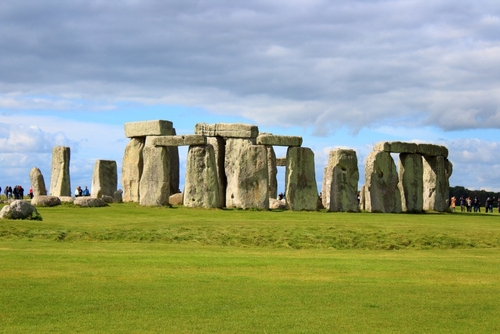
- Stonehenge
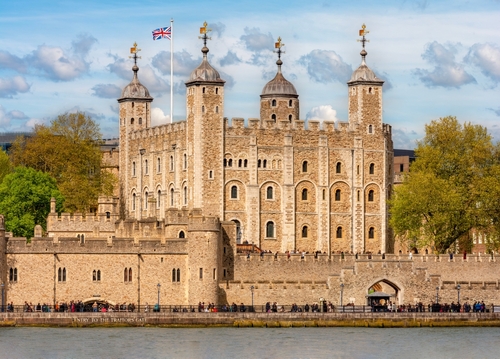
- The Tower of London
- Edinburgh’s Old and New Towns
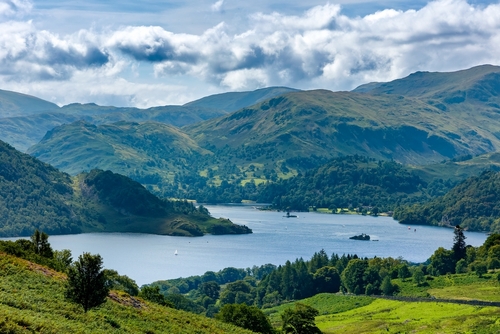
- The Lake District
By celebrating this day, we acknowledge the hard work of the conservationists, volunteers, and charities who keep these sites safe and accessible for everyone.
How It Is Celebrated in the UK
People across the UK celebrate World Heritage Day in a variety of engaging and educational ways.
Visiting Historic Sites
Many people choose to mark the day by stepping outside and exploring their local history. This often involves visiting castles, massive cathedrals, and beautifully preserved historic cities. Museums and archaeological sites also see a boost in visitors. Some locations even host special guided tours, expert talks, or temporary exhibitions specifically for the day.
Educational Activities
Education is a core part of World Heritage Day. Schools and historical organisations frequently run events centred on heritage and conservation. You will also find many online campaigns sharing historical knowledge, rare photographs, and fascinating stories about the monuments we walk past every day.
Community Engagement
Local heritage groups use 18 April to promote nearby, lesser-known landmarks. Many groups organise community volunteering sessions for conservation projects. This is a highly rewarding way to get hands-on experience in protecting the environment and preserving local architecture.

UNESCO World Heritage Sites in Britain
The UK boasts a wide range of sites officially recognised by UNESCO for their cultural and natural importance. Each site is carefully selected because it possesses “Outstanding Universal Value” to humanity.
These locations are generally categorised into three groups:
- Cultural sites: These include incredible human-made structures and historic cities, such as the City of Bath and Durham Cathedral.
- Natural sites: These are areas of exceptional natural beauty or geological importance, such as the Giant’s Causeway in Northern Ireland.
- Mixed heritage landscapes: These are unique locations that feature highly significant cultural and natural elements combined into one environment.
Theme and Global Focus
Each year, World Heritage Day usually highlights a specific theme. This helps direct the global conversation towards pressing issues in the heritage sector.
While the exact theme for 2026 will be announced closer to the date, these themes are often centred on:
- Conservation challenges: Addressing the physical decay of ancient monuments.
- Climate impact on heritage: Understanding how extreme weather affects historic and natural sites.
- Cultural identity and preservation: Ensuring that indigenous histories and local traditions are respected and maintained.
How You Can Take Part
Taking part in World Heritage Day is simple and rewarding. You do not need to travel far to appreciate history. Here are a few straightforward ways you can get involved:
- Visit a local historic site: Spend your Saturday walking around a nearby monument, museum, or historic park.
- Learn about your area’s history: Read a book or watch a documentary about the town or city you live in.
- Support heritage charities: Consider donating to or joining organisations like English Heritage or the National Trust. Your membership fees help fund vital repair work.
- Share knowledge on social media: Post a photo of your favourite historic landmark using relevant hashtags to raise awareness among your friends and family.
How It Fits Into April 2026
April is always a wonderful time to explore the UK, as the weather begins to warm up and spring flowers bloom. In 2026, World Heritage Day fits perfectly into a month packed with notable dates:
- Easter Sunday: 5 April
- National Gardening Day: 14 April
- World Heritage Day: 18 April
- St George’s Day: 23 April
This busy calendar makes April a strong month for culture, history, and outdoor exploration. With World Heritage Day falling just after Easter, it provides a great excuse to keep the holiday momentum going with a family trip.
Key Takeaways
If you only remember a few details about World Heritage Day 2026, keep these points in mind:
- World Heritage Day 2026 takes place on Saturday, 18 April.
- The day celebrates historic and cultural sites worldwide, promoting their protection.
- The UK has many UNESCO-listed locations, ranging from Stonehenge to the Lake District.
- The event encourages preservation, education, and responsible tourism for all.
Frequently Asked Questions
Is World Heritage Day a public holiday in the UK?
No, World Heritage Day is not a bank holiday in the UK. However, in 2026, the event falls on a Saturday. This makes it very easy for most people to take the day off work and visit their favourite historic sites.
Who decides which places become World Heritage Sites?
The UNESCO World Heritage Committee is responsible for making these decisions. Countries submit nominations, and the committee evaluates them based on strict criteria to ensure they hold Outstanding Universal Value.
Can anyone visit these sites on World Heritage Day?
Yes. Most World Heritage Sites in the UK are open to the public. Many of them are managed by organisations like the National Trust or English Heritage, which may require an entry fee, though some natural sites are completely free to explore.
Plan Your World Heritage Day Experience
Exploring our shared heritage is a highly rewarding experience. Knowing more about the places that shaped our world helps us understand who we are today.
Start planning your World Heritage Day 2026 trip now. Look up the historic sites closest to your home, check their opening times, and invite your friends or family to join you. If you want to make a lasting impact, look into volunteering with a local conservation group. Every small action helps ensure these incredible places remain safe and beautiful for the generations to come.