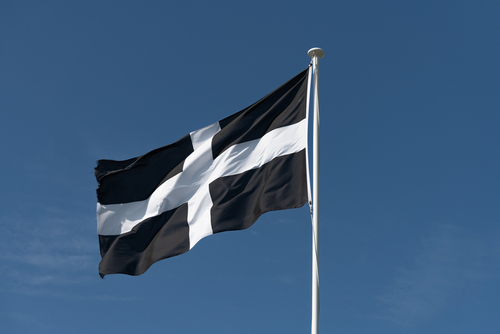

If you find yourself in Cornwall on the 5th of March, 2026, you will likely notice a distinct change in the atmosphere. The black and white flags will be flying high, the smell of freshly baked pasties will be in the air, and the sound of brass bands will fill the streets. This is St Piran’s Day, or Gool Peran in the Cornish language.
It is the national day of Cornwall, dedicated to its patron saint, St Piran. While St George represents England, St Andrew represents Scotland, and St David represents Wales, St Piran is the figurehead for the Cornish people. This day is not just a religious observance; it is a vibrant celebration of Cornish identity, heritage, and culture.
For locals, it is a time to reconnect with their roots. For visitors, it is a unique opportunity to experience a distinct culture within the UK. Whether you are planning a trip to the south-west coast or simply want to learn more about this Celtic nation, understanding St Piran’s Day offers a window into the soul of Cornwall.
Who Was St Piran?
To understand the celebrations, you first need to understand the man behind them. St Piran is the patron saint of tin miners, and his story is a mix of history and rich folklore.
Legend states that Piran was actually Irish. In the 5th century, heathen Irish kings became suspicious of his miraculous powers. As punishment, they tied him to a millstone and cast him into the stormy Irish Sea.
However, the legend says that the water calmed the moment Piran entered it. He floated safely across the Celtic Sea on the millstone until he washed up on the sandy shores of Perranporth in Cornwall.
It was here that he built his oratory, a small chapel in the dunes. He is credited with rediscovering tin smelting. The story goes that he built a fireplace using a black rock. As the fire grew hot, a white liquid—tin—oozed from the stone.
This discovery brought prosperity to the region, and tin mining became the backbone of the Cornish economy for centuries. Piran became beloved by the people, known for his fondness for a drink and his ability to perform miracles. He is said to have lived to the age of 206.
The Symbolism of the Flag
The story of the tin smelting is directly linked to the Cornish national flag, known as Baner Peran. It features a white cross on a black background.
The black background represents the black rock or the tin ore. The white cross symbolises the molten tin flowing out of the rock. It also serves as a metaphor for light emerging from darkness or good overcoming evil.
On St Piran’s Day 2026, you will see this flag everywhere. It is draped from windows, flown from church towers, and carried proudly in parades. It is a powerful symbol of Cornish independence and distinct cultural heritage.
How Cornwall Celebrates
The celebrations for St Piran’s Day have grown significantly in recent years. What was once a quieter observance has transformed into a week-long festival in many towns. Since St Piran’s Day 2026 falls on a Thursday, you can expect events to run throughout the week and into the following weekend.
The St Piran’s Day Marches
Parades are the centrepiece of the festivities. Hundreds of people gather to march through towns and across the dunes.
One of the most significant events takes place at Perranporth. A large procession usually walks across the dunes to the site of St Piran’s Oratory and the old church. This is often accompanied by the sound of bagpipes and drums. People of all ages participate, many dressed in black, white, and gold—the colours of Cornwall.
Other major towns like Redruth, Truro, Bodmin, and Falmouth host their own parades. School children often take part, performing traditional dances and songs. It is a welcoming and inclusive environment, and spectators are encouraged to cheer along.
The Trelawny Shout
Another key tradition is the ‘Trelawny Shout’. This usually takes place at 9 pm on St Piran’s Day. Pubs across the county—and Cornish communities around the world—unite to sing “The Song of the Western Men,” widely known as “Trelawny.”
The song is considered the unofficial national anthem of Cornwall. It tells the story of Bishop Jonathan Trelawny, who was imprisoned in the Tower of London by King James II in 1688. The lyrics speak of 20,000 Cornishmen marching to know the reason why.
Participating in a Trelawny Shout is a moving experience. It is a moment of solidarity and pride that connects Cornish people regardless of where they are.
Cornish Food and Drink
No Cornish celebration is complete without traditional food. St Piran’s Day is the perfect excuse to indulge in local delicacies.
The Cornish Pasty is the most famous export. A genuine Cornish pasty has a Protected Geographical Indication (PGI) status, meaning it must be made in Cornwall. It traditionally contains beef, potato, swede (often called turnip in Cornwall), and onion, wrapped in a D-shaped pastry crimped on the side.
You might also encounter Saffron Buns. These rich, yellow yeast buns are flavoured with saffron and contain dried fruit like currants. Saffron was historically traded for Cornish tin, explaining its prevalence in local baking.
For those looking for a drink, Cornwall has a thriving industry of breweries and cider makers. You will find many local pubs serving special ales brewed specifically for the festival.
The Cornish Language (Kernewek)
St Piran’s Day plays a vital role in the revival of the Cornish language, Kernewek. The language was declared extinct in the late 18th century but has seen a remarkable resurgence in recent decades.
During the parades and festivals, you will hear songs sung in Cornish and speeches given in the native tongue. It is a Celtic language, closely related to Welsh and Breton.
Common phrases you might hear include:
- Gool Peran Lowen (Happy St Piran’s Day)
- Kernow Bys Vyken (Cornwall Forever)
- Onen hag Oll (One and All – the Cornish motto)
Hearing the language spoken openly is a reminder of the region’s resilience and unique history.
Why 2026 is a Great Time to Visit
Visiting Cornwall in early March offers a different perspective than the busy summer months. While the weather can be brisk, the crowds are smaller, and the experience feels more authentic.
By visiting during St Piran’s Day 2026, you support the local economy during the ‘shoulder season.’ You get to see the towns and villages as the locals know them. The community spirit is palpable, and you will likely be welcomed warmly into the festivities.
If you are planning to travel, check the local council websites for Redruth, Truro, and Perranporth closer to the time. They will publish specific start times for the parades and lists of participating venues for the Trelawny Shout.
Frequently Asked Questions
When exactly is St Piran’s Day?
St Piran’s Day is celebrated annually on the 5th of March. In 2026, this falls on a Thursday.
Is St Piran’s Day a public holiday?
It is not currently a statutory bank holiday in the UK. However, many Cornish councils and some local businesses give their staff the day off to celebrate. There have been long-running campaigns and petitions to make it an official public holiday in Cornwall.
What are the colours of St Piran’s Day?
The colours are black, white, and gold. Black and white come from the flag, while gold appears on the shield of the Duchy of Cornwall. You will often see Cornish tartans featuring these colours.
Can I participate if I am not Cornish?
Absolutely. St Piran’s Day is inclusive. Everyone is welcome to watch the parades, join the Trelawny Shout, and enjoy the food. It is a celebration of culture that the Cornish people are proud to share.
What is the “Trelawny Shout”?
It is a coordinated singing event usually held at 9 pm on St Piran’s Day. Pubs and choirs across Cornwall sing the anthem “The Song of the Western Men” simultaneously.
Where is the best place to go for celebrations?
Perranporth and Redruth are often considered the hubs of the celebration due to their historical links to St Piran and tin mining. However, Truro (the only city in Cornwall) and Bodmin also host large and impressive parades.
Join the Festivities
St Piran’s Day 2026 promises to be a vibrant display of heritage. It is a day where history comes alive through music, dance, and community gathering. Whether you have Cornish ancestry or simply appreciate the rich tapestry of cultures within the British Isles, it is an event worth experiencing.
So, mark the 5th of March in your diary. Prepare to wear a bit of black and white, learn a phrase or two of Kernewek, and perhaps enjoy a pasty on the dunes. Gool Peran Lowen!