

April is a culturally rich month in the United Kingdom, bringing a mix of religious festivals, national traditions, and global awareness days. As the spring season begins to bloom, communities across the country come together to celebrate and reflect. Understanding these dates helps you plan your schedule smoothly, avoiding unexpected closures or travel disruptions.
For expats, travellers, and international professionals, keeping track of the UK calendar is highly useful. Knowing when bank holidays and major observances occur ensures your travel plans, business operations, and international money transfers remain on track. It also provides a wonderful opportunity to learn about British culture and join in local festivities.
In this guide, we provide a clear overview of the key dates and observances happening in the UK throughout April 2026. We explain the meanings behind these events and offer simple advice on how you can participate respectfully, so you feel confident and prepared for the month ahead.
Quick Reference: April 2026 Key Dates in the UK
Here is a straightforward summary of the most important observances, holidays, and cultural events taking place in the UK during April 2026.
Religious Observances
- 1–9 April — Passover (begins the evening of 1 April)
- 9 April — Maundy Thursday
- 10 April — Good Friday
- 11 April — Holy Saturday
- 12 April — Easter Sunday
- 13 April — Easter Monday (public holiday)
National & Cultural Days
- 1 April — April Fools’ Day
- 2 April — International Children’s Book Day
- 13 April — Vaisakhi
- 14 April — National Gardening Day
- 23 April — St George’s Day
Arts, Culture & Awareness
- 15 April — World Art Day
- 18 April — World Heritage Day
- 29 April — International Dance Day
Religious Observances in April 2026
April features several significant religious events, primarily centring around Passover and the Christian festival of Easter.
Passover (1–9 April 2026)

Passover is a major Jewish festival that commemorates the liberation of the Israelites from slavery in ancient Egypt. It holds deep importance within Jewish communities across the UK. Families gather to share the Seder meal, eating matzah (unleavened bread) and other symbolic foods while retelling the story of the Exodus. If you are invited to a Passover Seder by Jewish friends or colleagues, it is a welcoming environment. Participating respectfully by observing the customs and enjoying the shared meal is highly encouraged.
Maundy Thursday (9 April 2026)
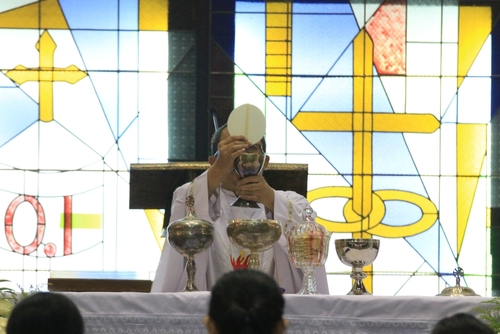
Maundy Thursday marks the Last Supper of Jesus Christ with his apostles. In the UK, it features the unique Royal Maundy tradition, where the reigning monarch distributes special coins, known as Maundy money, to selected elderly citizens in recognition of their service to the church and community. Local churches also hold special services that focus on themes of humility and service.
Good Friday (10 April 2026)

Good Friday commemorates the crucifixion of Jesus Christ and is one of the most solemn days in the Christian calendar. Observed during Holy Week, it takes place two days before Easter Sunday and is widely recognised across the UK.
In the UK, Good Friday is also a public holiday. Schools, banks, and many businesses close, and public transport often runs on reduced timetables. This makes it an important date for planning travel, shopping, and financial activities.
Holy Saturday (11 April 2026)

Falling directly before Easter Sunday, Holy Saturday is a day of quiet reflection within the Christian faith. It remembers the time Jesus lay in the tomb. Many UK churches hold evening vigils to prepare for the joy of Easter morning. The tone of this day is noticeably quieter compared to the vibrant celebrations that follow.
Easter Sunday (12 April 2026)

Easter Sunday is the most important date in the Christian calendar, celebrating the resurrection of Jesus. In the UK, traditions blend religious services with secular family customs. Many people attend morning church services, followed by large family meals, typically featuring roast lamb. Children enjoy Easter egg hunts, and the giving of chocolate eggs is a widespread and popular custom across the country.
Easter Monday (13 April 2026 – Public Holiday)

Easter Monday is a nationwide public holiday, commonly referred to as a bank holiday in the UK. Schools and most businesses close, giving families a long weekend to relax. People frequently use this day for travel, day trips, and attending local community events. Because it is a public holiday, expect changes to public transport schedules and standard business operating hours.
National and Cultural Celebrations in the UK
Alongside religious festivals, the UK observes several cultural days that celebrate heritage, humour, and literature.
April Fools’ Day (1 April)

April Fools’ Day is a lighthearted tradition where people play practical jokes on each other. A specific custom in the UK dictates that all pranks must stop by midday. If you play a joke on someone after 12:00 PM, you become the “April Fool.” The etiquette is simple: keep your jokes harmless, light, and respectful.
International Children’s Book Day (2 April)

International Children’s Book Day promotes children’s literature and the vital importance of reading from an early age. The UK has a rich history of children’s authors, and local schools, libraries, and bookshops often host reading events. You can participate easily by reading a story with your children or donating books to a local charity.
Vaisakhi (13 April 2026)

Vaisakhi is one of the most important festivals in Sikhism, celebrating the founding of the Khalsa (the Sikh community) in 1699 by Guru Gobind Singh. It also marks the spring harvest in Punjab, making it both a religious and seasonal celebration.
The UK is home to a large and vibrant Sikh population, and Vaisakhi is widely celebrated in cities such as London, Birmingham, Leicester, and Manchester. One of the most visible traditions is the Nagar Kirtan, a colourful street procession featuring music, singing, and community participation.
National Gardening Day (14 April)

Gardening holds a special place in British culture. As April brings warmer spring weather, National Gardening Day encourages people to get outside and tend to their plants. Common activities include visiting public botanical gardens, preparing local allotments for the summer, and planting new flowers. It is a peaceful way to connect with nature and your local community.
St George’s Day (23 April)

St George is the patron saint of England. While it is not a public bank holiday, many people celebrate by displaying the St George’s Cross flag and attending local community events, parades, and traditional Morris dancing performances. Modern interest in St George’s Day continues to grow, serving as a time to celebrate English heritage and community spirit.
Arts, Culture and Global Awareness Days
April also highlights global creativity and the importance of preserving history.
World Art Day (15 April)

World Art Day celebrates creative expression in all its forms. Across the UK, art galleries, museums, and community centres host special exhibitions and workshops. It is a fantastic time to visit local studios or take part in a creative class to support artists in your area.
World Heritage Day (18 April)

Also known as the International Day for Monuments and Sites, World Heritage Day focuses on preserving cultural landmarks for future generations. The UK is home to numerous UNESCO World Heritage sites, such as Stonehenge, the Tower of London, and the city of Bath. Participating is as simple as visiting a historic site or supporting local heritage conservation charities.
International Dance Day (29 April)

A global celebration of movement and dance, International Dance Day brings communities together through rhythm. In the UK, you can find local dance performances, open classes, and street events. It is a welcoming day for people of all skill levels to try a new style of dance and stay active.
UK Public Holidays and Closures in April 2026

Understanding public holidays helps you manage your time, finances, and travel effectively.
Key Public Holiday
- Good Friday (10 April)
- Easter Monday (13 April)
What This Affects
Bank closures on Easter Monday mean that domestic and international financial transfers may take slightly longer to process. If you need to send money to family overseas, plan your transfers a few days in advance. Public transport often runs on a reduced Sunday timetable, and many high street shops and local services will have limited opening hours or remain closed entirely.
Planning Ahead for April 2026 in the UK

A little preparation goes a long way to ensure you navigate the busy month of April with ease.
Travel Planning
The Easter weekend is traditionally one of the busiest travel periods in the UK. Roads, trains, and airports see high volumes of passengers. Booking your travel tickets and accommodation early is highly recommended to secure the best prices and avoid last-minute stress.
Work and Business Considerations
Public holiday disruptions require careful coordination, especially if you work with international teams. Communicate your availability clearly and inform cross-border clients that UK offices will be closed on Easter Monday.
Everyday Planning
Adjust your everyday routines around the long weekend. Complete your grocery shopping early to avoid crowded supermarkets on the Saturday before Easter. Make the most of the long weekend by planning outdoor activities and enjoying the start of the British spring.
Frequently Asked Questions
Why does Easter change dates each year?
Easter is a movable feast based on the lunar calendar. It always falls on the first Sunday after the first full moon occurring on or after the spring equinox. This means the date changes every year, typically falling anywhere between late March and late April.
Is Easter Monday a public holiday across the UK?
Yes, Easter Monday is widely observed as a bank holiday in England, Wales, and Northern Ireland. In Scotland, it is technically a local holiday, but many businesses and schools still close for the day.
How is St George’s Day celebrated?
Celebrations vary by region. They are generally modest compared to other national days, but you will often see English flags flying, and some towns host traditional parades, food festivals, and family-friendly events.
Can non-Jewish people take part in Passover?
Yes. If you are invited by a Jewish friend or family member, you are very welcome to attend a Passover Seder. Simply listen, follow the lead of your host, and enjoy the educational and communal experience.
When is the busiest travel period in April?
The Easter weekend, particularly the Friday and Monday, is the busiest time for travel. Roads can be heavily congested, and train services are often crowded or affected by scheduled engineering works.
Prepare for the Spring Season
Navigating the holidays and observances in April 2026 is simple when you know what to expect. By marking these important dates on your calendar, you can plan your travel safely, manage your work schedule, and ensure your international money transfers arrive exactly when they are needed. Enjoy the cultural events, take time to relax over the long Easter weekend, and embrace the vibrant traditions that make springtime in the UK so special.