
April Fool’s Day is a time for light-hearted mischief. Each year, people across the UK and the world share jokes, play pranks, and enjoy a bit of fun. If you are planning to join in, knowing the rules and traditions can help you plan the perfect harmless surprise.
This guide provides everything you need to know about April Fool’s Day 2026 in the UK. You will learn the exact date, the historical origins, and the unwritten rules of playing pranks. We will also share safe prank ideas and highlight what you should avoid to keep the day enjoyable for everyone.
Understanding the traditions of April Fool’s Day ensures you can participate safely and respectfully. Let us explore how to make the most of this playful holiday.
When Is April Fool’s Day in 2026?
April Fool’s Day takes place on Wednesday, 1 April 2026.
It is celebrated across the UK and many parts of the world. People use this day to share jokes, play practical tricks, and engage in light-hearted mischief with friends, family, and colleagues.

What Is April Fool’s Day?
April Fool’s Day is an informal tradition. People play practical jokes and share hoaxes, which are known as “April fools”.
In the UK, there is one key rule you must follow: pranks are traditionally carried out before midday. The cut-off time is exactly 12 noon. If you try to play a prank on someone after noon, you become the “April fool” yourself. This simple rule helps keep the fun contained and ensures the jokes do not last all day.
Where Did April Fool’s Day Come From?
The exact origin of April Fool’s Day remains unclear. Historians have proposed several theories to explain how the tradition began.
One popular theory relates to changes to the calendar in the 16th century. During this time, the start of the New Year moved from late March to 1 January. People who continued to celebrate the New Year in spring were mocked and called fools.
Other theories suggest the day grew from earlier European festivals. These festivals often celebrated trickery, disguise, and role reversal. Some historians also believe the tradition is simply tied to the arrival of spring. The unpredictable spring weather was said to “fool” people.
While no single explanation is definitive, the day has evolved into a widely recognised cultural tradition that brings people together through humour.
How It’s Celebrated in the UK
In the UK, the celebrations range from small, personal jokes to large, national hoaxes.
Classic Pranks
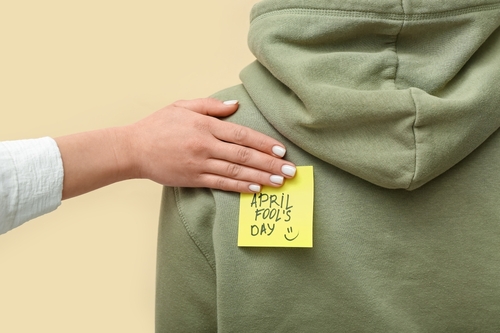
Most people celebrate by playing harmless tricks on their friends, family, or colleagues. These might include sharing fake news or making playful announcements. The goal is to surprise someone and share a laugh.
Media and Brand Hoaxes
UK newspapers, television channels, and companies often join in the fun. They publish elaborate fake stories or announce product “launches” that are completely made up. Some famous examples have successfully fooled thousands of people before being revealed as a joke. These large-scale hoaxes have become a highly anticipated part of the British media landscape.
Popular April Fool’s Prank Ideas
If you want to participate, it is best to keep things safe and light-hearted. Here are a few popular ideas:
- Switching labels: Swap the labels on everyday items in your kitchen cupboards.
- Fake announcements: Send a playful, harmless fake announcement to your family group chat.
- Office jokes: Bring a box of “doughnuts” to work that actually contains healthy vegetables.
The best pranks share three main traits. They are completely harmless. They are quickly revealed so the person is not confused for long. Finally, they are enjoyable for everyone involved, including the person being pranked.
What to Avoid
Safety and respect must always come first. You should avoid any joke that could cause distress, harm, or embarrassment.
Never play pranks involving health, emergencies, or finances. These topics cause genuine panic and are never funny. You should also avoid making jokes that could easily be mistaken for real news without a clear and immediate clarification. A good joke builds connection; a bad joke causes unnecessary stress.
April Fool’s Day in Modern Britain
Today, the tradition of April Fool’s Day is widely recognised but completely informal. It remains highly popular in workplaces, schools, and homes.
Social media has amplified the tradition. Viral content spreads rapidly, allowing people to share their pranks with a global audience. Companies also use online platforms to share their hoaxes directly with customers.

How It Fits Into April 2026
The calendar for April 2026 presents an interesting contrast of events.
April Fool’s Day falls just before major religious observances. The Jewish festival of Passover begins on the evening of 1 April. The following day, 2 April, is Maundy Thursday, which marks the beginning of the Easter weekend for Christians.
This creates a sharp contrast in the UK calendar. A highly playful and mischievous morning quickly transitions into a more reflective and significant period for many communities.
Frequently Asked Questions (FAQs)
Does April Fool’s Day happen on the same date every year?
Yes. April Fool’s Day is always celebrated on 1 April, regardless of the day of the week it falls on.
Is April Fool’s Day a public holiday in the UK?
No. April Fool’s Day is an informal tradition. It is a normal working day, and businesses, schools, and public services operate under their standard hours.
Why do pranks stop at midday in the UK?
The midday rule is a long-standing British tradition. It ensures the jokes do not drag on too long. If you play a trick after 12 noon, the rules dictate that you are the fool.
Can I play pranks on people I do not know?
It is usually best to keep pranks between friends, family, and close colleagues. Playing tricks on strangers can easily cause misunderstandings or unwanted distress.
Planning for a Fun and Safe 1 April
April Fool’s Day 2026 falls on Wednesday, 1 April. It offers a wonderful opportunity to share humour and pranks with the people you care about.
Remember the golden rule in the UK: all jokes must end at midday. Keep your tricks harmless, avoid sensitive topics, and focus entirely on safe, light-hearted fun. By planning thoughtfully, you can bring a smile to someone’s face and enjoy a memorable tradition.