
You’re at the bank ready to open an account, you’re picking up a parcel, boarding a flight, or trying to set up your phone. Then someone asks for your identification document, and suddenly you’re staring into your wallet, wondering which one you need.
If you’re new to Canada, it’s normal to be confused about the different forms of ID, especially when you’re just trying to get through everyday things. At Remitly, we hear these questions all the time from newcomers. So, we’ve put together this guide to help you understand the most common identification documents you’ll need for life in Canada.
What are identification documents?
Identification documents are the official papers that prove who you are. In Canada, ID comes up often, like when renting a car, getting on a flight, signing a lease, or even picking up a library card.
It’s not about making life harder. These checks are there to protect your identity and reduce fraud, so the system can trust that the person standing in front of them is really you.
Primary identification documents in Canada
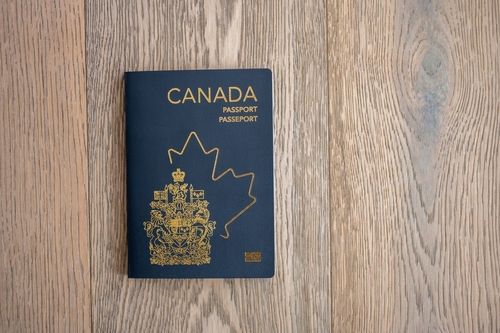
Think of primary identification documents as your main characters, the documents people are most likely to trust when they need to know who you are. They’re all government-issued, usually have your photo on them, and tend to work in most, if not all, situations.
Canadian passport
Your Canadian passport is basically the VIP of identification documents. It proves who you are and that you’re a Canadian citizen, and you’ll need it anytime you’re travelling outside the country.
It’s also widely accepted in a range of places if you need strong proof of identity. That said, because it’s such an important document (and a pain to replace), most people don’t carry it around day-to-day. It’s more of a “bring it when you know you’ll need it” situation.
Permanent resident (PR) card
If you’re a permanent resident, your PR card is your proof that you’re legally allowed to live in Canada. You’ll definitely need it when you’re returning to Canada after travelling abroad, and sometimes when you’re dealing with government services.
One thing that trips people up is that a PR card usually works with another identification document, not instead of one. Many places will still ask for a photo ID, like a driver’s licence or provincial ID card, to confirm your identity. Think of the PR card as proof of status, not your everyday go-to.
Provincial or territorial driver’s licence
This is the ID most people in Canada end up using the most. Yes, it lets you drive, but it also quietly becomes your default ID for everything else. Proving your age, opening a bank account, and signing up for services, this card does a lot of heavy lifting.
As it’s issued by your province or territory, it’s instantly recognizable and rarely questioned. If you plan on driving in Canada, getting a local licence can make everyday life a lot smoother and your wallet a little lighter.
Provincial or territorial photo ID card
A provincial or territorial photo ID card gives you the same ID power as a driver’s licence, just without the car keys. It’s a popular choice for students, newcomers, and anyone who doesn’t need or want to drive but still wants a reliable, widely accepted type of identification document. It’s easy to carry and often becomes the card you reach for first when asked for ID.
Secondary identification documents
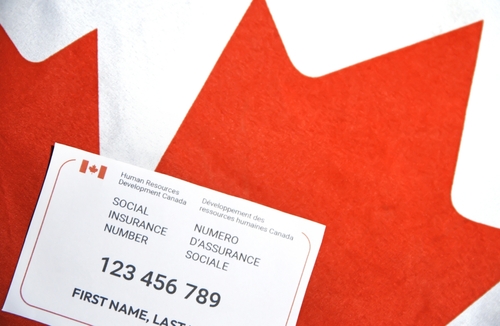
Secondary ID helps fill in the gaps. These documents support your main ID by confirming details like your name, address, or status, but they’re usually not enough on their own when an organization needs to officially verify who you are.
Social Insurance Number (SIN)
Your SIN is issued by the Government of Canada and is essential if you plan to work, pay taxes, or access certain government programs. It’s an important number, but it’s not a photo ID, so it won’t work by itself when someone asks for identification.
As it’s sensitive, it’s best to share your SIN only when it’s genuinely required, like with an employer or government agency, and keep it stored safely the rest of the time.
Birth certificate
A birth certificate confirms your date of birth and, in some cases, your citizenship. You’ll often need it when applying for other documents, like a passport or provincial ID. Since it doesn’t include a photo, it’s another type of identification that’s typically used as supporting documentation rather than everyday identification.
Proof of address documents
Proof of address is exactly what it sounds like: documents that show where you currently live. Common examples include utility bills, bank statements, or a signed rental agreement.
These often come up when opening a bank account, setting up services, or registering for programs that need to confirm your residency. Even if you have an official photo ID, many places still ask for this extra step.
Student ID cards
Student IDs are handy for things like campus life, transit passes, and student discounts. Outside of school, though, they usually don’t count as official ID because they’re issued by educational institutions rather than government authorities. They can still be useful in a few situations, but in most cases, you’ll be asked for a government-issued ID instead.
Temporary and newcomer-specific identification documents
When you first arrive in Canada, some of the most important documents you’ll have are tied to your immigration status. These papers play a big role in what you’re allowed to do, but they don’t always work as a full ID on their own.
Work permits and study permits
If you’re in Canada on a work permit or study permit, then you’ll need to show these identification documents when starting a job, enrolling in school, or dealing with certain government services.
That said, they’re not always enough by themselves. As they don’t consistently include a photo, you’ll usually be asked to show them alongside a government-issued photo ID. Think of them as proof of permission, rather than everyday identification.
Visitor records and temporary resident visas
Visitor records and temporary resident visas show that you’re allowed to stay in Canada for a specific amount of time. They’re important for understanding your status and any conditions attached to your stay.
Like work and study permits, these documents don’t always function as a standalone ID. They’re most useful when paired with other types of identification documents, helping clarify your status when questions arise.
Digital ID and online identity in Canada
As more services move online, it’s normal to wonder whether your phone can replace your wallet. Some provinces in Canada are starting to introduce digital ID options to make things a little easier.
Digital ID and what it’s actually used for
In certain provinces, you might come across digital ID apps that let you confirm your identity for specific online services. They can be convenient, especially when you’re dealing with government websites or accounts.
However, digital ID isn’t a full replacement for physical documents, at least not yet. Most places still ask to see a physical ID when you’re there in person. It’s simply easier for staff to verify, and it helps reduce the risk of fraud.
What usually doesn’t count as valid ID in Canada
It’s just as helpful knowing what counts as ID as knowing what usually doesn’t. For example, health cards are essential for accessing provincial healthcare, but they often don’t include the security features needed for broader ID checks.
Credit and debit cards also don’t count as identification documents. Even though your name might be on them, they only confirm how you pay, not who you are. So, staff will still ask for a government-issued photo ID.
As for a foreign identification document, like a passport from another country, it can be useful when you’ve just arrived in Canada. But once you’ve been here a while, many services expect to see a Canadian-issued ID instead. Because rules can vary, it’s always worth checking ahead so you know exactly what to bring.
When to use which ID in Canada
Different situations call for different types of identification documents, and it’s not always obvious which one you’ll need.
Flying within or outside Canada
If you’re flying within Canada, airlines usually ask for a government-issued photo ID, like a driver’s licence or provincial photo ID card. Heading outside the country? Then your passport is non-negotiable, and if you’re a permanent resident, you’ll want your PR card with you too.
Don’t forget that the name on your ticket must match your ID for it to be accepted.
Opening a bank account
When you open a bank account, you’ll usually be asked for one primary ID and one supporting document, such as proof of address. It’s one of those situations where being a little prepared can save you an extra trip.
If you’re still getting settled and thinking about managing money or sending it home, Remitly offers simple, secure ways to send money internationally from Canada when you need to.
When you send money from Canada, you may be asked to show a government-issued photo ID. This is part of standard security checks that help protect you and make sure your money gets to the right place.
Proving your age
Whether you’re buying alcohol, going to a concert, or accessing age-restricted services, a driver’s licence or provincial photo ID is usually what people expect to see. These are easy to recognize and rarely questioned.
How to build your Canadian identification as a newcomer
Getting your ID sorted early can make life in Canada a lot easier, maybe not overnight, but step by step. You don’t need everything at once, and don’t worry if you’re missing a document or two. The goal is simply to build a small, reliable set of IDs that works for everyday life.
What to prioritize in your first 30 to 60 days
When you’re deciding where to start, focus on getting one government-issued photo ID you can use regularly, such as a provincial photo ID card or a driver’s licence if you plan to drive. This will quickly become the ID you reach for most often.
If you plan to work, applying for your Social Insurance Number (SIN) is another early priority. You’ll need it for employment, taxes, and many government services. Once you have a photo ID and a SIN, lots of everyday things in Canada tend to go much more smoothly.
If you don’t have proof of address yet
This is very common in the early days of moving to Canada. Many newcomers don’t have utility bills or a long-term lease right away, and that’s okay. In the meantime, documents like a letter from your school or employer, a temporary rental agreement, or even early bank statements can sometimes be accepted as proof of address.
Because requirements vary, it’s always worth asking what alternatives are accepted before starting your ID application. A quick check can save you lots of time.
Keep your identity secure
Once you understand the difference between the different types of identification documents, many everyday situations in Canada will feel less complicated. You know what to keep safe at home and what to have ready when someone asks for ID. A tip is to consider storing secure digital copies as a backup, too, and make sure they’re protected with a strong password.
Whether you’re opening your first Canadian bank account, heading to an event, travelling, or sending money home to people you care about, having the right documents on hand makes adjusting to life in Canada a lot easier. That way, you can enjoy the fun parts of settling into a new country.
FAQs
What counts as a valid government-issued ID in Canada?
Valid ID usually comes from Canadian federal or provincial/territorial governments and includes things like passports, driver’s licences, and photo ID cards.
Can I use a photo of my ID on my phone?
In most official situations, institutions require the physical ID because it’s harder to forge. Keep your physical documents accessible when you know they’ll be needed.
What should I do if my ID is lost or stolen?
Report it to the issuing agency right away (for example, the provincial service issuing your driver’s licence) to protect your identity and start the replacement process.
Can I use an expired ID?
Most places won’t accept expired documents because the information may no longer be accurate. It’s best to renew before it expires or as soon as you can.