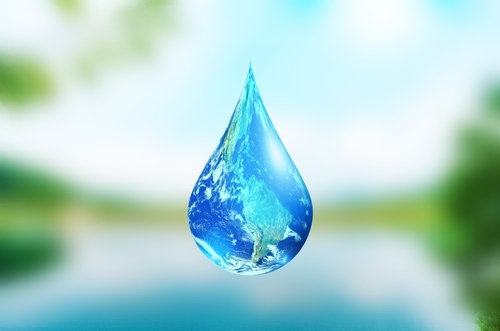

Water is essential for life. It grows our food, powers our homes, and keeps us healthy. Yet, for many people around the world, accessing clean and safe water is a daily challenge.
On March 22, 2026, Canada and the rest of the world will observe World Water Day. This is an international day dedicated to raising awareness about the 2.2 billion people living without access to safe water. It is a time to learn, reflect, and take action to tackle the global water crisis.
This guide covers everything you need to know about World Water Day 2026. We will look at its purpose, how it is observed in Canada, and the simple steps you can take to support freshwater conservation.
When is World Water Day?
World Water Day takes place every year on March 22.
In 2026, this date falls on a Sunday. This timing offers a unique opportunity for families and communities to come together outside of work and school hours to participate in local events or educational activities.
It is important to note that while this is an observance recognized by the United Nations and acknowledged in Canada, it is not a public holiday. Businesses, schools, and government offices will operate as usual on the surrounding weekdays, and they will not close for the observance.
The Purpose of World Water Day
The core focus of World Water Day is to support the achievement of Sustainable Development Goal 6: water and sanitation for all by 2030. The day is about accelerating change to solve the water and sanitation crisis.
The observance highlights three main pillars:
1. Freshwater Access
Clean water is a basic human right. However, pollution, poor infrastructure, and economic barriers often prevent communities from getting the water they need. This day shines a light on the inequalities that exist globally regarding who gets water and who does not.
2. Sustainability
We must use water in a way that meets our current needs without compromising the ability of future generations to meet theirs. This involves managing our water resources carefully to ensure they do not run dry.
3. Conservation
Protecting our natural ecosystems is vital. Forests, wetlands, and aquifers play a huge role in regulating the water cycle. Conservation efforts focus on preventing pollution and restoring damaged environments to keep water sources clean.
World Water Day in Canada
Canada is known for its vast landscapes and abundant natural resources. We are home to approximately 20% of the world’s surface freshwater. This places a significant responsibility on Canadians to be stewards of this precious resource.
While Canada is a water-rich nation, we still face challenges. Climate change is affecting our glaciers and weather patterns, leading to floods in some areas and droughts in others. Furthermore, many Indigenous communities across the country continue to face long-term drinking water advisories.
World Water Day in Canada is marked by a variety of environmental campaigns and educational initiatives. These efforts aim to:
- Educate the public about the importance of protecting our lakes, rivers, and groundwater.
- Advocate for clean drinking water for all communities, particularly First Nations reserves.
- Encourage reduced water consumption in households and industries.
How Communities Observe the Day
Although it is not a statutory holiday, many organizations and schools use the days leading up to March 22 to engage in special activities.
Educational Initiatives
Schools often incorporate water-related topics into their curriculum during March. Students might learn about the water cycle, local watersheds, or the impact of plastic pollution on marine life. Universities may host seminars or guest speakers to discuss advancements in water technology and policy.
Environmental Campaigns
Local conservation groups frequently organize clean-up events along shorelines and riverbanks. These events help remove waste that endangers wildlife and contaminates the water supply. Other campaigns might focus on “blueing” communities, such as planting rain gardens or installing rain barrels to manage stormwater runoff.
Fundraising and Advocacy
Many Canadians use this day to support international charities that build wells and sanitation facilities in developing countries. It is a day to stand in solidarity with those who have to walk miles every day just to fetch water for their families.
Simple Ways to Conserve Water at Home
You do not need to be a scientist or a policymaker to make a difference. Small changes in your daily routine can have a positive impact on water conservation. Here are a few simple actions you can take:
- Fix leaks promptly: A dripping faucet can waste a surprising amount of water over time. Check your pipes and toilets for leaks and repair them as soon as possible.
- Shorten your showers: Reducing your shower time by just a few minutes can save hundreds of liters of water each month.
- Run full loads: Only run your dishwasher and washing machine when they are full. This maximizes energy and water efficiency.
- Turn off the tap: When brushing your teeth or washing dishes by hand, do not let the water run continuously.
- Use water-wise gardening: If you have a garden, water your plants early in the morning or late in the evening to reduce evaporation. Consider using drought-resistant plants that require less irrigation.
Why Awareness Matters
It is easy to take water for granted when it flows freely from our taps. World Water Day serves as a necessary reminder that this is not the reality for everyone.
By understanding the value of water, we can make better decisions about how we use it. Awareness leads to action, and collective action leads to change. Whether it is reducing your personal footprint or advocating for better government policies, your voice matters.
Every drop counts. By participating in World Water Day 2026, you join a global movement dedicated to protecting our most essential resource for today and for the future.
Frequently Asked Questions
Is World Water Day a public holiday in Canada?
No, World Water Day is not a public holiday in Canada. Schools, banks, and businesses remain open. It is an observance day meant for awareness and action.
Who organizes World Water Day?
World Water Day is coordinated by UN-Water, an inter-agency mechanism of the United Nations. They select the theme for each year and lead the global campaign.
Can I get involved if there are no events near me?
Absolutely. You can observe the day by educating yourself on water issues, donating to reputable water charities, or simply committing to reducing your household water usage. Sharing information on social media is also a great way to spread awareness.
Why does the theme change every year?
The theme changes annually to highlight a specific aspect of freshwater. Past themes have focused on groundwater, wastewater, and water and climate change. This ensures that different challenges within the water crisis receive attention.
How does climate change affect water?
Climate change disrupts weather patterns, leading to extreme weather events. This causes unpredictable water availability, exacerbating water scarcity in some regions and contaminating water sources through flooding in others.
Moving Forward Together
As we approach March 22, 2026, let us remember that water connects us all. It has no borders and supports all life on Earth.
Taking care of our water is a shared responsibility. We encourage you to mark this date on your calendar and think about how you can contribute to a more sustainable future. Whether you choose to learn, donate, or conserve, your actions help create a world where safe water is accessible to everyone.