
Spring brings a sense of renewal, and for many Canadians, it brings the vibrant festival of Vaisakhi. Across the country, communities gather to celebrate this significant cultural and religious event. Streets fill with colour, music, and the spirit of generosity.
Vaisakhi holds deep meaning for millions of people worldwide. In Canada, home to a large and proud Sikh and Punjabi diaspora, the celebrations are especially grand. Cities like Surrey, Vancouver, Brampton, and Calgary host some of the largest Vaisakhi parades outside of India. Families come together to pray, share meals, and celebrate their rich heritage.
Understanding the traditions of Vaisakhi helps us appreciate the cultural fabric of Canada. This guide covers everything you need to know about Vaisakhi 2026. We will explore the history of the festival, how it is celebrated across Canadian cities, and ways you can stay connected with loved ones during this special time.
The Deep Meaning Behind Vaisakhi
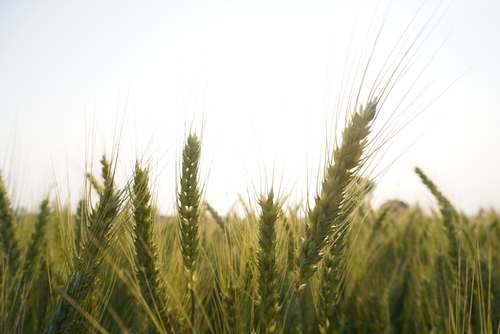
Vaisakhi is a multifaceted festival. It carries both agricultural and religious significance. For the Punjabi community, it marks the solar new year and the spring harvest. Farmers give thanks for a bountiful crop and pray for future prosperity. It is a time of joy, marked by lively folk dances like Bhangra and Giddha.
For Sikhs, Vaisakhi is one of the most important dates on the calendar. It commemorates the creation of the Khalsa. In 1699, Guru Gobind Singh Ji, the tenth Sikh Guru, established the Khalsa Panth. This is a community of initiated Sikhs dedicated to the principles of equality, justice, and courage.
During the historic gathering in 1699, Guru Gobind Singh Ji asked for volunteers willing to sacrifice themselves for their faith. Five men stepped forward. They became known as the Panj Pyare, or the Five Beloved Ones. The Guru initiated them, and they in turn initiated him. This event solidified the Sikh identity and established the core values that guide the community today.
When is Vaisakhi 2026?
Vaisakhi follows the solar calendar. Because of this, it falls on the same dates almost every year. Vaisakhi 2026 will be celebrated on Tuesday, April 14, 2026.
While the official date is in mid-April, celebrations in Canada often span several weeks. Weekend parades and community events take place throughout April and sometimes into May. This schedule allows more people to participate without missing work or school.
How Canadians Celebrate Vaisakhi
Canada hosts some of the most spectacular Vaisakhi celebrations in the world. The events are inclusive, welcoming people of all backgrounds to join the festivities. Here are the main ways the community celebrates.
The Nagar Kirtan Parades
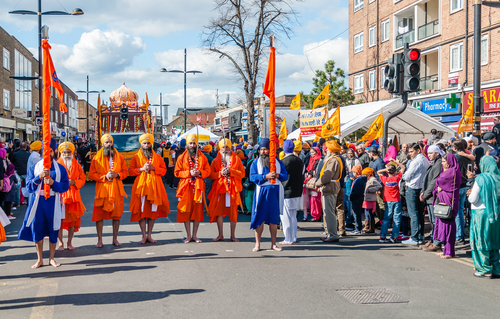
The centerpiece of Vaisakhi in Canada is the Nagar Kirtan. This is a neighbourhood parade involving the singing of holy hymns. The parade is led by the Panj Pyare, dressed in traditional saffron clothing. They walk ahead of a beautifully decorated float carrying the Sri Guru Granth Sahib Ji, the Sikh holy scripture.
Surrey, British Columbia, hosts the largest Vaisakhi parade in North America. Hundreds of thousands of people line the streets. The atmosphere is joyous and peaceful. Floats representing different community organizations follow the main procession. Similar large-scale parades happen in Vancouver, Toronto, and Calgary.
The Spirit of Langar
Langar is the Sikh tradition of the free community kitchen. It represents equality, as everyone sits on the floor together to eat, regardless of their background or social status. During Vaisakhi, the concept of Langar is taken to the streets.
Families and local businesses set up stalls along the parade routes. They hand out free food and drinks to everyone who passes by. You will find everything from traditional curries, samosas, and sweets to pizza and soft drinks. This incredible display of generosity highlights the core Sikh value of Seva, or selfless service.
Family Gatherings and Prayers
Before the public celebrations begin, Vaisakhi is a time for spiritual reflection. Families visit the Gurdwara (Sikh temple) to listen to Kirtan (hymns) and hear stories about the history of the Khalsa. Many people choose Vaisakhi as the day they are officially initiated into the Khalsa.
At home, families clean their houses and prepare special meals. New clothes are worn to symbolize a fresh start. It is a joyful time to reconnect with relatives, share gifts, and pass down cultural traditions to the younger generation.
Major Vaisakhi Events Across Canada
If you want to experience Vaisakhi 2026, many Canadian cities host incredible events.
British Columbia
Surrey and Vancouver are the epicentres of Vaisakhi in Canada. The Surrey Khalsa Day parade draws crowds exceeding 500,000 people. The route covers several kilometres, surrounded by thousands of food stalls. The Vancouver parade, organized by the Khalsa Diwan Society, is the oldest in the country and offers a deeply historical experience.
Ontario
In Ontario, the Sikh community gathers in massive numbers. The Ontario Sikhs and Gurdwara Council organizes an annual Khalsa Day Parade in downtown Toronto. The procession usually starts at the Better Living Centre and ends at Nathan Phillips Square. Brampton and Mississauga also host large community gatherings, vibrant markets, and cultural performances.
Alberta
Calgary and Edmonton have rapidly growing Punjabi populations. The Calgary Nagar Kirtan is a beautiful event that brings the city together. The Dashmesh Culture Centre organizes extensive Langar services and family-friendly activities. Edmonton’s celebrations are equally warm and welcoming, showcasing the rich diversity of the Prairie provinces.
Frequently Asked Questions About Vaisakhi
What is the appropriate greeting for Vaisakhi?
You can wish someone a happy Vaisakhi by saying “Vaisakhi Diyan Vadhaiyan,” which translates to “Congratulations on Vaisakhi.” You can also simply say “Happy Vaisakhi.”
Can anyone attend a Vaisakhi parade?
Yes. Vaisakhi parades are highly inclusive community events. People of all faiths and backgrounds are encouraged to attend, enjoy the free food, and learn about Sikh culture.
What should I wear to a Vaisakhi parade?
Dress comfortably for the weather, as you will likely be walking outside. Modest clothing is respectful. If you enter a Gurdwara or approach the main float carrying the holy scripture, you will need to cover your head and remove your shoes. Bandanas or headscarves are usually provided.
Do I have to pay for the food at the parade?
No. All the food distributed along the Nagar Kirtan route is completely free. It is provided as part of the Langar tradition, which emphasizes equality and selfless service.
Plan Your Vaisakhi 2026 Celebrations Early
Vaisakhi is a beautiful reminder of the values of equality, courage, and community. Whether you are deeply rooted in the culture or attending your very first Khalsa Day parade, the festival offers a welcoming experience for everyone.
As April 2026 approaches, mark your calendars and plan to join the festivities in your local Canadian city. Enjoy the music, share a meal with your neighbours, and take time to connect with your loved ones near and far.