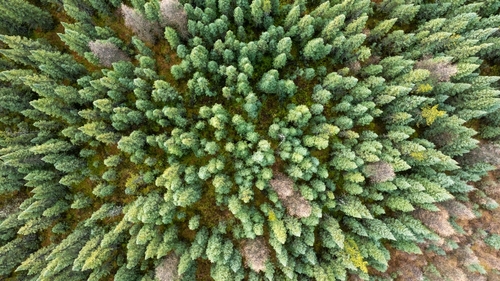

Forests cover nearly 40% of Canada’s land area. They are a vital part of our landscape, our economy, and our identity. On March 21, 2026, Canadians will join people around the world to celebrate International Day of Forests. This global observance is a moment to reflect on the importance of woodlands and the trees outside forests for the benefit of current and future generations.
While technology connects us more than ever, our connection to nature remains essential for our well-being. This day provides a specific time to pause and appreciate the clean air, water, and biodiversity that our forests provide. It is also an opportunity to learn about the challenges facing these ecosystems, such as climate change and deforestation.
Whether you live in a bustling city or a rural community, trees impact your life daily. From the timber used in our homes to the paper products we use, sustainable forest management ensures these resources last. This guide will explore what International Day of Forests is, why it matters to Canadians, and how you can mark the occasion in 2026.
What is International Day of Forests?
The United Nations General Assembly proclaimed March 21 as the International Day of Forests in 2012. The goal was simple: to celebrate and raise awareness of the importance of all types of forests.
Every year on this date, countries are encouraged to undertake local, national, and international efforts to organize activities involving forests and trees. These activities often include tree-planting campaigns, educational symposiums, and art exhibitions. The day is facilitated by the United Nations Forum on Forests and the Food and Agriculture Organization of the United Nations (FAO), in collaboration with governments and other relevant organizations.
Each year usually carries a specific theme chosen by the Collaborative Partnership on Forests. These themes highlight specific aspects of forestry, such as “Forests and Health” or “Forests and Innovation.” Regardless of the specific annual theme, the core message remains focused on conservation and sustainable management.
Is International Day of Forests a Public Holiday?
It is important to clarify the status of this day in Canada. International Day of Forests is an observance, not a statutory public holiday.
Business continues as usual on March 21. Schools, government offices, and banks remain open. You will not receive a paid day off work specifically for this occasion. However, this does not mean the day goes unnoticed. Many organizations, schools, and community groups schedule events during the day or on the closest weekend to maximize participation.
Because it is not a holiday, celebrations are often integrated into the workday or school curriculum. Teachers might plan science lessons around tree biology, while businesses might organize a lunch-and-learn session about corporate sustainability.
Why Forests are Critical to Canada
Canada is a forest nation. We host approximately 9% of the world’s forests. This immense natural wealth brings a responsibility to manage these lands with care and foresight.
Environmental Health
Our forests act as a massive carbon sink. Trees absorb carbon dioxide from the atmosphere and store it in their wood and soil. This natural process helps regulate the global climate and mitigate the effects of greenhouse gas emissions. Additionally, forests filter our water and prevent soil erosion, keeping our rivers and lakes clean.
Biodiversity
Canadian forests are home to a diverse array of wildlife. From the iconic moose and grizzly bear to countless species of birds and insects, these ecosystems provide critical habitat. Maintaining healthy forests ensures that biodiversity thrives and that ecosystems remain resilient against pests and diseases.
Economic Stability
The forest sector is a major employer in Canada, particularly in rural and Indigenous communities. Sustainable forestry practices ensure that this industry can continue to provide jobs and economic benefits without depleting the resource. By harvesting trees responsibly and replanting them, the industry supports families across the country.
Conservation and Sustainability Efforts
Sustainability is at the heart of International Day of Forests. In Canada, this means balancing the environmental, social, and economic needs of the forest.
Highlights of Canadian conservation efforts include:
- Strict Regulations: Canada has some of the toughest forestry laws in the world. Provincial and territorial governments closely monitor harvesting to ensure it is sustainable.
- Replanting: It is a requirement on public lands that all harvested areas must be regenerated. This means new trees are planted or naturally regenerated to replace the ones that were cut down.
- Protected Areas: Large portions of Canada’s forests are protected from industrial activity. These parks and reserves allow nature to evolve without human interference.
Environmental organizations play a huge role in these efforts. Groups like Tree Canada, the Nature Conservancy of Canada, and local conservation authorities use March 21 to highlight their ongoing projects. They advocate for policy changes, raise funds for land acquisition, and educate the public on how to reduce their ecological footprint.
How to Get Involved on March 21
You do not need to be a forestry expert to participate. There are simple, meaningful ways to observe International Day of Forests 2026.
Participate in Local Events
Check the websites of local environmental groups or your municipal government. They often host guided forest walks, tree planting ceremonies, or cleanup events in local parks. These are great ways to meet neighbors who care about the environment.
Learn and Share
Education is a powerful tool. Take some time to read about the specific types of forests in your province. Share what you learn with your family or on social media. Using hashtags like #IntlForestDay helps spread the message to a wider audience.
Support Sustainable Products
When you shop, look for the Forest Stewardship Council (FSC) logo or other sustainability certifications on wood and paper products. These labels indicate that the product came from a responsibly managed forest. Your purchasing power encourages companies to adopt better practices.
Spend Time in Nature
Sometimes the best way to appreciate a forest is simply to be in one. Visit a local trail, park, or conservation area. Disconnect from digital devices and observe the sights and sounds of the woods. This personal connection reinforces why protecting these spaces is so vital.
Frequently Asked Questions
When is International Day of Forests 2026?
It takes place on Saturday, March 21, 2026. The date is fixed and occurs on March 21 every year.
Is March 21 a paid holiday in Canada?
No. It is an international observance, but it is not a statutory holiday in any Canadian province or territory. Schools and businesses are open.
Why was this day created?
The United Nations created this day to raise global awareness about the importance of all types of forests and trees outside forests. It aims to encourage countries to undertake local, national, and international efforts for forest conservation.
How can I find events near me?
Good places to start include the websites of your local conservation authority, municipal parks department, or national organizations like Tree Canada. Community notice boards and social media event pages are also helpful resources.
What is the theme for 2026?
The specific theme is typically announced by the Collaborative Partnership on Forests closer to the date. Past themes have focused on biodiversity, climate change, and sustainable production.
Taking Action for Our Future
International Day of Forests 2026 is a reminder of the essential role nature plays in our lives. While Canada is blessed with an abundance of trees, we cannot take them for granted. By understanding the value of sustainable management and conservation, we ensure that our forests remain vibrant and healthy.
On March 21, take a moment to celebrate the greenery around you. whether you plant a tree, donate to a conservation group, or simply enjoy a walk in the woods, your actions contribute to a culture of respect for our natural world. Let us work together to keep Canada’s forests standing tall for generations to come.