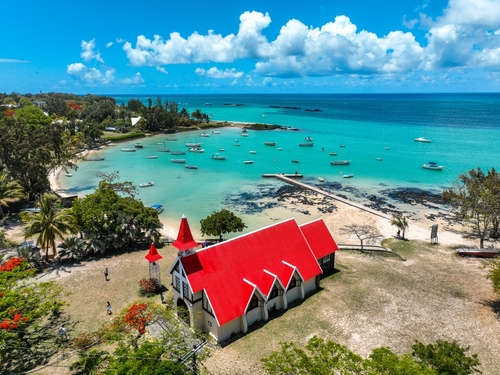

If you’ve ever daydreamed about trading snowy winters and daily commutes for turquoise water, palm trees, and sunshine year-round, Mauritius might already be on your radar. But before taking the leap, you’re probably thinking about the financial side.
At Remitly, we know first-hand that one of the biggest parts of moving countries is figuring out what kind of savings and income you need to start strong and settle comfortably. This guide is here to help you gain clarity. We’ll walk you through various expenses, from visas to housing, to give you a sense of what immigrating to Mauritius might cost and whether the move fits your financial plans.
Cost of living: Mauritius vs. Canada
One of the first things people wonder when picturing life in Mauritius is whether it’s cheaper than living in Canada. The short answer is: usually, yes. That said, prices can shift depending on where you settle.
To give you a quick sense of how prices compare, here’s a simple snapshot based on common monthly expenses for a single person:
| Expense | Mauritius estimate (CAD) | Canada estimate (CAD) |
| Rent (1-bedroom apartment in city or coastal area) | $600 | $1,800 |
| Milk | $1.96 | $3.09 |
| Dining out (Inexpensive restaurant) | $9.08 | $25 |
| Public transit pass | $45 | $100 |
| Mobile phone + data | $20 | $61 |
Housing and rent
Housing is usually the biggest expense when moving abroad, and Mauritius is no exception, but many people find it far more manageable than what they’re used to in Canada.
Popular coastal areas like Grand Baie, Tamarin, and Flic-en-Flac tend to have higher rents because they’re close to beaches, cafés, and expat-friendly amenities. Meanwhile, inland areas such as Moka, Curepipe, or Quatre Bornes often offer more space and better value.
A one- or two-bedroom place in a coastal hotspot will cost more than something in the interior. Still, even in premium areas, rent often remains lower than similar housing in Vancouver, Toronto, or other Canadian cities. Many newcomers are pleasantly surprised to discover they can live near nature without feeling like every paycheck disappears into rent.
Food and daily essentials
If you love fresh produce and local markets, Mauritius can seem refreshingly affordable. Dining out at casual cafés or simple local restaurants also tends to fit comfortably within most budgets.
Where things get pricey is with imported items. Wine, specialty cheeses, certain packaged foods, and upscale restaurants catering to expats can add up quickly.
As you settle in, you’ll find a rhythm that keeps costs reasonable. Most people opt for fresh, local food most of the time, and occasionally indulge in imported cravings. Once your grocery habits shift to what’s grown, caught, or produced locally, your food budget often becomes much more straightforward.
Transportation
Transportation costs in Mauritius are noticeably lower than in Canada. Public buses are inexpensive and widely used, and residents get around perfectly well without owning a car. Taxis and ride-hailing options are also reasonably priced compared to North American standards. You’ll even notice that it’s common in some coastal areas to get around on a scooter.
One of the biggest differences is lifestyle. Mauritius isn’t built around long car commutes the way many Canadian cities are. For a lot of newcomers, the shift from “car as a necessity” to “car as an option” can feel freeing, both financially and mentally.
Personal lifestyle budgeting
How much you spend each month in Mauritius really depends on the kind of lifestyle you picture for yourself. Some people arrive with a “keep it simple” mindset, while others prefer more comfort or convenience.
- Modest lifestyle or digital nomad on a budget: This usually means cooking at home, choosing local groceries, and living in a simpler apartment away from premium tourist areas. For someone earning a moderate foreign income, this can be very affordable.
- Mid-income remote worker or expat: This is a comfortable sweet spot for a lot of newcomers. It can include a nice rental home, regular café visits, some dining out, and the occasional splurge without going overboard.
- Higher-end lifestyle, retiree, or investor: Some people prefer extra space, a premium location, or more frequent leisure, dining, and imported goods.
Because rent, food, and transportation tend to be less expensive than in many parts of Canada, expats often find that even a mid-range income from abroad provides room to enjoy life. For example, exploring beaches, trying new restaurants, or simply having a little more breathing space in the monthly budget.
How much funding do you need for different visas?
The amount of money you’ll need to move to Mauritius depends mostly on the type of visa or permit you apply for.
Understanding your immigration pathway
Choosing the right permit is one of the first real steps in making the move possible. Most long-stay newcomers fall into one of three groups: people who plan to work or invest locally, retirees looking for a slower pace and sunshine, or remote workers earning from abroad.
Once your permit is approved, there’s a short onboarding period. This may include registering your address, opening a Mauritian bank account, and getting essential documents organized.
Luckily, communication tends to feel easier than newcomers expect because English and French are both widely used. Mauritius is shaped by African, Indian, European, and Creole influences, making its culture feel warm and welcoming to diverse groups. As a Canadian newcomer, you’ll probably find this very comforting during those early weeks when everything still feels new.
Occupation Permit
The Occupation Permit is for anyone planning to work, run a business, or invest in Mauritius. If you’re being hired locally, you’ll usually need to meet a minimum salary level.
For entrepreneurs or self-employed applicants, you might need to show proof of business capital or expected revenue, while investors are expected to put funds into a qualified Mauritian business.
This route suits people earning income locally or bringing business investment with them.
Retirement Residence Permit
If you’re at least 50 and thinking of immigrating to Mauritius from Canada, then the Retirement Residence Permit might be the right match. Applicants are generally required to transfer a set amount of regular income into a Mauritian bank account. For many retirees with pensions or investment income, this obligation feels straightforward.
Premium Visa (Digital Nomad Visa)
For remote workers and freelancers, the Premium Visa is often the easiest option. There’s no processing fee, and approval mostly comes down to showing a stable income from sources outside Mauritius.
The income requirement can vary depending on whether you’re moving alone or with dependents, and you’ll need valid insurance. The key rule is that your earnings must come from abroad. You can live in Mauritius, but you won’t be able to work in the local job market.
A lot of people choose this visa because it’s flexible, allows you to keep your existing income structure, and makes the financial side of relocating feel a lot less stressful.
Permanent Residence Permit (PRP)
If you see yourself staying in Mauritius for the long haul, the Permanent Residence Permit may eventually be the next step. It offers 20 years of renewable residency and is available to people who have already lived in Mauritius for a while under another permit, such as an Occupation Permit or a Retirement Residence Permit. Eligible applicants must also have met certain income, business, or investment requirements along the way.
Initial settlement costs
Once you’ve chosen your visa type, it helps to think about the one-time expenses that come with getting settled. These early costs don’t last forever, but they can shape how comfortable those first weeks and months feel.
Housing, deposits, and getting connected
Most people find that housing is their first big expense. Landlords in Mauritius usually ask for a security deposit along with the first month paid upfront. If you’re staying somewhere temporarily while searching for a long-term home, it’s a good idea to factor that into your plans, too.
When you’ve found a place, you’ll probably need to set up essentials like electricity, water, and internet. These usually come with small activation or installation fees. After that, monthly bills tend to be manageable unless things like air conditioning become a daily habit; the tropical weather makes it tempting, but your utility bill might disagree.
Travel, belongings, and settling in
Getting to Mauritius from Canada usually means a long flight with at least one connection, and airfare can vary depending on the season. Most newcomers arrive with only the essentials and buy furniture or household items locally once they’re settled. Shipping large belongings from Canada can get expensive fast, and you might not even want everything you owned before moving.
Healthcare is also something to plan for early. While Mauritius has public care available, many long-stay residents prefer private insurance for more flexibility and shorter wait times. Prices depend on age, coverage level, and personal needs, so it’s worth researching options before you arrive.
Managing money wisely when you move
Money can feel like one of the biggest unknowns when settling into a new country. Between figuring out banking, understanding taxes, and adjusting to a new rhythm of spending, it’s normal to have questions.
Remote workers and digital nomads usually keep their Canadian bank accounts active while slowly opening or transitioning to a Mauritian account once they feel settled. Depending on your visa and residency status, some income may be taxed differently, so it can be helpful to speak with an advisor who understands cross-border life.
Simple ways to make your budget go further
Once you’re on the island and starting everyday life, a few small choices can make a noticeable difference in your monthly spending. For instance, living slightly outside busy expat hubs or tourist areas tends to offer better value without sacrificing comfort.
It also helps to take your time before making bigger purchases. Once you know how locals shop, what things actually cost, and what you’ll genuinely use in your day-to-day life, your spending becomes more intentional and often, much lighter. With a little patience and planning, most people discover they can live comfortably, enjoy new experiences, and still keep their finances feeling manageable.
Ready to make the move?
Before you commit, it’s worth doing one last financial check. If you have proof of income that fits your visa type, enough savings to cover your first few months, and a plan for health insurance and banking, you’re already on solid ground. Having a little emergency buffer you can access easily will also make those early weeks feel calmer.
Once those pieces are in place, with realistic planning, moving to Mauritius is entirely within reach. And if you’ll be transferring money as you get settled, Remitly can help make that process simple and secure, so you can focus less on logistics and more on enjoying the new chapters ahead.
FAQs
How much money do you need to immigrate to Mauritius from Canada?
It depends on the visa you apply for and the lifestyle you plan to live. Remote workers often need proof of stable foreign income and enough savings for early housing and setup costs, while investor, professional, and retirement permits usually require higher financial commitments.
Can I open a bank account in Mauritius before I arrive?
Most people find it easier to open an account once they have their visa and proof of residence. While some international banks offer remote options, having local documentation usually speeds things up.
Is healthcare expensive in Mauritius?
Public healthcare is available, but many newcomers prefer private insurance for faster access and more flexibility. Having coverage before arrival can make the transition easier.
What is the average cost of living for an expat in Mauritius?
A modest lifestyle can be quite affordable, especially if you shop locally and keep things simple. A more comfortable or luxurious lifestyle is completely possible, too.