
Key Highlights
- Discover the rich flavours of Western European cuisine, with fine food from France and classic Dutch meals.
- Explore famous traditional recipes, like Italian pasta dishes, Spanish paella, and French quiche.
- Learn about the main ingredients in Western Europe’s food, such as olive oil, fresh herbs, and dairy.
- Understand what makes each country’s food special, from old traditions to how people cook.
- Treat yourself to well-known sweets, such as Belgian chocolate and French pastries.
- Get ideas to bring the taste of Europe home, with easy and tasty meal ideas you can try.
Introduction
Welcome to a tasty trip across Western Europe. There is a lot to find with European cuisine, especially in this region. The food here comes from many years of people sharing ways to cook, eat, and enjoy time together. People cook with different methods, use fresh foods, and mix many tastes in their dishes.
When you travel from the bright shores of the Mediterranean to the quiet farm towns up north, you see that every country has its own way with food. Each place gives new flavours for you to try.
Do you want to learn more about western European cuisine? This simple guide is here to show you what is good to eat in Western Europe. You will find out about famous meals, the important foods people use, and stories that explain why this food is loved by so many around the world.
Exploring the Culinary Traditions of Western European Cuisine: France and Beyond
The food scene in Western Europe shows a lot of range. Every country there takes pride in its own way of cooking and the traditional recipes it shares. You will find some of the world’s most well-known dishes in this part of Europe. These go from the fancy meals in France to the warm and simple dishes in Italy.
When you start a food tour here, you get to taste so much. You can try Spanish tapas, Belgian waffles, and other special meals from this area. We will look at what makes the food in France, Italy, Spain, and their close neighbours stand out. This will help you really enjoy European cuisine and the many ways people cook and eat in western Europe.
1. French Gastronomy: From Haute Cuisine to Regional Specialties
French cuisine is known around the world for being fancy and creative. It includes everything from cooking that you find at fine dining spots to the simple, home-cooked meals that you enjoy in the country. People in France put a lot of focus on cooking skills, using fresh stuff, and making sure food and wine go well together.
You can make two well-known french dishes at your place: Quiche Lorraine and Croque Monsieur. Quiche Lorraine is a savoury pie with eggs, cream, bacon, and Gruyère cheese baked in a crust. It shows what people love about baking in France.
The Croque Monsieur is another favourite in bistros. It’s more than just a hot ham and cheese sandwich. It uses good bread, ham, and Gruyère cheese with a smooth béchamel sauce on top, baked until the cheese melts and gets bubbly. Both of these traditional recipes are a tasty way to start with french dishes and learn more about the cuisine from France.
2. Italian Classics: Pasta, Risotto, and Iconic Sauces
Italian food is loved for being simple and using good, fresh ingredients. Many meals in Italy have pasta dishes at the centre. You will see that pasta changes a lot from one part of Italy to another. There are long pieces like spaghetti and also filled pasta with fun shapes. Pasta is like an empty page. People use many great sauces to make it taste different.
A good example of this simple way of cooking is Spaghetti Aglio e Olio. This old recipe comes from Naples. It is very easy, but the flavour is big. It uses spaghetti, cooked gently with garlic in olive oil. There is also a bit of red pepper flakes to add some heat and fresh parsley for taste. At the end, they add plenty of Parmesan cheese to finish this well-known dish.
There is another easy pasta dish that is loved in Italy, called Bruschetta. This one is simple too. You grill pieces of bread, rub them with garlic, and then put fresh tomatoes and basil on top. A little bit of good olive oil is added to make the taste even better. It is a great starter and it shows off those simple, fresh flavours that people in Italy like.
pasta dishes, olive oil, italy
3. Spanish Flavours: Tapas, Paella, and Mediterranean Influences
The cuisine of Spain is full of bright colours and bold tastes. The food there often uses spices from the Mediterranean. Spain is known for having warm and joyful meals with people. The tapas from Spain are loved all around the world. These are small plates of food that are easy to share at the table. When you think of Spain, you also might think about paella. This is a rice dish cooked with saffron that shows off the heart of Spanish cooking.
A favourite tapa that many people make at home is Patatas Bravas. This food uses fried potato pieces that are crispy on the outside. The potatoes come with a tangy and spicy tomato sauce poured over the top. Sometimes people add a spoon of creamy aioli with it. The cool aioli mixes with the hot sauce, making every bite taste just right.
You can make Patatas Bravas yourself very fast and easy. First, chop up the potatoes and fry them in olive oil until crispy and brown. Then, make the sauce by cooking garlic and adding tomatoes, paprika, a bit of chili, and a pinch of salt. The spices and the olive oil give this dish real flavour from Spain. If you do this at home, you get to taste the lively and bold food Spain is known for.
4. Belgian Delights: Waffles, Chocolate, and Beer Culture
Belgium is not a large country, but it has a big place in european cuisine. People all over the world know about what comes from here. People in Belgium are known for their chocolate, crispy waffles, and beer culture. The beer from Belgium is so famous that many people use it when they cook. Belgian cooking brings together the taste of French food and the strong flavours of german dishes.
The chocolate from this country is well-loved. Chocolatiers in Belgium work hard to make good pralines, truffles, and other sweets from cocoa. Belgian waffles are another well-known food from here. You can get two main types. There’s the Brussels waffle, which is lighter and is shaped like a rectangle. The other kind is a Liège waffle, which is more chewy, sweeter, and has pearl sugar inside.
Belgium’s food is more than just sweet things. Their beer has helped to shape belgian cuisine. Many favourite meals use their own beer in what they cook. For example, people make Carbonnade Flamande, which is a beef and onion stew, with local beer. This mix of brewing and cooking is what truly shows how much Belgium has given to european cuisine.
5. Dutch Staples: Dairy, Breads, and Hearty Dishes
The food in the Netherlands is known for being simple and filling. The style comes from the farming land and the long history of trade in the country. Dutch cuisine uses a lot of dairy products. Cheese like Gouda and Edam are known around the world for being very good. Bread is used each day, with thick rye bread being a key part of meals.
Stews and thick soups are common in Dutch homes, especially when the weather gets cold. Meals like stamppot, where you mash potatoes with veggies, or erwtensoep, which is a thick pea soup, are well-liked by the people. Most of these one-pot dishes are made using a dutch oven, because the dutch oven keeps heat in well for slow cooking.
If you want to try a Dutch-style meal at home, you can make a basic mash with veggies and potatoes. To taste more of Dutch cuisine, you could make fried snacks like bitterballen. These are deep-fried meatballs enjoyed by many. These foods show the style and strong roots of cooking in the Netherlands.
Defining Features of Western European Cooking
Western European cooking is known for using fresh and good-quality ingredients. People here use methods that have been handed down over the years. Every country has its own way of cooking, but there are things that bring all the food from this region together. Many dishes use olive oil, butter, wheat, and potatoes as their main ingredients.
In places like France, you will see many sauces. Italy is famous for its pasta. These dishes try to bring out the natural taste of the food. The focus is not to cover up the main flavours, but to make them even better. This is true for much of European cuisine. Let’s take a look at some simple ingredients and old cooking methods which are special to this style of food.
Common Ingredients in Western European Cuisine
The taste of western European cuisine comes from a small group of key ingredients. There are a lot of recipes that change from place to place, but many foods from Spain to the Netherlands use the same basic things. These items help make the base for the old and new dishes people love.
In the Mediterranean countries, cooks use a lot of olive oil, tomatoes, garlic, and sweet-smelling fresh herbs. If you go farther north, dairy products show up more in the food. You see a lot of butter, cream, and cheese. People there also like using grains that are heavier, like rye. Dishes with pork and beef are regular, and there is also a good amount of seafood in the meals.
Here are some of the most common things you find in european cuisine:
- Fats: Olive oil is a main thing in the south, and in the north, people use more butter or animal fats.
- Grains: Wheat is in breads and pasta. Rye is a favourite when the weather is cold.
- Dairy Products: Cheeses, milk and cream are a big part of cooking in France, the Netherlands, and Switzerland.
- Herbs and Spices: You find fresh herbs such as basil and oregano, plus spices like paprika and saffron, to give food its special taste.
Traditional Cooking Techniques Across the Region
In Western Europe, cooking often uses methods that have been passed down for many years. Many traditional recipes here are made with ways that take time but build good flavour. The cooks use simple foods, and the cooking style is as important as the food. This is the food heritage in many places across Europe.
Braising and stewing are very common, especially in France, Belgium, and the Netherlands. People use a heavy pot, like a Dutch oven, and let meat and vegetables cook slow and soft in some liquid, such as broth or wine. When you do it this way, even tough meat gets so soft. The meal turns rich and warms you up.
Roasting is another way many families cook, such as the well-loved British Sunday roast or chickens in France. Grilling is popular in Italy and Spain, often with fish and vegetables. Cooks still make use of old tools like a mortar and pestle to grind spices or mix up sauces like pesto by hand. This links people now with roots that go way back.
Distinctive Culinary Traditions by Country
Western European countries have some things in common when it comes to food. Still, every country has its own way of eating and cooking. The way people in these countries make their food comes from things like where they live, the weather, their history, and the way people do things there. France, Italy, and Spain all sit on the Mediterranean Sea. Each one, however, cooks in its own style.
The food you find in Belgium and the Netherlands also shows who they are as northern Europeans. To really get why the food in this area is so loved, you need to notice these differences. Let’s look at how these cuisines from Spain, France, and Italy stand apart, and why each one is worth your time.
How French, Italian, and Spanish Approaches Differ
Although they are neighbours, France, Italy, and Spain have distinct culinary philosophies. French cuisine is often seen as technique-driven, with an emphasis on complex sauces and precise preparation. It’s a cuisine of rules and refinement, from mother sauces to intricate pastries.
Italian cooking, in contrast, celebrates simplicity and ingredient quality. The goal is to let a few excellent ingredients shine, with minimal fuss. Spanish cuisine falls somewhere in between, combining rustic simplicity with bold flavours from ingredients like paprika, saffron, and garlic, often enjoyed in a social, shared-plate format.
These differences are clear when you look at how each culture approaches a meal.
| Country | Culinary Philosophy | Key Characteristics |
|---|---|---|
| France | Technique-focused | Complex sauces, rich flavours, butter and cream |
| Italy | Ingredient-focused | Simplicity, fresh produce, olive oil, regionality |
| Spain | Flavour-focused | Bold spices, tapas culture, shared plates |
Unique Regional Specialties in Belgium and the Netherlands
The food from Belgium and the Netherlands gives you a real taste of life in north Europe. The dishes there are full of comfort and flavour, with many that make you feel warm inside. In Belgium, people are proud of what they cook. In Flanders, there is a stew called Carbonnade Flamande. It is beef slow-cooked in beer. In the Ardennes, what stands out most is the cured ham and their famous pâtés.
In the Netherlands, you can see the country’s rich farming land in their food. They get a lot of food from the sea too, like Hollandse Nieuwe. This dish is herring lightly brined and eaten raw. Far from the coast, Dutch people love to make filling meals from simple things you might have at home. Dairy products play a big part in what the Dutch cook, from sweet treats to savoury foods.
Both countries enjoy fried snacks and make them well. Belgium is known all over Europe for frites, or fries, often served in a cone and topped with mayonnaise. In the Netherlands, snack time is a big thing. Popular bites include kroketten and bitterballen. These are crispy croquettes filled with tasty, savoury meat.
You get to see how dairy products are used, and how these foods make both countries stand out in Europe.
Western European Desserts and Sweets
No look at European cuisine is finished without trying the sweet foods and desserts from the area. There is French pastries that are light, and Belgian chocolate that is rich. These places are a treat for people who want to eat something sweet. The desserts in this region are more than just what you eat after food. They are a big part of the food culture here.
Every country has one or more sweet dishes that most people know and love. An Italian tiramisu has lots of cream, and a British scone is plain but good. Together, they both have a story the world knows about—it is all about the food and how it is made by hand over many years. You can find some of the best cakes, pastries, and other sweet foods by looking at European cuisine.
Famous Pastries, Cakes, and Chocolate Treats
Western Europe is where many tasty pastries, cakes, and sweet treats come from. In France, you will find the art of pâtisserie at its best, with many beautiful and light pastries to choose from. From soft croissants to colourful macarons, French pastries show great skill and care.
You will also find great cakes in this area. Germany is famous for Black Forest Cake and Austria for Sacher Torte. Both cakes have soft layers with good chocolate. When you think of chocolate, Belgium stands out with its pralines. These are soft candies filled with sweet chocolate, first made in Brussels.
Here are some top treats to try in western Europe:
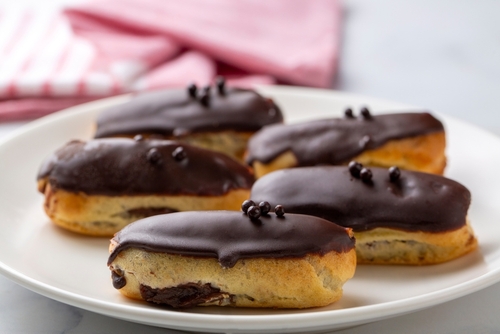
- Éclairs (France): Choux pastry that is filled with sweet cream and covered in icing.
- Pastel de Nata (Portugal): An egg tart with sweet, creamy filling and a crispy shell.
- Apple Strudel (Austria): Thin layers of baked pastry wrapped around tasty, spiced apples.
- British Scones: A soft, small cake you eat with cream and jam.
If you like sweets, western Europe has many treats to enjoy. The cakes and pastries of France, Germany, and other parts of Europe have a long story and a good taste.
Signature Desserts from France, Italy, Spain, and More
Many Western European countries are well-known for their desserts, not just their baked goods. In Italy, Tiramisu is one of the biggest favourites. This dessert is not baked. It has layers of ladyfingers soaked in coffee. There is a creamy mix of eggs, sugar, and mascarpone cheese on top. The finish is a dusting of cocoa powder.
In France, people enjoy Crème brûlée. This is a very creamy dessert. It is made with thick custard. On top, there is a crisp layer of burnt sugar. The two textures go well together.
spain has its own famous custard called Crema Catalana. It tastes a bit different because it has citrus and cinnamon. These flavours give it a taste that is very special to the area.
Belgium is known for its chocolate. They use it in sweets like the Dame Blanche. That is a sundae made with vanilla ice cream. It is covered in warm, thick chocolate sauce.
All these desserts show the sweet side of food in spain, france, and italy.
Conclusion
To sum up, Western European cuisine is full of taste, history, and many ways to cook food. Each country brings something special to the table. French cuisine is known for style, while Dutch food is warm and filling. Every place in Western Europe has food that people all over the world want to try.
Many european cuisine dishes use the same basic things and old ways of making food. This brings all the cuisines together and shows off the lively people they come from. You can eat a sweet pastry or have a nice bowl of pasta. Either way, you will see how much these food traditions mean to the world.
Learn more about european cuisine and see how these tasty meals can make your kitchen time more fun.
Frequently Asked Questions
What are the most iconic dishes in western European cuisine?
Some of the most well-known dishes in european cuisine are Coq au Vin from france, Spanish Paella, pasta from italy, and german Schnitzel. These traditional recipes are popular all over the world. They show the wide range of tastes in this region, from the light flavours of the Mediterranean to the rich dishes you find in the north of europe.
Which ingredients define western European cooking?
Some key things that make Western European cooking what it is include olive oil, garlic, and tomatoes in the southern areas. In the north, people use many dairy products, potatoes, and grains like wheat and rye. Spices are important too. For example, paprika and saffron make Spanish foods stand out. Fresh herbs are also used by most people everywhere.
How is western European cuisine different from eastern European cuisine?
Western European cuisine uses lighter sauces. People often use olive oil and wine when they cook, especially in the Mediterranean. On the other hand, Eastern European cuisine is different. It uses more pickling, smoking, and sour cream. There are more heavy foods like cabbage and root vegetables in their cooking. This shows how the climate and history have shaped each cuisine in Europe.