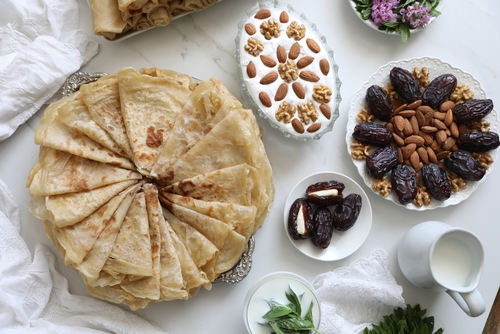

Key Highlights
- Sephardic cuisine comes from the Jewish communities in the Iberian Peninsula, which means both Spain and Portugal.
- It mixes Spanish Jewish cooking with ideas from the Mediterranean, North Africa, and the Middle East.
- The main things people use to make these foods are olive oil, fresh vegetables, beans, grains, and aromatic spices.
- When the Spanish Inquisition happened in 1492, many Sephardic Jews left. They brought their culinary traditions with them to the Ottoman Empire and other places.
- Popular dishes often have braised meats, stuffed vegetables, rice pilafs, and tasty pastries.
- Foods made for Jewish holidays like Rosh Hashanah and Passover are a big part of Sephardic cuisine and who they are.
Introduction
Welcome to the lively and tasty world of Sephardic cuisine! This food is not just for eating. It shows us history, travel, and culture, all together on your plate. These dishes started with the Jewish communities in the Iberian Peninsula. Later, the food from these jewish communities moved around the Mediterranean and picked up new tastes and foods. Get ready to see sephardic cuisine that mixes old Spanish ways with food from North Africa, the Middle East, and the Balkans. These dishes show how the people used what they had and made the best of new places and times. It is all about food, family, and sharing stories that go back many years.
Understanding Sephardic Cuisine and Its Origins
Sephardic cuisine is the mix of foods from Sephardic Jews, who have roots in the Iberian Peninsula. This style of food is tied to the Jewish diaspora. It mixes Spanish, Mediterranean, and Middle Eastern tastes. The dishes show how people moved and changed over time.
The food in these Jewish communities uses fresh ingredients from the season. It is a sign of the history of the people who took their recipes with them when they moved to new places. This is how a strong and varied culinary heritage was made.
The Roots of Sephardic Food in Medieval Spain and Portugal
The history of Sephardic food goes way back to medieval Spain and Portugal. On the Iberian Peninsula, Jewish people were a big part of life for hundreds of years. They helped shape culture, took part in science, and brought their own style to the food. The food they made was known to be refined, often with many pleasant smells, showing their comfortable city lives.
At this time, the Islamic world linked places from the Atlantic all the way to India. This big network made trade easy, which helped bring new foods like eggplant and spinach to the Iberian Peninsula. Jewish cooks quickly put these new foods into their cool jewish recipes. The Jews of Spain built their own way of cooking that was all their own, but also fit in with the area’s other foods.
There are cookbooks from this time, like the 13th-century “Cookbook of the Maghreb and Andalusia,” that have jewish recipes filled with many kinds of spices and steps on how to cook them right. This shows that their way of cooking was looked up to and seen as important in the world of food, even before they had to leave.
How History Shaped the Sephardic Jewish Culinary Identity
The Spanish Inquisition and the expulsion of Jews in 1492 changed everything for Sephardic cuisine. Many Sephardic Jews had to leave their homes. They spread out across North Africa, the Ottoman Empire—like Turkey and the Balkans—and other places around the Mediterranean. This big move was important for the Jewish diaspora.
As the Sephardic Jews started new lives in different places, they used local ingredients in their cooking but held on to their Sephardic tradition. They kept their recipes for slow-cooked stews, vegetable dishes, and more. This helped them keep their culinary heritage even through tough times.
Because of this history, Sephardic cuisine is very different depending on where you look. It mixes its Spanish beginnings with tastes from North Africa, the Ottoman Empire, and all the places where the Jewish diaspora travelled. This made a strong and special identity for their food, and they passed it down through the years.
The Mediterranean Influence on Sephardic Dishes
The Mediterranean climate had a big impact on Sephardic flavours. There was a lot of fresh fruit, vegetables, grains, and olive oil to use. This made plant-based foods a key part of the cuisine. Jewish communities who moved to the Mediterranean coast used the local ingredients they found there.
Places like Greece, Turkey, and Italy helped shape the taste of Sephardic cuisine. For example, Jews in Italy became famous for how they cooked artichokes. This way of cooking later spread to others in the area. The use of leeks and fennel in these dishes also came from Jewish cooking and is now enjoyed by many people.
Meat dishes were sometimes served, especially during Shabbat. But most of the time, fish was more common. This is because many Sephardic communities lived near the water. The focus on fresh food, like produce and fish, gives many Sephardic dishes their light and lively character—even today.
Core Ingredients and Signature Flavours
The heart of Sephardic cuisine is seen in the main ingredients and special sephardic flavors. This food comes from the Mediterranean region. It uses good olive oil, fresh herbs, and many aromatic spices. These all come together to make dishes that are good for you and also full of taste. This is not a cuisine with heavy sauces. In Sephardic cuisine, you let the natural taste of the food stand out.
You get the zing from lemon juice paired with the warmth from spices like cumin and cinnamon. These give many layers to the taste of sephardic flavors. The mix of these ingredients forms the basics of this style of cooking. It is a tradition with a lot of history and good taste. Now, let’s take a closer look at the key parts that make sephardic cuisine something special.
Essential Ingredients in Traditional Sephardi Cooking
When you look at traditional Sephardi cooking, you will see lots of bright and fresh foods in the pantry. The main things used in this kind of food show the sunny world of the Mediterranean. Olive oil is very important. Now and in the past, people use it for cooking, frying, or adding taste at the end.
Grains and beans are also a big part of these meals. These give the food its hearty and good feel. In many stews, salads, and sides, you will find chickpeas, lentils, or beans. Fresh vegetables like eggplant, tomatoes, peppers, and greens are included in most local dishes. Some of the main things you find in Sephardi cooking are:
- Olive oil: The fat used to cook and give food taste.
- Legumes: This means chickpeas, lentils, and fava beans.
- Fresh Vegetables: Foods like eggplant, zucchini, tomatoes, and peppers.
- Grains: Rice, bulgur, and couscous show up in lots of meals.
- Onions and Garlic: These make up the tasty starting point for a lot of savoury food.
All these things are not just items you find in your pantry—they help shape what the food is about. Cooking with these means you can make anything from a quick salad to a great stew. This kind of food is known for being fresh, simple, and really loving local dishes and olive
Unique Herbs and Spices Used in Sephardic Recipes
Sephardic recipes stand out in the world of food because they use aromatic spices and fresh herbs. The people behind these culinary traditions mix unique spices to give the dishes deep and rich taste, but they do not let the flavours cover up the real taste of the food. The way they blend these spices is what makes Sephardic food more memorable than many others.
Are there spices or herbs you can find only in Sephardi cooking? Many of them are used in Middle Eastern and Mediterranean food, too. Still, the way these herbs and spices are mixed is what sets sephardi cooking apart. They use a lot of cumin, cinnamon, allspice, and paprika to get the right taste. Fresh herbs like parsley, cilantro, and fresh mint leaves make the food feel bright. People often add lemon juice at the end to lift the awesome flavours.
Some of the big players in Sephardic cooking are the following aromatic spices and herbs:
- Cumin: Gives a warm, deep taste to stews and meat dishes.
- Cinnamon: Used in both sweet and savoury foods, showing a bit of North African style.
- Sumac: Brings a tangy, lemon-like bite, and is often dusted over chicken and rice.
- Fresh Mint Leaves: Puts a cool and fresh twist on salads and drinks.
The Role of Olive Oil, Grains, and Vegetables
Olive oil is the heart of Sephardic food. People in Sephardic communities use it much more than butter or any other kind of fat. This shows where the food comes from—the Mediterranean. Many call olive oil “liquid gold,” and it goes into dishes for sautéing, roasting, and salads. It gives the food a fruity and peppery taste that is part of Jewish cuisine. Many meals are cooked slow in olive oil. This helps the meat and veggies get soft and full of good taste.
Grains and popular veggies are just as important. They are in many dishes in Sephardic communities. For example, people make rice in pilafs, use bulgur in stuffings or salads, and eat couscous often, especially in North African Sephardic groups. Vegetables are more than a side—they are often the focus of the meal.
Eggplants, zucchinis, peppers, and artichokes often get stuffed, roasted, or cooked until they are very soft. This love for plant foods makes Jewish cuisine not only tasty but also healthy. It shows how much the people are in touch with what grows in their land.
Regional Influences Across Mediterranean Countries
As Sephardic Jews moved around the Mediterranean after 1492, their food began to change. They picked up new tastes from the places where they made a home. The food was not the same in North Africa as it was in Turkey or Greece. Every spot gave something different. This created a rich mix of flavour in Sephardic cooking. It also shows how strong and creative Sephardic communities could be.
Every area had its own way of using ingredients and cooking dishes. These ways made the group’s food even better. Spicy tagines from North Africa and stuffed vegetables in the Balkans show how each place added special touches. These local twists made new kinds of Sephardic cooking. Now, let’s look at some of these interesting styles.
North African Twists in Sephardic Cuisine
Many Sephardic Jews came to North Africa, mostly to Morocco. When they got there, their way of cooking started to mix with the local food. They used a new mix of spices and cooking tricks. The Jews of Morocco put things like preserved lemons, cumin, and turmeric into their sephardic cooking.
This mix made some of the most well-known foods in sephardic cuisine. They often made slow-cooked tagines, stews that fill you up, and fluffy couscous. All of these had a special mix of sweet and salty tastes. You might find cinnamon and ginger in a chicken meal. People sometimes put honey and almonds on top of a pastry that was mostly salty.
The way north africa shaped this food is clear. It really shows how sephardic cuisine used local ingredients and new tastes. The mix of Spanish-Jewish ways and Moroccan flavours made a style of food that is now seen as one of the four main food styles in the country. This shows how much the Jewish community became a part of life there.
Contributions from Turkey, Greece, and the Balkans
When Sephardic Jews came to live in the Ottoman Empire, they joined a group of people who had great taste in food. This had a big effect on what the Sephardic Jews ate. In Turkey, Greece, and the Balkan countries, many of them lived in big cities and often lived well. You can see this in their food, which shows the rich flavours of the Ottoman lands. That is how dishes like kebabs, pilafs, and dolmades (which are stuffed vegetables) became a big part of their meals.
There are many fresh vegetables in these areas. This meant the Sephardic Jews made lots of vegetable dishes with olive oil, called “zeytinyağlılar” in Turkey. They used eggplants, peppers, and grape leaves. These were filled with rice, herbs, and sometimes some minced meat. Then, they were cooked slowly with tomato sauce and olive oil.
The flavours in this style of Sephardic cooking grew stronger because of local culinary traditions. Yogurt, fresh dill, and flaky phyllo dough, often used for making small pies called bourekas, all came from this region. This meeting of cultures started a Greco-Turkish branch of Sephardic cooking that people love for its fresh and bold tastes.
Middle Eastern Adaptations and Fusions
In the Middle East, the food traditions around Sephardic cuisine kept changing, especially in places like Syria, Egypt, and the area that used to be called Palestine. Here, Jewish communities made use of things from the area, like tahini, chickpeas, and lots of different aromatic spices. They mixed these with their ways of cooking to make new and tasty Sephardic flavors.
Many of the dishes in the Middle East have ground meat, sometimes shaped into patties or used as fillings. The meat gets mixed with spices such as allspice and cinnamon. You can really taste the influence of Arab food—kibbeh is a common meal, and people use a lot of pomegranate molasses to give dishes a sharp taste.
These food traditions mixed together, so Sephardic cuisine in this region is very much tied to the Middle East. However, you can still feel the Spanish-Jewish past in every meal. Because so much of this food was shared inside the Islamic world, it is hard to know exactly where a dish was born. But every plate shows how well these food ways have come together, giving us a rich mix of traditions.
Key Techniques and Cooking Methods
Sephardic cooking uses ways of cooking that focus on deep flavour. It also uses the best fresh foods you can get. Slow-braising, roasting, and grilling are at the heart of these culinary traditions. People use those cooking techniques to show the real taste of different meats and vegetables. These ways of cooking have been shared for many years and keep going from one family to the next.
In the Sephardic tradition, people also use frying, steaming, and pickling. They show how clever people can be in the kitchen. These cooking techniques are about more than just making food. They are a way for people to feel close to their past. Now, let’s see a few of the main things people do in sephardic cooking that help make this food stand out from the rest.
Braising, Roasting, and Baking—Sephardic Approaches
What makes Sephardi food stand out in Jewish cooking is how the dishes are made. Braising, which is slow cooking in liquid, is a core part of sephardic cuisine. People simmer veggies and meat for hours in olive oil, tomatoes, and onions. This helps everything get tender and full of flavour. It’s the way classic Sabbath stews like Hamin are made.
Roasting is also loved by those who follow the sephardic tradition. It works well for chicken and vegetables. The marinade is simple and uses olive oil, lemon juice, garlic, and herbs. This mix helps the food taste good and smell great. Using good ingredients and not doing too much to them shows what sephardic cuisine is all about.
Baking is just as important. It isn’t only for bread but also for pastries and pies. Flaky dough gets stuffed with cheese, spinach, or meat. That’s how you get treats such as bourekas. In the sephardic kitchen, braising is for deeper flavours, roasting keeps things easy, and baking is there when you want to celebrate with food.
Use of Fresh Produce and Seasonal Ingredients
A big part of Sephardic Jewish food is using fresh produce and seasonal ingredients. The cooking moves with the farm calendar. You use foods that are ripe and easy to get at that time. This gives all the dishes a bright and rich taste.
Sephardic cooking is different from others that use lots of preserved foods. Here, the focus is on what you have right now. Salads use crisp greens and juicy tomatoes. Stews get filled with root vegetables that are in season. Desserts show off fresh fruit. This strong link with local ingredients is what you often find in the Mediterranean diet. In jewish food, the main things you use in sephardic cooking are:
- Artichokes: They are often cooked slowly with lemon and dill.
- Eggplant: You can roast, fry, or stew eggplant in many ways.
- Leeks: They’re used in well-known fritters called keftes de prasa.
- Tomatoes and Peppers: These make up the base for many stews and salads.
- Fresh Herbs: You see plenty of parsley, cilantro, and mint in the dishes.
Using fresh herbs and local ingredients is a big part of what makes Sephardic jewish food taste so good.
How Family Traditions Preserve Time-Honoured Skills
Family tradition is very important when it comes to passing down Sephardi recipes. It is at the core of how these dishes stay alive. For many years, people in Sephardic communities did not write down their recipes. Instead, mothers showed daughters, and grandmothers taught grandchildren. This is how their cooking and culture kept going.
In the kitchen, families do not just talk about what goes into the food. They also talk about their lives, show methods, and explain why each dish matters. The way you shape a certain pastry or season a Shabbat stew can become something special for your family. It connects everyone to their ancestors and to Jewish life from a long time ago.
Doing things this way means old skills do not get lost. Things like stuffing vegetables gently or making a stew step by step for Shabbat are kept, not forgotten. The family kitchen is the centre of Sephardic culture. It is the place where people use their culinary heritage every day, and where it gets handed down to kids and grandkids.
Classic Sephardic Soups, Stews, and Appetizers
The journey into sephardic cuisine often starts with soups that warm your soul, hearty stews, and small appetizers. These foods are a good way to see the rich flavours and textures that make up this style of cooking. They show how sephardic cuisine uses vegetables, beans, and spices in creative ways, just like many jewish recipes do.
From a light vegetable dish to a slow-cooked stew for Sabbath, these favourite recipes share stories of comfort, joy, and tradition. Get ready to look at some of the most well-known dishes that you will find on the sephardic table.
Beloved Soups: Harira, Sopa de Ajo, and Others
Sephardic soups are the best when you want comfort food. They usually have lots of vegetables and some kinds of beans or lentils. Harira is a good example. This thick Moroccan soup fills you up. Quite a few people love it in Muslim culture too, but Jewish families put their own spin on it. They often make it with lentils, chickpeas, tomatoes, and mix in spices like turmeric and cinnamon. The soup is full of flavour and there is a good smell coming from the bowl. You can enjoy it as a meal, and it is just right when it is cold outside.
Sopa de Ajo is another soup you should try. People know it as garlic soup, and it started in Spain. The soup is simple to make but each bite tastes strong because of the garlic, stale bread, paprika, and some olive oil. Many will drop an egg in to cook right in the pot. This meal shows how you can work with what you have, a real sign of how creative Sephardic food can be.
These dishes do not show everything you can find in Sephardic food, but they are a nice start. Some soups are sour, like the lemon-and-egg soup you might try in Greece (avgolemono). Other times, you get just a clear vegetable broth, which is a perfect hot winter drink. If you know any recipes that are old family favourites from Sephardi cooking, you should share them. There’s so much more to
Hearty Stews Like Hamin and Chuletas
Hearty stews are a big part of Sephardic cuisine. People often make these for Shabbat and Jewish holidays. The most well-known one is Hamin, which is a lot like the Ashkenazi cholent. Hamin is made before Shabbat starts, then left to cook all night. It will be ready to eat for lunch the next day. The things you put in it can change from place to place. Most of the time, it has meat, potatoes, chickpeas, beans, and whole eggs. After many hours, the eggs turn brown on the outside and taste very creamy.
Chuletas, also called cutlets, are also found in Sephardic cuisine. This usually means lamb or veal chops, but they are not fried. People braise or stew them instead. Many times, these are cooked with vegetables like artichokes or peas. A tomato sauce that is full of flavour goes on top. This cooks down and makes the meal very tender and tasty. It is perfect as a main dish.
Meals like these stews are important for more than just eating. These dishes bring families together on Jewish holidays and on Shabbat. The slow way of cooking helps all the flavours get to know each other. The end result is a dish full of comfort and history. It shows a taste of the tradition that means a lot to everyone at the table.
Vegetable-Based Starters and Salads
Sephardic food is known for its tasty vegetable starters and salads. Many of these dishes come with a meze platter. They use fresh, sun-ripened foods from the Mediterranean. The recipes are simple, with olive oil, lemon juice, and fresh herbs. This lets the real taste of the vegetables stand out.
One example from North Africa is Matbucha. This is a cooked salad with tomatoes, roasted peppers, garlic, and chili pepper. It’s slow-cooked until it turns into a thick and tasty dip. People like to eat it with challah bread. There is also a simple salad with cucumber and tomato. The veggies are chopped into small pieces. Fresh mint gives the salad its fresh taste.
These Jewish recipes show how a vegetable can be the main part of any meal. Roasted eggplant dips like baba ghanoush and tangy beet salads are some of the favourites. These starters are full of colour, healthy, and a great way to begin a Searsphardic meal.
Rice, Grains, and Vegetable Specialties
Rice, grains, and vegetables are the base for a lot of meals in sephardic cuisine. These foods are not just sides on the plate. They are often cooked to be tasty and filling main dishes. This kitchen style shows how smart people can get with basic things like rice, bulgur, and beans.
These main dishes show the skill and love for plants in sephardic cuisine. You will see fancy rice pilafs, warm lentil stews, and vegetables made in many delicious ways. These are a big part of any sephardic meal. Now, let’s look at some of the special ways people prepare these foods.
Signature Rice Dishes: Pilaf, M’jedra, and More
Rice dishes have a special place in Sephardic cuisine. You will often see them at big meals and on holidays. The Sephardic pilaf shows this well. This is not just plain steamed rice. To make pilaf, they first cook the rice in oil and onions. Then, they simmer it in a tasty broth. People like to add nuts, dried fruits, and spices like cinnamon and allspice. This makes a dish that smells and tastes rich.
M’jedra, or Mujadara, is another much-loved rice dish in the middle east and jewish food. It has rice, lentils, and caramelized onions. This meal is simple, but it eats very well. It comes from the middle east and became a staple in sephardic cooking. It is a great plant-based main if you want something both filling and good for you.
If you want a special celebration meal, try making a jeweled rice pilaf. It shines with colourful dried fruits and nuts. This kind of rice dish is perfect for Rosh Hashanah, but people enjoy it other times too. These rice dishes show how Ottoman and Persian foods have shaped sephardic cuisine.
Favourite Legumes and Pulse-Based Meals
Legumes and pulses play a big role in the Sephardic kitchen. They add protein, taste, and fill out many meals. Chickpeas, lentils, and fava beans are some of the favourite ingredients you will find in Jewish food. People use them in soups, stews, salads, and dips. They are main staples often cooked in food from Jewish communities.
One of the well-known dishes is ful medames. It’s common in Egypt and all over the Middle East and is also loved by local Jewish communities. Ful medames is made with slow-cooked fava beans, olive oil, cumin, and lemon juice. Another favourite is a simple lentil soup. You cook it with vegetables and some spice for a meal that is good for you and doesn’t cost a lot.
Using legumes this way is important for many dishes in Jewish food from this area. It shows how people made do with what they had and used what grew in the Middle East. These meals with pulses are filling, good for you, and show off the tasty side of Sephardic cooking.
Roasted and Stuffed Vegetables—A Sephardic Hallmark
If there is one cooking method that stands out in sephardic cooking, it is making roasted and stuffed vegetables. When you go to a Sephardi celebration or holiday, you can pretty much count on seeing some type of stuffed vegetables. They are often called “legumbres rellenos.”
You can use almost any vegetable you have. Try bell peppers, zucchinis, eggplants, tomatoes, or even onions and artichokes. The filling depends on where you are from and who is making the dish. Most of the time, though, the filling will have rice or bulgur, ground meat or mushrooms, and some fresh herbs and spices. After you stuff them, the vegetables are slow-baked or cooked in a light sauce with tomato or lemon. This makes them soft and full of taste.
People often make these local dishes for Shabbat or other special times. Making these jewish recipes does take time and care, but it shows the special way the Sephardic people can turn simple things into great food with the help of fresh herbs and love. That is what makes these recipes stand out in jewish cooking.
Meat, Fish, and Poultry Traditions
Sephardic food is full of dishes made with vegetables. But the cooking of meat, fish, and chicken is just as special. These kinds of dishes are often made for Shabbat, holidays, or when there is something to celebrate. People use many spices and slow-cooking techniques to make the flavour stand out. Most of the time, lamb, chicken, and fish are the top choices for these meals.
How people cook these foods can change a lot depending on the region. This shows the different tastes and ideas of each place. There are dishes like grilled kebabs and even lighter meals made with fish. These main dishes are an important part of Sephardic hospitality and celebration. Let’s take a look at some famous foods and cooking techniques from this group.
Popular Sephardic Main Dishes Featuring Lamb and Chicken
Lamb and chicken are the main meats people use in sephardic cuisine. You will find these meats in many big meals for special days. The use of lamb is very common. It shows how sephardic cooking gets ideas from Middle Eastern and Balkan food. Lamb might be slow-cooked with herbs and garlic. It can also be cooked in a tagine with apricots and almonds. Some use it minced for kebabs or stuffings.
Chicken is also used in many ways and shows up in lots of tasty recipes. One well-known dish is pollo con arroz. It is a Spanish-style meal of chicken and rice with saffron. At jewish holidays, families often serve a whole chicken. They soak it in olive oil, lemon, and spices like sumac before roasting it.
Looking for traditional sephardic recipes for well-known dishes? You can try a warm chicken tagine with preserved lemons and olives. This is a great dish for North African sephardic cooking. These meals are full of taste, smell wonderful, and are important for family times together.
Iconic Fish Preparations for Weekdays and Festivals
Sephardic food, with its roots in the Mediterranean, is known for using a lot of fish dishes. Fish was a big part of the diet because it was easier to get and often cost less than meat. That is why people would eat fish on both weekdays and during festivals. The way people prepare fish is simple and full of taste. These methods help to bring out the freshness of the seafood.
One classic dish for Shabbat in North African communities is “pescado frito.” This means fried fish. The fish is seasoned, covered in flour, and then fried until crispy in olive oil. Another well-known way people in Greece and Turkey cook fish is “al agristada.” This is where fish is cooked in a sauce made with lemon and egg, giving it a tangy taste.
On Jewish holidays, people might serve a whole baked fish. This dish is more than just food; it stands for having plenty and wishing for good luck. Whether the fish is fried, baked, or cooked in a spicy tomato sauce called chraime, fish is a big deal in sephardic food. It connects the people to the sea, which has been a part of their life and history for a long time.
How Kosher Laws Are Reflected in Sephardic Cooking
What makes Sephardi food stand out in jewish food? One big reason is how the food follows kosher rules. Jewish people have the rule of kashrut. This means they can not mix meat and dairy foods. People stick to this rule in the kitchen. But how this happens in sephardic cooking is not the same as in ashkenazi cooking.
In sephardic cooking, olive oil is used more than butter or chicken fat called schmaltz. This makes it easy to cook pareve meals, which means the food does not have meat or dairy. These meals can be served with meat or dairy at any time. This gives a lot of ways to make food and be flexible.
Also, sephardic cooking uses lots of vegetables, grains, and beans. A lot of these dishes do not have meat or dairy in them. This follows kosher laws but does not call for big changes. It is part of the style of food in sephardic cooking. This helps make this culinary tradition special.
Sephardic Breads, Savoury Pastries, and Sweets
You can’t really talk about Sephardic food without mentioning its amazing breads, tasty pastries, and sweets. This part of jewish cuisine has something for every day. There are also fancy pastries for special times and lovely desserts made with nuts, honey, and warm spices.
People usually pass these recipes down in their families, and they put a lot into making them. You can try something simple, like Shabbat bread, or go for something sweet and rich, like treats covered in honey. Both are always a joy to eat and share.
Everyday and Festive Breads in Sephardic Homes
Bread is at the heart of life in many Sephardic homes. While Ashkenazi Jews have their well-known braided challah bread, Sephardic challah often comes in other shapes. For Rosh Hashanah, you might see round loaves of bread. This shows the circle of life in the new year. The breads are rich because they often have eggs and sometimes have anise or sesame seeds on top.
Sephardic cuisine has more kinds of bread, both for every day and for special times. For jewish holidays, people bake breads with their own flavours and meanings. Pan de tres puntas is a famous three-cornered bread you might see at big events.
Would you like traditional Sephardi recipes for dishes people love? Try a simple Sephardic challah recipe. It has a shiny egg wash and a good sprinkle of seeds over the top. People serve this bread along with strong flavourful stews or light salads. It helps bring the meal together. Every loaf carries with it a feeling of welcome and a deep sense of tradition.
Spanakopita, Bourekas, and Other Savoury Pastries
Savoury pastries are a big part of the Sephardic kitchen. People love to have them as snacks, appetizers, or even a small meal. Bourekas stand out as the most well-known. These are small pies that you can hold in your hand. The dough is flaky, and the pies have many kinds of fillings, like cheese, spinach, potatoes, or eggplant. Usually, the way they are shaped shows you what is inside. Cheese is in a triangle, and spinach comes in a coil, and there are other shapes too.
Spanakopita is Greek, but you will find a lot of Sephardic recipes with a pie almost like that. This spinach and cheese pie is special to Jews from the Balkans and Turkey. Pastel is one more loved pastry in this group. It is a bigger pie and has a deep, tasty filling of meat or chicken. They often bring it to the table on special days.
These savoury pastries came down to us from the time of the Ottoman Empire. At that time, cooks made amazing doughs and had lots of skills with adding filling that gave great taste. Making bourekas at home is still important for holding on to the sephardic tradition, and you can taste their long story in every bite.
Sweets and Desserts: From Turkish Delight to Marzipan
Sephardic sweets and desserts bring a lovely finish to any meal. The food is different from heavy, rich desserts. Sephardic food uses nuts, honey, citrus, and spices to make great treats. Marzipan is a soft sweet that mixes ground almonds and sugar. It started in Spain and is still enjoyed today, especially by Moroccan Jews.
You can also see the impact from the Ottoman Empire in these desserts. Many people love syrup-soaked baked goods. Baklava is made with many layers of phyllo, lots of nuts, and honey syrup. It’s a top pick for any gathering. Turkish delight (lokum) comes in many tastes and is loved by many, too. These desserts taste sweet, are cut small, and often come with strong coffee.
Would you like some classic Sephardi recipes for these popular dishes? Travados is one option. It’s a baked sweet with nuts inside and soaked in syrup. You can also try simple almond cookies called mostachudos or light semolina cakes. All of these treats show the rich story of Sephardic history in the Middle East and how it moved across the Mediterranean.
Keywords: sephardic food, middle east, ottoman empire
Jewish Holiday and Festival Foods
Food is a big part of Jewish holidays and festivals. In sephardic cuisine, every special day has its own dishes that are rich with meaning and taste. These festival foods help families hold on to their Jewish tradition. They also tie people to old ways and to their family history. From the sweet dishes served at rosh hashanah to what people make for Passover, food plays a key role in the events.
These meals do more than feed us. They show stories, give hope, and help families make memories that last. Now, let’s look at some of the dishes you will find on a sephardic table during jewish holidays.
Shabbat Dishes Unique to Sephardic Kitchens
Some foods are always part of Sephardic celebrations and holidays. For Shabbat, the weekly day of rest, Hamin is the number one dish. This stew cooks slowly and you see it in many forms, from Morocco to Iraq. Hamin is the Sephardic version of Ashkenazi cholent. People make it on Friday before sunset and let it cook all night, so there is a hot meal for Shabbat lunch.
The Shabbat morning usually begins with bourekas or other savoury pastries. On Friday night, there is almost always a fresh baked challah. You will also see a table with many salads and dips, the “salatim,” such as matbucha and hummus. For the main part of the meal, people often cook roasted chicken or a tasty fish dish.
These Shabbat dishes are made before Shabbat, because cooking is not allowed during the holy day. They are a big part of sephardic cuisine. These foods bring out the feeling of family, being with others, and taking time to rest with every bite.
Passover Specialties and Ritual Foods
The Passover Seder uses many ritual foods, and the Sephardic tradition adds its own flavours to the meal. One big difference is how Sephardic communities treat kitniyot. These are foods such as rice, corn, and beans. Ashkenazi Jews usually do not have these foods on Passover. But most Sephardic communities do eat kitniyot, so the menu can be much bigger.
This means many rice dishes and meals with chickpeas or beans are easy to find during Passover in these communities. One dish often found is called “Mina.” Mina is a special Passover pie. It uses matzah soaked in egg for its layers and can be filled with meat or vegetables. When it comes to the Seder plate, the charoset is also different. The Sephardic tradition uses a thick paste made from dates, not the usual apple-and-nut mix that Ashkenazi Jews have.
These Passover foods are tightly linked to the stories of Sephardic Jews who left Spain and travelled to new places. The food is not just for eating. It is a big part of telling the story of freedom at the Seder each year.
Celebratory Foods for Purim, Hanukkah, and Rosh Hashanah
For Rosh Hashanah, the Jewish New Year, people set the table with foods that have meaning. This is done to help bring a good year that is sweet and full of good things. You often see dishes with carrots, leeks, and pomegranates. There could also be a nice jeweled rice pilaf. Sometimes, people put the head of a fish on the table. This stands for being “the head and not the tail,” which means leading, not following.
In Hanukkah, foods made in oil take the main stage. This is to remember the oil miracle of the holiday. While some prefer to make latkes, others cook up “bimuelos” or “keftes de prasa.” Keftes de prasa are little fried cakes made with leek. You might also find “sufganiyot,” which are sweet, round donuts.
Purim is a bright holiday, and brings many treats. “Orejas de Haman,” which are crisp fried dough pieces with syrup, are served. All these foods mark important moments of the year, close out one season, or start a new one. With every dish, people look forward to a good year.
Conclusion
Sephardic cuisine is full of history, culture, and tradition. It shows the journey of the Sephardic Jewish people through the Mediterranean. These dishes use special ingredients, flavours, and cooking styles, and each one has a story about how people stayed strong and made changes over time. When you enjoy food from this culinary heritage, you remember the past and make your meals full of more taste and joy.
As you learn about sephardic cooking, try adding these meals to your kitchen and sharing them with family and friends. You can also help keep these food traditions alive by passing the recipes down. If you want to know more about sephardic cuisine or find new dishes to try, check out our resources or book a free talk with our culinary experts. Enjoy cooking!
Frequently Asked Questions
What are the key differences between Sephardic and Ashkenazi Jewish food traditions?
The biggest difference comes from the things people use to cook and where they live. Sephardic cuisine comes from the Mediterranean. People there use a lot of olive oil, fresh vegetables, beans, and rice. Ashkenazi cuisine comes from Eastern Europe. People there use chicken fat, potatoes, and wheat, which make heavier Jewish recipes because it is a colder place.
Which herbs and spices make Sephardic cuisine unique?
Sephardic cuisine stands out because of the use of aromatic spices. You will often find cumin, cinnamon, allspice, and sumac in many dishes. These spices give the food a rich and special smell. In this jewish food, people also use a lot of fresh herbs like parsley, cilantro, and mint. These herbs bring a bright and fresh taste and help to make sephardic cuisine different from other kinds of food.
Can you recommend resources or cookbooks for learning more about Sephardic recipes?
If you want to know more about Sephardic cuisine and Jewish food, you can look at Claudia Roden’s “The Book of Jewish Food.” This Jewish cookery book is well known. It has a lot about Sephardic cooking. You can also find tasty Sephardic recipes and their stories on websites like The Jewish Food Society and Tori Avey’s blog.