
Key Highlights
- Oceanian cuisine is wide and full of different foods. It includes food from Polynesia, Melanesia, Micronesia, Australia, and New Zealand.
- On the Pacific Islands, people use root vegetables like taro and yams as staple foods. There is lots of fresh seafood, and coconut is important for its milk, cream, and oil in many dishes.
- One old way to cook is the earth oven (ahima’a). Hot rocks are used to heat food that is wrapped in banana leaves. This way, the food cooks slowly for a long time.
- Australian cuisine has special bush foods that come from Indigenous people. At the same time, it shows food ideas from British settlers too.
- Polynesian cuisine is loved for its meals such as poisson cru. Sharing food together is a big part of the enjoyment.
Introduction
Get ready to go on a food adventure across the big Pacific Ocean! Oceanian cuisine is full of taste and colour because of the tropical islands and old ways of life. The food comes from places like Australia and the centre of the Polynesian triangle. There is a story in each plate about the land and sea. In this journey, you will get to see the special culinary traditions from the Pacific Islands. You will see how fresh, local ingredients and old cooking methods make this cuisine stand out. So, come and see a world full of good and different dishes.
The Diversity of Oceanian Cuisine
The food in Oceania is a mix of many different tastes and traditions. It comes from the different island groups like Melanesia, Micronesia, and Polynesia. There are also the foods from Australia and New Zealand that add to this mix. Each of these places has its own way of cooking. The food people eat is shaped by what they can find on the island and by the history they have. In places like Fiji, New Guinea, and all through the Polynesian Triangle, you can see how island life shapes their meals.
This mix of food styles comes from people who lived there first and from new ideas brought from outside. For example, the dishes of Indigenous Australians are not the same as what British settlers brought. When you put them together, you get interesting tastes and new way to make meals. In the next parts, you will learn more about these different food traditions. You will also see how outside influences helped change what people eat in each part of Oceania.
Culinary Influences from Indigenous and Colonial Traditions
The food in Oceania is full of life and history. People there have strong culinary traditions that started long ago. They use what they can find on the land or in the sea. In Papua New Guinea and the Solomon Islands, people enjoy lots of food that grows nearby and seafood caught fresh every day. Many dishes there use coconut milk to add flavour.
When British settlers and other Europeans came, it changed how people cooked. They brought new foods and different cooking styles. Meats became more popular. Some islands also started using butter and cream, thanks to French influence. You can see this blend in new zealand cuisine, where Māori traditions meet foods and recipes from Europe.
Over time, even more changes came when Chinese workers showed up. They brought in soy sauce and the idea of stir-frying. This changed the food mix in Oceania, giving it even more taste and variety.
Now, the cuisine in places like new zealand, new guinea, and across Oceania is always growing and changing. But it still remembers where it came from. Dishes often bring together coconut, seafood, and other ingredients that have been an important part of life there for many years.
Regional Differences Across Melanesia, Micronesia, Polynesia, and Australia
Each main area in Oceania has the kind of food that sets it apart. This is because the environment and the history of each place is different. The main starch or staple food in each island group shows what grows well there and what resources the people have.
For example, in Polynesia the food you see most is breadfruit and taro. In Australian cuisine, you will find bush foods mixed with European-style dishes. When you look at each place, you can see how their cuisine is not the same.
Here’s a quick look at how the regions in Oceania are different:
- Melanesia: People use a lot of root vegetables. You will see many meals made from greens and coconut as well.
- Micronesia: If you look at the Federated States of Micronesia or the Marshall Islands, a lot of the food is seafood and breadfruit.
- Polynesia: This place is known for using earth ovens. They make dishes with raw fish that has been marinated in citrus and coconut milk too, like what you find in French Polynesia.
- Australia & New Zealand: This area has food made by Indigenous people, but also has meals that come from British and other countries.
In the end, the food in Oceania shows how people use what they have. New Zealand and Australia, like the rest, mix what is new with long-standing traditions.
Signature Ingredients in Pacific Island Cooking
The heart of Pacific Island cooking is in the fresh and colourful things from the land and sea. You will find root vegetables like taro and sweet potato at the base of a lot of meals. They add body and have a mild sweet taste. Seafood is big here, mainly fresh fish. It is often on the plate and gives people protein in many ways.
One of the most important things you will find is the coconut. People use coconut in many forms—coconut milk and coconut cream to make sauces, coconut oil for cooking, and even coconut sugar and sap to sweeten dishes. When you mix these with tropical fruits, leafy greens, and a bit of lime juice, you get the true taste of this place. Now, let’s take a closer look at these main parts.
Root Vegetables, Taro, Yams, and Sweet Potatoes
Root vegetables are at the heart of the usual Oceanian diet. People eat these as the main starch in most meals. They are always easy to find, grow well in the tropical weather, and fill you up. This makes them a good food for the islands.
You can have root vegetables in many ways. Some cook them by baking or boiling. Others mash them or pour some coconut milk over for a soft, rich meal. They taste a bit sweet on their own, so the food goes well with both savoury and sweet things. Even taro leaves, which come from these plants, are good to eat and full of the nutrients people need.
Key root vegetables and starches include:
- Taro: Called the “potato of the tropics,” it has a mild sweet taste. It’s an important staple in this diet.
- Yams: These have a nutty and sweet taste. They fill your stomach and are liked by many.
- Sweet Potato: This gives a rich taste and a bit of sweetness to food.
- Breadfruit: When you cook it, breadfruit feels and tastes like bread. It’s good to eat on the side of many meals.
The Importance of Seafood and Shellfish
The vast Pacific Ocean is the other great provider for island communities, making seafood and shellfish the main source of protein and a celebrated delicacy. The clear lagoons and shallow waters teem with life, offering an abundance of fresh fish and other marine treasures that are central to the local cuisine.
From simple preparations of raw fish marinated in lime juice, similar to sushi, to more elaborate dishes featuring lobster or crab, seafood is enjoyed daily. Methods range from grilling over hot rocks to stewing in flavourful broths. The emphasis is always on freshness, capturing the pure taste of the ocean.
Here’s a glimpse at the variety of seafood you might find:
| Type of Seafood | Common Examples |
|---|---|
| Ocean Fish | Tuna, mahi-mahi, swordfish |
| Lagoon Fish | Red mullet, scad, parrot fish |
| Shellfish | Oysters, sea snails, lobster, crab |
| Other Marine Life | Freshwater shrimp, sea urchin, octopus |
Coconut, Tropical Fruits, and Their Uses in Traditional Recipes
The coconut is the most important thing in Oceanian cuisine. People use every part of it when they cook. Its flesh gets pressed to make creamy coconut milk and cream. These make a base for many sweet and savoury meals. The clear water inside young coconuts is cool and nice to drink. Grown coconuts give coconut oil that can be used for cooking.
The region also has lots of tasty tropical fruits. Mangoes, papaya, pineapple, and bananas are eaten by themselves or in fruit salads. Sometimes, people add the fruits to savoury meals for a bit of sweetness. These foods make the tastes from the area so bright and balanced.
Here are some common uses:
- Coconut milk/cream: This makes curries, marinades, and desserts thick and smooth.
- Tropical fruits: Added to raw fish with lime juice for a sweet and tangy taste.
- Banana leaves: Used to wrap food when cooking, it gives a light flavour.
- Coconut derivatives: People use coconut oil, sugar, and sap for cooking and making things sweet.
Cooking Methods Unique to Oceanian Cuisines
The cuisines of Oceania are shaped by both their foods and the special ways people cook there. Many of these cooking styles have been used for many years. They work well in the islands. The earth oven is very common. People heat hot rocks in a fire pit and use them to cook the food slowly.
People in Oceania do not only use slow cooking. They often use smoking and keeping food for longer by using things like fermentation. Many times, they put food in banana leaves before it is cooked. This keeps the food wet and helps add more flavour. These ways make the natural tastes better. You can be sure that these dishes from the cuisines of Oceania will be good for your taste buds.
Earth Oven and Fire Pit Techniques
The earth oven is used for traditional cooking in many places around the Pacific. You see it a lot in the Polynesian triangle and in New Zealand. People call it an ahima’a or kālua. To do this, they dig a pit, make a fire, and heat up volcanic stones. Then, they put food on top of these hot rocks so it can cook nice and slow.
Usually, people take things like fish, root vegetables, or even a whole pig to cook this way. They put on some spices and add oil or coconut milk. After that, they wrap all this food in big banana leaves. Next, the bundle goes in the earth oven. Then, they cover it with banana leaves and earth and leave it for a few hours. When it is done, the food is soft, juicy, and smells great. You also taste a little bit of smoke that comes from the hot rocks.
This slow way of cooking with the earth oven is great for these things:
- You can cook a lot of food at once for parties or big family meals.
- It makes tough pieces of meat nice and tender.
- It works well with staple foods like breadfruit, root vegetables, and tubers.
- All the flavour from banana leaves, coconut, and spices goes right into the food.
Fermentation, Smoking, and Preservation Traditions
Beyond using heat for cooking, people in Oceania have always relied on preservation methods like fermentation and smoking. These old ways help food last longer in the hot and wet climate, so there is always enough to eat. This is very important for places such as Papua New Guinea.
Fermentation is a key process in making foods like poi. In this dish, people mash staples like taro or breadfruit and let them sit until the mixture turns tangy and tastes a bit like yoghurt. People in Oceania also smoke fish and meats. Smoking helps keep the food good to eat, and it gives it a smoky flavour many people enjoy.
There are also other ways to keep food fresh, such as:
- Putting raw fish in lime juice. This acid “cooks” the fish.
- Using salt to remove water from different foods.
- Covering foods in coconut oil. This oil acts as a shield around the food.
- Mixing local ingredients with things like soy sauce for exciting new flavours.
These techniques use all types of local ingredients, like coconut, lime, taro, and breadfruit. People in New Guinea and especially Papua New Guinea, use these methods to keep food tasty and safe to eat. It also brings new ideas by blending modern ingredients like soy sauce with old favourites.
Iconic Traditional Dishes of Oceania
When you think about Oceanian food, some well-known dishes will come to your mind right away. In Polynesian cuisine, you have to try poisson cru. It is a cool dish made with raw fish. The fish is mixed with fresh lime juice and creamy coconut milk. This mix gives you the true taste of islands like Fiji and Hawaii. People like to make this dish in different ways, but it is always a favourite staple.
In Australia, things are a bit different. The focus is on bush foods that Indigenous Australians have used for a long time. There are also new foods people enjoy now. Over in New Zealand, the food shows Māori traditions. In all these countries, you can see how their food comes from old customs and also from new ideas. Let’s have a look at some of the famous foods you will find in these regions.
Famous Foods from Polynesia, Micronesia, and Melanesia
The islands in the Pacific—like Polynesia, Micronesia, and Melanesia—each have their own tasty foods. Both people who live there and people who visit love these dishes. You see the mix of new ideas and old ways of cooking with local, fresh items.
In Polynesia, one dish called poisson cru is very popular. People from French Polynesia often call it their national dish. It has raw fish, often tuna, marinated with lime juice. It then gets mixed with vegetables and coconut milk, which is common in the region. In Fiji and Samoa, people enjoy curries made with coconut milk, taro leaves, and either chicken or beef.
Here are some well-known dishes you can try in these Pacific islands:
- Poisson Cru (Polynesia): Raw fish that is soaked in lime juice and coconut milk.
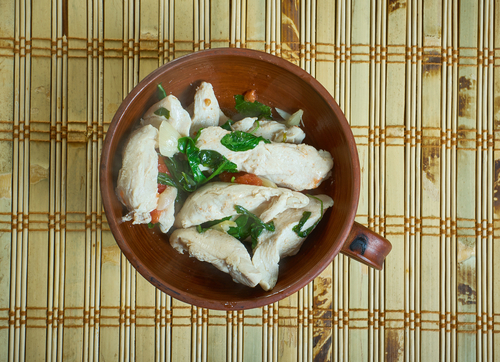
- Poulet Fafa (Polynesia): Chicken cooked in an earth oven with spinach and coconut milk.
- Coconut Curry (Melanesia): A soft curry cooked with coconut and turmeric that many in Fiji like.
- Chevreffes (Polynesia): Sweet freshwater shrimp that’s slow-cooked in coconut milk and vanilla.
- Ahima’a (Polynesia): Food, such as meat and vegetables, baked in an earth oven until it is soft and tasty.
Unique Australian Bush Foods and Māori Culinary Heritage
Australian food brings together different tastes. It mixes old food traditions from Indigenous Australians with things brought in from many other places. Bush foods are important in this cooking. They use things like native meats, local fruits, seeds, and leafy greens. These foods are now getting more attention in the country because they taste good and are different.
The food in New Zealand shows off its Māori roots. The hāngī is a deep earth oven, like ones used in Polynesia. It’s a special way to cook big meals, with meat and vegetables in the ground for celebrations. This cooking method makes food soft and full of flavour.
Here are some examples of foods that stand out in this part of Oceania:
- Bush Foods (Australia): Dishes with kangaroo, emu, quandong fruit, and lemon myrtle.
- Modern Australian Dishes: Foods like the halal snack pack that show mix of many cultures.
- Hāngī (New Zealand): Meat and vegetables slow-cooked deep in an oven built in the earth.
- Pavlova (Australia/New Zealand): A light, sweet dessert made of meringue. Both Australia and New Zealand say they started pavlova, so there is a bit of friendly competition.
These foods help show the best of new zealand cuisine and australian food. It is clear how people in oceania, from australia to new zealand, mix the old and new to make meals that people love.
Rituals and Unique Dining Experiences in the Pacific Islands
In the Pacific Islands, food is about much more than eating. It is a big part of social life, culture, and how people celebrate. People in the Pacific Islands often gather to eat together as a group. Family and friends come together for big meals and special events. These times are for sharing stories, making connections stronger, and enjoying plenty of good food.
It does not matter if it is a large gathering with lots of Polynesian cuisine or a small meal with the people who live nearby. The important thing is being together as a community. The steps that people take to make and eat their meals matter just as much as what is on the plate. These customs give everyone a look into the heart of the island culture and the strong link people have with food, especially in the Pacific Islands.
Feasts, Communal Gatherings, and Food Customs
Feasts and community get-togethers are seen as the highest form of hospitality and welcoming in Oceania. In Hawaii, this is called a luau, while in French Polynesia, people call it a tamara’a. These gatherings offer a huge range of food that will amaze you. It’s a special time where everyone is invited to eat, chat, and have a good time.
At these events, the best local and imported foods often come together on the same table. You could see a whole pig being roasted in an earth oven, plus seafood, root vegetables, and tropical fruits. These feasts in Oceania focus on sharing and being generous, so everyone leaves full.
Food customs you may see are:
- Having barbecues and cooking in earth ovens, mostly at festivals.
- Sharing food from a big dish.
- Serving guests first to show you respect them.
- Giving food as a gift at special times.
- People often work as a group to prepare the main starch staple.
The Role of Food in Festivals and Ceremonies
Food holds a strong meaning in festivals and ceremonies in the Pacific Islands. People in places like Fiji make certain dishes for big events, like weddings or births, to honour their ancestors or gods. Making and sharing the food is a very important part of what people do at these times.
In many groups, some foods are seen as very special and are saved for key events. For example, taro or yams might be brought in large amounts as gifts, and the best pieces of meat go to elders or important guests. These ways of handling food help to support how people get along and what they believe in.
Food is part of these important acts:
- Preparing special meals for key stages in a person’s life.
- Giving food to honour ancestors or spirits.
- Handing out food gifts between groups.
- Using local ingredients that have deep meaning for the people.
Keywords: local ingredients, pacific islands, taro, fiji, yams
Conclusion
To sum up, Oceanian cuisine is full of life and color, with deep roots in the many food traditions of the Pacific Islands. People there have special ways to cook, which have been shared through many years. You will find that every dish shows the spirit of its home place. Each time you eat together in a group or taste the gentle flavors of fresh seafood and tropical fruits, you find the heart of Oceanian culture. When you try these foods, you feel closer to the past and also add more to how you eat today. Are you ready to try the wonderful tastes of the Pacific Islands? Get a free consultation with our experts and learn more about the world of Oceanian cuisine!
Frequently Asked Questions
Which oceanian dishes are popular with both locals and visitors?
Dishes like poisson cru in Polynesian cuisine are loved by people everywhere. They are fresh and have a tangy taste. Slow-cooked meats made in an earth oven, grilled seafood, and anything with creamy coconut milk are favourites for many. In Australia, bush foods give people a unique taste of the land. Eating seafood and food with coconut in this cuisine makes every meal special and new.
Are there vegetarian or vegan options in traditional Oceanian cuisine?
Yes, that’s right! Traditional Oceanian cuisine has a lot of plant-based foods. Many of the dishes you find are already vegetarian, or you can change them easily to fit that. The main foods in this cuisine are root vegetables like taro and yams, along with breadfruit, tropical fruits, and leafy greens. These are often cooked in tasty coconut milk without using any animal products. There are so many fresh foods in Oceanian cuisine, like coconut, yams, and fruit, that make the food good and easy to enjoy.
What makes Oceanian cuisine distinct from other regional foods?
Oceanian cuisine stands out because people use a lot of fresh, local ingredients. Most of these come right from the ocean or from tropical gardens. You often taste coconut milk in the food, and the smoky taste you get from cooking in an earth oven is special too. They like to keep seafood simple, which gives this cuisine a style that is not like other culinary traditions. This way of cooking really brings out great flavours with coconut and everything fresh from the sea.