
Key Highlights
Here are the main things to know about Native American cuisine:
- Indigenous foodways are tied to the land. They look different from place to place in Canada, because of things like climate and geography.
- The main foods that come up again and again are called the “Three Sisters” (corn, beans, squash). You also see wild rice, maple syrup, and wild berries showing up a lot in these dishes.
- Wild game gives a lot of the protein. People often use bison, moose, venison, fish, shellfish, and birds.
- Many still make food using older ways like open-fire cooking, smoking, and drying. This helps keep the traditional feel of the meals.
- Food is not just about eating. It plays a big part in bringing people together, telling stories, and showing respect for nature. It is important to have a good and safe relationship with the land.
- Today, some Indigenous chefs are helping to bring back and celebrate food traditions. They use these tastes both in new restaurants and at home.
These things all shape what we know about Indigenous foodways, from wild rice to maple syrup and wild berries. Both wild game and simple cooking methods help keep these food traditions alive in American cuisine.
Introduction
Welcome to a trip into the world of Native American cuisine. For many years before settlers from Europe came, the Indigenous people in north america built a strong food culture. Their meals were very much part of the land they lived on. They learned how to gather, hunt, and farm their food across many years. Because of this, their dishes are packed with flavour and meaning. Let’s take a look at the important ingredients and old cooking styles that helped shape the true taste of canada’s first peoples.
Foundations of Native American Cuisine in Canada
The heart of Indigenous cuisine in Canada is in how it ties to the land. The traditional foods come right from the local area. This shows a way of eating that is based on respect and being good to nature. These Indigenous foodways have grown over thousands of years with input from many Native American tribes across North America.
This rich food history is not just one single style. It is a mix of many food traditions, shaped by what people found in each place. Knowing these basics helps us see the skill and spirit of the first people here. Now, we will look closer at how these food traditions are not all the same in each part of North America.
Understanding Regional and Tribal Foodways
Native American food systems are very different from one place to another. They can change a lot between tribal nations and regions. The food traditions of each tribe depended on the plants and animals they found in their homelands. For example, people living by the shore ate much more seafood. People out on the plains would often eat a lot of bison.
These changes came from living with the land. In the pacific northwest, the Haida and Salish peoples learned many ways to catch salmon. In the great lakes region, the Anishinaabe people learned how to gather wild rice. Each of these indigenous foodways has its own story about the land and the people who belong to it.
Because of this, there is not only one type of native american food. What you find is a big mix—a kind of patchwork—of food traditions from different native communities. These cooking styles show how the people in tribal nations have long used local foods and passed this way of living on to their children. It’s a good example of living in a way that is kind to nature.
Influences from Geography and Climate
Geography and climate play a big part in shaping traditional foods for Indigenous communities across Canada. The country has many different areas, like the rocky edges near the Pacific and the cold open spaces in the Arctic. These places decide what native ingredients Indigenous people can get and use for food and hunting.
In the thick forests in the Eastern Woodlands, the air and weather be mild. This lets people grow crops like corn and squash. People there also pick berries and get sap from maple trees. In the far north, though, the weather can be freezing, and not many plants be there to eat. This means lots of food comes from animals like caribou and seal, which give many good things for the body.
The way the land affects Indigenous cuisine is a big part of indigenous foodways. It shows how well people know their own land and how to use what is around them to live. Each food or meal made tells you something real about where it came from and shows how the people have learned to get by and work with what the land gives them.
The Role of Storytelling and Oral Traditions in Culinary Heritage
For Indigenous people, food is more than what you eat. The food is part of who they are and connects them to their culture, their stories, and ways they talk about life. These lessons, like recipes, how to get and prepare food, and why some foods are special, are not put in cookbooks. Elders pass them to others by talking, showing, and spending time together.
Stories about food often tell where food traditions come from, like the story of the Three Sisters. This story talks about how corn, beans, and squash help and support each other. These stories show values like working together, showing respect to the land, and how being with others matters. When people cook and share food, they help keep the knowledge and memories of those who came before them.
Native people keep a strong link to their past by doing these things with food. Each time they cook a meal in the old ways, it is a time to respect their roots and learn from their elders. In this way, they make sure their important cultural lessons, stories, and food traditions stay with them for new generations.
Core Indigenous Ingredients Across Canada
Across Canada, there is a group of core Indigenous ingredients. These ingredients are at the heart of many traditional foods. Native foods come straight from the land and have fed people for a long time. They include things grown in gardens, plants picked from the wild, and wild foods. For many First Nations, these foods are a big part of their cooking and culture.
These Indigenous ingredients are loved for their taste and how they help keep us healthy. They are also tied closely to the earth. From the smart farming of the Three Sisters to maple syrup, which is sweet and special, people see these staple foods as showing how wise and clever Indigenous groups are with nature. The list of these foods shows their knowledge and care for the land. Let’s take a closer look at some of these key parts.
The Three Sisters: Corn, Beans, and Squash
One of the most important farming ideas from Indigenous people is the “Three Sisters” way of planting. This system uses corn, beans, and squash together. When you plant these three, they help each other grow. This gives a better and stronger harvest.
The method is easy to follow and works well. Each of the three has an important part to play:
- Corn: The tall corn stalks give something for the beans to climb.
- Beans: The beans add nitrogen to the dirt. This helps both the corn and squash grow.
- Squash: The wide leaves of winter squash and summer squash cover the ground. They give shade, stop weeds, and keep water in the soil.
These three do more than help each other in the garden. They also make a full and healthy meal. When you eat corn, beans, and squash together, you get grains, fatty acids, and all the amino acids you need. This is why these foods have been so important in many Indigenous diets for a long time.
Wild Berries, Fruits, and Maple Syrup
Canada has big forests and wide meadows. In these places, there is a lot of wild foods like wild berries and fruits. These have always been important indigenous foods. People would go out to gather these wild foods at the right time of year. They gave people many nutrients and a sweet taste from nature. Some berries were eaten right away. Some were dried to use during winter. People would also mix them into foods like pemmican.
Some wild berries that people often gather are:
- Blueberries
- Cranberries
- Raspberries
- Blackberries
Maple syrup is special in North America. It stands out beyond berries. Indigenous people were the first to learn how to get sap from maple trees. They knew how to boil the sap and make syrup. This syrup was used to add flavour to foods and drinks, long before sugar from stores was around. It shows how much people know about the gifts the forest has to offer.
Wild Rice (Manoomin) and Local Grains
Wild rice, called manoomin by the Anishinaabe, is very important to many Indigenous communities in the Great Lakes region. The people see it as a special food and a part of their traditions. Even though it is called wild rice, it is not the same as the rice you usually find. It is actually a kind of grass that grows in the shallow water of lakes and rivers.
Harvesting wild rice is done in a careful way. People move their canoe slowly through the rice beds. They use sticks to gently knock the ripe grains into their boat. This way, many seeds fall back into the water, so the wild rice can grow again the next year. After picking, the rice is dried and heated, often over a fire. This gives wild rice its nutty and earthy taste.
Wild rice is the only grain that comes from North America. It is a very important part of the diet for people in the Great Lakes region. It has a lot of protein and fibre, which helps make meals more healthy. Wild rice is also a big part of feasts, daily meals, and many special ceremonies. It shows the close connection that people from these areas have with the land and their traditions.
Protein Sources in Traditional Native Dishes
Protein in traditional Native American foods came from the land and water around them. People got most of their protein from wild game, fish, and birds. Hunting, trapping, and fishing were at the heart of this diet. There was a deep respect for animals. Hunters tried to use all parts of the animal, so nothing got wasted.
This way of eating helped people get many kinds of nutrients, and their diet changed with the seasons and where they lived. It did not matter if it was bison from the plains or salmon from the coasts. These kinds of native foods were very important for both survival and the people’s way of life. The next parts of the text will talk more about the wild game and other animal-based native foods that helped people live for generations.
Bison, Moose, and Venison
For many Indigenous peoples, large game animals were the main source of protein, especially for those on the Great Plains. The bison was at the heart of life for Plains tribes. It gave the people food, and they used its parts for clothing, tools, and even for shelter. They made sure to use every part of the bison. This showed respect for the animal.
In the big forests in Canada, moose and deer also gave important game meat. People hunted these animals for their lean and tasty meat. Some would cook fresh meat in stews or roast it over an open fire. Others would smoke it or dry it to make jerky that would last into the winter.
This need for large game made a deep bond between the people and the animals they hunted. Hunting was not just to get food. It was a way of life with roots in old traditions. These traditions helped keep the animal numbers healthy, and kept the land cared for too.
Fish, Shellfish, and Aquatic Harvests
For Indigenous communities who live near the coast, lakes, or rivers, the animals found in the water have always been a big part of what people eat. In the Pacific Northwest, salmon is very important. It has been, and still is, a key part of the diet and the culture in this area. People in tribes like the Haida and the Salish came up with skilled ways to fish. They would catch many salmon and then smoke, dry, or cook them fresh.
In the Great Lakes and along the Atlantic coast, people ate a lot of fish, too. This included trout and arctic char, which were regular foods. Along with fish, people also picked shellfish like clams from the seashore, and gathered plants that grow in water to add to their meals. All this food from the water gave people the good fats and nutrients they needed.
The fish and other food people got from the water were a main part of indigenous foods in these regions. When fish runs happened and when the tides changed, it shaped the way people lived. Many communities still have ceremonies to honour the fish. These events help make sure the fish will come back each year. People’s way of life in the Pacific Northwest and Great Lakes region shows how important this relationship is—one built on giving back and respect.
Game Birds and Small Mammals
Many Native tribes got a steady source of protein not just from wild game and fish, but from different small mammals and game birds too. People in different regions hunted or trapped animals like duck, rabbit, and beaver. These smaller animals helped add to the diet, especially when the bigger wild game was hard to find.
You had to know a lot about the land and the way animals act to hunt them. In places with lots of forests, people found these small mammals everywhere. The meat was sometimes cooked in big stews or roasted. It helped people get through long, cold winters.
When Native tribes hunted small animals, they did it with respect. They tried to use every part of the animal, just like they did with bigger game. This way, nothing went to waste. It showed how much they cared about living with the land, where every creature had a part in helping their community.
Regional Variations in Native Cuisine
There is not just one type of Native American cuisine. That idea is not right. What we see instead is many different food traditions from each place where Native tribes lived. The cooking and foods of these tribes changed to fit the land and the things they could find near them. That made many types of indigenous foodways you can find all over Canada.
The east is full of forests, the prairies are wide plains, and the west sits by the coast. In each place, people found their own foods and new ways to cook them. They made special staples and methods for the region they called home. So, let’s have a look at how american cuisine and indigenous cooking change from one place to the next across Canada because of these rich regional differences and customs.
Woodlands: Eastern Indigenous Staples
The Eastern Woodlands cover the land from the Atlantic coast to the Great Lakes region. There are many forests, lakes, and good soil for growing food here. The people who lived in this area first made a food system that used farming, gathering, and hunting all together. The “Three Sisters”—corn, beans, and squash—were the main crops. They grew these crops for food and made them a big part of what they ate every day.
These people did not just use farming to feed their families. The woods gave them many other foods too. Maple syrup was taken from maple trees to make things sweet. People picked wild berries, hickory nuts, and mushrooms in the woods. The lakes and rivers in the Great Lakes and around the region were full of fish. People also hunted animals like deer and rabbit in the forest.
There was a nice mix of foods that were grown and ones found in the wild. This was special to Native American food and helped people get by in good or hard times. Foods like succotash, which is a stew with corn and beans, and sofkee, a soft corn porridge, come from this area. All these traditional foods show how the people lived with the seasons and used wild foods found in the Eastern Woodlands.
Plains: Bison and Bannock Traditions
On the Great Plains, life was centered around the bison. These big animals were very important as food. They gave the main meals for many Indigenous people over many years. Their meat was key in many traditional Native American foods. People ate it in roasts and stews. They also made pemmican for trips. Pemmican is a high-energy food made from dried meat, fat, and wild berries.
The bison was the main source of food, but people also ate many other things. The Plains tribes collected root vegetables like prairie turnips. They picked wild berries like blueberries and cherries. These foods were important, too. They gave people vitamins and balanced all the meat people ate.
Over time, new foods were added. After European contact, bannock became important. Bannock is a simple bread with no yeast. People can cook it over an open fire. It is good for moving from place to place. Bannock’s history is long, but now it stands for the strength of Plains people. Today, it is a big part of what people eat in the Great Plains.
Pacific Coast: Seafood, Salmon, and Cedar Cooking
The Indigenous cuisine of the Pacific Northwest comes mainly from what they get in the ocean. For many years, coastal First Nations have eaten a lot of seafood. Salmon is very important, both for culture and for their beliefs. The yearly salmon runs bring lots of food, and people have learned many ways to catch, keep, and cook this fish.
A classic way to cook in this area is putting salmon on a cedar plank and cooking it over an open fire. The fish sits on the cedar and cooks slow. This gives it a soft, smoky taste. This way of cooking shows how Indigenous traditions make a big mark on Canadian food today.
People did not just eat salmon. Their meals had halibut, shellfish, seaweed, and eulachon, which is a small, oily fish. The land gave them berries and green plants to eat too. This wide mix of food helped First Nations grow big groups, do well, and have special events like the potlatch, where people come together and share what they have.
Arctic and Subarctic: Caribou and Akutaq
In the cold places of the Arctic and Subarctic, Indigenous communities made food traditions by hunting and fishing. The growing season there is short. There are not many plants to eat. Because of this, the people ate animals like caribou, seal, and arctic char. These animals gave high-fat food, which was needed for energy and warmth in hard winters.
Caribou was very important to them. It gave meat for food and hides for clothes. They used each part of the animal. This showed they cared about not wasting things and had respect for the lives they took. Fish like salmon and arctic char were key, too. People would dry or freeze fish to use later.
One special food from the region is Akutaq, called “Eskimo ice cream.” To make it, people whip animal fat, like seal oil or caribou fat, with wild berries. Akutaq is full of energy. It gave everyone the vitamins and calories they needed during the long, cold winters. Akutaq shows how indigenous communities used their environment to make good food that kept them strong.
Gathering, Foraging, and Cultivation Practices
Indigenous foodways are built on a deep knowledge of the land. People gather, find, and grow what they need in careful ways. These ways use smart steps to make sure the land and wild foods will still be there for future generations. Foraging is not easy. It takes a lot of skill to know which plants to get, when to get them, and how the earth works.
As well as foraging, many groups also farmed and took care of the land. Their work did not only help to get food. It was also a way to give back and look after nature. In the next parts, we will look at these traditions more closely.
Plant Harvesting Techniques and Traditions
Indigenous plant harvesting has deep roots in caring for the land and knowing how it works. It is not just taking something from the land and leaving. The person who gathers plants often says thank you, and they leave some of the plant there so it will grow again. This is a key idea in how indigenous foodways work in a good way for everyone.
People use different ways for how they pick plants. When they gather wild foods like berries and greens, they wait for the time when these are best to pick. If they want root vegetables like prairie turnips or wild onions, they use special tools to get them out of the ground. They do this in a way that does not upset other things growing there. Families and communities share this information with each other year after year, so these foods keep growing strong.
These ways of working with the land show that people are part of the world around them. They are not outside of it. By taking care when getting plants, they make sure wild foods and root vegetables will be around, not just for now but many years after. This helps their home and the land to be in a good state.
Seasonal Food Cycles and Preservation
Life in traditional Indigenous communities was shaped by the way people followed the food that each season gave them. Every time of year, there was something different to gather or hunt. In spring, people tapped maple trees and picked new greens to eat. When summer came, it was time to collect wild berries and look after crops. Autumn was when people brought in corn, wild rice, squash, and hunted for meat.
To get through the long and cold winters, keeping food safe to eat was a must. People in indigenous communities came up with smart ways to keep and store all the extra food from the warmer months. With these methods, they could always have heartier meals with traditional foods, even when it was cold outside.
Common preservation methods used were:
- Drying: Wild berries, meats, and fish would be dried in the sun or smoked. This took away the water and helped stop the food from going bad.
- Pemmican: This rich food was made by mixing dried meat with fat and wild berries.
- Caching: People kept root vegetables and other tough foods in pits in the ground to stay fresh and cool.
Using these old ideas, like drying your own herbs or saving summer wild berries, is an easy way to bring a little piece of these traditions into your own kitchen.
Honouring the Land and Sustainable Practices
At the centre of native people’s food traditions is the idea of respecting the land. This belief isn’t just about caring for nature. It is a deep promise to keep a good balance with the world around us. The food is seen as something given by the Creator. When people gather it, they know they must look after the place it came from.
You can see this thinking in small acts. People give offerings before they hunt or pick crops. They take only what they need. They do not try to get as much as they can. They want the land to stay healthy. It is clear that the health of people depends on the health of the land.
By living like this, native people made sure the land would keep helping their kids and all future generations. This way of caring and giving back can teach us big lessons. We need new ways to live and eat that help us and keep the earth strong.
Signature Native Dishes to Explore
Exploring Indigenous cuisine is about trying new and tasty native dishes. These recipes come from Indigenous communities and have been shared over many years. Each recipe has a story about the land, the people, and their culture. You can find everything from thick stews to simple breads in native american food. These foods let you enjoy real food traditions that have lasted for a long time.
Many of these traditional foods are still a big part of life in Indigenous communities. Some modern chefs are now sharing them with more people. Let’s have a look at some foods that show the true heart of indigenous cuisine.
Bannock and Frybread
Bannock and fry bread are two of the most well-known native foods, though they have complex histories. Both are simple breads that have become staples in many Indigenous communities, often served at gatherings and celebrations. They represent both the resilience and the difficult history of Indigenous people.
Bannock is a simple, unleavened bread that can be baked or fried. Fry bread emerged in the mid-19th century when Indigenous peoples were forced onto reservations and given government rations like white flour, lard, and sugar—ingredients they couldn’t use to make their traditional foods. While born from hardship, it has become a symbol of survival and cultural identity.
| Feature | Bannock | Frybread |
|---|---|---|
| Origin | Ancient, with Scottish and Indigenous roots | Emerged in the mid-19th century from US government rations |
| Main Ingredients | Flour, water, baking powder, salt | White flour, lard, sugar, salt |
| Cooking Method | Often baked or pan-fried | Deep-fried in oil or lard |
| Cultural Meaning | A versatile staple, adapted over time | A symbol of resilience and survival, though with a painful history |
For a beginner-friendly recipe, bannock is a great place to start due to its simple ingredients and cooking process.
Succotash and Hominy Stew
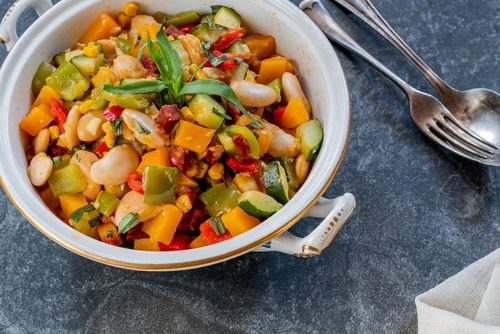
Succotash is a well-known dish that began with the Indigenous people in the Eastern Woodlands. The main ingredients for this dish are corn and beans, often using lima beans. The name comes from the word “msickquatash” from the Narragansett language, which means “boiled corn kernels.” This side dish is a good way to bring together the “Three Sisters.”
The recipe for succotash can change a lot depending on where you are or what is passed down in your family. Some people put in other things like tomatoes and peppers, and others will add meat. You can serve it as a main dish or have it on the side. Succotash is the base for a lot of well-loved soul food and Southern American meals.
Hominy is used in some stews. It is made from corn that has been dried and then treated in a certain way to make it full of good nutrients and easy to grind. With hominy, people might use it whole in a stew, or they might grind it to make corn mush or grits.
These foods show how corn, lima beans, and the idea of a tasty side dish can bring history and flavour to your table.
Pemmican and Smoked Meats
Pemmican is known as the original energy bar. The Indigenous peoples of the Plains came up with this smart idea. They made it from dried wild game meat, often from bison. The meat was pounded and mixed with rendered fat. Sometimes dried wild berries were added to this mix. It became a food that was full of nutrients. People packed it into small cakes. The best part was that the cakes lasted a long time without going bad—sometimes for years.
This food was very important for hunters and people who travelled far. It gave them a good source of protein and energy they needed to keep going. Pemmican lasted through long periods, which helped nomadic groups have food when there was not as much around. It was one of the most trusted traditional foods to have in hard times.
People also used smoking to save meat for later. Smoked foods like venison jerky and smoked fish were eaten often in many places. This way of getting food ready for winter worked well and made the meat taste good too. The deep, smoky taste is something people still enjoy in their food today.
Salmon Recipes and Fish Stews
In the Pacific Northwest, salmon is not just something people eat. It is part of the culture. For a long time, Indigenous communities have made many ways to cook and enjoy this fish. Cedar plank salmon is one of the best-known recipes. In this method, there is a fillet placed on a cedar plank and cooked slowly over an open fire. This gives it a smoky taste and smell you can’t find anywhere else.
People in the Pacific Northwest didn’t only grill salmon. They would also smoke and dry it so it would last all winter. This rich, oily fish made its way into fish stews with foraged vegetables and herbs. These stews were warm and filling. They were great for the cool, rainy weather in that part of the coast.
These salmon recipes show just how much people here know about flavour and cooking. They are a big part of Indigenous cooking in the Pacific Northwest, where people have always respected the food they use and the best ways to get the most from it.
Traditional Cooking Methods and Tools
Indigenous cooking used smart and simple ways to make food with what was around them. People did not have ovens or stoves like we do now. They used things from nature, like fire, earth, and stone, to cook. One big part of this was cooking with an open fire. This open fire was used to roast meat and also to boil stews.
These methods did more than just cook food—they made the food taste special in ways you cannot really make with today’s tools. For example, when they cooked cedar plank salmon over an open fire, the salmon took on a smoky flavour. When people cooked vegetables underground, the taste was more earthy. These ways of cooking are important in real Indigenous cooking and are tied to the land and people. Now, let’s look at some of these old ways of making food.
Open Fire, Stone Boiling, and Clay Pots
Cooking over an open fire was the main way that Native American tribes made their food. This way of cooking was very flexible. People could roast meat on a spit, grill fish on a rack, or cook stews in a hanging pot. The fire needed to be watched closely, so they could change the heat for each type of cooking.
Before metal pots were around, the stone boiling method was common with many native american tribes. To do this, water got poured into a container that would not burn, like a basket or a log that had been hollowed out. People then took hot stones from the fire and dropped them in. This made the water get hot enough to boil. It was a smart way to make soup and other hot food.
Some areas had good clay, so communities learned to make clay pots. These pots worked well for slow cooking, like for stews and porridge made over an open fire. The clay gave the food a special taste. In the Southwest, people often cooked their dishes this way.
Smoking, Drying, and Pit Cooking
Keeping food safe to eat was very important. Smoking and drying were two top ways people made food last longer. Meat and fish would go over a fire that burned slow, letting the smoke get into the food. This smoke helped to keep it good to eat and gave it a strong taste. Another way was to take thin strips of meat or use whole berries. These would be put out under the sun and wind until they dried out all the way.
People used pit cooking as well. This meant making an oven under the ground. They would dig a hole, put hot rocks inside, and add the food on top. Sometimes the food, like large cuts of meat or tough root vegetables, would be wrapped in leaves. Then, dirt covered the pit and the food could cook for hours or days.
This was a great way to cook pieces of meat or root vegetables until everything was soft and tasty. These old methods of making and saving indigenous foods show how much people knew about nature and how much they used what they had around them.
Uses of Herbs, Roots, and Natural Seasonings
The flavour in native foods came straight from the land. Instead of using salt and pepper, Indigenous cooks chose many wild herbs, roots, and what grew around them to give taste to their food. They had to know a lot about the plants near they lived and what each one could do.
Many of these seasonings did not just taste good. They also helped with health, showing that food and medicine often shared the same roots. People went out to find plants that would bring new layers and depth to things like stews or roasted meats. The way they added flavour was gentle and worked together with what was already in the food. It was not meant to take over the dish but to go along with it.
Some natural seasonings you would find in native foods are:
- Juniper berries: These bring a piney, pepper taste to meats from the land.
- Wild mint and ginger: These give a fresh and a good smell to teas or many other foods.
- Sassafras: The leaves got dried up and ground to make filé powder, which helps thicken and add flavour to soups.
Cultural Meanings and Food Rituals
In Native American cuisine, food is not just about what you eat. It is a big part of culture and has deep meaning. People have many food rituals that are very important. Indigenous people see growing, picking, making, and sharing food as important acts. These bring them closer to their ancestors, the land, and other people.
These food rituals help keep their ways and beliefs strong as they share them with the next group. This can be seen in big feasts for everyone or a simple thank you before a meal. Food is a key way for Indigenous people to show who they are. The next parts will talk more about these deep connections in american cuisine and culture.
Feasts, Potlatches, and Community Gatherings
Community gatherings are a big part of life for many Native American tribes. Food is always at the center of these events. People have feasts for big moments like when the seasons change, when there is a good harvest, or when someone in the tribe marks an important day. These times help the community come together and build strong ties. People share stories and spend time with those around them.
In the Pacific Northwest, one of the most known traditions is the potlatch. The potlatch is a feast where a host shares food and gifts to show their wealth. The host gives away things like food and other items to people who come to the gathering. This ceremony is both a show of kindness and a way to keep order and respect in the community.
There is always a lot of food at these events. People serve all the wonderful foods their area can provide. From a potlatch on the pacific northwest coast to a harvest party on the plains, these feasts are ways for people to be together. At these times, people show thanks for the land and for the ties that keep the community strong.
Food as Medicine: Healing and Spiritual Significance
In many Indigenous foodways, people do not see food and medicine as two different things. Traditional foods are known to help heal the body and lift the spirit, too. This way of thinking shows that a good diet from a healthy land is the key to being well.
Many plants people use for cooking are also used for special healing jobs. For example, you might use some herbs to make tea for a cough. Other herbs can be put on the skin to help a cut or sore get better. Knowing about the healing power of plants is an important part of traditional ways.
This idea that food can be medicine is also about the spirit. There are certain foods that are seen as sacred. People use these foods in ceremonies to help with spiritual healing and keeping life in balance. Eating these special traditional foods connects people with nature and shows respect for the gifts that keep us strong in both body and spirit.
Food Sharing, Gift Giving, and Holistic Nutrition
The principles of food sharing and gift giving play a big role in many native communities. People really value being generous, and they make sure that everyone in the group has enough to eat. It is not just about one person’s job. Hunters share what they get, and when there is a good harvest, the food gets split between families.
Focusing on sharing brings people closer. It also helps keep everyone safe and cared for. This way of living looks at more than just having enough food. It also thinks about people’s social and spiritual health. In native communities, food is seen as a gift to share, not something to keep just for yourself.
Some key parts of this idea are:
- Reciprocity: Giving and getting go together and help keep things in balance.
- Respect for Elders: Elders usually eat first, and they help share important knowledge.
- Community Well-being: One person’s health and the health of the rest of the group are tied together.
Revitalizing and Adapting Indigenous Food Today
There is a strong movement today to bring back old Indigenous food traditions. This comes after many years of change and loss. Modern Indigenous chefs, activists, and community leaders are working hard. They want to reclaim the food traditions of their ancestors. They are sharing these foods again with Native American communities and with the whole world.
This return to traditional foods is not just about what to eat. It helps bring back health, culture, and a strong bond to the land. By using old ingredients and ways of cooking in today’s kitchens, these food leaders are making sure Indigenous food traditions stay strong for the future.
Modern Indigenous Chefs and Restaurants in Canada
There is a new wave of Indigenous chefs in Canada who are putting native foods in the spotlight. These chefs set up places to eat and give people meals that highlight old ingredients and ways of cooking from before colonization. They want to take back their food traditions and share them with more people. They are doing this in fun and tasty ways.
Sean Sherman is one of these leaders. He is an Oglala Lakota Sioux chef who goes by The Sioux Chef. Even though he is in the US, the work he does with The Indigenous Food Lab has made a big impact in North America. He talks about taking out foods like wheat flour, dairy, and processed sugar that came with colonization. He uses native ingredients to make all his meals.
More and more in Canada, chefs make menus with things like bison, wild rice, berries that you pick, and other traditional foods. The restaurants and places they run are not just for eating. They are also places where people can learn about culture and bring it back to life. They help people across the country experience the real taste of this land.
Incorporating Ancestral Foods at Home
Bringing the ideas of Indigenous cooking into your own kitchen is not as hard as it may seem. You can start by looking for local and seasonal foods that are close to where you live. Being more aware of the way you cook and eat is also key. You do not have to be an expert to start using foods from the past in your meals.
A good way to begin is to go to your local farmers’ market and see which foods are available right now. Check for things like squash, beans, corn, and local berries. You can try swapping out regular grains for whole kinds, like wild rice. Try simple ways of cooking, such as grilling your food over an open fire or a barbecue, to really taste the natural flavours.
Choosing Native American food ways at home helps you get closer to your food and where it comes from. It will help you cook with care, value your ingredients, and share meals with people around you. All of these steps can help you enjoy your daily life more.
Native American Superfoods and Their Health Benefits
Many Indigenous foods are seen as “superfoods” because they are very good for our health. These foods are filled with vitamins, minerals, and things that help with swelling in the body. They give more than just energy or filling your stomach. They show that the way Indigenous people eat is healthy and has balance.
These strong foods have helped Indigenous peoples for thousands of years. Now, science is starting to see how good these foods are. A lot of Indigenous foods do not have gluten, dairy, or things that are made in factories.
Some good examples of these superfoods are:
- Wild Rice: This is a good source of protein, has lots of fibre, and gives your body many antioxidants.
- Salmon: A fish known for its healthy fatty acids. These fatty acids help your brain and heart stay strong.
- Wild Berries: These small fruits are filled with vitamins and antioxidants. They help fight sickness and keep you healthy.
These foods show that the traditional Indigenous diet is not only tasty, but also brings great health benefits and is good for your whole body. By adding foods like salmon, wild rice, and wild berries to your day, you get more than just food—you get what your body needs to be its best.
Conclusion
Native American cuisine is full of rich taste and history that comes from many different Indigenous groups across Canada. It includes old ways of cooking, the use of native foods, and respect for the land and what it gives. When we try these dishes and ways of cooking, we do more than eat good food. We also get to learn about the past and what is important to these cultures. You might enjoy the Three Sisters mix or want to try bannock. With every bite, you connect to something good and full of history. To get started, look up new ideas from Indigenous chefs today or add some of these old-style foods to your meals at home. You can get a free talk on how to bring real Native American cuisine tastes to your own kitchen!
Frequently Asked Questions
What are some beginner-friendly Native American recipes I can try at home?
For people who are new to cooking, bannock is the best place to start. It is simple and you do not need many things to make it. Another easy recipe to try is succotash. This is a strong side dish with corn and beans. These Native American recipes are a good, tasty way to get to know the Indigenous foods of North America.
How have Native American food traditions influenced Canadian cuisine?
Native American food shaped the way people eat in Canada. It brought us foods like maple syrup, corn, and squash. In the Pacific Northwest, people started using ways to cook like smoking fish and grilling on a cedar plank. These indigenous foodways started many of the dishes that we have and enjoy today.
Where can I learn more about Indigenous food and cooking in Canada?
To find out more, you can read books or blogs made by Indigenous chefs. You can also eat at Indigenous restaurants. Try going to cultural days run by local First Nations. Many Native American communities in Canada want to share their food traditions. This is a great way to learn about their food and history. You get a true taste of their culture through these real experiences.