
Key Highlights
- Dive into the hearty and warm dishes that come from Central Europe. Try things like Hungarian Goulash and classic Wiener Schnitzel.
- See the food traditions that the Czech Republic, Poland, Germany, Austria, and Hungary share with each other.
- You can learn about key starters like pierogi and find out how these tasty bites began.
- Discover which main foods, like slow-roasted pork knuckle, stand out in the central europe food scene.
- Find simple and delicious recipes for main plates, sweet treats, and pastries from the area.
- Enjoy the famous beers, wines, and desserts that make up a true Central European meal.
Introduction
When you travel, food can be the best part of your trip. Eating dishes from different places in Europe helps you feel closer to every spot you visit. When you go through Central Europe, you will get many chances to try new meals with both one-of-a-kind and shared traditions. The food here is simple, filling, and so good, giving you a taste of both history and home. Let what you want and what you wonder about lead you when you try the top foods in Central Europe.
Defining Central European Cuisine and Its Shared Traditions
Central European cuisine is all about meals that are simple, filling, and good for you. These dishes often centre around meat and starch, which can help people get through the cold winters. While each country’s cuisine in this region adds its own touch, the foods and ways of cooking are a lot alike. There are common comfort foods, and they use similar ways to cook and serve meals.
These foods are more than what people eat to stay full. They also show the history and culture of central European countries. When you travel through places from Poland to Austria, you’ll see that many of the same foods and ingredients come up over and over again. These shared dishes connect the region and help set it apart from eastern Europe and the western part of the continent.
Countries at the Heart of Central European Food Culture
Several countries shape the heart of Central European food, and each brings its own special taste, but they all fit well together. The main central European countries are Germany, Austria, the Czech Republic, Poland, and Hungary. These countries are known for food that is filling, rich, and handed down from one generation to the next.
In Germany and Austria, you are sure to find sausages and schnitzel everywhere. When you visit Poland, you will see a lot of pierogi, which is a tasty dumpling filled with many different things. The Czech Republic is well known for roasted meats, and pork knuckle is a favourite there. In Hungary, goulash is the popular dish that you will see in most places.
All these different tastes come together to make Central Europe’s food bright and tasty. Every country has its own best dishes, but their shared love for hearty meals, things like root vegetables, and meats full of flavour shows what central European food is really about.
Culinary Influences and Historical Evolution
The story of Central European cuisine is the story of how people got used to their surroundings and the things they could get. At first, the food was made to help people get through cold and harsh winters. People used a lot of preserved foods, root vegetables, and hearty meats. That is why the food has a warm and comforting feel.
With time, different things changed this food, too. New ingredients and ways to cook things came from trading and changes in who ruled the land. Some dishes, for example, now have a little bit of Mediterranean taste. Still, most things stay true to Central European cooking. You do not find the same mix of smoky meats, pickled vegetables, and creamy sauces in Western or Eastern Europe.
This way of making food with what people have has led to something that is both simple and special. For many, it goes from a meal cooked over an open fire to sweet pastries made for the rich. The taste and style tell you about the long and detailed history of the area.
Essential Ingredients and Flavour Profiles
Central European cooking has a taste that stands out because of rich, earthy, and comforting foods. You will find a lot of meals with pork knuckle or a mix of different sausage. There is always some cabbage—which can be red cabbage or made into sauerkraut—and lots of potatoes, too. These make up the basics that go into many dishes.
People often add a special sharp kick with things like sour cream, strong horseradish, or pickles. This helps to balance out the heavy meats by bringing in more flavour. Spices are also used here and really help give classic dishes that signature taste.
Staples, Herbs, and Spices That Characterize Central European Cooking
At the base of Central European cooking, there are a few main foods that give the dishes their well-known taste. One of the most famous is cabbage. People use it in a lot of ways. Cabbage can be fresh, cooked in a hot stew, or turned into bright sauerkraut. This makes it an important and flexible vegetable that you see in many meals.
This food also has its special taste because of the herbs and spices used. Dill is everywhere in these meals. You taste its fresh, light flavour in things like soups and sauces. Caraway seeds, paprika, and marjoram are used often as well, adding warmth and more flavour. Sharp horseradish is common too. It brings a strong taste and is great with roasted meats to balance the richness.
Some of the main food items are:
- Cabbage: People eat it fresh in salads, braise it as a side dish, or ferment it to make sauerkraut.
- Potatoes: This is a basic food you see in dumplings, soups, and as a side dish.
- Pork: This meat shows up in many ways, like roasts, sausages, bacon, and ham.
- Sour Cream: People put this on soups, sauces, and even desserts. It makes things creamy with a little tang.
- Dill and Caraway: These two are key spices that add their own fresh and interesting taste.
Ways Geography Shapes Regional Specialties
Geography plays a significant role in shaping the regional specialties across Central Europe. The continent’s climate and terrain dictate what can be grown and raised, directly influencing each country’s cuisine. Cold winters and fertile plains have historically made root vegetables, grains, and hardy livestock essential components of the diet.
For instance, the vast forests of Germany and Poland provide a bounty of mushrooms and game, while Hungary’s sunny climate is perfect for growing the peppers used to make paprika. Mountainous regions like those in Austria and Switzerland are ideal for dairy farming, leading to a rich tradition of cheese making. Proximity to rivers like the Rhine and Danube also influences local dishes, with freshwater fish appearing on menus.
This connection between land and plate is what makes exploring the food of Europe so exciting. Each dish tells a story about its origin.
| Region/Country | Geographic Feature | Resulting Specialty |
|---|---|---|
| Hungary | Sunny plains | Paprika-spiced dishes like Goulash |
| Germany/Poland | Dense forests | Mushroom dishes and game meats |
| Austria/Switzerland | Mountainous terrain | Rich cheeses and dairy products |
| Cologne, Germany | Rhine River | Local Kölsch beer and fish dishes |
Classic Starters and Popular Soups
Meals in central Europe often start with tasty starters and strong soups. These set up the main part of the meal. Dumplings are one of the best-loved foods here. In europe, many people know about Polish pierogi. They are a staple in this cuisine. These dumplings are dough pockets that can have so many fillings. People put in things that are sweet or savoury. It’s what makes them a great pick for an appetizer.
Soups play a big part in central Europe’s food, too. They give you warmth and fill you up. For example, the beet-based borscht brings lots of flavour and colour. If you want something filling, people often reach for the meaty Hungarian goulash soup. Goulash is a dish that stands out on its own.
Trying out delicious recipes like these is a good way to know more about the taste of the region. You get to learn about the food that is important in their lives, from dumplings and pierogi to classic goulash.
Pierogi – Polish Dumpling Tradition
Pierogi are right at the heart of Polish cuisine. These classic dumplings are a true Polish specialty, and people all over the country love to eat them. The best thing about pierogi is how many different ways you can fill them. You can use savoury or sweet, then boil them or fry them. Both ways taste great.
If you want to make your own pierogies, you can. Many people find it fun to do, and some tours even let you try it yourself. For savoury fillings, many use potato and cheese, sauerkraut and mushrooms, or seasoned meat. When you eat these dumplings, you usually get a bit more flavour with toppings like sour cream, caramelized onions, or bacon bits. This makes every bite full of taste and texture.
Here are some fillings that are popular in these yummy dumplings:
- Ruskie: Potato and cheese, for a classic taste.
- Z kapustą i grzybami: Filled with sauerkraut and wild mushrooms.
- Z mięsem: Stuffed with ground meat for those who like it hearty.
- Sweet: If you want a treat, go for berries or sweet cheese.
No matter which one you choose, these dumplings are a lovely part of Polish cuisine.
Goulash Soup – Hungarian Comfort in a Bowl
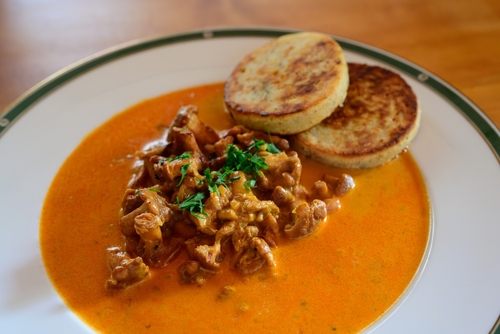
Hungarian Goulash, or gulyás in Hungary, is one of the most well-known dishes in hungarian cuisine. There is more to it than being just a meal. This thick stew with meat and vegetables has a long past and a lot of pride behind it. It is good for comfort and be great to have on a cold day.
Goulash started with Hungarian shepherds who cooked this meal in a pot over an open fire. That first cooking was outside and easy. Today, goulash is a dish people still love, and you will find it as both a thick stew and a soup with more liquid. Paprika be the main part of the taste. It gives goulash a strong red colour and a sweet, smoky feel.
Key things about true Hungarian Goulash:
- It is made with soft pieces of beef, onions, and potatoes.
- There is a lot of sweet Hungarian paprika in it.
- Many people also add carrots and some root vegetables.
- It is slow-cooked for a long time. This makes the flavour strong and deep.
Goulash shows real hungarian cuisine and the way of life in Hungary. People think of good food, the open fire, and warm memories when they eat it.
Iconic Main Dishes from Central Europe
The main dishes you find in central Europe are big, filling, and very tasty. For meals in this region, there’s a focus on meats that are cooked really well. These dishes, like the well-known Wiener schnitzel or the juicy pork knuckle, help show what makes this cuisine from central Europe special.
When you go to Austria, you might try a cutlet of veal that is tender and soft. If you are in Czech, you can get their roasted meat specials from the local czech cuisine. Both the veal schnitzel and other meats use simple ingredients that are good and cooked well. These dishes are at the heart of this europe region’s food—the food is warm, full of taste, and part of what people have eaten for many years.
Viennese Schnitzel and Variations Across Borders
Schnitzel is a well-loved meal in Central Europe, but the traditional Wiener Schnitzel has a special spot as Austria’s national dish. This meal is made with a thin, pounded cutlet of veal. The meat gets coated in crumbs and fried until it is golden brown. The dish is simple and looks nice, and it shows off the good quality of the meat.
Wiener Schnitzel must be made from veal if you want the real, traditional version. This is even set out by law. But in Central Europe, the people enjoy other styles, and you will find the dish made with pork or even chicken. In Germany, they often make schnitzel from a pork cutlet, and it has become as popular there too. You see these breaded cutlets on lots of menus from Berlin to Budapest.
Here’s what you need to know about this classic meal:
- A traditional Wiener Schnitzel is always made from veal.
- There are other choices which use pork (Schweineschnitzel) or chicken (Hähnchenschnitzel).
- The meat gets pounded very thin before being covered in crumbs.
- It is fried until the outside is golden and crispy, but soft in the middle.
- The schnitzel is usually served with a lemon wedge, potatoes, and a plain salad.
Czech Koleno and Slow-Roasted Meats
When you think about slow-roasted meats, not many dishes stand out like Czech koleno, or pork knuckle. This prague pub specialty is a big meal for any meat lover. The pork knuckle gets marinated in dark beer and herbs. Then, it’s roasted for hours at a slow heat. The skin on the outside turns really crispy. The meat inside gets so soft, it just falls off the bone.
It is usually served with horseradish that has a tangy taste, strong mustard, sour pickles, and thick bread. Koleno is made to share with others. It really shows the czech love for strong, tasty dishes that go well with a cold beer.
Here’s what you get with this czech pork knuckle and its classic sides:
- Crispy Skin: The best part is the crunchy outside layer.
- Tender Meat: Slow roasting makes the inside juicy and soft.
- Sharp Condiments: You get mustard and horseradish to add a strong hit to your bite.
- Pickled Vegetables: Pickles and sauerkraut bring a sour flavour next to the rich meat.
Hearty Vegetarian and Vegan Mains
Central European cuisine is known for its meat and the big variety of sausages you can try. But there are also lots of tasty vegetarian dishes you will want to know about. People in the region use simple foods like potatoes, cabbage, and mushrooms to make good meals without any meat. These foods help make many delicious recipes you should try. Some modern chefs are now making new vegan options too. They are giving a fresh update to old dishes and flavours.
You can find vegetarian versions of foods like potato dumplings, pierogi with mushrooms, and cabbage rolls stacked in layers. There are also many soups filled with lentils or beans. These soups are simple but so good. If you look around, you will also see meals that use earthy vegetables and rich dairy products like sour cream. There is something for everyone. Each meal is comforting and full of taste.
Here are a few vegetarian options to look for:
- Potato Pancakes: These are crispy when fried. People often eat them with apple sauce or sour cream on the side.
- Mushroom Goulash: This dish is a warm, big bowl of flavour. Mushrooms are used instead of meat.
- Fried Cheese (Smažený sýr): It is a favourite in Czech cuisine. This is cheese fried until crisp, usually served with fries and tartar sauce.
- Cabbage Rolls: The leaves are filled with rice and vegetables to make a tasty meal.
Central Europe shows you
Beloved Central European Desserts
No trip to central Europe is finished without trying some of its famous sweet treats. People the in this part of europe really love to have something sweet after a meal. You will see so many pastries, cakes, and other desserts that you can try. The Sachertorte from vienna is smooth and elegant, while sweet breads bring a simple, homey taste. No matter the day or event, you will find a dessert that feels just right.
You can pick up a chimney cake from a vendor on the street. Or you might sit down to a piece of strudel with cream cheese filling. These sweet treats are a nice way to end your meal. They let you taste the skills of central europe’s bakers and show their love for deep, rich flavours.
Strudel, Sachertorte, and Sweet Breads
Central Europe is known for its great pastries and cakes. Strudel is one of the most loved ones. It is known as the national food of Austria. This sweet has thin, flaky layers. Most people know apple strudel, but you can find the same pastry with cream cheese, cherries, or poppy seeds inside.
Many people in Vienna also enjoy Sachertorte. A prince in Austria had this cake made for him. The cake is a heavy chocolate dessert. It has a thin layer of apricot jam, and dark chocolate on top. Most of the time, it comes with plain whipped cream that is not sweet. Besides these famous cakes, there are other sweet breads and pastries. Apple Kuchen is one of them. It is a cake that feels a bit like bread.
Here are some must-try sweet treats from central Europe:
- Apfelstrudel (Apple Strudel): This pastry is very thin and packed with spiced apples and raisins.
- Sachertorte: This rich chocolate cake comes from Vienna.
- Kuchen: This is a German cake, and many times fruit and nuts are added.
- Kolaczki: These are Polish cookies filled with cream cheese and fruit jam.
Holiday Treats and Family Baking Traditions
Family baking is at the heart of holiday time in Central Europe. At Christmas and Easter, the kitchen comes to life with the smell of spices and sweet things. Many families gather and make the same recipes that they learned from their parents. These recipes have been in the family for many years and help people feel close to their culture.
Treats like Polish Kolaczki, which are soft cookies with fruit jam inside, are a Christmas favourite. At Easter, people often make sweet braided bread to show joy and new beginnings. These pastries are not just desserts. They are part of the celebration and show how important family and traditions are in Central Europe.
Here are some of the popular holiday treats:
- Kolaczki: Polish cookies that people enjoy during Christmas.
- Vanillekipferl: Crescent-shaped vanilla cookies you can find at Christmas markets.
- Stollen: A German fruit bread with powdered sugar on top, eaten at Christmas.
- Mazanec: A sweet Czech bread made for Easter.
These treats are loved by people in Europe. They bring families together and add warmth to every holiday.
Celebrated Beverages in Central European Cuisine
In Central Europe, the drink scene is as rich and wide as the food you will find there. The area is well known for world-class beers and special wines. These drinks come from a long line of craft, and every place has its own way of making them taste good. You can go to a Cologne Brauhaus and try a cold Kölsch beer. Or you can take a Swiss rail journey through the Lavaux vineyard terraces and taste wine in that setting. Both tell the story of Europe’s own style.
But there’s more than beer and wine. The coffee house culture stands out too, and it shines bright in cities like Vienna and Budapest. People love to sit down and have a cup of coffee and a piece of cake. It is the kind of thing people do in Central Europe to relax and enjoy that moment.
Traditional Beers, Wines, and Non-Alcoholic Drinks
Central Europe is known for its great beer and wine. The Czech Republic and Germany stand out for their beers. You will find everything from clear pilsners to strong dark lagers. If you are in Cologne, Germany, you should try a local Kölsch beer. The land and weather in this area also help grow fine wines, including those made at the beautiful Lavaux Vineyard Terraces in Switzerland, which is on the UNESCO list.
Coffee houses are also a big part of the local drink scene. In Vienna, many people love spending time at a nice cafe with a cup of coffee and something sweet to eat. If you do not want an alcoholic drink, you will be able to enjoy tasty fruit juices, mineral water, and herbal teas.
Here are some top drinks to enjoy in Central Europe:
- German and Czech Beers: Famous around the world for pilsners, lagers, and wheat beers.
- Swiss and Austrian Wines: Cool white wines from very pretty vineyards.
- Viennese Coffee: A special part of Europe’s culture, with many ways to order your cup of coffee.
- Herbal Teas and Fruit Juices: Good picks if you want something with no alcohol.
- Palinka: A fruit brandy from Hungary.
Conclusion
Central European food is all about big, filling meals and old traditions. The food from this part of Europe is rich in history and comes from many backgrounds. There are dishes like goulash that are warm and full of flavour. There is also strudel, which is a sweet treat. Each one is made by people and their way of life in this area.
When you try this kind of food, you see what sets it apart. You will find the main things that give the dishes their taste. You also feel the strong ties between people that come from sharing food.
Take some time to enjoy these foods. You can eat them at home or at a busy local spot. Let the food show you what is special about Central Europe. If you want to know more, you can make some of the dishes at home. You can also go to a Central European restaurant near you to taste something true to this place.
Frequently Asked Questions
What are the most traditional dishes in Central European cuisine?
Central Europe is known for many classic dishes. Hearty meals like Hungarian goulash and Wiener schnitzel are top picks in this region. You can also find a lot of slow-roasted meats. Dumplings are a big part of the food here, too. Polish pierogi and Czech knedlíky stand out as favourites for many people. These foods really show what central europe’s cuisine tastes like.
Are there vegetarian or vegan options in this regional cuisine?
Yes, you can find vegetarian and vegan options in Central European cuisine. This type of cuisine does have a lot of meat, but it also offers lots of delicious recipes with potatoes, mushrooms, and cabbage. Try meals like potato pancakes, pierogi filled with mushrooms, or a vegetable goulash. Many places now make new and tasty plant-based versions of these classic foods.
How is Central European cuisine different from other European food traditions?
Central European cuisine is known for its filling and warm dishes. This food is not the same as Mediterranean dishes. Here, people use things like sauerkraut, red cabbage, and root veggies a lot. If you look at food from Western Europe, you will see more smoked meats, thick sauces, and dishes that are unique to each place. Some of the most loved foods are pork knuckle and many kinds of dumplings. In Central Europe, cabbage shows up many ways on the table.