
Key Highlights
- The food from the Caucasian area is very mixed. There are about 50 ethnic groups, and each one brings its own food traditions.
- People use lots of fresh herbs, different cheeses like Adygei cheese, and milk drinks that are fermented, such as kefir.
- Strong meat meals like shashlik and khinkali are very common. Some people even call them the “king of the table.”
- The whole area is known for breads and sweet pastries. Some of these are lavash, khachapuri, and treats like baklava.
- There are many vegetarian choices, too. You will find beans, eggplant, and wild greens in lots of these meals.
- Some countries there, like Georgia, Armenia, and Azerbaijan, all have dishes that stand out. Dishes like Georgian khinkali or Armenian gata are good examples.
Introduction
Welcome to the world of Caucasian cuisine. This corner of Russia and the places around it is full of great food. The region is the best place to try the most popular Caucasian dishes. Food plays a big part in their culture. When you eat these dishes, you get closer to the people and their history. If you know a lot about food or if you are just looking for something new, the Caucasus has something for you. You can find good pastries, tasty meats, and fresh flavours here.
The Diversity of Caucasian Cuisine
The Caucasus is a mostly highland area. There are about 50 ethnic groups here, and each one has its own national cuisine. This brings together many flavours and ways of cooking. There are things they share, but the food in Georgia, Armenia, and Azerbaijan can be very different. Their food shows their history and what you can find in each area.
In Svaneti, Georgia, you can get bread filled with meat. In Dagestan, people like flatbreads filled with herbs. There is so much for people to try. One group may like to use lamb in their food, while another will be known for cheese pastries. This helps show the deep food roots of each group. Now, let’s look at how their land and culture shape what they cook and eat.
Geographic Overview of the Caucasus Region
The Caucasus region is an interesting part of the world. It is a land with many mountains found between the Black Sea and the Caspian Sea. This place is very important and sits as a link between places, so a lot of groups have come through here. That is why people from many different backgrounds live together in the Russian Caucasus.
Food in this corner of Russia has a long history. It has roots in Persian, Turkish, and Russian styles of cooking. Grilled meats are common in their meals. This comes from the travels and traditions of nomads. More detailed baked treats show ideas brought from both the Ottoman and Persian empires. When you mix all these flavours together, you get food that is special and full of history.
Each part of the Russian Caucasus has its own dishes. People in these areas use what grows well in their land. For instance, the most Dagestani dish you will find is khinkal. It is a perfect meal for people who live in high places. It gives warmth and strength if you are out in the wild. The food really depends on what can grow or live in that area. This shapes what people eat every day.
Cultural Influences on Local Food Traditions
Local customs and special days be a big part of Caucasian food. Many of the dishes are made only for special times. Feasts show off a lot of food to make people feel welcome and full. For one, Armenian barbecue, called khorovats, is cooked during big get-togethers. These feasts bring people and families together.
Each group and family has its own way to make old recipes. Local chefs and home cooks teach these ways to the next group, so their food stays real. Because of this, you can find small but key changes in each dish from one village to the next. This was true even before mass production started.
Festive tables use foods of the season and some foods have meaning. In Georgia, many families eat satsivi at Christmas and New Year’s. Satsivi is a chicken dish with a walnut sauce and it is served cold. You also see ethnic street food every day. These foods are easy to buy and eat, are tasty, and the recipes go back to old times. Their own way of making food lives on from day to day and year to year.
Essential Ingredients in Caucasian Cooking
In Caucasian cooking, the most important things are simple and good ingredients. People use fresh herbs like parsley, dill, and cilantro in many dishes. These fresh herbs give a bright taste to the food. Dairy gives this food its base as well. You will see things like cottage cheese, salty white cheeses, and even sour cow milk at the table.
These things are the main flavours in much of the food from this area. When you put fresh greens, tangy dairy, and grains together, you get that filling and tasty style people in the region love. Next, we will talk more about grains, pulses, and special spices that also make this cooking different.
Staple Grains, Pulses, and Dairy Products
Grains are a big part of the food in the Caucasus. Wheat and corn flour are used in many breads, pastries, and dumplings. People don’t just eat breads on the side. Breads are in the centre of most meals. Folks use bread to scoop up stews and sauces, almost like a spoon.
Dairy foods are just as important as grains. A lot of dishes are made from thick cow’s milk. Sour cream is common, and you will see it with many sweet and salty plates. People really love their cheeses here, too. There’s the soft and creamy Adygei cheese, along with sharp, salty white cheeses. These salty cheeses are great for crumbling over salads or stuffing into baked goods.
Pulses like beans show up in lots of meals, too. Beans often get cooked into hearty, rich stews called lobio in Georgia. All of these foods—grains, corn flour, beans, cheeses, and sour cream—show up in the top traditional dishes. Khachapuri is one kind, which is bread filled with cheese. People also enjoy many different bean stews. Together, these give people full and tasty plates to enjoy.
Herbs, Spices, and Signature Flavours
The rich flavours of Caucasian cooking often come from using fresh herbs and a lot of spices. In the Caucasus, people use greens not just as a topping but as the main part of their meals. When you have a classic Armenian lunch, you will often see a bunch of herbs with bread and cheese.
Spices help give the food a strong and tasty kick. For example, adjika is a spicy paste from the Megrelian part of Georgia. It gives just the right amount of heat in the food you make at a camp or at home. Svanetian salt, which comes from Svaneti, offers a nice smell and taste that is different from regular salt. People in this region also use some other ingredients:
- Bell peppers, for sweetness and bright colour.
- Spring onions, for a gentle and fresh onion taste.
- Pumpkin seeds, which are ground up into a rich spread called urbech.
When you mix these fresh herbs and spices with walnuts, pomegranate, and garlic, you get bold tastes that make up Caucasian food. The focus is always on good, fresh ingredients that let the food taste great without needing too much extra.
Traditional Bread and Pastries
Baked goods are a key part of any Caucasian meal. There are so many kinds to try. Some use thin flatbreads you can wrap around other foods. Others use puffy dough. Many of these breads are made from large pieces of dough. They go into stone or tandoor ovens, which gives them a special taste and feel.
These breads and pastries are not just food for people in the region. They mean a lot in their culture. There is the plain flatbread for daily eating. Then there are breads with cheese for big events. People value these items very much. You will find famous breads like lavash and the well-loved cheese-filled khachapuri in many homes.
Lavash, Matnakash, and Other Famous Breads
Lavash is one of the most well-known staple breads from the Caucasus. It is a thin, soft flatbread that is a big part of Armenian food. The bread is used in many ways. You can use it as a plate, a tool for eating, or a wrap. It is such an important part of the culture that even UNESCO has recognized it.
In Dagestan, you will see different types of flatbread. For instance, the Kumyk people shape their dough into thin rhombuses for their version of khinkal, and then boil them. Some other flatbreads, like chudu, are cooked in a dry pan. These are often filled with ingredients that are in season, which shows how creative people in the region can be.
Armenia also has matnakash, which is a soft bread made with yeast. It is known for its oval shape and special pattern. Another bread people enjoy is tonis puri from Georgia. This one is baked in a stone oven called a tone. Every bread from the region is unique and tells a story about where it comes from.
Khachapuri and Regional Cheese Flatbreads
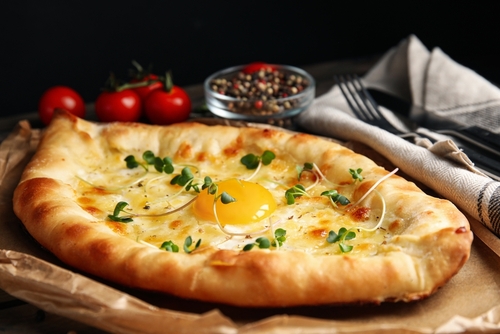
Khachapuri is one of the most loved foods of Georgia. It is a warm bread filled with a soft cheese that melts inside. This is true comfort food. There are many ways people make it in different areas, but the classic uses a soft cheese like mozzarella. It is a good dish for someone new in the kitchen. It works well every time and always tastes great.
You will find other cheese flatbreads as you travel. In North Ossetia, walibah is the name for a round pie filled with a mild type of cheese. In Kabardino-Balkaria and Karachay-Cherkessia, many people like khychins. These are flatbreads too. They come with various fillings, such as cheese and potato.
There are even more kinds of these cheese breads. Khabizgina looks a bit like khachapuri, but it mixes mashed potato with cheese inside. People often try different things. Some put herbs or cabbage in the dough. All this shows that there is a lot of new ideas in Caucasian baking, and people love to use various fillings.
Classic Meat Dishes of the Caucasus
Meat is the king of the table in Caucasian cuisine. People make it with care and a lot of skill. The dishes serve big slices of meat, often lamb or beef. The meat can be grilled, stewed, or boiled until it’s just right. Shashlik is one of the classic dishes here. It’s grilled meat on skewers, and many people love it even outside this region.
But there is more to the food than just putting meat on the grill. Some dishes use boiled dough and meat together, like khinkal and khinkali. These are filling meals and show that there are many ways to cook meat in the Caucasus. Let’s look at the grilled specialties and the traditional dumplings you can find here.
Shashlik and Grilled Specialties
Shashlik is one of the most popular street food dishes to come out of the Caucasus. It is made with large cubes or big slices of meat like lamb or chicken. These pieces are put on skewers and grilled on an open flame. Shashlik became well known across Russia in the late 19th century. It is still something people like to eat at summer parties.
The best thing about shashlik is the marinade. There are a lot of ways to make it, and every area has its own special recipe. This care for taste is why many people love this grilled food. You can find shashlik served in top restaurants or at small stands on the street.
Mtsvadi is another tasty grilled dish from Georgia. It is like shashlik, with big slices of meat that are juicy and full of flavour. These grilled dishes show how people in the Caucasus love good, simply cooked meat.
Khinkali and Traditional Dumplings
Georgian khinkali are famous dumplings that anyone who visits has to try. These dumplings look like twisted knobs of dough, and inside, there is spiced meat and broth that fills your mouth when you bite into it. Some versions do not have meat and use mushrooms, cheese, or potatoes instead. For anyone new in the kitchen, trying to cook khinkal at home can be a fun thing to do.
In Dagestan, there is also a dish called khinkal, but it is made differently. The boiled dough and meat do not go together in one serving. The Avar people are known for making large pieces of dough, while others cut it into small strips or rhombus shapes. There are dozens of ways to make it, and each way shows what their own ethnic group likes.
Azerbaijan has a dumpling dish, too. It is called dushbara and comes as tiny dumplings with meat inside, served in a bowl of soup. In Chechnya, there is something called zhizhig-galnash, and it means “meat with gnocchi.” You get boiled meat with dumplings made of wheat flour, all in a broth that has a lot of flavour.
Popular Vegetarian and Plant-Based Dishes
Caucasian cuisine may be famous for tasty meat dishes, but it has many great vegetarian and plant-based meals too. The soil in this area is rich, so the people can grow a lot of fresh greens, wild vegetables, and beans. These foods are used to make good and filling dishes.
You will find a lot of options, like bean stews with lots of taste, eggplant rolls, and colourful salads. Some savoury pastries that are known for having meat also come with tasty fillings made from pumpkin or potatoes. Let’s look at some of these plant-based meals.
Hearty Bean Recipes and Eggplant Specialties
Hearty beans are a big part of many Caucasian vegetarian meals. Lobio is one good example. This is a traditional Georgian bean stew. They cook it slow with herbs and spices. It gets thick and tasty. This stew is not only filling but also good for you. If you want to try Caucasian food for the first time, this recipe is a good way to start.
Eggplant is another key vegetable. People use it in many different ways in this cooking. In Georgia, there are eggplant rolls. They put a walnut paste with special seasoning in the rolls. These are a big hit as a starter. Another dish people love is ajapsandali. It is a chunky vegetable stew full of eggplant, tomatoes, peppers, and lots of fresh greenery.
There are other important vegetables as well, like young potatoes. You can put young potatoes in stews. They sometimes use young potatoes to fill flatbreads like khabizgina. Some people just roast them with herbs and spices. All these dishes show how easy it can be to turn simple vegetables into something really good.
Foraged Greens and Vegetable Salads
The use of foraged greens is a big part of Caucasian food, especially for people who live in rural areas. In spring, people go out to gather wild nettle, spinach, and other greens. They use them in food like zhingyalov hats, which is an Armenian flatbread. It is filled with a lot of fresh herbs and fresh greens.
Salads in this region are usually simple. People focus on how good and fresh the food is. An Armenian salad often has tomatoes, cucumbers, and sweet peppers. There is a lot of fresh herbs in it, like parsley, cilantro, and dill. Many people also add spring onions for a light and crisp taste.
The main taste in these foods comes right from the fresh greens and herbs. People there use seasonal and local produce so each salad or green-filled pastry has big, natural flavour. They do not need to use lots of dressings or strong spices for the food to taste good.
Distinctive Dishes Across Georgia, Armenia, and Azerbaijan
The national foods of Georgia, Armenia, and Azerbaijan may look alike in some ways. But each of these countries has their own famous dishes. These foods show a lot about the people’s culture and the long history in each place. Sometimes, who came up with a dish first can be a real matter of dispute. All three countries are proud of their food.
There are some foods that have a protected geographical indication. This means you can only use the real name for these dishes if they are made in a certain place. This tells us that the region where food comes from is very important. Now, let’s take a look at some must-try foods from Georgia, Armenia, and Azerbaijan.
Signature Foods from Georgia
Georgia’s own national cuisine is famous for its bold flavours and diverse dishes. From the iconic khachapuri to the juicy khinkali dumplings, Georgian food is a true celebration of flavour and texture. The country is also renowned for its ancient winemaking traditions, which perfectly complement its food.
Walnuts are a key ingredient, used in everything from the creamy satsivi sauce to the filling for eggplant rolls. Another popular treat is churchkhela, often called “Georgian Snickers.” These candle-shaped candies are made by dipping strings of walnuts or hazelnuts into thickened grape juice.
Georgians also have their own versions of regional staples like lavash, but it’s the unique dishes that truly define their cuisine. Here are a few must-try Georgian specialties:
| Dish | Description |
|---|---|
| Khachapuri | Cheese-filled bread, with many regional varieties. |
| Khinkali | Twisted dumplings filled with meat, mushrooms, or cheese. |
| Lobio | A thick, hearty stew made from kidney beans and herbs. |
| Satsivi | Chicken or turkey served in a cold, creamy walnut sauce. |
| Churchkhela | A sweet treat made of nuts and concentrated grape juice. |
Noteworthy Armenian Culinary Staples
Armenian food is full of fresh herbs, grains, and dairy. At breakfast, you can see flatbread, cheese, honey, and sour cream on the table. This is the best place to find old bread-making ways still going strong, and lavash is a big part of every meal.
Along with lavash, people love eating matnakash. This is a soft and chewy bread that goes well with any meal. If you want something sweet, you should try gata. It is a special sweet bread or pastry. You can find many types, some have a creamy filling, and some have a buttery, crumbly taste.
The traditional recipe for a lot of Armenian food comes from long ago. One well-known dish is dolma. It has minced meat and rice all kept in grape leaves, and it is a favourite when people celebrate. When you are out walking or travelling, ttoo lavash (which is a kind of fruit leather) and sujukh (walnuts covered in grape molasses) are good snacks that give you lots of energy.
Azerbaijani Delicacies to Try
Azerbaijani food has deep roots in history, with big tastes from Iran and Turkey. This is very clear in the rice meals and sweet baked goods. Plov, a well-loved rice dish, is always on the table for special times. There are many different types of plov to enjoy.
When it is time for dessert, Azerbaijan has many special pastries. Shekerbura is a sweet in a crescent shape, filled with ground nuts and sugar. Pakhlava, or baklava, is a sweet that comes in layers, filled with nuts and honey. These are a big part of the Novruz holiday in the spring. These sweets show the long and rich story of food from the Silk Road.
Some other dishes to try are dushbara, which are small dumplings served in soup, and sadj ichi, a meal made of meat and veggies cooked in a special sadj pan. You will also find that this food scene is famous for great kebabs, and hot, thick soups like dovga. Dovga is made from yoghurt and greens.
Sweets and Desserts in Caucasian Cuisine
No meal in the Caucasus feels complete without something sweet at the end. People there have a lot of tasty desserts to enjoy, from flaky pastries to candies made of nuts. You will find that many pastries can be made as savoury dishes too, but the sweet ones are special. Baklava is one of the most popular desserts. It is made with thin, layered pastry and soaked in honey. You can find it in many places across the region.
There is another treat called churchkhela. It is a sweet made with nuts and grape juice. These desserts use nuts, honey, and fruit, which shows what the land has to offer. Let’s take a closer look at some of these nut-based treats and special pastries people love during festive times.
Baklava, Shekerbura, and Nut-Based Treats
Nut-based treats are a big part of what you find on Caucasian dessert tables. Baklava, which people in Azerbaijan call pakhlava, is a popular dessert. It has thin layers of dough with chopped nuts inside and is sweetened with syrup or honey. People often cut it into thin rhombuses before baking.
Shekerbura is another sweet people love in Azerbaijan. The pastry has ground almonds, hazelnuts, or walnuts mixed with sugar. On top, there are small detailed patterns made with tweezers called maggash.
In Dagestan, people make a special spread called urbech. It is made by grinding different nuts and seeds, like almonds, walnuts, or pumpkin seeds, into a thick paste. When they add honey, it becomes a sweet treat that tastes good and is good for you too. Many people enjoy this as a popular dessert or even use it as a natural way to feel better.
Churchkhela, Gata, and Festive Pastries
Churchkhela is a well-known sweet treat in Georgia. The candy looks like a candle. To make it, whole walnuts or hazelnuts get threaded onto a string. Then, they are dipped many times in thick grape molasses. This snack is full of energy and tastes good.
Gata is a sweet bread or pastry from Armenia. People in Armenia really like it. You can find gata as big, decorated rounds at big parties or small ones to eat alone. People often buy it at stalls near old churches or popular sites for tourists. It is important for many celebrations.
Both churchkhela and gata show how important food is in the Caucasus region. Families make these rich, sweet snacks for holidays and gatherings. They share these to keep the old customs alive and enjoy time together.
Drinks and Beverages of the Caucasus
The drinks in the Caucasus are just as varied and tasty as the food. People know the region for its old way of making wine. Georgia is proud to be one of the first places in the world to make wine. You will also find a lot of fermented drinks here, especially those made with milk. These are liked for how good they taste and the health perks they can give.
You can have strong armenian coffee or even cool herbal teas in the area. There is something to drink for every time of day. These drinks are a big part of meals and help bring out the flavours in the food even more. Let’s find out more about the wines that have been around a long time, and the drinks that people in the region enjoy every day.
Traditional Wines and Fermented Drinks
Traditional wines play a big role in the culture of the Caucasus, especially in Georgia. Winemaking here goes back 8,000 years. Many families in small villages still make their own wine using very old ways. They let the grapes be in large clay pots called qvevri. These wines are shared at meals, and you will see them during normal dinners or big parties.
People also care a lot about fermented drinks in this region. Kefir is a sour cow milk drink. It got its start in the Caucasus and is known for being good for you. It has become an important part of the Russian diet, and many people in the area like to drink it.
You will find other milk drinks as well. This shows how much local people use dairy in their food. Some drinks are tart and cool, while others are thick and creamy. These milk drinks usually go with many meals in the Caucasus, as they help balance the strong tastes of the food.
Herbal Teas and Everyday Beverages
Herbal teas are a common drink in the Caucasus. People there often make these teas with local herbs like thyme, mint, and St. John’s wort. The teas have a calming effect. Many people like their fresh taste. Most of the time, they drink herbal tea hot, adding a spoonful of honey or some jam.
In Armenia, the love for coffee is strong. Armenian coffee is made in a special pot called a jezve. This makes a strong and rich drink that is often sweet. If someone offers you armenian coffee, it is their way to show kindness. This is a loved habit for many families every day.
Tea, and mostly black tea, is also very popular. In Azerbaijan, it is a big part of culture and a way to make guests feel welcome. Tea here is served in armudu, which are glasses shaped like pears. It is an important piece of social gatherings. These drinks, including armenian coffee and tea, are a key part of daily life. They stay just as important as more special drinks like wines and spirits.
Conclusion
To sum up, Caucasian cuisine is full of life and brings together different cultures and ingredients. You will find dishes with strong smells and big taste, like khachapuri and shashlik. There is something for everyone to enjoy. The breads, pastries, and sweet things like baklava are a big part of the food in this area. These dishes will make you happy with every bite. If you want to try cooking these amazing foods, you can book a free meeting with our cooking experts. They will help you learn and make the taste of the Caucasus in your own kitchen.
Frequently Asked Questions
What makes Caucasian cuisine unique among world cuisines?
Caucasian food is special because of how different it is. Many ethnic groups have shaped this regional food. The Caucasus is between the Black Sea and Caspian Sea. People there use fresh, local food in their dishes. You can see various fillings used in their pastries.
Seasonal fillings like greens in spring or pumpkin in winter are common. So, this food keeps changing through the year and always has something new for people to try.
Are there simple traditional dishes for beginners to make at home?
Yes, you sure can! You can try shashlik. It is a popular street food, and you just need to marinate the meat and grill it. Or, if you want a fun project, you can cook khinkal. Georgian khinkali is a bit hard to make, but the Dagestani kind is much easier. This one uses large pieces of dough, and you serve it apart from the meat. If you use fresh herbs, your dish will get that good, true taste.
How do local traditions shape everyday and festive meals?
Local traditions shape the food people make and eat each day. They often use things like spring onions and young potatoes that are in season. During celebrations, there are special dishes cooked for the event. Every group of people here has its own national cuisine. These recipes come from local chefs and have been taught to others for a long time, even before there was mass production. Because of this, meals for both daily life and special occasions are very connected to their culture.