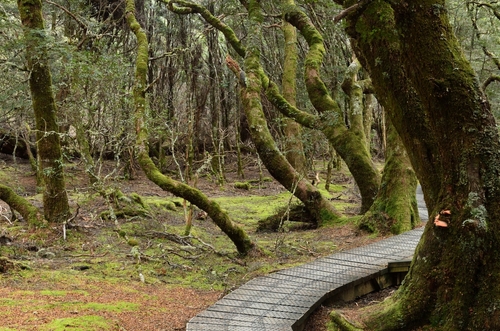

April 18 marks World Heritage Day, also known as International Day on Monuments and Sites. This annual event is a global celebration of our shared cultural and natural history. It is a time to recognise the incredible places that define our past and shape our future.
In 2026, Australians have a unique opportunity to connect with local history. From ancient First Nations rock art to stunning natural reefs, our country contains some of the world’s most significant sites. Protecting these areas ensures future generations can enjoy them safely.
Learning about these locations is easy. You do not need to travel far to appreciate the diverse heritage found across Australia. This guide outlines everything you need to know to participate in World Heritage Day 2026 and protect our national treasures.
What is World Heritage Day?
The International Council on Monuments and Sites established World Heritage Day in 1982. The United Nations Educational, Scientific and Cultural Organization (UNESCO) quickly approved the initiative.
The goal is straightforward. The day raises awareness about preserving vital cultural monuments and natural landscapes. Every year features a specific theme that highlights different aspects of global heritage. Communities worldwide organise events, tours, and educational programs to support this mission.
Iconic Australian Sites to Recognise
Australia proudly looks after 20 properties on the World Heritage List. These include vast national parks, historic buildings, and ancient cultural landscapes.
The Great Barrier Reef
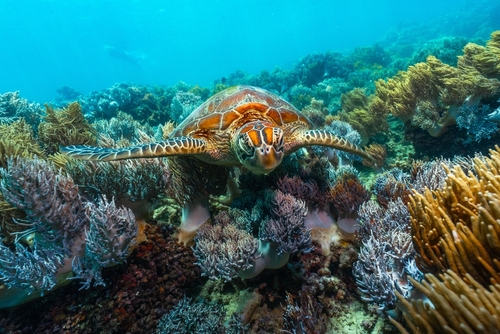
This massive coral reef system is visible from space. It hosts a rich diversity of marine life. Climate change poses a severe risk to the reef, making conservation efforts highly important. Supporting reef protection helps maintain this global wonder.
Kakadu National Park
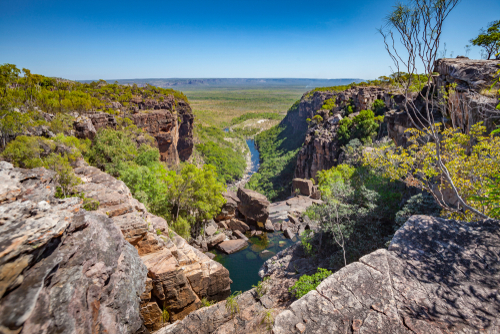
Located in the Northern Territory, Kakadu offers a profound look into Aboriginal culture. The park features ancient rock art galleries that document thousands of years of human history. It also supports complex ecosystems and diverse wildlife.
The Sydney Opera House
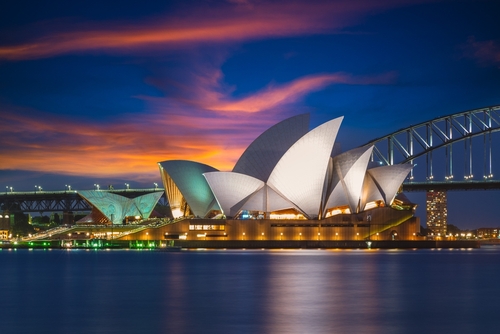
This famous building is a masterpiece of modern architecture. It stands as a symbol of Australian creativity and innovation. The Opera House hosts thousands of performances each year, making it a living cultural hub right on Sydney Harbour.
Simple Ways to Participate in 2026
You can easily get involved in World Heritage Day. Here are three straightforward ways to celebrate in Australia.
Visit a Local Heritage Site
Plan a trip to a nearby World Heritage area or a local historical landmark. Many sites offer free guided tours and special events on April 18. Check official park websites for specific activities happening in your state.
Learn About First Nations Culture
Aboriginal and Torres Strait Islander peoples hold the oldest continuous living culture on Earth. Take time to read about local First Nations history. You can visit cultural centres, support Indigenous-owned businesses, or attend community-led educational events.
Support Conservation Groups
Donating your time or money helps protect these vulnerable places. Many reliable organisations work year-round to maintain Australia’s natural and cultural heritage. Your contribution provides direct support for essential preservation projects.
Frequently Asked Questions (FAQ)
When is World Heritage Day 2026?
World Heritage Day takes place on Saturday, April 18, 2026.
How many World Heritage sites are located in Australia?
Australia currently has 20 recognised World Heritage sites. These include four cultural sites, 12 natural sites, and four mixed sites.
Who manages Australian World Heritage sites?
State and territory governments manage most of these locations. They often work in partnership with Traditional Owners to ensure cultural protocols are respected and maintained.
Are World Heritage sites free to visit?
Many natural sites require a park pass or entry fee to fund conservation efforts. Some urban sites, like the outside of the Sydney Opera House, are free to explore. Always check the specific location’s website before planning your visit so you know exactly what to expect.
Start Planning Your Heritage Journey
World Heritage Day 2026 is an excellent prompt to explore Australia’s rich history. Understanding our past helps us build a more inclusive and respectful future.
Take action today by choosing a site to visit or a reliable conservation organisation to support. Share your plans with family and friends to encourage wider participation. By working together, we can ensure these magnificent places remain safe, protected, and accessible for years to come.