
For the Bengali community living in Australia, April brings a special sense of warmth and nostalgia. Bengali New Year, known as Pohela Boishakh, marks the beginning of the Bengali calendar. It is a time for fresh starts, vibrant cultural displays, and deep connections with family.
Living far from your home country can sometimes make major festivals feel distant. You might miss the bustling streets of Dhaka or Kolkata. However, celebrating Pohela Boishakh in Australia is entirely possible and deeply rewarding. Communities across the country come together to recreate the joy of the homeland.
This guide provides everything you need to know about celebrating Bengali New Year 2026 in Australia. You will learn about the date, core traditions, local events, and simple ways to stay connected with your loved ones back home. We want to help you celebrate confidently and joyfully.
The significance of Pohela Boishakh
Pohela Boishakh is more than just a date on the calendar. It represents a collective cultural identity for Bengalis worldwide, regardless of religion. The festival celebrates agricultural roots and the start of a new financial year for businesses, known as Haalkhata.
During this time, people clear old debts and start fresh. It is a day of hope. Families gather to seek blessings from elders and share hopes for a prosperous year ahead. This spirit of renewal remains strong for the Bengali diaspora in Australia.
Traditional celebrations for the new year
Bengali New Year is famous for its colorful and lively traditions. These customs carry deep cultural meaning and bring communities together.
Wearing festive clothing
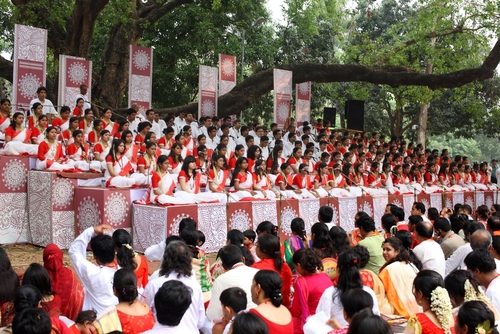
Starting the day in traditional attire is a key part of the celebration. Women typically wear white sarees with red borders. Men traditionally wear panjabis and pajamas. Wearing new clothes signifies leaving the past behind and embracing new beginnings with a positive mindset.
Enjoying special foods
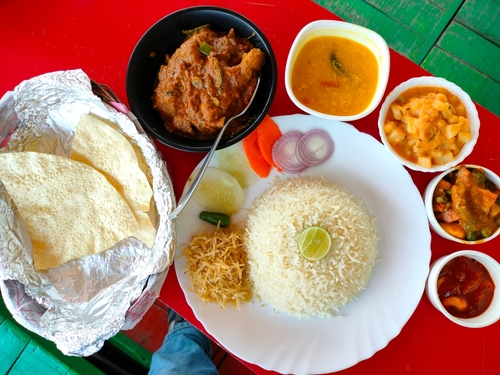
Food is central to any Bengali festival. A traditional Pohela Boishakh meal often starts with Panta Bhat (water-soaked rice) served with fried Hilsa fish (Ilish bhaja), green chilies, and onions. Throughout the day, families share various sweets like roshogolla and sandesh. Sharing food brings a sense of comfort and home to those living overseas.
Mangal Shobhajatra parades
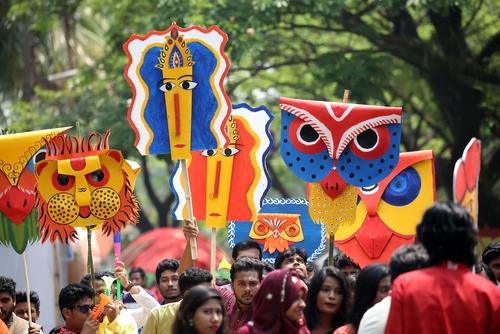
In Bangladesh, the Mangal Shobhajatra is a massive, colorful procession. People carry large masks and floats depicting animals and birds. It promotes peace, unity, and secularism. While you may not see a parade of the exact same scale in Australia, local community groups often organize similar, smaller-scale cultural walks to honor the tradition.
Experiencing Pohela Boishakh in Australia
Australia is home to a vibrant and growing Bengali community. Major cities host a variety of events so you can experience the festive spirit without leaving the country.
Attending local Boishakhi Melas
Boishakhi Melas (fairs) are the highlight of the new year celebrations in Australia. Cities like Sydney, Melbourne, and Brisbane host large outdoor events. These fairs feature live traditional music, folk dances, and poetry recitations. You can stroll through stalls selling traditional clothing, jewelry, and authentic Bengali street food. Attending these melas is a great way to feel connected to your roots and meet other members of the community.
Celebrating at home with family and friends
Many families choose to host private gatherings. You can start the day by playing traditional Rabindra Sangeet music. Decorate your home with alpona (colorful motifs painted on the floor). Cooking a festive meal using ingredients sourced from local South Asian grocers allows you to share your culture with your children and friends in Australia.
Frequently Asked Questions (FAQ)
When is Bengali New Year 2026?
Bengali New Year typically falls on April 14 or April 15. In 2026, Pohela Boishakh will be celebrated on Tuesday, April 14 in Bangladesh, and Wednesday, April 15 in West Bengal, India.
How do people greet each other on Pohela Boishakh?
The traditional greeting is “Shubho Noboborsho,” which translates to “Happy New Year.”
Are there public Pohela Boishakh events in Australia?
Yes. Bengali associations in major Australian cities organize cultural events and Boishakhi Melas. You can check local community Facebook groups or community center notice boards closer to April for specific dates and venues.
What is the Haalkhata tradition?
Haalkhata is the traditional practice where business owners close their old account books and open new ones. They often invite customers to their shops and offer them sweets to celebrate the renewed business relationship.
Keep your traditions alive this new year
Celebrating Pohela Boishakh in Australia allows you to honor your heritage while embracing your current home. By attending local events, cooking traditional foods, and sharing customs with your community, you keep the festive spirit alive.