The Most Beautiful Rural Hidden Gems in Japan, According to Science
Japan is having a moment. According to recent research1, international arrivals to Japan surpassed 42 million in 2025 (the highest number on record), and the researchers believe this surge is driven by pent-up travel demand, a weaker yen (opens in new window) and a growing global fascination with Japanese culture. Elsewhere in the findings, it says that while South Korea, Taiwan and China remain the biggest source markets for visitors, Western travellers are making up an increasing share, particularly younger globetrotters and solo female travellers, as well as a rising number of families.
It’s not just tourism that’s booming. Japan is also becoming an increasingly popular place to live and work (opens in new window). Data from the Immigration Services Agency of Japan2 shows that the number of foreign residents exceeded 4 million for the first time in 2025 - a figure that has grown by more than 60% since 2014, largely driven by labour shortages. It’s handy then, that our previous global survey revealed how people voted the Japanese as the world’s most polite people (opens in new window). For anyone who wants to join the growing numbers of people moving to Japan, consider using Remitly to send money from Japan (opens in new window) when you’re settled in your new home.
It’s not just tourism that’s booming. Japan is also becoming an increasingly popular place to live and work (opens in new window). Data from the Immigration Services Agency of Japan2 shows that the number of foreign residents exceeded 4 million for the first time in 2025 - a figure that has grown by more than 60% since 2014, largely driven by labour shortages. It’s handy then, that our previous global survey revealed how people voted the Japanese as the world’s most polite people (opens in new window). For anyone who wants to join the growing numbers of people moving to Japan, consider using Remitly to send money from Japan (opens in new window) when you’re settled in your new home.
Uncovering hidden gems beyond the ‘Golden Route’
For many first-time visitors and migrants, the journey begins with Tokyo (opens in new window), Kyoto and Osaka (opens in new window). But beyond these major cities lies a very different side of Japan - one defined by rural landscapes, traditional villages and quieter, more unexpected experiences. In fact, according to tourism data, many travellers return within just a few years to explore these lesser-known regions. This as the government pushes towards a target of 60 million annual visitors by 20301 while tackling overtourism.
That’s why Remitly set out to spotlight Japan’s most beautiful towns, settlements, and prefectures - the places that often go unseen - for both visitors and potential movers.
They say beauty is in the eye of the beholder. But are there patterns in what we find beautiful? To find out, we used eye-tracking technology to measure exactly where people’s attention lingers the most. We showed 800 participants from around the world images of 52 rural Japanese locations, tracking their gaze to reveal which locations truly stood out.
That’s why Remitly set out to spotlight Japan’s most beautiful towns, settlements, and prefectures - the places that often go unseen - for both visitors and potential movers.
They say beauty is in the eye of the beholder. But are there patterns in what we find beautiful? To find out, we used eye-tracking technology to measure exactly where people’s attention lingers the most. We showed 800 participants from around the world images of 52 rural Japanese locations, tracking their gaze to reveal which locations truly stood out.
Key findings
- Kinosaki Onsen in the Hyōgo prefecture is the most beautiful location in Japan. According to the eye-tracking technology, viewers gazed at this location the longest of any other in our analysis.
- Hokkaido, Japan’s northernmost main island, is Japan’s most beautiful prefecture, according to the data which tracked eye fixation. The region is renowned for its dramatic volcanoes, onsens and ski resorts.
- Two of the top 10 most eye-catching places are located in Hokkaido.
The top 10 most beautiful towns and settlements in Japan
These 10 areas stood out from the pack for grabbing the attention of participants in our study. They left viewers gazing for a higher than average time and often had fixating features that caused more eye concentration time. Read on to find out what makes these places special and worth a visit.
- Kinosaki Onsen, Hyōgo
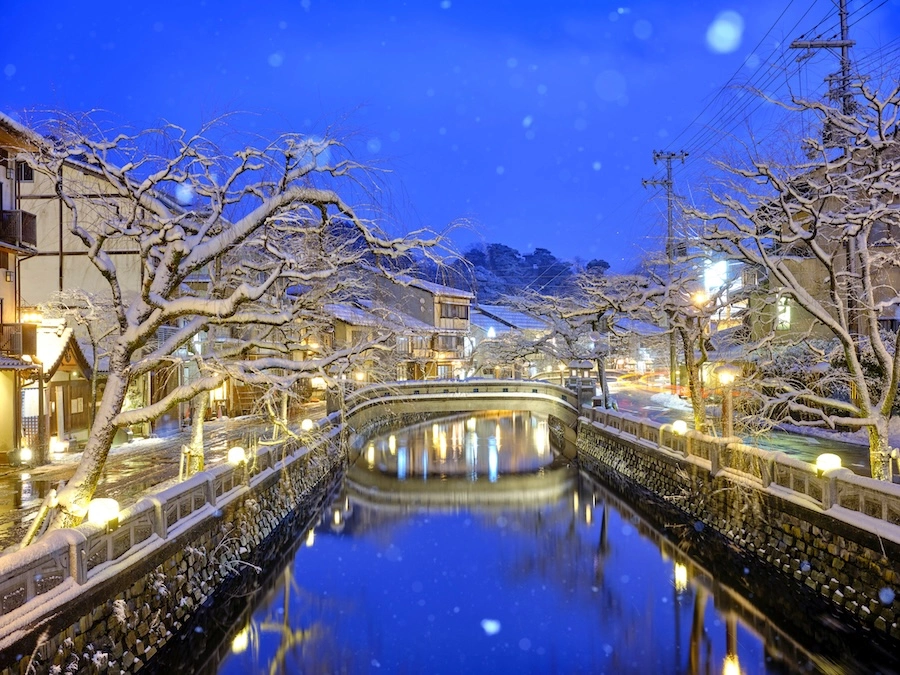
As the name suggests, Kinosaki Onsen in Hyōgo is an onsen district within Toyooka City, known for its many natural hot springs and willow-lined canals. It’s also a rare tattoo-friendly onsen (opens in new window). Steeped in 1,300 years of culture and tradition, its natural beauty is amplified by a dynamic old-fashioned charm, meaning there is a lot to catch the eye.
There’s no wonder, really, why people’s gaze lingered the longest on this area. Rather than having one stand-out landmark, the true beauty of this quarter is in its overall atmosphere and scenic setting, complete with historic ryokans, visitors walking around in traditional yukatas (Japanese summer kimonos) and enticing architecture.
Equally stunning throughout the year, the hot-spring town’s canals are dotted with cherry blossoms during spring, intensely colourful foliage during the autumn months and picturesque snow in winter. What is more, Kinosaki Onsen is surrounded by mountains and the Sea of Japan, adding further depth to the scenery.
And it’s not just looks that make Kinosaki appealing to visitors or people considering moving there for work. Its close proximity to Kyoto and the booming tourism industry means hospitality jobs and seasonal work are up for grabs.
There’s no wonder, really, why people’s gaze lingered the longest on this area. Rather than having one stand-out landmark, the true beauty of this quarter is in its overall atmosphere and scenic setting, complete with historic ryokans, visitors walking around in traditional yukatas (Japanese summer kimonos) and enticing architecture.
Equally stunning throughout the year, the hot-spring town’s canals are dotted with cherry blossoms during spring, intensely colourful foliage during the autumn months and picturesque snow in winter. What is more, Kinosaki Onsen is surrounded by mountains and the Sea of Japan, adding further depth to the scenery.
And it’s not just looks that make Kinosaki appealing to visitors or people considering moving there for work. Its close proximity to Kyoto and the booming tourism industry means hospitality jobs and seasonal work are up for grabs.
- Gujo Hachiman, Gifu
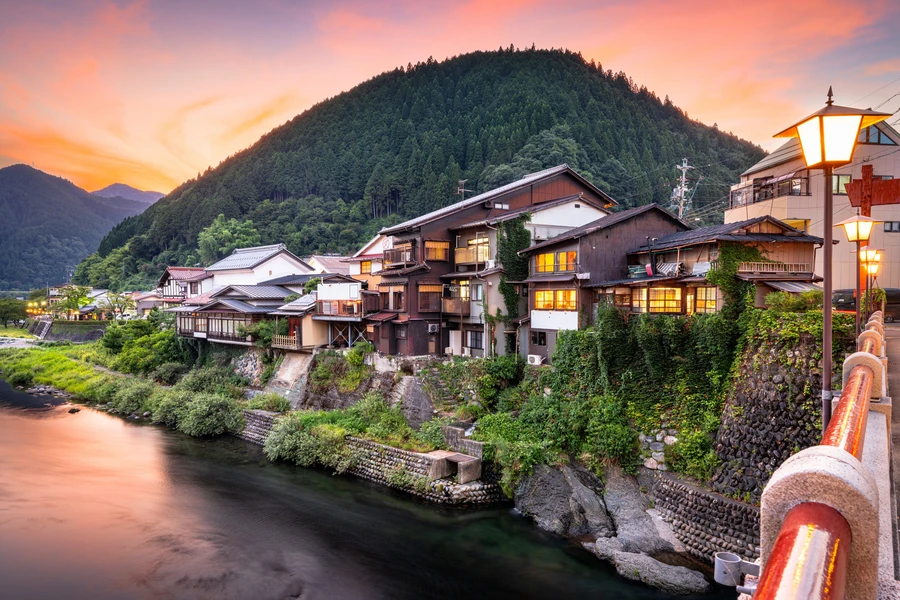
The most captivating feature of this Edo-period district within Gujō City is surely its crystal clear water, which runs through its pristine rivers, narrow canals and spring water systems. The place feels historic and distinctly archaic, with well-preserved wooden huts and merchant buildings.
Nestled in a valley surrounded by forested hills, its natural beauty is undisputed, especially for its evergreen potential for wowing visitors all year round - the place gets lush and green during summer, then filled with rich autumnal hues a few months later. But what truly brings the castle town to life is its authentic lived-in feel.
Perhaps this is why the district is attracting growing interest from remote workers, supported by the city government offering teleworkers relocation subsidies.3
Nestled in a valley surrounded by forested hills, its natural beauty is undisputed, especially for its evergreen potential for wowing visitors all year round - the place gets lush and green during summer, then filled with rich autumnal hues a few months later. But what truly brings the castle town to life is its authentic lived-in feel.
Perhaps this is why the district is attracting growing interest from remote workers, supported by the city government offering teleworkers relocation subsidies.3
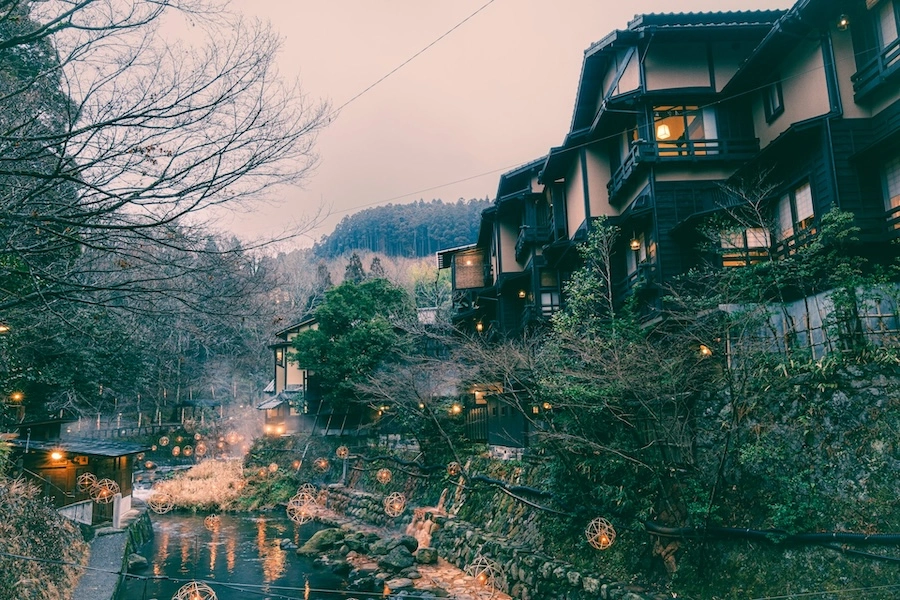
- Minamioguni, Kumamoto
Minamioguni is another Japanese town defined by a strong onsen culture, mirrored in its traditional architecture and embrace of nature. The dramatic natural landscape blends seamlessly with rustic wooden ryokans, stone paths and outdoor baths. There are few modern intrusions, giving off a tranquil mood, intensified by constant steam rising from the many hot springs dotted throughout the town.
The town is especially enticing in autumn and winter, when soaking in the onsen is most common and the hot steam is contrasted by the cold air. The architecture is also consistent all over the town with a unified aesthetic and style.
The town is especially enticing in autumn and winter, when soaking in the onsen is most common and the hot steam is contrasted by the cold air. The architecture is also consistent all over the town with a unified aesthetic and style.
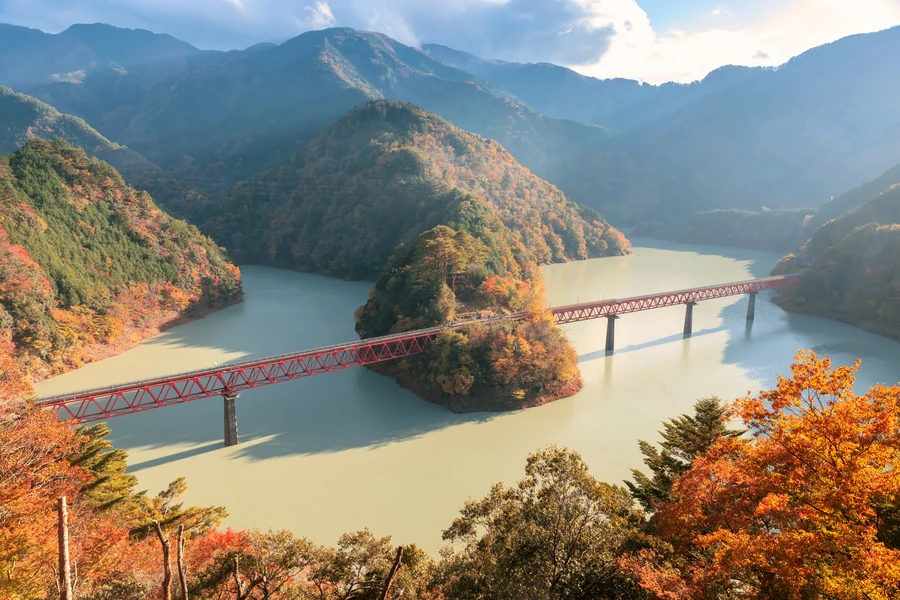
- Kawanehon, Shizuoka
Located in Shizuoka’s famous tea-growing region, the rolling hills of Kawanehon are practically covered in green tea fields, showing off the wonderfully abundant landscape. The tea terraces are nestled in valleys of rivers and mountains with a particularly recognisable bridge running across the Ōi River.
Home to sections of the Ōigawa Railway, old-fashioned steam locomotives regularly cross the bridge, which not only offers a great way to explore the area, but further adds to the nostalgic, almost cinematic, charm of the town.
Both the railway and heavy tea production offer employment potential for those considering relocating here. Again, this is a location blessed by little tourism and is sparsely populated anyway, giving those who come here an instantly remote and authentic countryside experience.
Home to sections of the Ōigawa Railway, old-fashioned steam locomotives regularly cross the bridge, which not only offers a great way to explore the area, but further adds to the nostalgic, almost cinematic, charm of the town.
Both the railway and heavy tea production offer employment potential for those considering relocating here. Again, this is a location blessed by little tourism and is sparsely populated anyway, giving those who come here an instantly remote and authentic countryside experience.
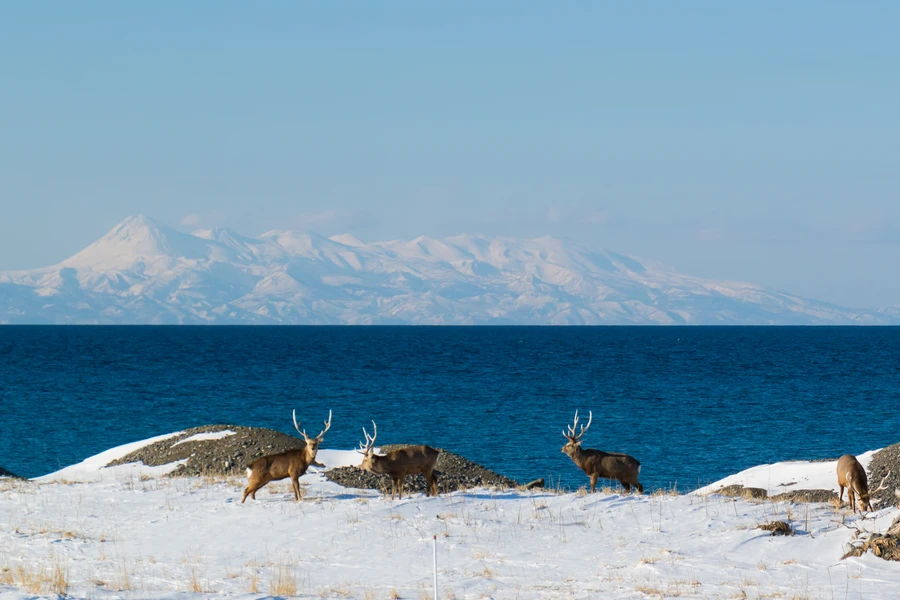
- Shibetsu-chō, Hokkaido
Close to the Shiretoko Peninsula, which is a UNESCO World Heritage (opens in new window) area, Shibetsu catches the eyes of visitors for its natural beauty, but also for its abundant wildlife of deer, foxes and birds. Vast plains, wetlands and a rugged coastline form the roaming area for these animals and the farmers who live and work there. Farmland and grazing fields further add to the appeal, which is calm and grounding.
The place is particularly pretty in winter, and as it’s located along the Sea of Okhotsk (north of the North Pacific Ocean), visitors can sometimes see drift ice. This raw and unusual landscape stands out from the more built-up areas of Japan, but offers a true sense of Hokkaido’s untamed natural beauty.
The place is particularly pretty in winter, and as it’s located along the Sea of Okhotsk (north of the North Pacific Ocean), visitors can sometimes see drift ice. This raw and unusual landscape stands out from the more built-up areas of Japan, but offers a true sense of Hokkaido’s untamed natural beauty.
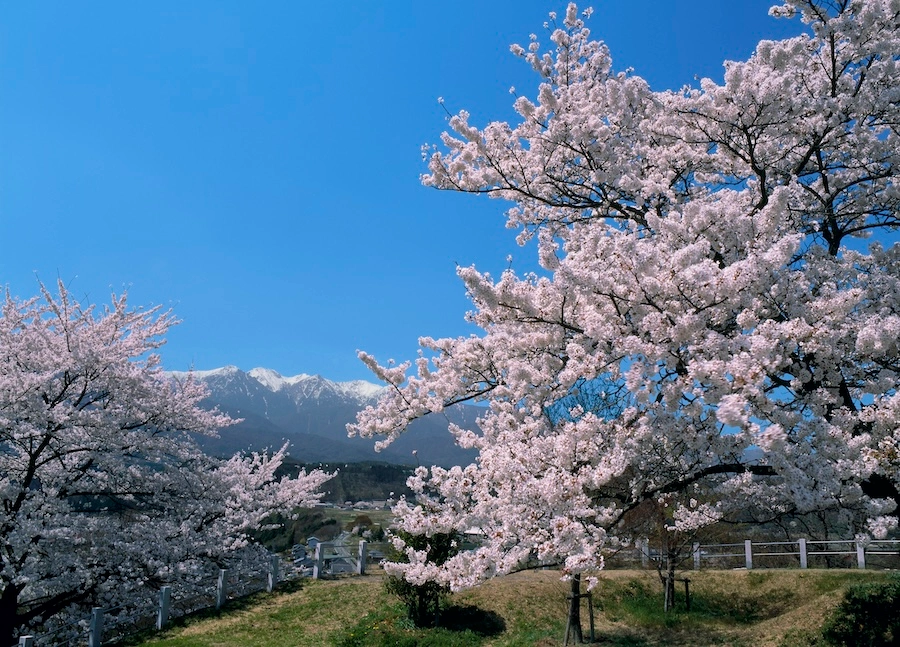
- Nakagawa, Nagano
What catches the attention of admirers of Nakagawa is its alpine scenery of snow-capped mountains at every angle during winter and luscious green mountainsides (and lots of cherry trees!) in the warmer months. Set between the Central and Southern Japanese Alps, it’s also located along the Tenryū River, with the valley landscape giving it a postcard-style countryside look.
Although more accessible than a lot of the other remote villages and towns in this list (making it ideal for those considering relocating), the village is still uncrowded and quiet throughout the year. Made up of farmland, orchards and traditional Japanese houses, the atmosphere is definitely tranquil, cemented by little traffic and a strong connection to nature.
Although more accessible than a lot of the other remote villages and towns in this list (making it ideal for those considering relocating), the village is still uncrowded and quiet throughout the year. Made up of farmland, orchards and traditional Japanese houses, the atmosphere is definitely tranquil, cemented by little traffic and a strong connection to nature.
- Shinjō-son, Okayama
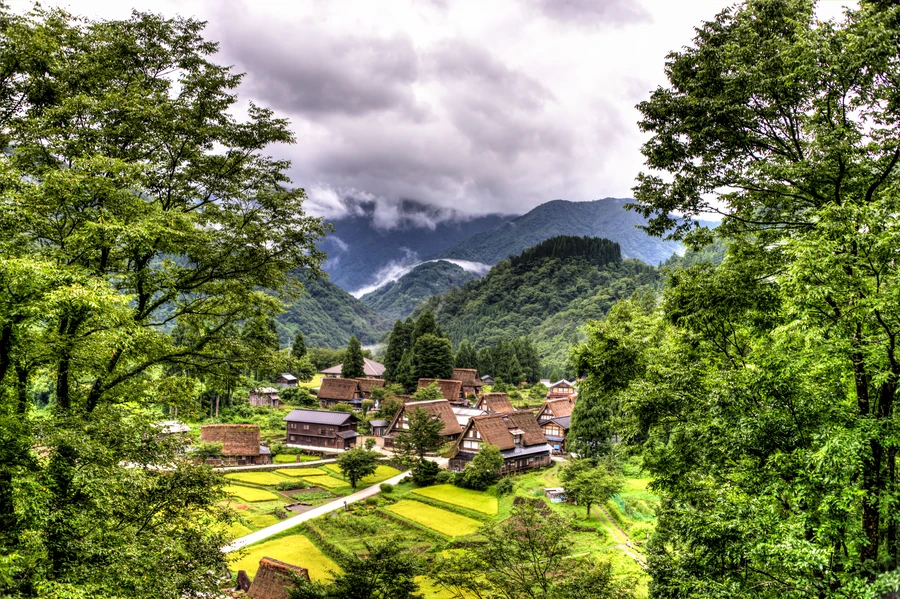
This mountain village is located in the interior of the Okayama prefecture, surrounded by forested peaks, which offers layered views of valleys and ridgeways. The dense forest landscape gives the village a rich green appearance for the majority of the year, but autumn truly transforms the town into a fiery colour explosion.
The landscape is reflected in the local economy, which centres on forestry, agriculture and government sustainability initiatives.
Small clusters of traditional thatched homes and farmland sit within the landscape rather than dominating it, adding charm and authenticity. The place is definitely less developed and the infrastructure is minimal, making it undisturbed and uncrowded, ideal for those looking to explore off the beaten path.
The landscape is reflected in the local economy, which centres on forestry, agriculture and government sustainability initiatives.
Small clusters of traditional thatched homes and farmland sit within the landscape rather than dominating it, adding charm and authenticity. The place is definitely less developed and the infrastructure is minimal, making it undisturbed and uncrowded, ideal for those looking to explore off the beaten path.
- Ine, Kyoto
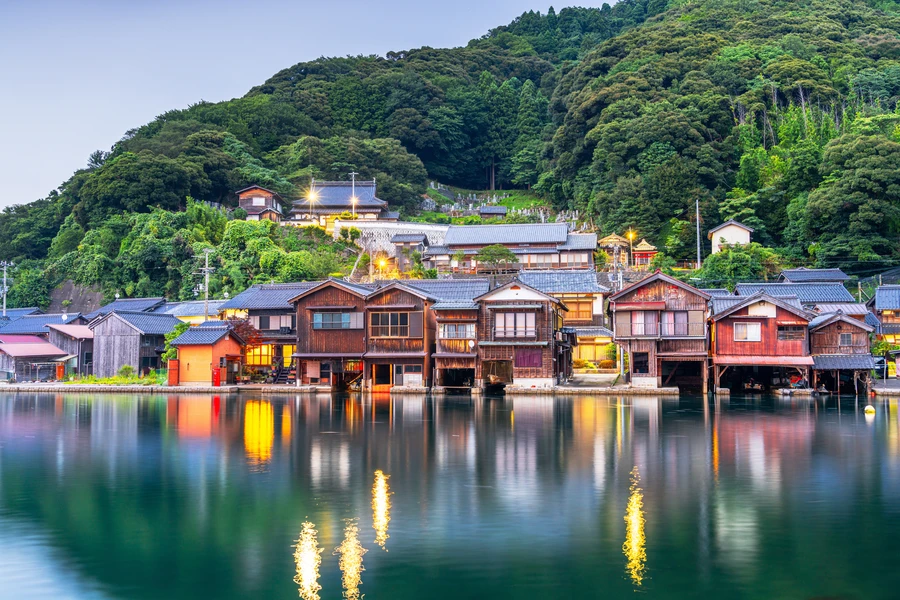
This tiny fishing town located a couple of hours outside Kyoto is renowned for its many ‘funaya’ (traditional wooden boathouses built directly on the water), forming the beautiful waterside setting. This unique coastal architecture gives off the appearance of a floating town, which is rarely seen anywhere else in Japan.
The coastal weather has naturally corroded the materials of the buildings, giving the wooden houses a colourful touch in places, further enhancing the charm. Located along a sheltered inlet of the Sea of Japan, the green, clear and still waters reflect the rows of houses, completing the picturesque look.
There are also mountains and forested hills surrounding the town, which adds to the natural beauty, but it’s the authentic atmosphere of a quiet fishing town that really make this place special. The subtle everyday beauty of fishermen going about their business with their boats and their nets create a quiet, lived-in ambience that feels genuine.
The coastal weather has naturally corroded the materials of the buildings, giving the wooden houses a colourful touch in places, further enhancing the charm. Located along a sheltered inlet of the Sea of Japan, the green, clear and still waters reflect the rows of houses, completing the picturesque look.
There are also mountains and forested hills surrounding the town, which adds to the natural beauty, but it’s the authentic atmosphere of a quiet fishing town that really make this place special. The subtle everyday beauty of fishermen going about their business with their boats and their nets create a quiet, lived-in ambience that feels genuine.
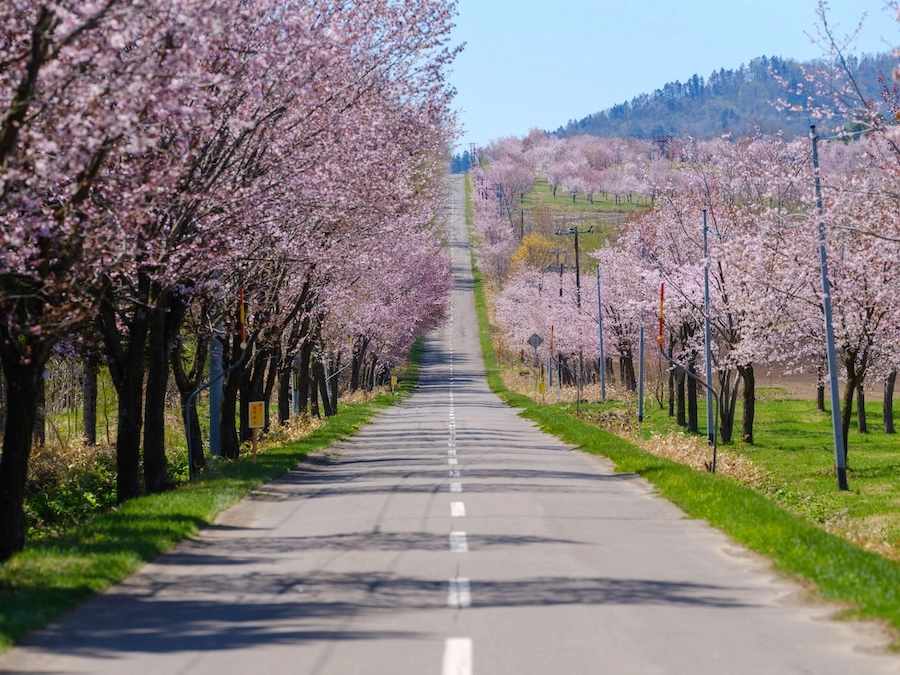
Photo: Image Navi via Alamy
- Nakasatsunai, Hokkaido
Nakasatsunai’s wide-open rural landscapes, often filled with roads lined with cherry blossom trees, are what gives the village its natural beauty. A peaceful agricultural scene is set under open skies with broad fields stretching for miles behind a mountain backdrop. In fact, Nakasatsunai is set in one of Hokkaido’s key farming regions, with well-maintained crop fields and grazing land for miles.
On top of that though, Nakasatsunai is home to the Rokka no Mori art village (ideal for anyone considering a career in the arts), where galleries and sculptures are set within nature. These subtle artistic features enhance the scenery without overpowering it, adding an extra layer of visual interest.
On top of that though, Nakasatsunai is home to the Rokka no Mori art village (ideal for anyone considering a career in the arts), where galleries and sculptures are set within nature. These subtle artistic features enhance the scenery without overpowering it, adding an extra layer of visual interest.
- Sai, Aomori
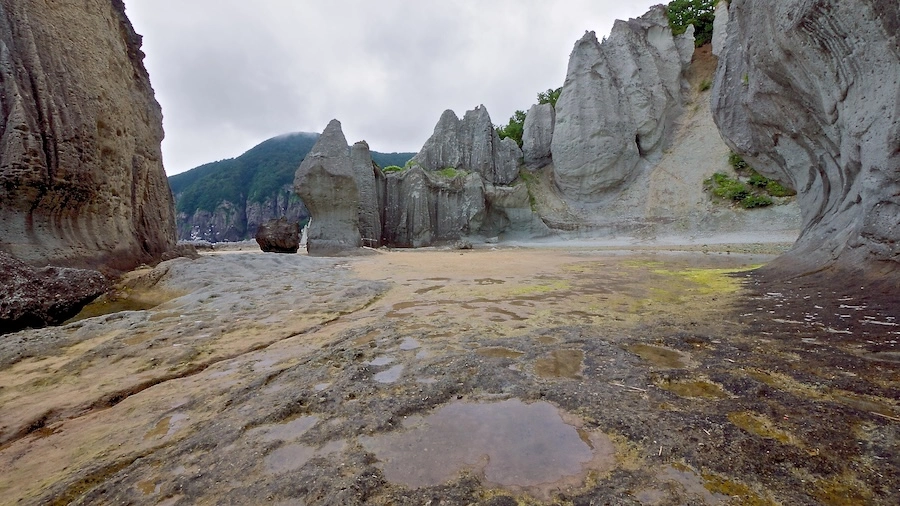
What really catches the eye in Sai, a tiny village on the northwestern coast of Aomori's Shimokita Peninsula, is its dramatic combination of rugged coastline, ancient forest and quiet harbour life. Tucked away on the northern tip of Honshu and accessible mainly by high-speed ferry or winding mountain roads, this is one of the least-discovered corners of Japan - and the absence of crowds is a big part of its allure.
Its standout feature is Hotokegaura, a two-kilometre stretch of soaring white cliffs sculpted by wind and waves into towering pillars and pinnacles. Reached by boat, the contrast of the pale rock against deep blue waters is especially striking in summer, while autumn brings fiery foliage to the clifftops and winter cloaks the entire coastline in heavy snow.
More inland, Sai is wrapped in dense beech and cedar forests and mountain streams as the village is encased by the tall peaks of the Osorezan mountain range.
Sai is a textbook example of “satoumi”, the Japanese concept where the rhythms of the sea and village life shape one another. Tiny fishing harbours and simple wooden houses are tucked between coves and forest, with boats and nets giving everyday scenes a lived-in, working-village character. As a result, workers seeking fishing or hospitality jobs and remote employees drawn to low-cost rural living are increasingly finding their way here.
Its standout feature is Hotokegaura, a two-kilometre stretch of soaring white cliffs sculpted by wind and waves into towering pillars and pinnacles. Reached by boat, the contrast of the pale rock against deep blue waters is especially striking in summer, while autumn brings fiery foliage to the clifftops and winter cloaks the entire coastline in heavy snow.
More inland, Sai is wrapped in dense beech and cedar forests and mountain streams as the village is encased by the tall peaks of the Osorezan mountain range.
Sai is a textbook example of “satoumi”, the Japanese concept where the rhythms of the sea and village life shape one another. Tiny fishing harbours and simple wooden houses are tucked between coves and forest, with boats and nets giving everyday scenes a lived-in, working-village character. As a result, workers seeking fishing or hospitality jobs and remote employees drawn to low-cost rural living are increasingly finding their way here.
The most beautiful prefectures in Japan
In our analysis, we also wanted to see which prefectures viewers found the most eye-catching. By grouping the data of analysed towns and villages together by prefecture, we found which one got the longest combined gazes.
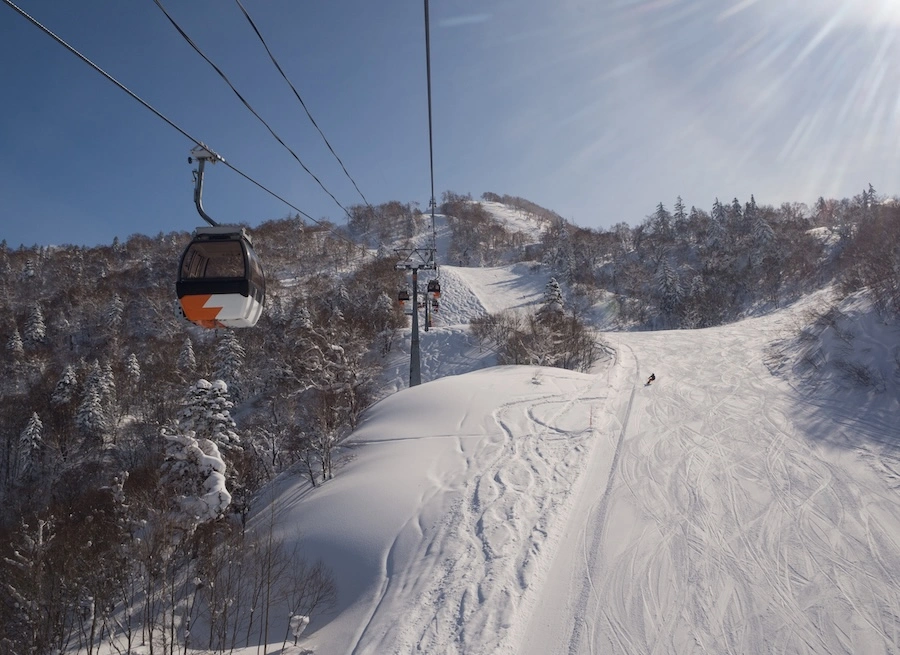
- Hokkaido
Hokkaido, which is Japan’s northernmost main island, stands out as the most beautiful prefecture according to our data, with multiple villages and towns located here ranking highly for their visual appeal. Hokkaido is classified as both a region and a prefecture, so its sheer scale naturally produces multiple entries, but the visual appeal stands on its own merits. What makes this prefecture so striking is its sheer sense of scale. We’re talking vast open plains, rugged coastlines and expansive skies that feel a world away from Japan’s dense urban centres.
The prefecture is also home to some of Japan’s most dramatic natural features, including active volcanoes, national parks and the Shiretoko Peninsula, a UNESCO World Heritage Site. Wildlife is abundant here too, with deer, foxes and birdlife commonly seen across its wetlands and forests, adding movement and life to the scenery.
Seasonality plays a huge role in Hokkaido’s beauty. In winter, heavy snowfall transforms the landscape into a white expanse, while in summer, fields and countryside burst into vivid greens and floral colours. This ever-changing environment, combined with its relative lack of crowds, creates a raw and untamed beauty that consistently draws the eye.
For those who are considering Hokkaido for work, there is a growing demand for foreign workers in rural industries such as agriculture, food production and tourism.
The prefecture is also home to some of Japan’s most dramatic natural features, including active volcanoes, national parks and the Shiretoko Peninsula, a UNESCO World Heritage Site. Wildlife is abundant here too, with deer, foxes and birdlife commonly seen across its wetlands and forests, adding movement and life to the scenery.
Seasonality plays a huge role in Hokkaido’s beauty. In winter, heavy snowfall transforms the landscape into a white expanse, while in summer, fields and countryside burst into vivid greens and floral colours. This ever-changing environment, combined with its relative lack of crowds, creates a raw and untamed beauty that consistently draws the eye.
For those who are considering Hokkaido for work, there is a growing demand for foreign workers in rural industries such as agriculture, food production and tourism.
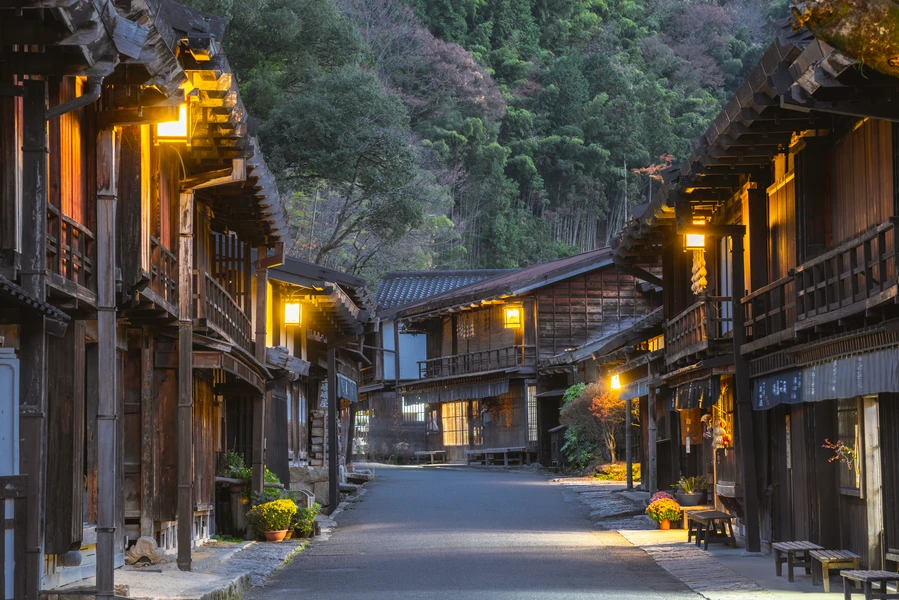
- Nagano
Nagano earns its place among Japan’s most beautiful prefectures thanks to its alpine scenery and picturesque valley landscapes, which consistently draw attention (and form a strong appeal for outdoor lifestyle migrants). Nestled in the Japanese Alps, the prefecture is characterised by towering peaks, clear rivers and expansive rural views.
Villages like Nakagawa highlight the area’s appeal, where farmland, orchards and traditional homes sit against a backdrop of snow-capped mountains. The presence of rivers such as the Tenryū adds further depth, creating postcard-like scenes that feel balanced and harmonious.
Nagano’s beauty is also deeply seasonal - from cherry blossoms in spring to lush greenery in summer and vivid foliage in autumn. The prefecture offers a blend of accessibility and tranquillity, making it both visually striking and easy to explore.
Villages like Nakagawa highlight the area’s appeal, where farmland, orchards and traditional homes sit against a backdrop of snow-capped mountains. The presence of rivers such as the Tenryū adds further depth, creating postcard-like scenes that feel balanced and harmonious.
Nagano’s beauty is also deeply seasonal - from cherry blossoms in spring to lush greenery in summer and vivid foliage in autumn. The prefecture offers a blend of accessibility and tranquillity, making it both visually striking and easy to explore.
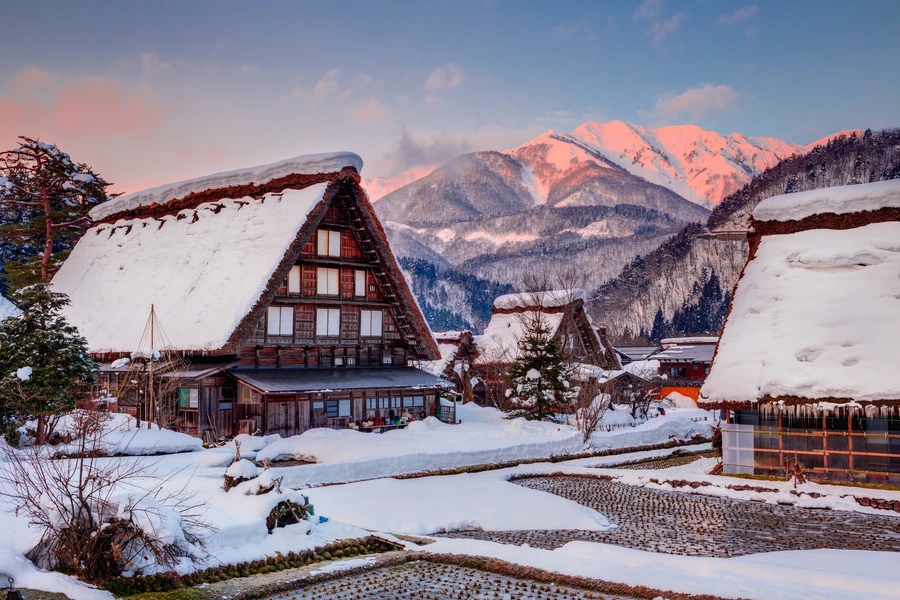
- Gifu
Gifu stands out for its well-preserved historic towns and water-rich landscapes, offering a distinct kind of beauty rooted in tradition. The prefecture is home to places like Gujo Hachiman and Shirakawa-go, where historic architecture and natural surroundings combine seamlessly.
Clear rivers and intricate canal systems run through many of its towns, creating movement and reflection that naturally draws the eye. At the same time, traditional wooden buildings, merchant houses and thatched farmhouses give the area a cohesive and timeless aesthetic.
Surrounded by mountains, Gifu’s landscapes shift dramatically with the seasons, enhancing its visual appeal year-round. The blend of cultural heritage and natural scenery makes it one of Japan’s most visually engaging prefectures.
Clear rivers and intricate canal systems run through many of its towns, creating movement and reflection that naturally draws the eye. At the same time, traditional wooden buildings, merchant houses and thatched farmhouses give the area a cohesive and timeless aesthetic.
Surrounded by mountains, Gifu’s landscapes shift dramatically with the seasons, enhancing its visual appeal year-round. The blend of cultural heritage and natural scenery makes it one of Japan’s most visually engaging prefectures.
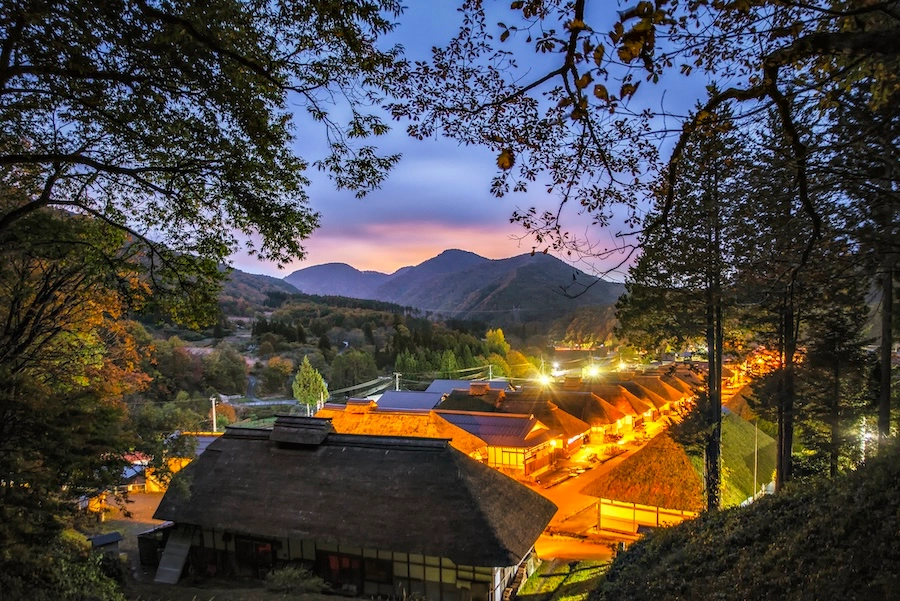
- Fukushima
Layered geography is the stand-out feature in the prefecture of Fukushima, contributing to its beautiful eye-catching allure. Layer one consists of a rugged, snow-blanketed Aizu mountain range to the west. Next come the rice plains and rich orchards of the likes of the Nakadōri valley in the middle. Finally, the coastline of the Pacific Ocean near Hamadōri in the east. It is also home to Japan's fourth-largest lake (Lake Inawashiro) and an active volcano (Mount Bandai), whose past eruptions created the colourful volcanic ponds of Goshiki-numa. To boot, there are also the beech forests and highlands of the Bandai-Asahi National Park.
Natural beauty is clearly the show-stopper here, which is reflected in the towns and villages you can find in this prefecture. There’s Shōwa-mura, a remote hamlet near the Aizu mountains; the Edo-period Ōuchi-juku with its rows of thatched-roof houses; Mishima, perched over the Tadami River; and Otama, a quiet rural village right at the foot of Mount Adatara.
Seasonally, the prefecture offers everything from heavy snow during the winter months and cherry blossoms in spring, to luscious rice fields in the summer and an explosion of warm colours during autumn.
Thinking of moving to Japan (opens in new window)? Fukushima offers easy access to larger urban hubs through the Shinkansen (it’s only an hour away from Tokyo), while providing dramatically lower cost of living. Additionally, future-facing industries (Fukushima sits in the heart of Japan’s renewable energy and hydrogen push) and a growing focus on tech for agriculture, robotics and construction mean engineers are in high demand.
Natural beauty is clearly the show-stopper here, which is reflected in the towns and villages you can find in this prefecture. There’s Shōwa-mura, a remote hamlet near the Aizu mountains; the Edo-period Ōuchi-juku with its rows of thatched-roof houses; Mishima, perched over the Tadami River; and Otama, a quiet rural village right at the foot of Mount Adatara.
Seasonally, the prefecture offers everything from heavy snow during the winter months and cherry blossoms in spring, to luscious rice fields in the summer and an explosion of warm colours during autumn.
Thinking of moving to Japan (opens in new window)? Fukushima offers easy access to larger urban hubs through the Shinkansen (it’s only an hour away from Tokyo), while providing dramatically lower cost of living. Additionally, future-facing industries (Fukushima sits in the heart of Japan’s renewable energy and hydrogen push) and a growing focus on tech for agriculture, robotics and construction mean engineers are in high demand.
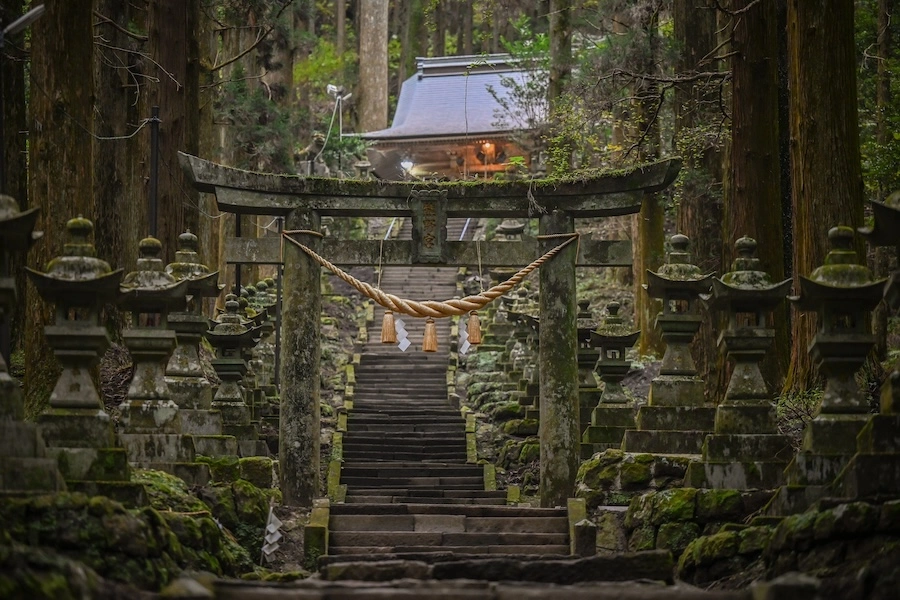
Photo: weniliou via Shutterstock.com (opens in new window)
- Kumamoto
Kumamoto is particularly eye-catching for its dramatic landscapes shaped by Mount Aso, one of the largest active volcanoes in the world. The vast caldera and surrounding grasslands create sweeping views that feel expansive and open.
Villages like Minamioguni highlight the prefecture’s strong onsen culture, where hot springs, forests and traditional architecture come together to form highly atmospheric settings. Steam rising from baths, especially in cooler months, adds a dynamic visual element to the landscape. The balance between rugged natural features and carefully preserved rural towns gives Kumamoto a distinctive and memorable beauty.
The increase in popularity from foreign visitors makes tourism and hospitality a growing sector here, but interestingly, the region also has a strong focus on semiconductors and tech manufacturing.
Villages like Minamioguni highlight the prefecture’s strong onsen culture, where hot springs, forests and traditional architecture come together to form highly atmospheric settings. Steam rising from baths, especially in cooler months, adds a dynamic visual element to the landscape. The balance between rugged natural features and carefully preserved rural towns gives Kumamoto a distinctive and memorable beauty.
The increase in popularity from foreign visitors makes tourism and hospitality a growing sector here, but interestingly, the region also has a strong focus on semiconductors and tech manufacturing.
- Shizuoka
Shizuoka’s appeal lies in its lush tea plantations and scenic river valleys, which create some of Japan’s most recognisable rural landscapes. Rolling hills covered in tea fields form patterned, vibrant scenery that stands out for its colour and texture.
Areas like Kawanehon showcase this perfectly, where tea terraces meet rivers such as the Ōi, framed by mountains on either side. Historic railway lines running through these landscapes add a nostalgic, almost cinematic quality.
With its mix of agriculture, water and mountains, Shizuoka offers a calm and visually rich environment that feels both productive and peaceful. With a growing manufacturing industry specialising in cars and electronics, there is also appeal for those seeking work in a new location.
Areas like Kawanehon showcase this perfectly, where tea terraces meet rivers such as the Ōi, framed by mountains on either side. Historic railway lines running through these landscapes add a nostalgic, almost cinematic quality.
With its mix of agriculture, water and mountains, Shizuoka offers a calm and visually rich environment that feels both productive and peaceful. With a growing manufacturing industry specialising in cars and electronics, there is also appeal for those seeking work in a new location.
- Aomori
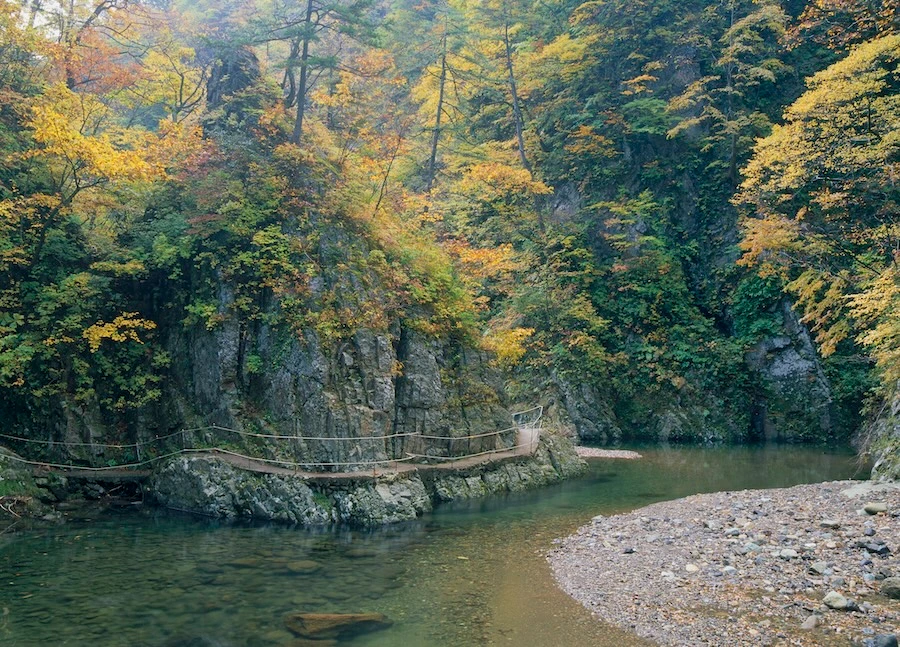
Aomori stands out for its wild coastal scenery and expansive forests, particularly around areas like Shirakami-Sanchi, a UNESCO-listed beech forest. The prefecture combines mountainous terrain with dramatic sea views, offering a diverse visual experience.
Villages and towns here often sit between forest and coastline, creating striking contrasts between land and water. Seasonal changes are especially pronounced, with heavy snowfall in winter and lush greenery in summer.
This blend of rugged nature and remote settlements gives Aomori a distinctive, almost elemental beauty.
Villages and towns here often sit between forest and coastline, creating striking contrasts between land and water. Seasonal changes are especially pronounced, with heavy snowfall in winter and lush greenery in summer.
This blend of rugged nature and remote settlements gives Aomori a distinctive, almost elemental beauty.
- Fukuoka
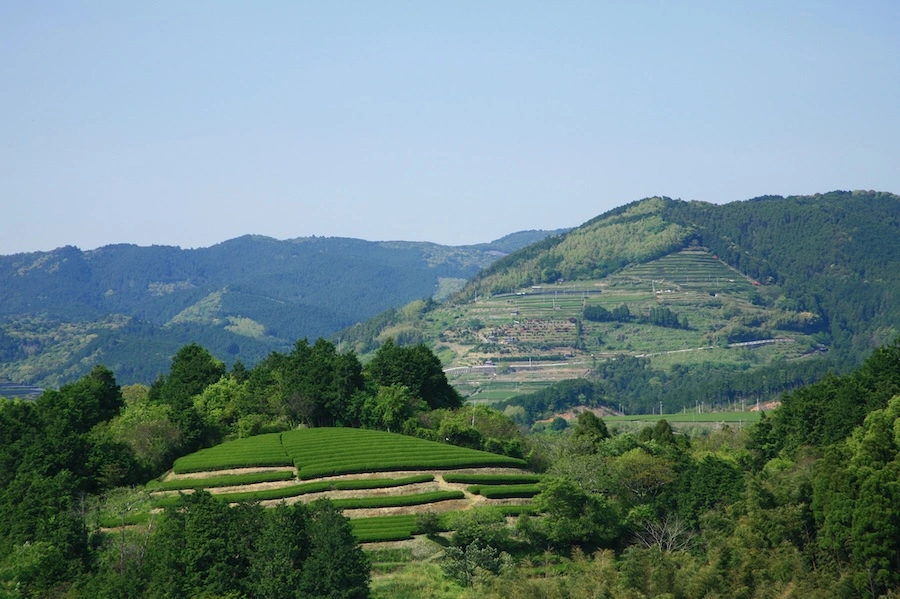
Fukuoka stands out for its varied landscape, ranging from striking white beaches beneath cliffs shaped by the strong coastal waves courtesy of the Genkai Sea, to forested peaks and snowy slopes in the Seburi mountain range. As a relatively small prefecture, it’s actually impressive the wide variety of landscapes on display here - the UNESCO-listed sacred island of Munakata, rolling tea hills in Yame, and limestone pillars among grassy hills in Hiraodai, to name a few.
The towns and villages of this prefecture sit dotted in-between these landscapes, nestled among valleys, mountains, rivers and farmland. The mountain pottery village of Tōhō and Ukiha, with its vineyards and persimmon orchards, are excellent examples.
For newcomers from abroad, Fukuoka offers an unusual balance: international connectivity through its major cities alongside genuine rural Japan — beaches, mountains, and historic towns all within easy reach.
The towns and villages of this prefecture sit dotted in-between these landscapes, nestled among valleys, mountains, rivers and farmland. The mountain pottery village of Tōhō and Ukiha, with its vineyards and persimmon orchards, are excellent examples.
For newcomers from abroad, Fukuoka offers an unusual balance: international connectivity through its major cities alongside genuine rural Japan — beaches, mountains, and historic towns all within easy reach.
- Tokushima
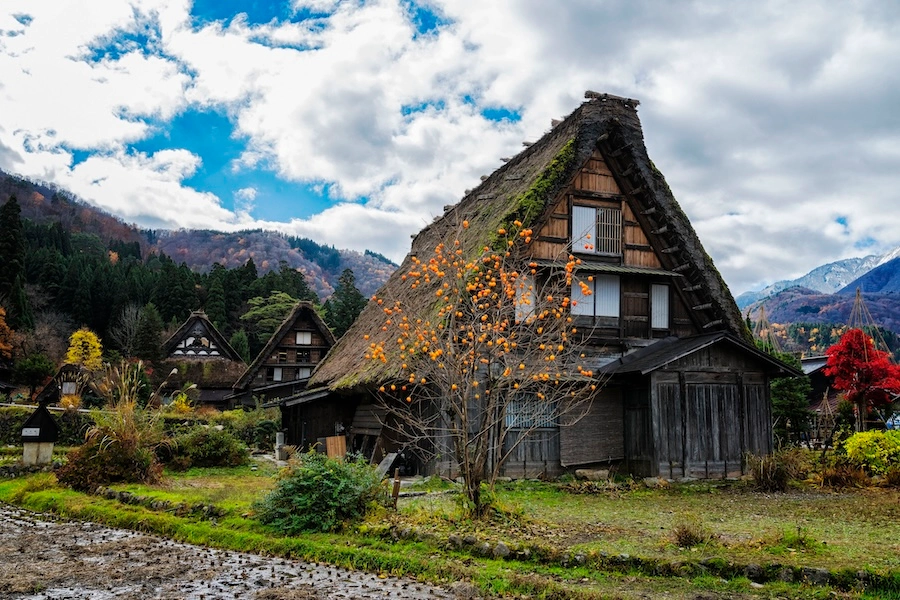
Tokushima is known for its remote mountain valleys and dense forest landscapes, offering a more rugged and untamed beauty. The prefecture’s interior is dominated by steep terrain, deep gorges and thick woodland, creating dramatic and immersive scenery.
Places like Kamikatsu and the Iya Valley highlight this natural intensity, where traditional homes and small settlements are tucked into the landscape rather than reshaping it.
The prefecture’s relative inaccessibility has helped preserve its authenticity, making it especially appealing to those drawn to off-the-beaten-path destinations and raw natural beauty.
Places like Kamikatsu and the Iya Valley highlight this natural intensity, where traditional homes and small settlements are tucked into the landscape rather than reshaping it.
The prefecture’s relative inaccessibility has helped preserve its authenticity, making it especially appealing to those drawn to off-the-beaten-path destinations and raw natural beauty.
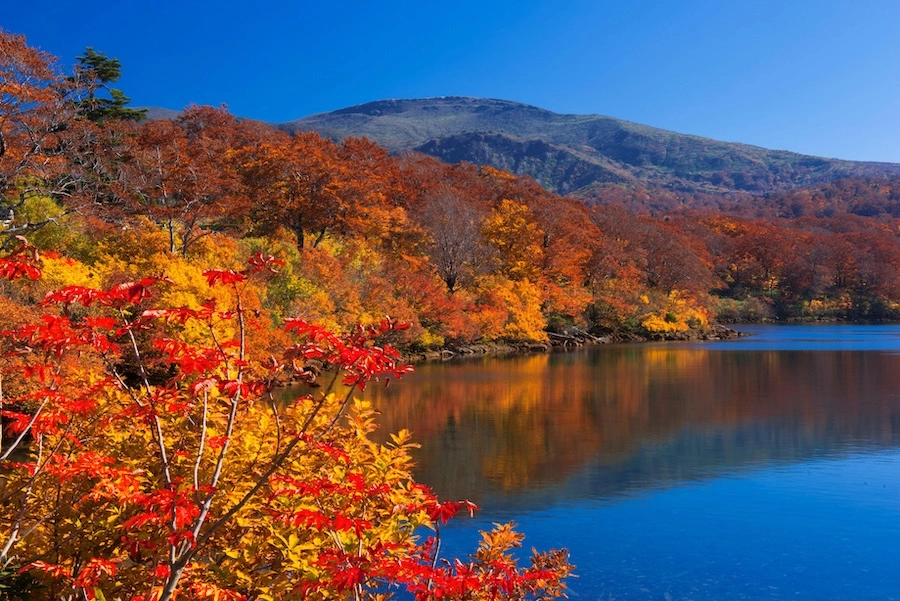
Photo: Amana Images Inc. via Alamy
- Akita
What makes Akita eye-catching is its striking combination of mountains, forests and coastline, whether it is the deep blue waters of Lake Tazawa, the volcanic highlands of Hachimantai or the drama-filled cliffs of the Oga Peninsula. On the border with Aomori, another highlighted prefecture in our study, you can find the UNESCO-listed Shirakami-Sanchi beech forest, and across the central mountain range of the Ōu Mountains, there are acres of rich rice fields.
Stand-out towns, villages and settlements in this prefecture are often tucked into one of these landscape types, such as Higashinaruse and Kosaka, two quiet hamlets featured in our eyetracking analysis - the former surrounded by beech forests, river valleys and terraced fields, the latter defined by its Meiji-era (late 19th c.) Western-style buildings from Kosaka's mining-boom past.
Equally vibrant during all seasons, whether by a blanket of snow during winter (the prefecture has some of the heaviest snowfall in Japan), or lush green rice paddies during summer, this is an area of the country not to be underestimated.
For foreign professionals considering a new life in Japan, Akita offers up a surprisingly international working environment, perhaps thanks to Akita International University. It could also be due to its many relocation incentives in the areas of agritech and IT.
Stand-out towns, villages and settlements in this prefecture are often tucked into one of these landscape types, such as Higashinaruse and Kosaka, two quiet hamlets featured in our eyetracking analysis - the former surrounded by beech forests, river valleys and terraced fields, the latter defined by its Meiji-era (late 19th c.) Western-style buildings from Kosaka's mining-boom past.
Equally vibrant during all seasons, whether by a blanket of snow during winter (the prefecture has some of the heaviest snowfall in Japan), or lush green rice paddies during summer, this is an area of the country not to be underestimated.
For foreign professionals considering a new life in Japan, Akita offers up a surprisingly international working environment, perhaps thanks to Akita International University. It could also be due to its many relocation incentives in the areas of agritech and IT.
Tips for those looking to move to Japan
Moving to Japan is an exciting prospect, but it requires careful planning and preparation. The country attracts millions of expats thanks to its high quality of life, low crime rates and rich cultural heritage, but settling in involves navigating a number of important steps.
One of the first things to consider is your visa and residency status (opens in new window). Whether you’re moving for work, study or family reasons, you’ll need the appropriate visa before arriving. Most long-term stays require a Certificate of Eligibility, which confirms that you meet the criteria for your chosen visa.
Once you arrive, there are a few essential administrative tasks to complete. New residents must register their address within 14 days, obtain a residence card and enrol in Japan’s national health insurance system. These steps are necessary for accessing everyday services such as banking, healthcare and employment.
Finding accommodation is another key consideration. Housing in major cities can be competitive, and upfront costs are often high, so many expats choose temporary accommodation before securing a long-term home. Understanding the cost of living in Japan (opens in new window), which varies depending on location, is also crucial when planning your move. Once set up in the country, you can use Remitly to send money from Japan (opens in new window) with multiple levels of security designed to keep you protected.
While it’s possible to get by with English in larger cities, learning some basic Japanese can make a significant difference in daily life and help with integration. From navigating public transport to building relationships, language plays an important role in settling in successfully.
Ultimately, moving to Japan offers a unique blend of tradition and modern living. With the right preparation, it can be a smooth and rewarding transition into one of the world’s most fascinating countries.
One of the first things to consider is your visa and residency status (opens in new window). Whether you’re moving for work, study or family reasons, you’ll need the appropriate visa before arriving. Most long-term stays require a Certificate of Eligibility, which confirms that you meet the criteria for your chosen visa.
Once you arrive, there are a few essential administrative tasks to complete. New residents must register their address within 14 days, obtain a residence card and enrol in Japan’s national health insurance system. These steps are necessary for accessing everyday services such as banking, healthcare and employment.
Finding accommodation is another key consideration. Housing in major cities can be competitive, and upfront costs are often high, so many expats choose temporary accommodation before securing a long-term home. Understanding the cost of living in Japan (opens in new window), which varies depending on location, is also crucial when planning your move. Once set up in the country, you can use Remitly to send money from Japan (opens in new window) with multiple levels of security designed to keep you protected.
While it’s possible to get by with English in larger cities, learning some basic Japanese can make a significant difference in daily life and help with integration. From navigating public transport to building relationships, language plays an important role in settling in successfully.
Ultimately, moving to Japan offers a unique blend of tradition and modern living. With the right preparation, it can be a smooth and rewarding transition into one of the world’s most fascinating countries.
Methodology
- We surveyed 800 people (400 men and 400 women) from the USA, UK, Australia, Germany and Spain using the polling platform Prolific.
- We presented each participant with images of 52 different Japanese rural locations and used the eye tracking technology platform RealEye to measure people’s gaze.
- We measured the average time each participant spent looking at each picture (in seconds), as well as the average time it took for the participant to land on their first “fixation” in the image. We indexed the two data points to create a score out of 100, with the rural location with the highest score being deemed the most “eye-catching”.
- To discover the most eye-catching regions/prefectures, we grouped the rural locations by prefecture and combined their scores.
Beyond Borders: The Official Remitly Blog
How to Get a Digital Nomad Visa in Japan: Everything You Need to Know for the Upcoming Application
Read more (opens in new window)
Buying a Property in Japan: A Comprehensive Guide for First-Time Buyers
Read more (opens in new window)
How to Send Money to Japan Safely in 5 Easy Steps
Read more (opens in new window)This publication is provided for general information purposes only and is not intended to cover all aspects of the topics discussed herein. This publication is not a substitute for seeking advice from an applicable specialist or professional. The content in this publication does not constitute legal, tax, or other professional advice from Remitly or any of its affiliates and should not be relied upon as such. While we strive to keep our posts up to date and accurate, we cannot represent, warrant or otherwise guarantee that the content is accurate, complete or up to date.