English (US) – Page 78

How to Send $10,000 or More from the U.S. to India Using Remitly: A Step-by-Step Guide for Large Transfers

Sending $10,000+ to India from the U.S.? Remitly charges no fee on transfers of $1,000 or more. Send up to $100,000 in one transfer — bank deposit, UPI, or cash pickup.

English (US)

Sending a large amount of money to India is a big moment — whether it’s to support your family, cover medical costs, help with a wedding, fund an education, or purchase property. You deserve a process that feels simple and secure.

With Remitly, you can send a single transfer of up to $100,000 from the US to India, right from your phone or computer. This guide walks you through each step so you know what to expect.

Before You Start: What to Have Ready

Having a few documents on hand before you begin can help keep things moving smoothly.

Document Description of Document
A valid photo ID Driver’s license or passport
Proof of address A utility bill or bank statement
Your recipient’s bank details Their full name, bank account number, and IFSC code.
Source of funds information A bank statement or pay stub (may be requested for larger transfers).

You can gather these as you go, but having them ready can save time.
Step 1: Set Up Your Remitly Account

If you’re new to Remitly, getting started takes just a few minutes.

Download the Remitly app or visit remitly.com. Create your account using your email address and a password, then select India as your destination country.

If you already have an account, you can move to the next step.

Step 2: Verify Your Identity

Before sending a large transfer, you’ll be asked to verify your identity. This is a standard step designed to help protect you and your money.

You’ll typically need to upload a government-issued photo ID, and in some cases, proof of address. Most people complete this process in just a few minutes. Once verified, higher sending limits become available — including the ability to send up to $100,000 in a single transfer from the US to India.

Step 3: Enter Your Transfer Amount

Enter the amount you’d like to send — for example, $15,000.

You’ll see a clear breakdown of:

  • The exchange rate you’re receiving
  • Any fees
  • The exact amount in Indian rupees your recipient will receive

Fees: Remitly charges no transaction fee on transfers of $1,000 or more to India when sending from the U.S. On a $15,000 transfer, you would not pay a transaction fee.

Payment method: For large transfers, paying by bank account is an option. Debit and credit card options may also be available.

Delivery speed: Paying via bank account typically takes 3-6 days. Paying via card arrives faster.

You can choose the option that best fits your timing needs.
Step 4: Choose How Your Recipient Receives the Money

Remitly offers three delivery options for transfers to India:

  • Bank deposit — funds are sent directly to your recipient’s Indian bank account
  • UPI — a digital delivery option sent to your recipient’s UPI ID
  • Cash pickup — your recipient collects funds in person

For bank deposits, Remitly works with major banks including HDFC, Axis Bank, ICICI, and many more across India.

Step 5: Add Your Recipient’s Details

Enter your recipient’s information carefully:

  • Full name (as it appears on their bank account)
  • Address
  • Bank account number
  • IFSC code

The IFSC code identifies the specific bank branch for the account. Entering the correct details is important, as errors can cause delays.

Take a moment to review everything before moving forward.

Step 6: Review and Send

Before confirming, you’ll see a summary screen that includes:

  • The amount you’re sending
  • Any fees
  • The exchange rate shown for your transfer
  • Your chosen delivery method
  • Your recipient’s details
  • The estimated delivery time

Review the information carefully. When you’re ready, tap Send.
Step 7: If Additional Information Is Requested

For larger transfers, Remitly may request additional documents or ask questions such as the purpose of the transfer or the source of funds. Any request will appear directly in the app. Responding promptly can help avoid delays.

If you have questions at any point, customer support is available 24 hours a day, 7 days a week, in 18 languages.

Step 8: Track Your Transfer

Once your transfer is sent, you can track it in real time in the Remitly app. You can also choose to receive updates by text message, email, or push notification.

You’ll be able to see the status of your transfer from the moment it’s sent until it reaches your recipient.

Quick Tips for Sending Large Transfers

  • Prepare your documents ahead of time
  • Consider paying by bank account (ACH) for higher transfer amounts
  • Double-check your recipient’s bank details
  • Single transfers of up to $100,000 are supported from the US to India
Frequently Asked Questions (FAQs)

How much can I send from the U.S. to India in a single transfer with Remitly?

You can send up to $100,000 in a single transfer from the US to India.

Are there fees for sending large amounts with Remitly?

Remitly charges no transaction fee on transfers of $1,000 or more to India. You’ll see a full breakdown of fees, exchange rate, and the amount your recipient will receive before confirming.

How long does delivery take?

Delivery via bank account typically takes 3-6 days. Paying via card arrives faster.

What payment methods can I use?

For large transfers, paying by bank account (ACH) is an option. Debit and credit card options may also be available depending on the amount.

What is an IFSC code?

An IFSC code identifies the specific bank branch associated with your recipient’s account in India. Entering it correctly helps avoid delays.

What delivery options are available?

Recipients in India can receive funds by bank deposit, UPI, or cash pickup. Bank deposits are supported with major banks including HDFC, Axis Bank, ICICI, and thousands more.

Is support available if I need help?

Yes. Customer support is available 24/7 in 18 languages.

Ready to Send?

Sending $10,000 or more is meaningful — and with Remitly, you can send up to $100,000 in a single transfer from the US to India. Transfers of $1,000 or more to India have no transaction fee, and you can choose from multiple delivery options and track your transfer in real time.
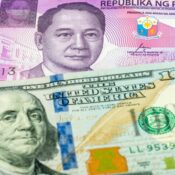
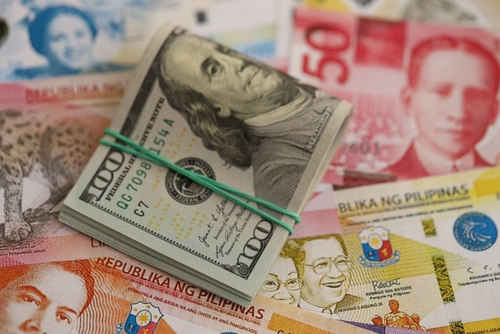
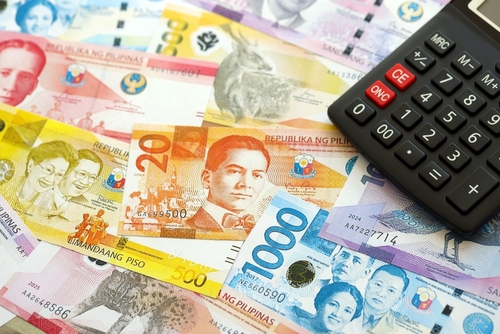
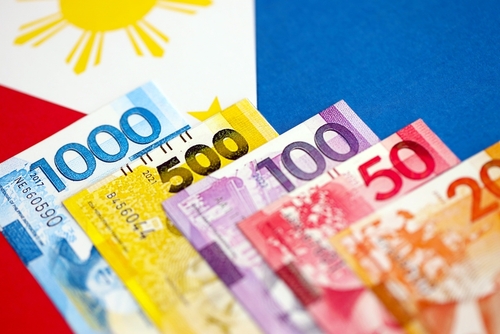
The Philippines is one of the world’s top remittance-receiving countries. Many people in the United States send larger amounts to support family, contribute to property purchases, pay for education, cover healthcare costs, or help with important celebrations.

If you’re sending $5,000 or more, you want the process to be clear and secure. Remitly offers one of its widest ranges of delivery options to the Philippines including home delivery, high sending limits, and no daily send limits.

Here’s how the process works.

Before You Start: What to Have Ready

Having these ready before you begin can help your transfer move smoothly.

Documents and Details Description
Valid Photo ID Driver’s license or passport
Proof of Address Utility bill or bank statement
Recipient’s Details Full name (must match their government ID), phone number, and bank name and account number (if sending via bank deposit)
Source of Funds Information May be requested for larger transfers

Step 1: Set Up Your Remitly Account

Download the Remitly app or visit remitly.com. Create your account using your email address and password, then select the Philippines as your destination country.

The setup process takes just a few minutes.

If you already have an account, you can move to the next step.

Step 2: Verify Your Identity

Before sending, you’ll need to verify your identity. This is a standard step designed to help protect you and your money.

You’ll typically upload a government-issued photo ID. Proof of address may also be required. Once verified, higher sending limits become available.

Step 3: Enter Your Transfer Amount

Enter $5,000 — or the amount you’d like to send.

You’ll see:

  • The exchange rate
  • Any fees
  • The exact amount in Philippine pesos your recipient will receive

Fees

Remitly charges transaction fees on transfers from the U.S. to the Philippines. You’ll see the full breakdown before confirming your transfer.

Payment Methods

For larger transfers, paying by bank account is an option. Debit and credit card options may also be available.

Step 4: Choose How Your Recipient Receives the Money

The Philippines has one of Remitly’s widest selections of delivery options:

  • Bank deposit — sent directly to your recipient’s Philippine bank account, including BPI, BDO, Metrobank, and many more
  • Cash pickup — available at many locations including Cebuana Lhuillier, M Lhuillier, SM, and more
  • Mobile wallet — delivered to digital wallets such as GCash and PayMaya/Maya
  • Home delivery — cash delivered by courier directly to your recipient’s address

Home delivery is available in only a few corridors, including the Philippines.

Step 5: Add Your Recipient’s Details

Enter your recipient’s information carefully:

  • Full name (must match their government-issued ID exactly)
  • Phone number
  • Bank name and account number (if sending via bank deposit)
  • Home address (if using home delivery)

For cash pickup, your recipient must bring a valid ID that matches the name on the transfer.

Review all details carefully before continuing. Errors can cause delays.

Step 6: Review and Confirm

Before sending, you’ll see a Send Summary showing:

  • The amount you’re sending
  • Any fees
  • The exchange rate
  • Your chosen delivery method
  • Your recipient’s details
  • The estimated delivery time

Review everything carefully. When you’re ready, tap Send.

Your money is on its way to the Philippines.

Step 7: Track Your Transfer

Once your transfer is sent, you can track it in real time in the Remitly app. You can also choose to receive updates by text message, email, or push notification.

Step 8: If Additional Information Is Requested

For larger transfers, Remitly may request additional information, such as the purpose of your transfer or the source of funds. Any requests will appear directly in the app.

Responding promptly can help avoid delays. Customer support is available 24 hours a day, 7 days a week.

Quick Tips for Sending to the Philippines

  • Prepare your documents before you begin
  • Use a bank account for payment when sending higher amounts
  • Make sure your recipient’s name matches their government ID exactly
  • Confirm whether bank deposit, cash pickup, mobile wallet, or home delivery is the best option
  • You can send up to $100,000 in a single transfer from the US, with no daily send limits

Frequently Asked Questions (FAQs)

How much can I send to the Philippines in one transfer?

You can send up to $100,000 in a single transfer from the US to the Philippines. There are no daily send limits.

Are there fees for sending money to the Philippines?

There may be fees on your transfer to the Philippines depending on the delivery method you choose. You’ll see all the details before confirming.

What delivery options are available?

Delivery options include bank deposit, cash pickup, mobile wallet (including GCash and PayMaya/Maya), and home delivery.

What banks are supported for deposit?

Remitly supports deposits to major Philippine banks including BPI, BDO, Metrobank, and many more.

Why might additional information be requested?

For larger transfers, Remitly may ask about the purpose of your transfer or request proof of source of funds. Any request will appear in the app.

Is support available?

Yes. Customer support is available 24 hours a day, 7 days a week.

Mexico is one of the world’s top remittance destinations. Many people in the United States send money to support family members, cover medical expenses, contribute to property purchases, or help fund small businesses.

If you’re sending $2,000, you want the process to feel clear and secure. With Remitly, you can send up to $100,000 in a single money transfer from the US to Mexico, with transparent pricing and multiple delivery options.

This guide walks you through the process step by step.

Before You Start: What to Have Ready

Having the right information ready can help make the process smoother.

  • A valid photo ID — driver’s license or passport
  • Proof of address — a utility bill or bank statement
  • Your recipient’s details — full name (must match their government ID exactly), and if sending by bank deposit: bank name, account number, and CLABE
  • Source of funds information — may be requested for larger transfers

What Is a CLABE?

If you’re sending money directly to a Mexican bank account, you’ll need your recipient’s CLABE. A CLABE is an 18-digit standardized banking code used in Mexico. It combines routing and account number information into one code.

Recipients can find their CLABE on their bank statement or in their banking app. Entering it correctly helps avoid delays.

Step 1: Set Up Your Remitly Account

Download the Remitly app or visit remitly.com. Create your account using your email address and a password, then select Mexico as your destination country.

The setup process takes just a few minutes.

If you already have an account, you can move to the next step.

Step 2: Verify Your Identity

Before sending, you’ll need to verify your identity. This is a standard process designed to help protect you and your money.

You’ll typically upload a government-issued photo ID. Proof of address may also be required. Once verified, higher sending limits become available, including the ability to send up to $100,000 in a single transfer from the US to Mexico.

Step 3: Enter Your Transfer Amount

Enter $2,000 as your transfer amount.

You’ll see:

  • The exchange rate
  • The transfer fee
  • The exact amount in Mexican pesos your recipient will receive

Fees

Remitly charges a fee for transfers to Mexico. New customers do not pay a fee on their first transfer.

Payment Methods

For larger transfers, paying by bank account is an option. Debit and credit card options may also be available.

Step 4: Choose How Your Recipient Receives the Money

Remitly offers three delivery options for transfers to Mexico:

Delivery Option Details
Bank deposit Sent directly to your recipient’s Mexican bank account (requires CLABE)
Cash pickup Available at many locations across Mexico, including OXXO, Elektra, Coppel, Walmart, Banco Azteca, and more
Mobile wallet Delivered directly to your recipient’s digital wallet

Step 5: Add Your Recipient’s Details

Enter your recipient’s information carefully:

  • Full name (must match their government-issued ID exactly)
  • Phone number
  • Bank details (if sending via bank deposit) — bank name, account number, and CLABE

If your recipient is collecting cash, they must bring a valid ID that matches the name on the transfer exactly.

Review all details before continuing. Errors can cause delays.

Step 6: Review and Confirm

Before confirming, you’ll see a Send Summary showing:

  • The amount you’re sending
  • The transfer fee
  • The exchange rate
  • Your chosen delivery method
  • Your recipient’s details
  • The estimated delivery time

Review everything carefully. When you’re ready, tap or click Send.

Your money is on its way to Mexico.

Step 7: Track Your Transfer

Once sent, you can track your transfer in real time through the Remitly app. You can also choose to receive updates by text message, email, or push notification.

If your recipient is collecting cash, they’ll receive a text message when the funds are ready for pickup if you have added their phone number in the app..

Step 8: If Additional Information Is Requested

For some transfers, Remitly may request additional information, such as the purpose of the transfer or the source of funds. Any requests will appear directly in the app.

Responding promptly can help avoid delays. Customer support is available 24 hours a day, 7 days a week.

Quick Tips for Sending Money to Mexico

  • Have your documents ready before you begin
  • Get your recipient’s CLABE in advance if sending by bank deposit
  • For cash pickup, confirm your recipient has valid ID that matches the transfer exactly
  • Use a bank account for payment if sending higher amounts
  • You can send up to $100,000 in a single transfer from the US to Mexico

Frequently Asked Questions (FAQs)

How much does it cost to send $2,000 from the U.S. to Mexico?

Remitly charges a fee to transfer money to Mexico. New customers do not pay a fee on their first transfer. You’ll see the full fee and exchange rate before confirming.

How much can I send in one transfer?

You can send up to $100,000 in a single transfer from the US to Mexico.

How long does delivery take?

Delivery time depends on the transfer options you choose. The estimated delivery time is shown on the Send Summary screen before you confirm.

What is a CLABE?

A CLABE is an 18-digit banking code used in Mexico that combines routing and account number information. It is required for bank deposit transfers.

What if my recipient prefers cash pickup?

Cash pickup is available at thousands of locations across Mexico, including OXXO, Elektra, Coppel, Walmart, and Banco Azteca. Your recipient must bring a valid ID that matches the name on the transfer.

Why might additional information be requested?

For some transfers, Remitly may request information about the purpose of the transfer or the source of funds. Any request will appear in the app.

Is support available?

Yes. Customer support is available 24 hours a day, 7 days a week.

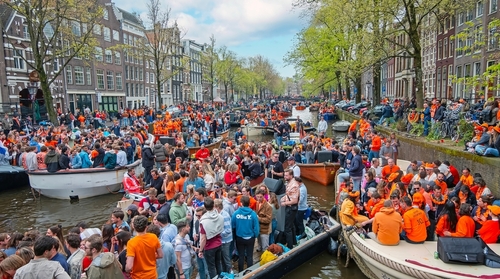
April 27, 2026, marks one of the most vibrant national holidays in Europe. On this Monday, the Netherlands transforms into a sea of orange to celebrate King Willem-Alexander’s birthday. Known locally as Koningsdag, this nationwide event brings millions of people into the streets, canals, and public parks for a day of pure celebration.

Preparing for the event ensures you have a smooth and enjoyable experience. The crowds are massive, and regular transportation schedules shift to accommodate the festivities. Knowing exactly what to do and where to go helps you avoid confusion and stay safe. We want you to feel confident navigating the busy streets and canals.

This guide outlines everything you need to know about Kingsday 2026. You will learn about the best cities to visit, how to navigate the famous nationwide flea markets, and simple ways to manage your travel funds securely. We promise to give you the clear, straightforward facts you need to plan a memorable trip.

What to Expect on Kingsday 2026

Kingsday is a public holiday characterized by music, street food, and community gatherings. The atmosphere is highly inclusive, welcoming people of all ages and backgrounds to join the fun.

The Nationwide Vrijmarkt (Free Market)

One of the most defining features of Kingsday is the vrijmarkt. On this day, the Dutch government permits people to sell goods on the street without requiring a permit or charging value-added tax. Sidewalks and parks turn into massive flea markets. Children often set up small stalls to sell old toys or play musical instruments for spare change.

If you want to find the best vintage items, arrive early in the morning. Bring plenty of small coins, as most sellers do not accept digital payments for minor purchases. It is a fantastic way to experience authentic Dutch culture and interact directly with local families.

Boat Parties and Canal Parades

In cities with extensive waterways, the canals become the center of attention. Thousands of brightly decorated boats fill the water, packed with people dancing to live music. Standing on the bridges provides an excellent vantage point to watch the floating parades pass by safely.

Top Cities to Celebrate Koningsdag

Every town and village in the Netherlands celebrates Kingsday, but a few major cities host the most spectacular events.

Amsterdam: The Center of the Action

Amsterdam hosts the largest Kingsday celebration in the country. The city expects over a million visitors, effectively doubling its population for the day. The Vondelpark becomes a massive, child-friendly market, while the central canals host endless boat parties. Navigating Amsterdam on this day requires patience. Trams and buses stop running in the city center to make room for pedestrians.

Utrecht: The Early Bird Celebration

Utrecht handles Kingsday a little differently. The city officially starts its vrijmarkt the evening before, on King’s Night (April 26). The streets stay busy throughout the night and into the following day. Utrecht features picturesque canals with lower wharves, creating a unique and intimate setting for live bands and outdoor cafes.

The Hague: The Royal City

The Hague is the seat of the Dutch government and the working home of the King. This city is famous for its massive King’s Night music festival, Life I Live, which takes over the downtown area with multiple outdoor stages. The following day, you can enjoy a more relaxed, family-friendly atmosphere compared to the intense crowds of Amsterdam.

Practical Tips for a Safe and Fun Trip

Navigating a foreign country during its busiest national holiday can feel overwhelming. Following a few straightforward steps will keep your trip simple and stress-free.

Dress in Orange

Wearing orange is the most important unwritten rule of Kingsday. The Dutch royal family is known as the House of Orange-Nassau. People show their national pride by wearing orange shirts, hats, wigs, and face paint. You will feel out of place if you wear regular clothes. Many local shops sell affordable orange gear in the weeks leading up to the holiday.

Manage Your Money Securely

While major stores and restaurants accept credit and debit cards, the street markets run entirely on cash. Use official bank ATMs to withdraw euros and avoid independent cash machines that charge high hidden fees.

If you are traveling with friends or staying with local hosts, you might need to split expenses for food, boat rentals, or accommodation. Transferring money internationally to cover your share of the trip should be easy and transparent. Using a trusted digital remittance service allows you to send funds securely to Dutch bank accounts. Knowing exactly what fees you will pay and the exact delivery time provides reassurance so you can focus on enjoying the festival.

Plan Your Transportation

The Dutch railway system operates on a special Kingsday schedule. Trains run frequently, but they are incredibly crowded. Buy your train tickets online in advance to skip the long queues at the station ticket machines. Remember that drinking alcohol is strictly prohibited on trains and at railway stations on Kingsday.

Frequently Asked Questions (FAQ)

What date is Kingsday in 2026?

Kingsday 2026 takes place on Monday, April 27. The holiday always occurs on April 27, unless that date falls on a Sunday, in which case it moves to Saturday, April 26.

Do I need to buy tickets to celebrate Kingsday?

No, the street parties, canal viewings, and flea markets are entirely free and open to the public. However, some specific outdoor music festivals or indoor club events require paid tickets purchased in advance.

Is Kingsday family-friendly?

Yes, Kingsday is highly inclusive and perfect for families. The morning and early afternoon are dedicated to children’s activities and the vrijmarkt. Families often head home before the evening crowds bring a louder, more party-focused atmosphere.

How do I pay for things at the flea market?

Bring small euro notes and coins. Street vendors and children selling items at the vrijmarkt do not have card readers. Keep your cash secure in a front pocket or money belt.

April 27 holds a special place in the hearts of Togolese people around the world. It marks the day the West African nation officially gained its freedom. In 2026, the country will celebrate its 66th anniversary of independence. This milestone offers a time to reflect on the past, honor national heroes, and look toward a bright future.

For the Togolese diaspora, this holiday represents a powerful connection to home. People gather to share meals, tell stories, and celebrate their rich cultural heritage. Even from thousands of miles away, the spirit of unity remains strong. Staying connected with family and friends during this time brings communities closer together.

Understanding the history and traditions of this day helps preserve the culture for future generations. We will explore how Togo achieved its independence, the ways people celebrate today, and how you can participate in the festivities from anywhere in the world.

The History Behind Togo’s Freedom

Togo’s path to independence required decades of resilience. The nation navigated a complex colonial history before finally claiming its sovereignty.

A shift in colonial powers

Before becoming an independent republic, Togo experienced significant political changes. In the late 19th century, Germany claimed the region as a protectorate known as Togoland. Following World War I, the League of Nations divided the territory between France and Great Britain. The eastern portion, administered by France, eventually became modern-day Togo.

The people of Togo maintained a strong desire for self-governance. Following World War II, political movements gained momentum. Citizens organized and demanded the right to control their own destiny.

Sylvanus Olympio and a new nation

Sylvanus Olympio emerged as a central figure in the fight for freedom. As the leader of the Committee of Togolese Unity (CUT), he championed the cause for a sovereign state. His peaceful campaigns and diplomatic efforts resonated with the population.

In 1958, French Togoland held democratic elections. Olympio’s party won a decisive victory. This paved the way for the official declaration of independence on April 27, 1960. Sylvanus Olympio became the first President of the Togolese Republic. His leadership marked the beginning of a new era of hope and national pride.

How Togo Celebrates on April 27

Togo Independence Day is a vibrant and joyous occasion. Across the country, citizens participate in events that highlight their shared identity and patriotism.

Parades and official ceremonies

The capital city, Lomé, hosts the largest official celebrations. The President of Togo traditionally delivers a national address. Military parades march through the streets, showcasing discipline and national strength. Government officials, international dignitaries, and everyday citizens gather to watch the displays.

Music and dance fill the public squares. Traditional drumming groups perform, representing the diverse ethnic groups within the country. The green, yellow, red, and white colors of the Togolese flag are visible everywhere.

Family gatherings and traditional food

Beyond the official ceremonies, April 27 is a day for family. Relatives travel to be together and share festive meals. Food plays a central role in the celebrations.

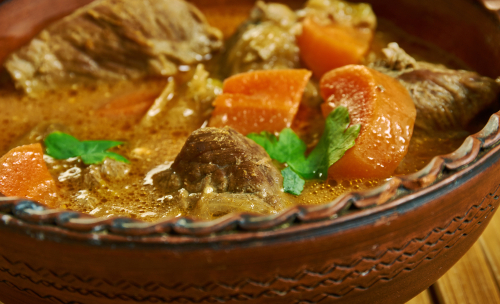
Families prepare large pots of fufu, a staple dish made from pounded yams or cassava. They serve it alongside rich, flavorful sauces like groundnut soup or palm nut soup. Grilled meats and fresh vegetables complete the feast. Sharing these meals strengthens family bonds and keeps culinary traditions alive.

Frequently Asked Questions (FAQ)

What date is Togo Independence Day?

Togo celebrates its Independence Day every year on April 27.

From which country did Togo gain independence?

Togo gained its independence from France in 1960. Prior to French rule, the territory was a German protectorate.

How old will Togo be in 2026?

On April 27, 2026, Togo will celebrate 66 years of independence.

What are the colors of the Togo flag?

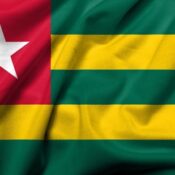
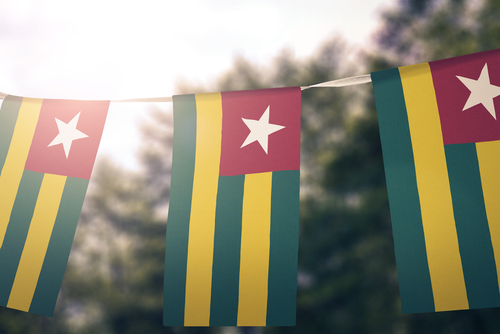
The Togo flag features five horizontal stripes of green and yellow. It has a red square in the top left corner containing a white five-pointed star. The green represents agriculture and hope, the yellow stands for mineral wealth, the red symbolizes the blood shed for independence, and the white star represents peace and light.

Keeping the Togolese Spirit Alive

Togo Independence Day is a powerful reminder of the nation’s strength and unity. As the 2026 celebrations approach, citizens around the globe will prepare to honor their heritage.

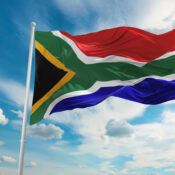
Freedom Day holds a special place in the hearts of South Africans everywhere. Every year on April 27, the nation pauses to remember a pivotal moment in its history. The year 2026 marks the 32nd anniversary of the country’s first democratic elections. This event changed the nation forever and brought hope to millions of people.

Understanding the roots of this holiday helps us appreciate the resilience of the South African people. It is a time for reflection, unity, and joy. Families gather to share meals, communities host colorful parades, and national leaders deliver inspiring speeches.

This guide explains the history of this important public holiday. You will learn how people celebrate and what to expect if you plan to join the festivities in 2026. We will also share simple ways to stay connected with your family and friends back home.

The Meaning Behind Freedom Day

Freedom Day commemorates the first post-apartheid elections held on April 27, 1994. Before this date, the South African government enforced a system of racial segregation known as apartheid. This system denied basic rights to the majority of the population.

A Historic Election

The 1994 elections were the first time that all adults, regardless of race, were allowed to vote. Millions of South Africans stood in long lines to cast their ballots. The atmosphere was peaceful and filled with anticipation. This election resulted in Nelson Mandela becoming the country’s first Black president.

The End of Apartheid

Nelson Mandela’s inauguration marked the official end of apartheid. It established a new democratic government based on equality and human rights. Freedom Day serves as an annual reminder of the long struggle for justice. It honors the activists and everyday citizens who fought for a better future.

How South Africans Celebrate Freedom Day

South Africans celebrate Freedom Day with a mix of solemn reflection and vibrant festivities. The day is a recognized public holiday, giving people time off work to participate in various events.

Official Ceremonies and Speeches

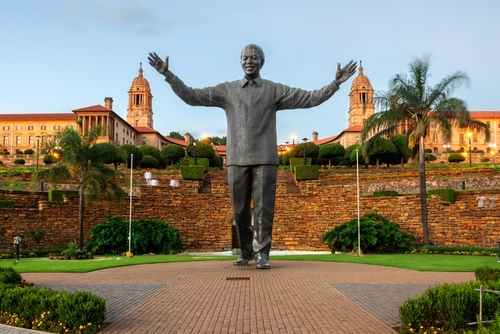
The government hosts official events across the country. The President typically addresses the nation from the Union Buildings in Pretoria or another significant location. These speeches honor the sacrifices of past generations. They also outline the government’s plans for addressing current challenges. National honors and awards are often presented to citizens who have made significant contributions to society.

Community Gatherings and Braais

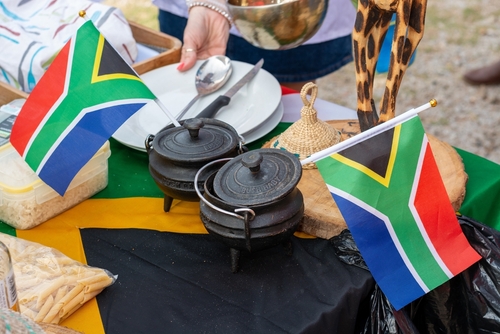
On a local level, celebrations are lively and communal. Families and friends gather for a traditional “braai,” which is a South African barbecue. Cooking meat over an open fire is a cherished social tradition that brings people together. Parks and public spaces fill with music, dancing, and laughter. You will often hear the national anthem sung proudly by crowds of all ages.

Planning for Freedom Day 2026

In 2026, Freedom Day falls on Monday, April 27. This creates a long weekend for workers and students across the country. Long weekends usually mean increased travel, as people return to their hometowns or take short vacations.

Public Holiday Details

Because Freedom Day is a national public holiday, most businesses, schools, and government offices will be closed. Essential services and many retail stores will remain open, but they might operate on reduced hours. If you need to complete official tasks, plan to do them before the holiday weekend begins.

Traveling to South Africa

If you plan to visit South Africa during Freedom Day 2026, book your accommodations and flights early. The long weekend makes travel routes busier than usual. Visitors can expect a welcoming atmosphere. Joining a local celebration or visiting historical sites like Robben Island or the Apartheid Museum can provide a deeply moving experience.

Frequently Asked Questions (FAQ)

When is South Africa Freedom Day in 2026?

South Africa Freedom Day is celebrated on April 27 every year. In 2026, April 27 falls on a Monday, creating a long weekend for residents.

What exactly does Freedom Day celebrate?

Freedom Day celebrates the anniversary of South Africa’s first democratic, non-racial elections held on April 27, 1994. It marks the end of apartheid and the beginning of a democratic nation.

Is Freedom Day a public holiday?

Yes, Freedom Day is a national public holiday in South Africa. Most schools, offices, and businesses close for the day so people can celebrate with their communities.

How do people typically say “Happy Freedom Day”?

People often say “Happy Freedom Day” directly in English, or they might express their joy by saying “Happy Freedom Day to all South Africans.” Many citizens also share patriotic messages and images of the South African flag on social media.

Honoring the Past and Embracing the Future

South Africa Freedom Day 2026 is an opportunity to look back at the incredible progress the country has made since 1994. The 32nd anniversary of democracy is a powerful testament to the strength of the human spirit.

Whether you are celebrating at a neighborhood braai in Cape Town or sending a secure money transfer from miles away, your participation matters. Staying connected with your loved ones helps keep the spirit of Freedom Day alive. Take time this April to honor the sacrifices of the past, celebrate the freedoms of the present, and support the continued growth of a united South Africa.

April 27 is a deeply meaningful date for Sierra Leoneans around the world. It marks the day the nation gained full independence from British colonial rule. In 2026, Sierra Leone will celebrate its 65th anniversary of independence. This major milestone offers a time to reflect on the country’s rich history, honor the leaders who fought for freedom, and look forward to a bright future.

Whether you live in Freetown or are part of the global diaspora, this day is about community and connection. Families gather to share meals, communities host vibrant parades, and people take a moment to appreciate their shared heritage. Celebrating from afar can sometimes feel difficult. Knowing the history and traditions can help you feel closer to home.

In this guide, we explore the origins of this important national holiday. We will cover the historical journey to independence, the traditional ways people celebrate, and how you can support your loved ones securely during the festivities.

The History Behind April 27

Sierra Leone has a complex and profound history. Understanding the path to independence helps us appreciate the significance of the upcoming 2026 celebrations.

The Road to Freedom

British involvement in Sierra Leone began in the late 18th century. Freetown was established as a settlement for freed enslaved people. By 1896, the British declared the inland areas a protectorate. For decades, the people of Sierra Leone lived under colonial administration.

After World War II, the push for self-determination grew stronger. Sierra Leoneans demanded the right to govern themselves. Through peaceful negotiations, constitutional changes slowly granted more political power to the local people. The culmination of these efforts arrived on April 27, 1961. On this day, Sierra Leone officially became an independent sovereign state within the Commonwealth.

Key Figures in Independence

The peaceful transition to independence was guided by dedicated leaders. Sir Milton Margai was a central figure in this movement. As a trained medical doctor and a skilled politician, he unified various ethnic groups and political factions across the country.

Sir Milton Margai led the Sierra Leone People’s Party (SLPP) and became the nation’s first Prime Minister. His focus on unity, education, and peaceful negotiation secured a stable foundation for the newly independent nation. Honoring his legacy is a core part of Independence Day reflections.

How Sierra Leone Celebrates Independence Day

Independence Day is a public holiday filled with joy, pride, and national unity. From the bustling streets of Freetown to smaller villages, the green, white, and blue colors of the national flag are displayed proudly.

Traditions and Festivities

The day typically begins with official ceremonies. Government officials attend flag-raising events, and the national anthem is sung with pride. Military and police forces often conduct formal parades.

Beyond official events, the streets come alive with community celebrations. Neighborhoods organize street parties, dances, and local football matches. Children wave small flags, and many people wear traditional clothing or outfits tailored from fabric featuring the national colors.

Food and Music

No Sierra Leonean celebration is complete without food. Families prepare large meals to share with neighbors and friends. Traditional dishes like cassava leaves, potato leaves, jollof rice, and groundnut soup take center stage. These hearty meals are a symbol of hospitality and togetherness.

Music also plays a vital role. You will hear a mix of traditional drumming, highlife, and modern Afrobeats echoing through the streets. Dancing is encouraged, and the atmosphere is welcoming and inclusive.

Frequently Asked Questions (FAQ)

When is Sierra Leone Independence Day?

Sierra Leone Independence Day is celebrated annually on April 27.

What anniversary will Sierra Leone celebrate in 2026?

In 2026, Sierra Leone will celebrate its 65th independence anniversary. The country gained independence on April 27, 1961.

How do people traditionally celebrate the holiday?

People celebrate with official flag-raising ceremonies, military parades, street parties, and family gatherings. Eating traditional foods and wearing the national colors (green, white, and blue) are also common practices.

Who was the first Prime Minister of Sierra Leone?

Sir Milton Margai was the first Prime Minister of Sierra Leone. He played a crucial role in leading the country to peaceful independence.

How can I send money to my family in Sierra Leone for the holiday?

You can use a secure digital remittance service to send money directly to your family’s mobile money accounts or bank accounts. Look for services that offer transparent pricing, low fees, and guaranteed delivery times.

Every year on April 18, Zimbabweans around the world pause to honor their nation’s history. Zimbabwe Independence Day is a time of profound national pride, reflection, and joyful celebration. In 2026, the country will mark its 46th anniversary of independence, commemorating the official end of colonial rule in 1980.

For many Zimbabweans living abroad, this holiday brings up strong feelings of nostalgia. Being far from home does not weaken the bond you share with your culture. Instead, it often makes the desire to connect with family and friends even stronger.

Understanding the history and traditions of this important holiday helps keep the culture alive for future generations. It also provides a wonderful opportunity to support your loved ones back home. Sending money to your loved ones can be a hassle, but knowing what fees you’ll pay and the delivery time can provide reassurance during important cultural celebrations.

The History Behind April 18

The path to Zimbabwe’s independence was long and required immense sacrifice. For decades, the nation was under British colonial rule and known as Rhodesia. The local population fought tirelessly for majority rule, land rights, and political freedom.

On April 18, 1980, those efforts finally succeeded. The new nation of Zimbabwe was officially born. The Union Jack was lowered, and the vibrant new Zimbabwean flag was raised for the first time. This transition marked a new era of self-determination, peace, and national unity. The day is recognized as a public holiday, allowing everyone to reflect on the bravery of those who made freedom possible.
A Flag Full of Meaning

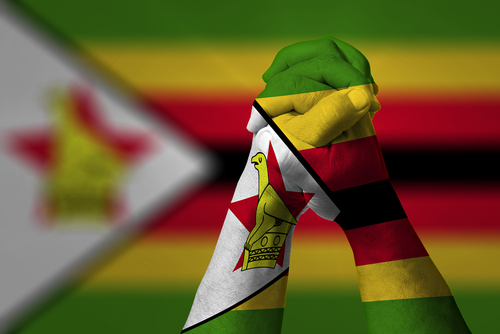
The flag raised on that historic day is rich with symbolism. The green stripe represents the country’s agriculture. The yellow stands for the wealth of minerals. The red symbolizes the blood shed during the struggle for liberation. The black represents the heritage and ethnicity of the native people, while the white triangle signifies peace. The Zimbabwe Bird, a national emblem, sits proudly on a red star, representing internationalism and the nation’s aspirations.

How Zimbabweans Celebrate Independence Day

Independence Day in Zimbabwe is marked by official ceremonies and grassroots celebrations. The government hosts large events, while families gather in their homes to share meals and stories.

National Ceremonies and Parades

The main official celebrations usually take place at the National Sports Stadium in the capital city, Harare, or in other major cities across the provinces. These events feature military parades, cultural dances, and a keynote address from the president.

The skies fill with the sounds of the national anthem, “Simudzai Mureza weZimbabwe” (Blessed be the Land of Zimbabwe). Choirs sing, and traditional dancers perform in colorful outfits. These public events remind citizens of their shared history and collective future.

Family Gatherings and Traditional Food

Away from the official stadiums, families host their own celebrations. Food plays a central role in these gatherings. Traditional dishes are prepared and shared with neighbors and relatives.

A typical Independence Day feast includes sadza, a thick maize meal porridge that serves as a staple in the Zimbabwean diet. It is often paired with nyama (meat, usually beef or goat) and leafy green vegetables like muriwo. Enjoying these meals together is a way to celebrate heritage and maintain strong community bonds.

Staying Connected from Afar

Many Zimbabweans live and work outside the country. When Independence Day approaches, the distance can feel especially vast. However, the global Zimbabwean diaspora has found beautiful ways to keep the spirit of April 18 alive, no matter where they reside.

Communities in countries like the United Kingdom, South Africa, and the United States often host their own events. They organize cultural festivals, music concerts featuring Zimbabwean artists, and community barbecues. These gatherings provide a safe, inclusive space to celebrate their identity.

Frequently Asked Questions (FAQ)

What date is Zimbabwe Independence Day?

Zimbabwe Independence Day is celebrated annually on April 18. In 2026, this important national holiday will fall on a Saturday.

How old will Zimbabwe be in 2026?

In 2026, Zimbabwe will celebrate 46 years of independence, having officially gained its sovereignty in 1980.

Is Zimbabwe Independence Day a public holiday?

Yes. It is a designated public holiday in Zimbabwe. Schools, government offices, and most businesses close so that citizens can participate in the celebrations and spend time with their families.

How do people greet each other on this day?

People commonly wish each other a “Happy Independence Day.” In the Shona language, you might hear “Makorokoto eKuzvitonga,” which translates to congratulations on self-rule.

What is the best way to send money to Zimbabwe for the holiday?

Using a digital transfer service is usually the most efficient method. You want a provider that is transparent about exchange rates and delivery times. Clear, upfront pricing ensures your family gets the exact amount you intended to send.

Honor Your Heritage This April 18

Zimbabwe Independence Day 2026 is an opportunity to look back at a hard-fought history and look forward to a bright future. Whether you are attending a grand parade in Harare, sharing a plate of sadza with friends in London, or simply calling your parents to wish them well, your participation matters.

Take a moment this April 18 to connect with your roots. Call your loved ones, share your favorite Zimbabwean memories, and if you plan to help them celebrate with a financial gift, choose a secure, transparent way to send your support.

On April 17, 2026, Syrians around the world will celebrate a major milestone. This date marks the 80th anniversary of Syria’s independence. Known locally as Evacuation Day or Eid al-Jalaa, this public holiday honors the day the last French troops left Syrian soil in 1946.

For the Syrian diaspora, Independence Day is a powerful reminder of their roots. It is a time to reflect on the resilience of their ancestors and the rich cultural heritage that binds them together. Whether you live in Damascus, Dubai, or Detroit, April 17 is a day of national pride and unity.

Understanding the history and traditions of this holiday helps us appreciate its significance. This guide explores the story behind Evacuation Day, how people celebrate it today, and why the 2026 anniversary holds special meaning for Syrians everywhere.

The Road to Independence in 1946

The outbreak of World War II shifted global power dynamics. When France fell to Germany in 1940, Syria came under the control of the Vichy government. In 1941, British and Free French forces took control of the region. The Free French promised Syria independence, but progress was slow.

By the end of the war, Syrian protests intensified. In May 1945, the French military bombarded Damascus to quell the unrest. This severe action drew international condemnation. Under pressure from the British government and the newly formed United Nations, France finally agreed to withdraw. The last French soldier left Syria on April 17, 1946, a date forever etched in history as Evacuation Day.

How Syrians Celebrate Independence Day

Evacuation Day is a public holiday in Syria. Schools, government offices, and many businesses close to allow families to celebrate together. The day is marked by a mix of official ceremonies and personal gatherings.

Traditions in Syria

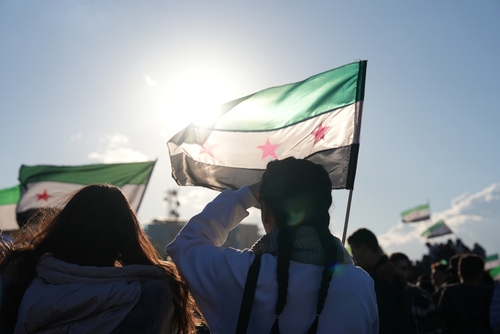
In Syria, the day begins with official speeches and military parades. The Syrian flag flies proudly from homes, cars, and public buildings. Television and radio stations broadcast patriotic songs and historical documentaries about the independence movement.

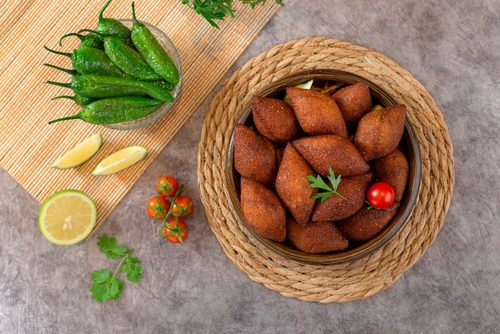
Families often use the day off to spend time together. Many people visit public parks for picnics or gather at home for large meals. Traditional Syrian foods, such as kibbeh, yalanji, and various mezze dishes, are prepared and shared. It is a time for storytelling, where older generations share the history of their country with the youth.

Celebrations in the Global Diaspora

Millions of Syrians live outside their home country. For these expats, Independence Day is a crucial way to stay connected to their culture.

Syrian communities abroad often organize cultural festivals, dinners, and concerts around April 17. These events feature traditional dabke dancing, live Arabic music, and authentic cuisine. Parents take this opportunity to teach their children about Syrian history, ensuring that the legacy of Evacuation Day lives on for future generations. Many expats also use this time to send money and support to their loved ones back home, reinforcing their deep connection to their families.

The Significance of the 80th Anniversary in 2026

Anniversaries provide a natural moment for reflection. The year 2026 represents 80 years since Syria achieved full sovereignty. This milestone is a testament to the enduring spirit of the Syrian people.

Eighty years is a significant span of time. It bridges multiple generations. There are very few people alive today who personally remember the events of 1946. Therefore, the 80th anniversary serves as a vital educational moment. It is an opportunity to document oral histories, publish new historical research, and honor the sacrifices made by the leaders of the independence movement.
For the global Syrian community, 2026 will likely feature expanded celebrations. Cultural organizations will host special events to mark the eight decades of independence. It is a time to look back at the past with respect and look toward the future with hope.

Frequently Asked Questions (FAQ)

When is Syria Independence Day?

Syria Independence Day is celebrated annually on April 17. The year 2026 will mark the 80th anniversary of the holiday.

What is Evacuation Day?

Evacuation Day, or Eid al-Jalaa, is the local name for Syria Independence Day. It specifically commemorates April 17, 1946, when the last French troops evacuated Syria, granting the nation full independence.

How do Syrians abroad celebrate the holiday?

Syrians living abroad celebrate by attending cultural events, sharing traditional meals with family and friends, and teaching their children about the nation’s history. It is a day to wear the colors of the Syrian flag and listen to patriotic music.

Is April 17 a public holiday in Syria?

Yes. Schools, government offices, and most businesses are closed on April 17 to allow citizens to participate in national and family celebrations.

Staying Connected to Your Roots

Syria Independence Day is a powerful celebration of freedom and identity. As we look toward the 80th anniversary in 2026, the global Syrian community will come together to honor their shared history.

Staying connected to your heritage is important. Whether you are sharing a traditional meal, listening to historical stories, or supporting your family back home, these actions keep your culture alive. April 17 is a day to be proud of where you come from and to celebrate the enduring strength of the Syrian spirit.

April 4th marks Independence Day for millions of Sengalese at home and abroad. Also called Independance Du Senegal or National Day, this national holiday commemorates the struggle for freedom.

Every year on April 4th, the people of Senegal enjoy fireworks, parades, dancing, and delicious food on Independence Day.

All of us at Remitly would love to wish everyone a Happy Independence Day! Whether you are at home in Senegal or living abroad, this is a day to celebrate.

Before we get into some of the most common ways people in Senegal enjoy Independence Day, let’s review the reason for the season.

A Brief History of Senegal Independence Day

Since the 15th century, the West African region today known as Senegal has acted as a significant point of trade for European powers. In the 1600s, France already had control of Dakar, which was used primarily for the slave trade.

But this colonial power, in particular, had ambitions to expand its empire. Throughout the 1850s, France began to expand its territory by taking over local kingdoms. While different Sengalese factions resisted French occupation, little changed until the late 1950s.

In 1959, Senegal and what was then known as French Sudan decided to join forces. These two regions merged and created the Mali Federation. As a result, the Mali Federation signed an agreement with France.

Despite gaining power from France, organizing an internal administration became difficult. In 1960, the Mali Federation broke apart into two independent nations – Senegal and the Republic of Mali.

The first president was poet and politician Léopold Sédar Senghor, who ruled until 1980. Briefly, the country joined with Gambia to create the Senegambia Confederation, under the leadership of Abdou Diouf. This lasted until 1989.

6 Facts About Senegal Independence Day Celebrations

1. Cultural celebrations

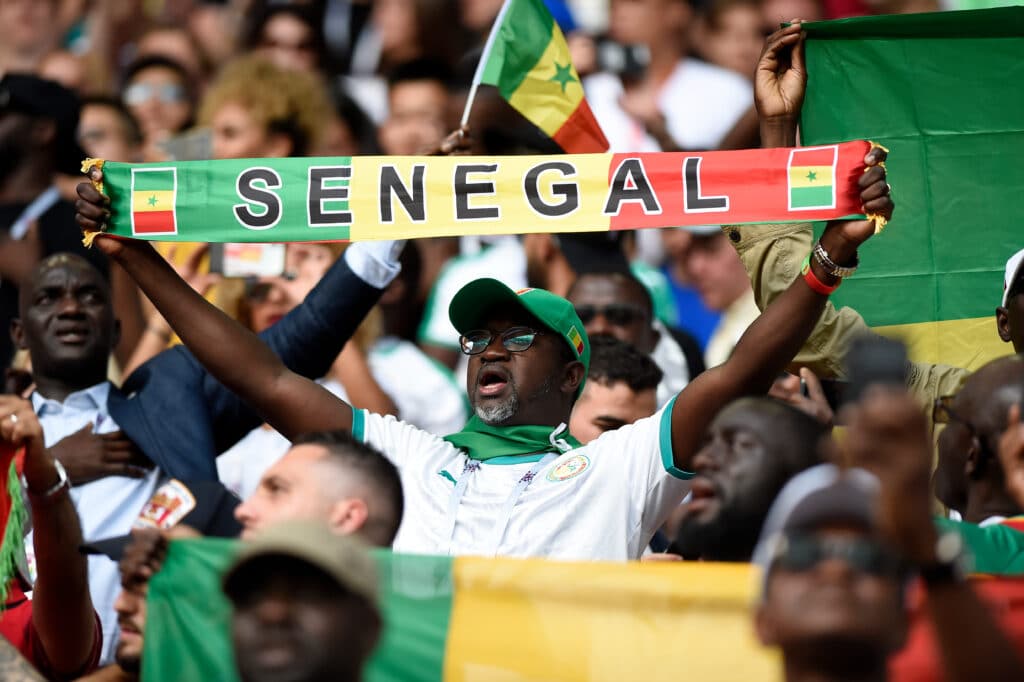
This national holiday is celebrated with much fanfare by the people of Senegal. On Independence Day, citizens enjoy dancing and listening to the Senegalese mbalax music. It’s also common to enjoy popular Sengalese dishes, such as thieboudienne.

2. The national flag-rising ceremony

Every year, Senegal commemorates its freedom struggle by raising the national flag of the Republic of Senegal. This ceremony takes place in the capital city of Dakar, which happens to be the westernmost point of Africa.

3. Quality time with friends and family

Since Independence Day is also a public holiday, many Sengalese choose to relax at home with their loved ones.

4. Parades and festivities

In addition to raising the flag, there are typically military parades and fairs. the people of Senegal also take special care to decorate with lights and the Senegalese flag. Many also enjoy singing or listening to the Senegalese national anthem, Pincez Tous vos Koras, Frappez les Balafons. In English, this translates to “The Red Lion.”

Senegal Independence Day

5. The reason for April 4th

Senegal declared itself an independent country on June 20th, 1960. So why is Independence Day celebrated on April 4th? This is because the June 20th date deals with the Mali Federation, not the current country of Senegal. April 4th, 1960 is when Senegal signed the transfer of power agreement with France, so that is why this date was chosen as Senegalese Independence Day.

6. The national flag

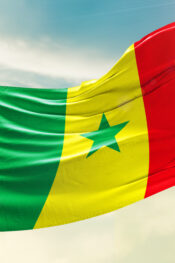
The Senegalese flag was adopted in 1960, just after Independence. Despite small tweaks over the years, the symbolism has remained the same:

  • Green represents Islam, the main religion in Senegal.
  • Yellow symbolizes wealth and prosperity.
  • Red refers to the sacrifices made for freedom.
  • The star is used to represent unity.

At the same time, the three colors used in the Sengalese flag are also used across Africa. These colors also represent unity among the African nations.

7. The first African movie

Did you know that one of the first movies made in Africa by a Black African was in Senegal? The film, Barom Sarret, “The Wagoner” in English, is a short 20-minute film by Senegalese director Ousmane Sembène that takes place in the aftermath of independence.

Senegal Independence Day Celebrations in 2026

  • Since Independence Day is a public holiday, most public and private businesses are closed. Many schools have a 14-day vacation during this time.
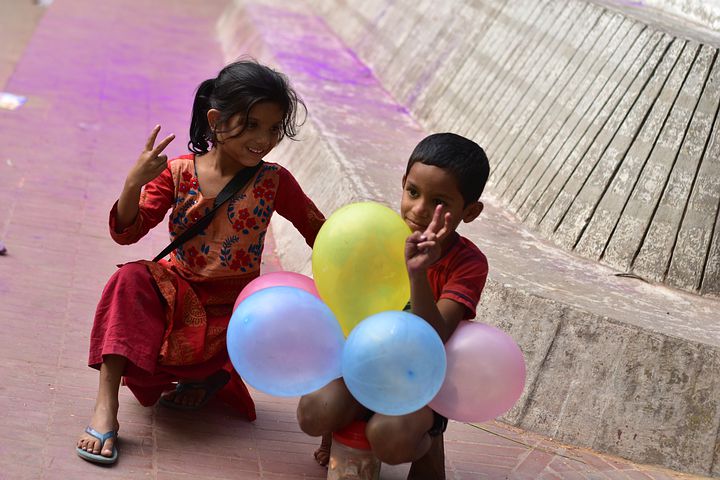
  • Festivities for Independence Day normally begin on the evening of April 3rd, when families go out to buy new clothes, visit friends, and buy flags.
  • Every year there is a parade at Avenue of General DeGaulle in Dakar.
  • The president normally gives a speech to the people of Senegal on this day.

As we approach Senegal’s Independence Day, some Senegalese still can’t travel to see family and friends because of COVID-19 restrictions. So Remitly is here if you need to send money to Senegal or over 100 countries quickly and safely.

I celebrated my first Pohela Boishakh, or the Bengali New Year, nearly five years ago. Marrying into a Bengali family means welcoming all sorts of festive holidays: Durga Puja, Saraswati Puja, Rabindra Jayanti, and of course, Pohela Boishakh. 

While Durga Puja is my all-time favorite holiday, Pohela Boishakh can be just as fun and festive. Marking the first day of the Bengali calendar, it’s associated with the spring harvest.  

If you’re living far from home, the holiday may feel just as distant. No worries! Even if you’re not in India or Bangladesh, it’s easier than you think to reconnect with this family-focused holiday. 

Pohela Boishakh Essentials

Celebrated on either the 14th or 15th of April every year,  Pohela Boishakh is celebrated in Bangladesh, West Bengal, Tripura, and Assam. Boishakh is the first month of the Bengali calendar and “pohela” (also spelled “poila’)  means “first.” 

While Hindus may perform an additional puja to Lakshmi or Ganesh, religion isn’t the main driver of this holiday. In fact, one commonly-cited origin of Pohela Boishakh says that it started when 16th century Mughal Emperor Akbar wanted to standardize tax collection. Akbar’s Islamic hijri calendar didn’t coincide with the solar Hindu calendar, causing confusion. He devised a new calendar for the region, which continues in use.

Pohela Boishakh Traditions

Whether it’s called Pahela Baishakh, Poila Baisakh, Pahela Baisakh, or Nabo Barsho, this public holiday in Bangladesh is a big deal.

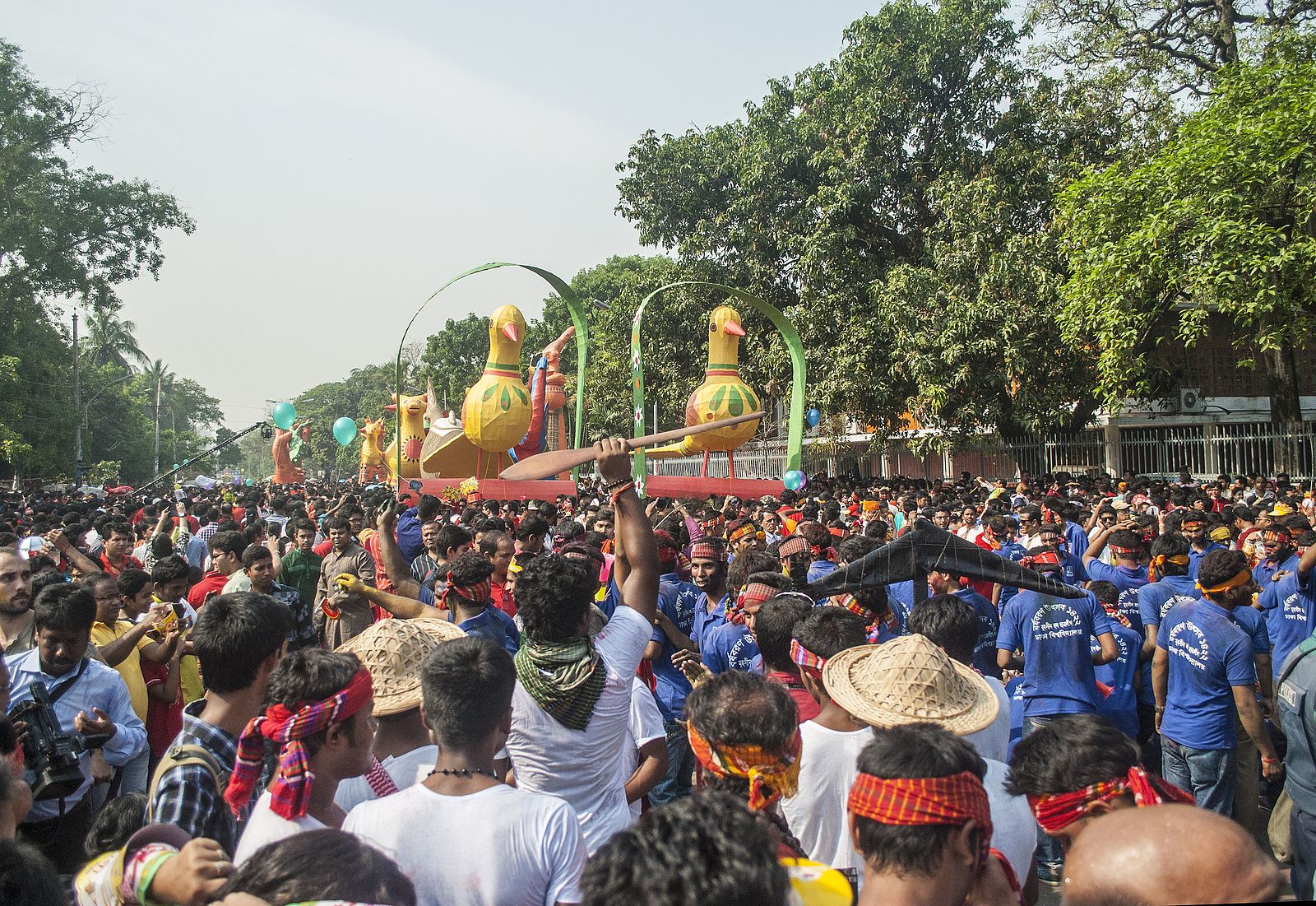
Traditionally, Pohela Boishakh is celebrated with massive festivals and parades, the largest of which is Mangal Shobhajatra, organized by Dhaka University. 

Even if your gathering is small this year, the Bengali New Year is hardly just sitting and sending “Shubho Noboborsho” messages to relatives on WhatsApp. Here are a few things that will set off the festive spirit. 

You may want to buy new clothes, set up a playlist of Bangla hits (or Rabindra Sangeet classics), watch the latest Hoichoi original, clean house, and decorate with alpona designs and flowers. And of course, you’ll want your new year celebration to involve Bengali delicacies. 

Some popular recipes include: 

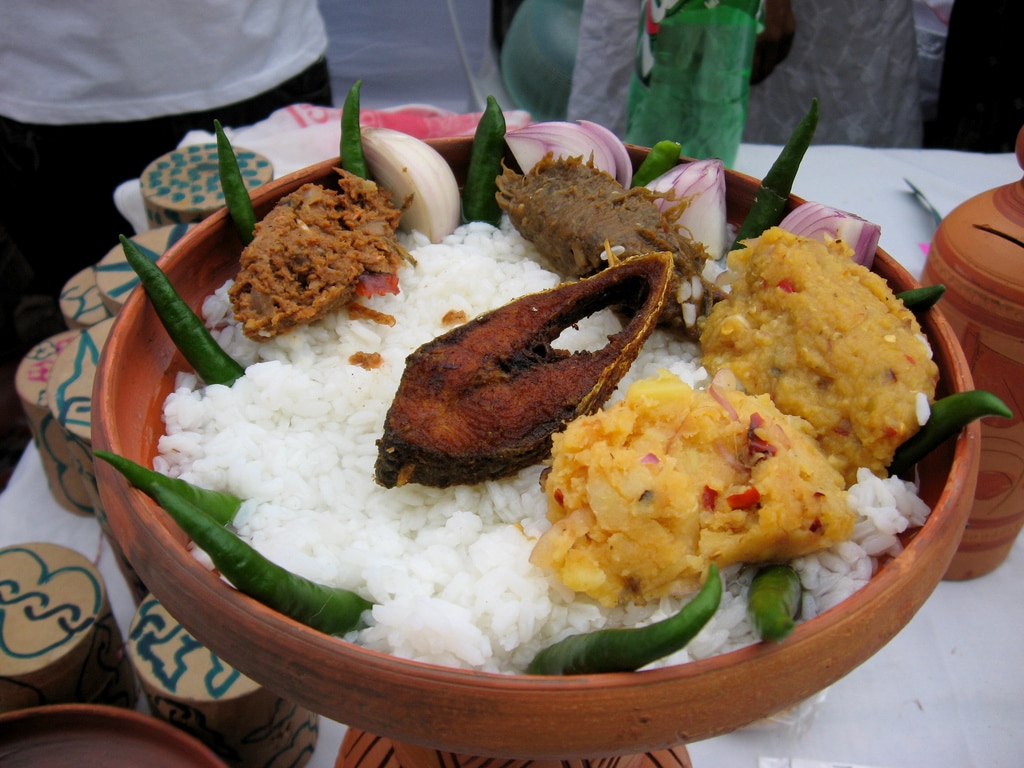
panta bhat on bengali new year

How Pohela Boishakh Is Celebrated Around the World

You probably already know how Pohela Boishakh is celebrated in India and Bangladesh. But with millions of Bengalis living abroad, it’s easier than ever to celebrate the holiday no matter where you are. 

Just because you are living far from home, doesn’t mean you won’t be able to get what you need. Whether you come from Dhaka or Kolkata, you’re likely to find everything you need for a successful Bengali New Year.

The Bengali New Year in the United States

If you are in the States, you have a wealth of options. In addition to local Indian or Bangladeshi markets, you’re likely to find what you need at chain stores like Patel Brothers or on Amazon and Etsy. You can even get alpona paste or Rangoli stencils if you plan on making any designs. 

For clothes, there are even more options. So long as you know your size, online stores like Hotkay and East Essence give you even more choices for finding ethnic wear in the USA. 

And there are many organizations devoted to Bengali culture throughout the USA. These groups might plan Pohela Boishakh events. Even if there’s nothing going on in your area, these groups can be helpful for building community in your new country.

Some of these Bengali organizations include:

The Bengali New Year in Canada

As in the USA, Canada’s Amazon and Etsy can offer everything you need in terms of clothes and crafts. But local Bengali, general Indian, and Bangladeshi groceries can also make it easy to find food items. Bengal FoodsBangla Bazaar Supermarket, and the Baraka Super Market are just three examples. 

Of course, Pohela Boishakh is even more fun when you have more people to share the day with. It can help to join a Bengali or Bangladeshi association to meet others and learn about cultural events. Some larger communities in Canada include:

The Bengali New Year in the UK

Since 1997, Pohela Boishakh has been celebrated as Boishakh Mela in the UK. This festival takes place in the Bangladeshi-dominated area of Banglatown located in London’s Tower Hamlets.

It features a parade, a series of music and dance performances, and of course, authentic cuisine. 

The UK is home to hundreds of thousands of Bengalis and Bangladeshis, making it easy to find food, clothes, gifts, and more. In addition to the dozens of Bengali supermarkets and shops in London alone, you can also purchase items online on Amazon, DesiCartIndian Grocery Store, and other online outlets. 

You might also want to network with local organizations. Some large Bengali and Bangladeshi associations in the UK include:

The Bengali New Year in Australia

You can find dozens of Indian and Bangladeshi specialty shops across Australia, making it a cinch to prepare for Pohela Boishakh. Way of BengalBangla DokanBangladeshi Fish, and India at Home are just a few examples.

And you can always learn more about what events are going on in your area through Bengali and Bangladeshi organizations like:

6 More Tips for a Festive Pohela Boishakh 

Need a few more ideas for managing the perfect Pohela Boishakh? Here are a few more tips:

  • The best way to search for local events is to go to Google, type in the name of your town or the largest nearby city, with the phrase “Pohela Boishakh Events” or “Bengali Association”. 
  • You can set glue down before applying alpona to make the design last longer.
  • If you can’t find an alpona to buy, you can make your own! Soak low-quality rice in water overnight, and then grind it. Add just enough water so that the ground rice becomes a paste. That’s it!
  • Pohela Boishakh is a great time for arts and crafts. You can make paper mâché masks, dabble in painting, make flower tiaras, rangoli, or come up with another fun way to display your creativity. 
  • Why not have a virtual get-together with friends and family? Choose a time to catch up and soak in the sounds and sights of home.
  • Invite your friends to watch your favorite Bengali movies on Hoichoi. If you have friends who don’t speak Bangla, no worries! This platform has English subtitles. 
  • Send an e-card to your friends and family to let them know you are thinking about them. 
  • Use your NRI bank account to send money home and buy gifts through Amazon India or Flipkart. 

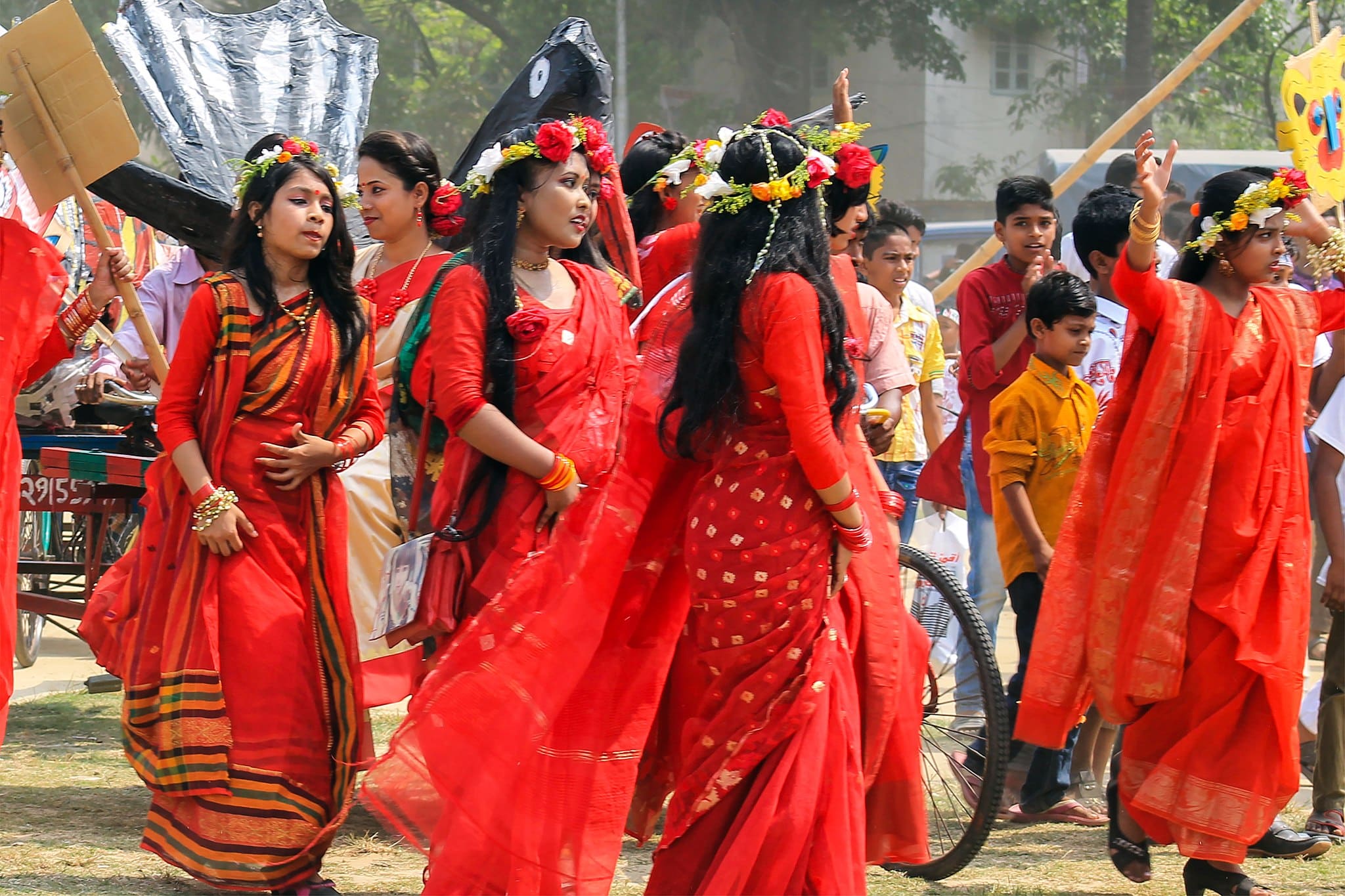
Pohela Boishakh dancing

Happy New Year! Shubho noboborsho!


Spring brings a sense of renewal, and for the Malayali diaspora in the United States, it also brings the vibrant festival of Vishu. This traditional New Year celebration marks the first day of the Malayalam month of Medam. It is a time for hope, prosperity, and spending quality time with family.

Celebrating traditional festivals while living abroad can sometimes feel challenging. Finding the right ingredients for a feast or securing the traditional items for your morning rituals requires a bit of planning. However, observing Vishu in the US is a wonderful way to pass down your cultural heritage to the next generation and stay connected to your roots.

Vishu 2026 is an opportunity to gather your loved ones and honor the customs that make this festival so special. Whether you are hosting a large community event or having a quiet celebration at home, a little preparation goes a long way. Let us look at exactly when the festival falls this year and how you can organize a memorable celebration right here in the US.

When is Vishu 2026?

In 2026, Vishu falls on Wednesday, April 15. Because the festival is based on the solar calendar, it almost always lands on April 14 or 15 every year.

Since April 15 is a weekday, many families in the US might choose to perform the core morning rituals on the actual day before heading to work or school. You can then save the larger celebrations, like the traditional feast, for the following weekend. This allows everyone to participate without feeling rushed.

The Significance of the Malayali New Year

Vishu is deeply tied to the agricultural cycle and the spring equinox. It represents equal hours of day and night, symbolizing balance. For families from Kerala, it is considered an auspicious time to start new ventures.
The core belief of Vishu is that your experiences on the first day of the year will influence the months that follow. Looking at beautiful, prosperous things first thing in the morning ensures a year filled with good fortune. This is why the morning rituals are the most important part of the holiday.

Setting Up Your Vishu Kani in the US

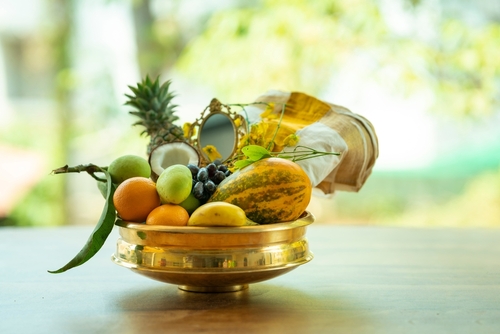
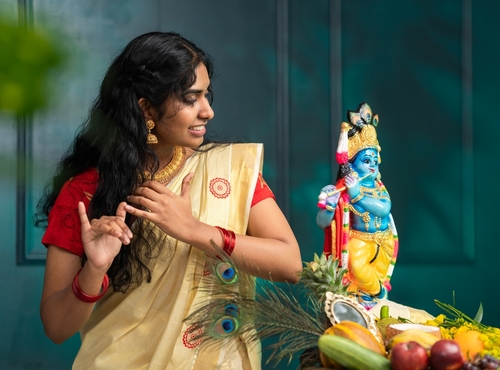
The most iconic part of the festival is the Vishu Kani. “Kani” translates to “that which is seen first.” It is a carefully arranged display of auspicious items that family members look at as soon as they wake up. Setting this up in the US might require a trip to a local Indian grocery store, but the effort is highly rewarding.

Finding the Right Items Locally

A traditional Vishu Kani includes a specific set of items. You will need raw rice, fresh lemon, golden cucumber, coconut, betel leaves, and areca nuts. You will also want to include a holy text, coins or currency notes, and a mirror (specifically an Aranmula Kannadi, though any clean, elegant mirror works).

Finding the traditional golden cucumber (Kani Vellarikka) can be tricky in some American cities. Many families substitute it with a yellow squash or a standard cucumber from their local supermarket. The traditional yellow Kanikonna flowers (Cassia fistula) might also be unavailable. You can easily replace them with local yellow spring flowers like daffodils or forsythia branches to maintain the vibrant color palette.

Arranging Your Kani

Place your items in a circular brass vessel called an Uruli. If you do not have an Uruli, a clean brass or silver bowl from your kitchen is perfectly fine. Position the mirror so that it reflects the arrangement. You want to place a lit brass lamp (Nilavilakku) next to the display.

Set up the Kani the night before in your prayer room or a quiet corner of your living room. On the morning of Vishu, the oldest member of the household wakes up first, lights the lamp, and then gently guides the other family members to the Kani with their eyes closed. Opening your eyes to this beautiful sight is said to guarantee a year of abundance.

Traditional Customs to Keep Alive

Beyond the morning Kani, several other customs define the Vishu celebration. These practices help reinforce family bonds and teach younger generations the value of generosity and respect.

Vishukkaineettam: Sharing Prosperity

One of the most beloved traditions, especially for children, is Vishukkaineettam. This is the practice of elders giving money to younger family members. It symbolizes the sharing of wealth and the blessing of prosperity.

In the US, you can use crisp new dollar bills or even silver coins. The act of handing the money with both hands while offering a blessing remains the same. It is a straightforward yet powerful way to show care and wish success upon your loved ones.

The Vishu Sadya: A Festive Feast

No Malayali festival is complete without a Sadya. This is a grand vegetarian feast served on a fresh banana leaf. A traditional Vishu Sadya features dishes like rice, sambar, avial, thoran, and olan. It also includes special seasonal dishes like Vishu Kanji (a nourishing rice porridge) and Vishu Katta (a sweet rice cake).

Sourcing banana leaves is easier than ever in the US. Most Asian and Hispanic grocery stores carry frozen banana leaves all year round. Simply thaw them, wash them carefully, and cut them to size. Cooking a full Sadya takes time, so consider dividing the cooking tasks among family members or inviting friends over for a potluck-style feast.

Connecting with Your Local Community

Celebrating away from your home country can sometimes feel isolating. However, there are thriving Malayali communities across the United States. Local cultural associations often organize large Vishu events featuring traditional music, dance performances, and catered Sadyas.

Attending these events is a great way to stay connected to your culture. It also provides a wonderful environment for children to see their heritage celebrated on a larger scale. Look for local Indian community centers or regional cultural groups on social media to find events happening near you in April 2026.

Frequently Asked Questions About Vishu

What is the exact date of Vishu in 2026?

Vishu will be celebrated on Wednesday, April 15, 2026.

Can I use local flowers for the Vishu Kani?

Yes. If you cannot find the traditional Kanikonna flowers in the US, local yellow flowers like daffodils, sunflowers, or forsythia are excellent substitutes. The focus should be on the bright yellow color, which symbolizes prosperity.

What goes into a standard Vishu Kani?

A standard Kani includes raw rice, a fresh lemon, a yellow cucumber, coconut halves, betel leaves, a mirror, a holy book, coins or paper money, and bright yellow flowers. These are arranged in a brass vessel and illuminated by a traditional oil lamp.

How do people greet each other on Vishu?

The traditional greeting is “Vishu Ashamsakal,” which simply means “Happy Vishu.” You can say this to your friends, family, and community members to wish them a prosperous New Year.

Do I need to wear new clothes for the festival?

Wearing new clothes is a popular tradition known as Vishukodi. It represents a fresh start for the New Year. Many people wear traditional Kerala attire, such as a Kasavu sari or a mundu, but any new, clean outfit is perfectly acceptable.

Welcoming Prosperity in the New Year

Vishu is a beautiful reminder of hope, balance, and the importance of family. By setting up your Vishu Kani, sharing Vishukkaineettam, and enjoying a hearty Sadya, you can create lasting memories with your loved ones. The United States offers plenty of resources to help you observe these traditions authentically. Plan ahead, embrace the spirit of the holiday, and look forward to a bright and successful year ahead.