
English (US) – Page 4

Teacher Appreciation Day 2026: Meaningful Ways to Give Thanks

Discover meaningful, practical ways to celebrate Teacher Appreciation Day 2026. Learn what educators actually want and how to support them all year long.

English (US)

Teachers shape the future every single day. They guide students through difficult subjects, offer emotional support during tough times, and spend countless hours preparing lessons. Their influence extends far beyond the classroom walls, leaving a lasting mark on the lives they touch.

The demands of teaching are heavy. Educators often face large class sizes, limited resources, and long hours that stretch well into their evenings and weekends. The emotional weight of supporting dozens of students can take a significant toll over the school year.

Showing appreciation requires thoughtful action. A genuine gesture of gratitude helps teachers feel seen, respected, and valued for their hard work. This guide focuses on practical, realistic, and meaningful ways to support the educators in your community.

When Is Teacher Appreciation Day 2026?

Teacher Appreciation Day will take place on Tuesday, May 5, 2026. This special day falls during Teacher Appreciation Week, which runs from Monday, May 4, to Friday, May 8, in the United States.

Different schools and regions may observe this event in unique ways. Some parent-teacher associations organize week-long celebrations with daily themes. Other districts focus their efforts on a single day of recognition. You can check with your local school administration to align with their specific schedule.

Why Teacher Appreciation Matters More Than Ever

Educators face a growing number of challenges. Burnout rates remain high across the profession. Teachers frequently manage heavy workloads while navigating shifting curriculum standards and limited classroom budgets.

The impact a good teacher has on a student often lasts a lifetime. They build confidence, spark curiosity, and provide a safe environment for children to learn and grow.

Symbolic gestures are nice, but genuine appreciation matters deeply. When teachers receive sincere recognition, it validates their hard work. It reminds them why they chose this demanding profession in the first place.

What Teachers Actually Appreciate

Conversations with real educators reveal a clear pattern. They value thoughtful recognition over expensive gifts. Feeling respected by their community is the ultimate reward.

Teachers appreciate strong support from parents, students, and school administrators. They want open communication and a shared commitment to student success.

They also deeply value time, flexibility, and kindness. Recognizing their boundaries and respecting their personal time is one of the highest forms of appreciation you can offer.

Meaningful Ways to Show Appreciation

Focus your efforts on actions that truly resonate with educators. Simple, intentional choices often make the biggest impact.

Write a Personal Message

A handwritten note carries immense weight. Share specific examples of how the teacher made a difference for your child. Detail a moment when they helped your student overcome a hurdle or sparked a new interest. Personalized notes are saved in desk drawers and read on difficult days.

Support Their Work

Find out if the teacher needs classroom volunteers. Offer to cut out materials, organize folders, or chaperone a field trip. If volunteering is not an option, consider donating classroom supplies. Tissues, dry-erase markers, and hand sanitizer are always in high demand.

Give the Gift of Time

Respect their boundaries outside of school hours. Send emails during the standard workday and allow them a reasonable window to reply. Helping them protect their personal time is a powerful way to show you care about their well-being.

Organize a Collective Effort

Coordinate a group gift from the entire class. This approach pools resources and prevents individual families from feeling financial pressure. A single, meaningful gift card from the whole class is highly effective and deeply appreciated.

Thoughtful Gift Ideas That Teachers Actually Use

Practical gifts make a teacher’s day easier. Choose items that provide immediate value or reduce their personal out-of-pocket expenses.

Great gift options include:

  • High-quality classroom supplies
  • Gift cards to local coffee shops or bookstores
  • Gift cards for general retailers or grocery stores
  • A sturdy, insulated water bottle

Avoid gifting items that create clutter. Steer clear of overly personal items, heavily scented lotions, or novelty gifts like generic “World’s Best Teacher” mugs. Most veteran teachers already own dozens of them.

Teacher Appreciation at the School Level

School administrators play a critical role in supporting their staff. A supportive administration builds a positive school culture.

Schools can show appreciation by providing catered meals or setting up a premium coffee station in the breakroom. Administrators can also offer extra planning time or find ways to reduce unnecessary administrative workloads. Public recognition is wonderful, provided it is done thoughtfully and aligns with the teacher’s comfort level.

Simple Gestures for Students

Students can show their appreciation in very direct ways. A simple “thank you” on the way out the door means a lot.

Active participation is another form of respect. Engaging in class discussions, completing assignments on time, and showing a positive attitude makes a teacher’s job much easier. Younger students might enjoy creating a handmade drawing or writing a short poem to express their thanks.

How Parents Can Build a Supportive Relationship

A strong parent-teacher partnership benefits everyone. Communicate respectfully and keep an open mind during parent-teacher conferences. Trust the teacher’s professional expertise and assume positive intent.

You can also reinforce learning at home. Ask your child about their school day and encourage reading. Avoid adding unnecessary pressure on the teacher regarding minor grading discrepancies or minor behavioral corrections.

Common Mistakes to Avoid

Appreciation efforts sometimes miss the mark. Try to avoid last-minute, generic gestures that feel forced. Overcomplicating a gift or overspending can create awkwardness and unnecessary stress.

Do not treat appreciation as a simple one-day obligation. Checking a box on a calendar does not build a supportive relationship. Always pay attention to what the teacher actually needs, rather than what looks best on social media.

Why Appreciation Should Go Beyond One Day

A teacher’s hard work continues from the first day of autumn to the final bell of spring. Their impact lasts all year long. Small, consistent acts of support matter far more than a single grand gesture in May.

Building a culture of respect in education requires ongoing effort. When communities consistently value their educators, schools thrive. Teachers stay in the profession longer, and students receive better support.

Frequently Asked Questions

When exactly is Teacher Appreciation Day 2026?

It is on Tuesday, May 5, 2026.

What is the best gift for a teacher?

A handwritten note expressing specific gratitude, paired with a gift card to a bookstore, coffee shop, or general retailer.

Is a handmade gift appropriate?

Yes, handmade cards or letters from students are highly cherished. Avoid large crafts that take up significant space or require maintenance.

Do middle and high school teachers celebrate this day?

Absolutely. Secondary teachers teach over a hundred students a day and often receive less recognition than elementary teachers. A quick note of thanks is highly encouraged.

Appreciation That Actually Matters

Sincerity is the most important element of any thank you. You do not need to spend a lot of money to make a teacher feel valued. Choose one meaningful action and follow through with it.

Think about a specific way a teacher has impacted your life or your child’s life. Take five minutes today to write them an email or a card. Let them know their hard work is seen, respected, and deeply appreciated.


Nurses are the backbone of the healthcare system. They provide essential care, advocate for patients, and offer steady support during difficult times. Every single day, nurses show up to handle complex medical needs with skill and compassion.

The nursing profession demands a lot. It requires physical endurance, mental sharpness, and immense emotional strength. Nurses work long shifts, navigate high-stress environments, and carry the weight of their patients’ well-being. They do all of this while remaining a calm and reassuring presence.

National Nurses Day is an opportunity to recognize this dedication. However, true appreciation requires more than a passing thank you. It means acknowledging the real impact nurses have on our lives and committing to supporting them in meaningful ways.

When Is National Nurses Day 2026?

National Nurses Day falls on Wednesday, May 6, 2026. This day marks the beginning of National Nurses Week, which runs annually from May 6 through May 12.

The week concludes on May 12, a date chosen specifically to honor the birthday of Florence Nightingale, the founder of modern nursing. This week-long observance provides ample time to celebrate and recognize the incredible work nurses do year-round.

Why Nurses Deserve Recognition

Nurses are the frontline of patient care. They are often the first people you see when you enter a hospital or clinic and the last ones you see before you leave. They monitor vital signs, administer medications, and ensure safety.

Their work environment is incredibly demanding. Nurses endure long hours on their feet and face high-stress, life-or-death situations regularly. They also manage the heavy emotional labor of comforting frightened patients and updating anxious families. Healthcare outcomes and positive patient experiences rely heavily on the dedication and expertise of nurses.

The History of National Nurses Day

Recognizing nurses has a long and important history. It is rooted in the efforts of pioneers who transformed healthcare.

Florence Nightingale’s Legacy

Florence Nightingale revolutionized the nursing profession during the Crimean War in the 1850s. She emphasized the importance of sanitation, proper hygiene, and patient-centered care. Her practices drastically reduced mortality rates and laid the foundation for modern nursing standards.

Establishment of Nurses Week

In the United States, the push to officially recognize nurses began in the mid-20th century. After years of advocacy by healthcare professionals, President Ronald Reagan signed a proclamation in 1982 designating May 6 as “National Recognition Day for Nurses.” In 1990, the American Nurses Association expanded the observance to a full week to properly highlight the diverse ways nurses contribute to society.

What Nurses Actually Do (Beyond the Stereotypes)

The role of a nurse is far more complex than simple bedside assistance. They are highly trained medical professionals who handle a wide array of critical responsibilities.

Nurses manage clinical duties with precision. They coordinate complex treatment plans, operate advanced medical equipment, and respond instantly to emergencies. They are constantly analyzing data and making quick decisions to keep patients safe.

Beyond clinical care, nurses provide vital emotional support. They act as a bridge of communication between doctors, patients, and healthcare systems. They translate complicated medical jargon into simple terms, ensuring patients understand their diagnoses and treatment options.

Meaningful Ways to Celebrate National Nurses Day

Appreciation should feel genuine and supportive. Performative gestures often miss the mark. Here are practical ways to celebrate the nurses in your life.

Say Thank You—Specifically

A simple, direct thank you goes a long way. Write a personal note acknowledging a specific moment when a nurse helped you or a family member. “Thank you for taking the time to explain my mother’s medication to us” is much more impactful than a generic greeting.

Provide Practical Support

Nurses are busy and often skip meals to prioritize patient care. You can provide practical support by delivering meals, healthy snacks, or coffee. If you work in healthcare management, ensure nurses have guaranteed breaks and adequate staffing support.

Recognize Publicly (Thoughtfully)

Public recognition helps raise awareness of the profession. Share a story of a nurse’s impact on social media, or nominate a nurse for an award at their hospital. Always ensure the recognition highlights their skill and dedication rather than relying on tired cliches.

Support Healthcare Workers Long-Term

Genuine appreciation extends past May 12. Advocate for better working conditions for nurses. Support policies that mandate safe nurse-to-patient ratios and organizations that fight for healthcare worker rights.

Thoughtful Gift Ideas for Nurses

If you want to give a gift, focus on items that provide comfort or convenience.

Practical items are always appreciated. Consider high-quality compression socks to relieve leg pain during long shifts, or durable, insulated water bottles to keep them hydrated. Gift cards for coffee shops or meal delivery services offer great convenience after a tough day.

Wellness gifts also make excellent choices. Spa vouchers, massage gift certificates, or quality skincare products help nurses prioritize their own self-care.

Avoid items that add clutter, such as generic mugs, cheap pens, or hospital-themed trinkets. These often feel impersonal and end up forgotten in a drawer.

For Healthcare Organizations: Doing Appreciation Right

Healthcare employers have a special responsibility to show appreciation correctly. Going beyond pizza parties and breakroom posters is essential for morale.

Organizations should offer tangible benefits. Providing additional paid time off, comprehensive mental health support, and flexible scheduling shows real respect. Create meaningful recognition programs that tie rewards to professional development or bonus pay.

Most importantly, ask your nurses what they actually need. Listening to their feedback and making concrete changes is the ultimate form of appreciation.

Common Mistakes to Avoid

When planning for National Nurses Day, avoid token gestures. A free pen does not make up for chronic understaffing. Overlooking heavy workloads and burnout issues while offering superficial praise can actually lower morale. Finally, do not treat appreciation as a one-day event. Consistent, year-round support is what truly matters.

Why National Nurses Day Still Matters

This observance is crucial for raising public awareness about the realities of nursing. It encourages deep respect for the profession and highlights the ongoing need for systemic support in healthcare. By celebrating National Nurses Day, we remind society that nurses are skilled professionals who deserve safe workplaces, fair compensation, and unwavering respect.

Frequently Asked Questions (FAQs)

When does National Nurses Week take place?

National Nurses Week takes place every year from May 6 to May 12. It begins with National Nurses Day and ends on Florence Nightingale’s birthday.

What is the best way to thank a nurse?

The best way to thank a nurse is through specific, personal acknowledgment. A handwritten note detailing exactly how they helped you is highly meaningful. Practical support, like advocating for safe working conditions, is also incredibly important.

Are there special discounts for nurses on National Nurses Day?

Yes, many businesses offer discounts, free meals, or promotional items for healthcare workers on May 6. Nurses usually need to show a valid medical ID to claim these offers.

Appreciation That Goes Beyond Words

Showing gratitude to nurses requires action. While saying thank you is important, advocating for their well-being ensures they can continue doing their vital work safely and effectively. Real appreciation shows up in how we treat, support, and protect our healthcare workers every day of the year.

Take a moment to reflect. When was the last time a nurse made a difference in your life? Did you tell them? Make a plan to reach out and share your gratitude. Your words and actions can make all the difference to someone who spends their life caring for others.

Take a look around your home. The clothes in your closet, the electronics on your desk, and the food in your pantry likely share a common origin story. Before they reached your local store or front door, they probably spent weeks crossing an ocean. Most global trade travels by sea, relying on a vast network of ships, ports, and dedicated workers.

National Maritime Day serves as a tribute to the people and the industry behind this massive system. It is a day to honor the U.S. Merchant Marine and the countless individuals who dedicate their lives to supporting global trade and national security. These maritime workers are the silent engine of the global economy.

This guide explores the history, significance, and modern relevance of National Maritime Day. You will gain a deeper understanding of the sacrifices made by maritime workers and learn how their daily efforts directly impact your everyday life.

When Is National Maritime Day 2026?

National Maritime Day is observed annually on May 22 in the United States. In 2026, the holiday falls on Friday, May 22.

What Is National Maritime Day?

National Maritime Day is a designated day to recognize the U.S. Merchant Marine and the broader maritime industry. It honors the men and women who work at sea, operating the commercial ships that transport goods across the globe. The day also acknowledges the strategic importance of the maritime industry in supporting national security, particularly during times of conflict or crisis.

The Historical Background of the Holiday

Understanding the origins of National Maritime Day helps highlight its enduring importance.

Origins in 1933

Congress established National Maritime Day in 1933. The date, May 22, was chosen to commemorate the first successful transoceanic voyage by a steam-powered ship. On May 22, 1819, the SS Savannah departed from Savannah, Georgia, and successfully crossed the Atlantic Ocean to England. This milestone forever changed the future of maritime navigation.

The Role of Mariners in Wartime

While the day celebrates commercial shipping, it also pays deep respect to the sacrifices of merchant mariners during wartime. During World War II, the U.S. Merchant Marine suffered a higher casualty rate than any branch of the U.S. military. These civilian sailors braved dangerous waters to deliver essential troops, supplies, and equipment to Allied forces around the world. Their courage is a core reason the holiday exists.

Why Maritime Work Matters Now

It is easy to overlook the shipping industry when you can order items online with a single click. However, over 80% to 90% of global trade is transported by sea. The maritime industry is essential for maintaining supply chains that communities rely on.

This network transports massive quantities of energy resources, distributes food supplies globally, and delivers the raw materials necessary for manufacturing. Without maritime trade, the everyday products people use simply would not be available.

Who Are the Maritime Workers?

The maritime industry is incredibly diverse. It relies on a wide range of skilled professionals, including:

  • Merchant mariners: The licensed and documented personnel who navigate and operate commercial vessels.
  • Port workers and longshoremen: The individuals who safely load and unload cargo from massive container ships.
  • Shipbuilders and engineers: The technicians and designers who construct, maintain, and repair modern vessels.
  • Logistics and shipping professionals: The coordinators who plan shipping routes and manage complex supply chains.

How National Maritime Day Is Observed

Across the country, organizations and communities observe the holiday in several ways.

Official Ceremonies

Government agencies, such as the Maritime Administration (MARAD), hold official ceremonies in Washington, D.C., and at major ports. These events often feature wreath-laying ceremonies to honor mariners who lost their lives at sea.

Educational Programs

Maritime academies and training institutions host events to educate the public about the industry. They often organize seminars, campus tours, and career fairs to inspire the next generation of maritime professionals.

Public Awareness Efforts

Industry organizations launch campaigns to highlight the importance of maritime careers. They use social media, local news, and community events to show how shipping impacts local economies.

Meaningful Ways to Celebrate

You can easily participate in National Maritime Day and show your appreciation for this vital workforce.

  • Learn About Maritime Careers: Take some time to explore how global shipping and logistics work. Understanding the process builds appreciation.
  • Support Maritime Communities: If you live near a port city, look for local events or simply thank the port workers in your community.
  • Share Awareness: Use your social media platforms to highlight the importance of maritime trade. Share facts about how many goods travel by sea.
  • Visit Maritime Museums or Ports: Engage with the history of navigation by visiting a local maritime museum or taking a guided port tour.

Common Misconceptions About the Industry

Many people believe the maritime industry is outdated. They assume that air freight or ground transportation handle most modern shipping. This is simply incorrect.

While air and land transport are important, they cannot match the sheer volume and cost-effectiveness of sea transport. The maritime industry remains the dominant force in global trade, moving the heaviest and most essential cargo across vast distances.

The Maritime Industry in a Modern Context

Today’s maritime industry is highly advanced. Ships use sophisticated navigation technology and automation to improve safety and efficiency. The industry is also actively addressing environmental challenges. Shipping companies are investing in alternative fuels, better vessel designs, and sustainability efforts to reduce their carbon footprint. Furthermore, recent global events have highlighted the need for supply chain resilience, putting the maritime industry at the forefront of economic planning.

Why This Day Still Matters

National Maritime Day matters because it gives visibility to a workforce that operates largely out of sight. It encourages young people to explore rewarding careers in navigation, engineering, and logistics. Most importantly, it reminds everyone of our deep global interconnectedness.

The Hidden Backbone of Global Trade

Maritime workers impact your daily life far more than you might realize. They ensure the shelves stay stocked, gas stations remain supplied, and businesses have the materials they need to operate.

The next time you pick up your phone, drink a cup of coffee, or put on a pair of shoes, consider the journey those items took. What everyday item you use likely traveled across an ocean? Appreciating the maritime industry means appreciating the incredible system that connects the world.

Frequently Asked Questions (FAQs)

Is National Maritime Day a federal holiday?

No, National Maritime Day is not a public federal holiday. Government offices, banks, and schools remain open. It is a designated observance day created to honor the maritime industry.

Why is May 22 chosen for National Maritime Day?

May 22 commemorates the date in 1819 when the American steamship SS Savannah set sail from Georgia to England. This was the first successful transatlantic voyage under steam power.

How can I find local maritime events in my area?

You can often find local events by checking the websites of nearby maritime museums, port authorities, or the U.S. Maritime Administration (MARAD). Local historical societies in coastal cities also frequently host relevant activities.

Ethiopia stands out as one of Africa’s oldest nations. It carries a unique historical identity that sets it apart from its neighbors on the continent. Because it was never fully colonized, Ethiopia does not celebrate a traditional independence day like many other countries. Instead, its national identity is tied to several key historical milestones.

One of the most significant dates in modern Ethiopian history is May 28. Often recognized as Ethiopia’s National Day, this date marks the downfall of the Derg military regime in 1991. It represents a profound turning point that reshaped the country’s political landscape.

Understanding this day offers valuable insight into the resilience of the Ethiopian people. By reading this guide, you will gain essential historical context about the events leading up to May 28. You will also learn the cultural meaning of this date and its lasting significance for modern Ethiopia.

When Is Ethiopia National Day 2026?

Ethiopia will observe its National Day on Thursday, May 28, 2026. This date is officially known as Derg Downfall Day. It marks the exact day in 1991 when rebel forces took control of the capital, Addis Ababa, ending decades of military rule.

Every year, May 28 serves as a public holiday in Ethiopia. Government offices, schools, and many businesses close to allow citizens to reflect on the nation’s journey.

What Does This Day Commemorate?

May 28 commemorates the official end of the Derg military government in 1991. The Derg ruled Ethiopia for nearly 17 years, imposing strict control over the population. The government’s collapse marked the end of a long and difficult civil war.

For many Ethiopians, this day represents the rise of a new political era. It is widely seen as a moment of transition and transformation. The events of May 28 paved the way for a new constitution and a shift toward a federal democratic republic. It brought an end to an era of severe political repression and opened a new chapter for the nation.

Ethiopia’s Unique Historical Context

To truly understand the importance of May 28, you must look at Ethiopia’s broader historical timeline. The country’s story is defined by strong independence and dramatic political shifts.

Ancient and Independent Heritage

Ethiopia holds a rare and proud distinction. It is one of the few African nations that was never fully colonized by a European power. It has a long history of monarchy and empire, dating back thousands of years. This deep-rooted independence shapes the national pride of the Ethiopian people. Because they did not have to fight for independence from colonial rulers, their national holidays focus on different types of victories and internal transitions.

The Derg Era (1974–1991)

The modern political struggle began in 1974. A military council known as the Derg overthrew Emperor Haile Selassie, ending centuries of imperial rule. The Derg quickly established a Marxist-Leninist state.

This period was heavily marked by political repression, conflict, and economic hardship. The government severely limited personal freedoms and engaged in widespread campaigns against its political opponents. The era also saw devastating famines and a grueling civil war that affected millions of citizens.

The Fall of the Derg

Years of resistance culminated in the spring of 1991. A coalition of rebel forces, known as the Ethiopian People’s Revolutionary Democratic Front (EPRDF), advanced on the capital. On May 28, 1991, they successfully took control of Addis Ababa. The Derg government fell, and its leaders fled or were captured. This victory established the beginning of a new political system and fundamentally changed the direction of the country.

Why This Day Matters

May 28 matters because it represents change, resilience, and national transformation. The fall of the Derg ended a traumatic period in Ethiopian history. It allowed the country to rebuild and reorganize under a new constitution.

The day also serves as a moment of both reflection and debate. While it brought an end to a harsh military regime, the political systems that followed have faced their own challenges. Consequently, Ethiopians use this day to reflect on how far the nation has come and the work that remains. It is absolutely important in understanding the complexities of modern Ethiopia.

How the Day Is Observed

Ethiopia observes its National Day differently than many Western countries celebrate their independence days. The focus is often more heavily placed on remembrance than on massive celebrations.

Official Recognition

The Ethiopian government marks the day with official statements and formal commemorations. Leaders often give speeches reflecting on the sacrifices made during the civil war. They highlight the progress the country has made in infrastructure, education, and development since 1991.

Public Awareness

Media outlets and community leaders host discussions about Ethiopia’s political history. Television and radio programs broadcast documentaries about the civil war and the eventual fall of the Derg. This public awareness helps educate younger generations about the struggles their parents and grandparents endured.

Limited Festivity

Compared to other national holidays, May 28 is more reflective than celebratory. You will not typically see widespread fireworks or massive street parties. Instead, it is a quiet public holiday where families gather, rest, and acknowledge the historical weight of the day.

Other Important Ethiopian National Days

Ethiopia’s national identity is shaped by multiple key dates. May 28 is just one piece of the puzzle. Two other major holidays provide important context for the nation’s culture and history.

First is Patriots’ Victory Day on May 5. This day celebrates the victory over the brief Italian occupation during World War II. It honors the resistance fighters who successfully pushed foreign forces out of the country in 1941.

Second is Enkutatash, the Ethiopian New Year. Celebrated in September, this day holds massive cultural and religious significance. It marks the end of the rainy season and the beginning of a new harvest. It is a joyful time filled with yellow daisies, traditional food, and family gatherings.

Ethiopia in Modern Context

Today, Ethiopia continues to experience significant political and social developments. The country is working to balance its historical legacy with modern challenges.

The role of the youth is particularly important. A large percentage of the Ethiopian population was born after 1991. For these future generations, the Derg era is a historical event rather than a lived experience. As they step into leadership roles, they are focusing on economic growth, technological advancement, and social unity. They carry the resilience of the past into the promise of the future.

How to Engage Thoughtfully

If you are an international reader looking to understand Ethiopia better, engaging thoughtfully with its history is the best place to start.

Learn Ethiopia’s History

Take the time to understand Ethiopia’s unique path. Read about its ancient empires, its successful resistance against colonization, and its complex modern political shifts. Recognizing how its history differs from other African nations will give you a deeper appreciation for its people.

Explore Culture

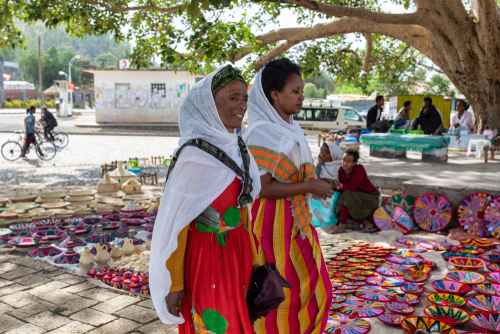
Ethiopian culture is rich and welcoming. Explore the language (Amharic is the official working language, though over 80 languages are spoken). Listen to traditional Ethiopian jazz and music. Try the food, especially injera (a sourdough flatbread) and doro wat (a spicy chicken stew). Participating in the culture is a wonderful way to connect with the community.

Approach with Nuance

Recognize the complexity of Ethiopia’s political history. Transitions of power are rarely simple. Approach conversations about May 28 and the country’s modern politics with respect and a willingness to listen to different perspectives.

Common Questions About Ethiopia’s National Day

Why doesn’t Ethiopia have a traditional independence day?

Ethiopia was never successfully colonized by a European power. Because it never had to fight a war to break free from colonial rule, it does not celebrate a traditional independence day. Instead, it celebrates victories over brief occupations and important internal political transitions.

What was the Derg regime?

The Derg was a military junta that ruled Ethiopia from 1974 to 1991. It overthrew the long-standing monarchy and established a Marxist-Leninist government. The regime was known for severe political repression, economic instability, and leading the country through a long civil war.

How is this day viewed by different groups?

Views on May 28 can vary. Many view it as a crucial day of liberation that ended a brutal military dictatorship. Others use the day to critically reflect on the political systems that replaced the Derg. Overall, it is widely respected as a major turning point in the nation’s history.

Understanding Ethiopia Through Its History

Ethiopia’s story is complex, deeply rooted, and endlessly fascinating. May 28 represents a vital chapter of resilience and transformation. By learning about the fall of the Derg regime, you gain a clearer picture of the nation’s journey.

History always shapes a nation’s present and future. We encourage you to explore beyond a single date. Read more about Ethiopia’s ancient heritage, engage with its vibrant culture, and appreciate the strong, independent spirit that defines its people today.

Every year on May 28, the people of Azerbaijan pause to honor a defining moment in their national story. This date marks Azerbaijan Independence Day, a public holiday celebrating the resilience, culture, and enduring identity of the nation. It is a time when the streets of Baku and cities across the country come alive with national pride.

The day carries a deep dual significance for the country. It commemorates the first establishment of the Azerbaijan Democratic Republic in 1918. It also serves as a reminder of the nation’s restored independence in 1991. The story of May 28 is one of determination, showcasing a nation that has successfully navigated significant historical shifts to secure its sovereignty.

Understanding the history behind this holiday offers a window into the values that shape modern Azerbaijan. From the early adoption of democratic reforms to the vibrant cultural traditions still practiced today, the country has a rich heritage.

By reading this guide, you will learn about the historical milestones that define Azerbaijan Independence Day. You will also discover how the holiday is celebrated today, the cultural traditions on display, and why this day remains a powerful symbol of statehood and national identity.

When Is Azerbaijan Independence Day 2026?

Azerbaijan Independence Day will take place on Thursday, May 28, 2026.

This holiday is celebrated annually on the exact same date. It is an official public holiday across the country. Government offices, schools, and many businesses close so that citizens can participate in the festivities and honor their national history.

What Does Independence Day Commemorate?

May 28 specifically commemorates the establishment of the Azerbaijan Democratic Republic (ADR) in 1918.

The creation of the ADR was a groundbreaking historical event. It was one of the first secular democratic republics in the Muslim world. The founders of the republic envisioned a modern state built on the principles of equality, human rights, and democratic governance.

Today, the holiday serves as a symbol of national sovereignty. It reminds citizens of the democratic aspirations that were planted over a century ago and continue to guide the nation’s development.

Historical Background

To fully appreciate the meaning of May 28, it helps to understand the historical timeline of Azerbaijan’s journey to sovereignty.

The 1918 Declaration

The story begins with the collapse of the Russian Empire during World War I. In the aftermath of this collapse, the people of Azerbaijan seized the opportunity to form their own government. On May 28, 1918, the National Council of Azerbaijan declared the creation of the Azerbaijan Democratic Republic.

The ADR was remarkably progressive for its time. It quickly established a national parliament and granted voting rights to all citizens. Notably, it gave women the right to vote long before many Western nations adopted similar laws. These early reforms set a strong foundation for a modern, inclusive society.

Soviet Period

The independence of the ADR was short-lived. In April 1920, the Soviet Red Army entered Baku, and Azerbaijan was incorporated into the Soviet Union.

For the next seven decades, the country remained under Soviet control. During this time, the political system was fundamentally changed, and the open celebration of the 1918 republic was suppressed. However, the memory of the ADR and the desire for self-determination never faded from the public consciousness.

Restoration of Independence

The collapse of the Soviet Union in 1991 presented a new opportunity. Azerbaijan officially declared the restoration of its independence on October 18, 1991.

Despite regaining sovereignty in October, the government chose to retain May 28 as the primary national holiday. This decision honors the original 1918 declaration, linking the modern state directly to its early democratic roots.

Why Independence Day Matters

Independence Day represents the core of Azerbaijani national identity and statehood. It is a day to reflect on the sacrifices made by previous generations to secure a free and sovereign nation.

The holiday honors the legacy of the early democratic reforms introduced by the ADR. It also reflects the resilience of the Azerbaijani people. Enduring decades of political change and foreign rule, the nation successfully reclaimed its independence and rebuilt its institutions.

How Azerbaijan Celebrates Independence Day

May 28 is a joyous occasion marked by a variety of events that bring communities together. The celebrations range from formal government ceremonies to lively public festivals.

Official Ceremonies

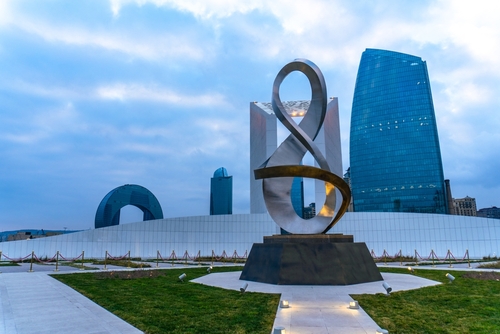
The day typically begins with official government events. Leaders deliver speeches highlighting the nation’s achievements and future goals. A central part of the official observance is the wreath-laying ceremony at the monument to the ADR founders in Baku. This solemn act pays respect to those who established the first republic.

Public Celebrations

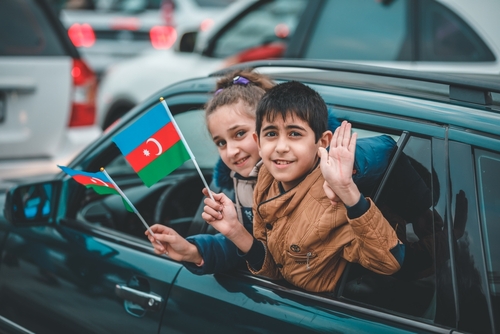
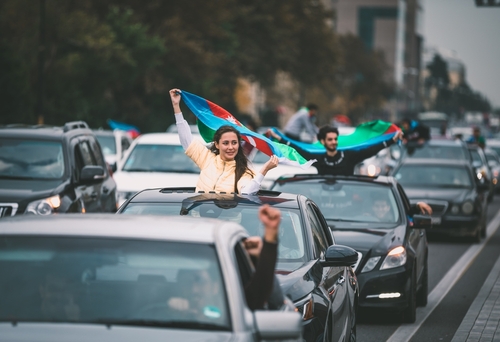
Following the formal ceremonies, the focus shifts to public celebrations. The streets and public squares are decorated with the vibrant blue, red, and green colors of the national flag. Cities host large concerts, outdoor festivals, and parades. As night falls, spectacular fireworks displays light up the sky, drawing large crowds of families and friends.

Cultural Events

Cultural institutions play a major role in the festivities. Museums, theaters, and galleries host special exhibitions and performances. These events showcase the nation’s artistic heritage, ensuring that traditional music, dance, and storytelling are passed down to younger generations.

Azerbaijani Culture on Display

Independence Day is an excellent time to experience the richness of Azerbaijani culture. The country sits at the crossroads of Eastern Europe and Western Asia, resulting in a unique cultural blend.

Music is a central element of the celebrations. You will often hear mugham, a traditional musical form characterized by complex vocal improvisations. Accompanied by indigenous instruments, mugham is deeply emotional and is considered a cornerstone of the national heritage.

Dance is equally important. Performers in elaborate national dress execute fast-paced, rhythmic dances that tell stories of courage and joy.

No celebration is complete without food. Families gather to share traditional dishes like plov (a fragrant rice pilaf with meat and dried fruits) and dolma (grape leaves stuffed with minced meat and herbs). Sharing these meals is a way to reinforce family bonds and cultural continuity.

Independence Day in Modern Azerbaijan

In modern Azerbaijan, May 28 is more than a historical retrospective. It is an active reflection on national development and identity in the 21st century.

The youth play a vital role in these modern celebrations. Educational programs and university events encourage young people to connect with their history while looking forward. The holiday represents the balance Azerbaijan strikes between honoring its ancient traditions and engaging with the global community through modernization and economic growth.

How to Experience Independence Day

If you plan to visit Azerbaijan during this time, or simply want to learn more from afar, there are several ways to engage with the holiday.

Attend Public Events

If you are in the country, the capital city of Baku is the center of the action. Walk along the Baku Boulevard to experience the festive atmosphere, listen to live music, and watch the fireworks. Other major cities like Ganja and Sumgait also host impressive public gatherings.

Explore Cultural Traditions

Take the time to explore the local culture. Visit a traditional restaurant to try authentic plov and dolma. Seek out a mugham performance to experience the soulful music that defines the region.

Engage Respectfully

Understanding the historical and cultural context makes the experience much more meaningful. Recognize the pride the locals have in their 1918 democratic roots and the hardships endured during the Soviet era. Showing an interest in their history is deeply appreciated by the Azerbaijani people.

Common Questions About Azerbaijan Independence Day

Why is May 28 celebrated instead of the 1991 independence date?

May 28 celebrates the founding of the original Azerbaijan Democratic Republic in 1918. The government chose to retain this date to honor the country’s first experience with sovereignty and to connect the modern state to its early democratic foundation.

What made the 1918 republic unique?

The Azerbaijan Democratic Republic was one of the first secular democratic republics in the Muslim world. It introduced progressive reforms, including a parliament and voting rights for all citizens, including women.

How is the day celebrated across the country?

The holiday is marked by official wreath-laying ceremonies, government speeches, and widespread public festivities. Citizens enjoy outdoor concerts, cultural performances featuring traditional music and dance, family feasts, and evening fireworks.

Why Independence Day Still Matters Today

More than a century after the first declaration, May 28 remains highly relevant. It reinforces the importance of sovereignty and national pride in a complex global landscape.

The day highlights the democratic aspirations that have long been a part of the national character. By celebrating past achievements, the country finds inspiration for its future goals. It serves as a unifying force, bringing together citizens of all ages to celebrate their shared history.

Celebrating a Living Symbol of Identity

Azerbaijan Independence Day is a powerful reminder of a nation’s ability to endure and thrive. May 28 is both a historical milestone and a living symbol of the country’s values. From the progressive reforms of 1918 to the vibrant cultural displays of today, the holiday encapsulates the spirit of the Azerbaijani people.

Learning about this day offers valuable insights into a nation that honors its past while confidently building its future. Consider exploring more about Azerbaijan’s rich history, listening to traditional mugham, or trying a local recipe to connect with this meaningful celebration.

The journey toward national sovereignty is rarely simple. For the nation of Georgia, the path to freedom required immense resilience and a deep commitment to cultural identity. The country has navigated complex geopolitical shifts, enduring periods of external control while fiercely maintaining its unique heritage.

Every year, Georgians gather to honor this enduring pursuit of freedom. Independence Day is a profound reflection on the sacrifices made by previous generations. It serves as a reminder of the strength found in unity and the importance of self-determination.

By reading this guide, you will gain a clear understanding of Georgia’s history and the true significance of May 26. You will also learn exactly how the day is celebrated across the country, from official ceremonies to vibrant community gatherings.

When Is Georgia Independence Day 2026?

Georgia Independence Day will take place on Tuesday, May 26, 2026. This national holiday is celebrated annually on the exact same date. It stands as one of the most important and widely recognized public holidays in the entire country.

What Does Independence Day Commemorate?

May 26 officially commemorates the 1918 declaration of independence from the Russian Empire. This pivotal moment led to the establishment of the Democratic Republic of Georgia.

This initial period of independence was relatively brief, lasting only three years. However, the 1918 declaration laid the essential foundation for the modern Georgian state. It established a democratic framework and cemented the nation’s desire for self-governance.

The Historical Background of May 26

Understanding the full weight of this holiday requires a look at Georgia’s timeline. The nation has faced numerous external pressures throughout its history.

Before 1918: The Russian Empire

During the 19th century, Georgia was formally incorporated into the Russian Empire. This period saw the suppression of Georgian political autonomy and efforts to minimize local culture. Despite these immense pressures, the Georgian people kept their language and traditions alive. Intellectuals and civic leaders consistently advocated for national rights and democratic reforms.

The 1918 Declaration of Independence

The collapse of the Russian Empire during World War I created a crucial opportunity. On May 26, 1918, the National Council of Georgia declared the country an independent democratic state. This new republic was heavily influenced by European democratic ideals. The government quickly established universal suffrage, ensuring both men and women had the right to vote.

Soviet Annexation and Renewed Independence

This newfound freedom faced immediate threats. In 1921, the Red Army invaded, leading to the forced Soviet annexation of Georgia. The country became part of the Soviet Union for seven decades.

Georgia finally restored its independence on April 9, 1991, following the collapse of the Soviet Union. Despite this 1991 milestone, the nation chose to keep May 26 as its official Independence Day. This decision honors the original 1918 republic and the foundational democratic values it represented.

Why Independence Day Matters

Independence Day serves as a powerful symbol of national identity. It honors the ongoing struggle for independence across multiple generations. Celebrating this day reflects Georgia’s remarkable cultural and political resilience. It gives citizens a moment to reflect on the rights they enjoy today and the sacrifices required to secure them.

How Georgia Celebrates Independence Day

Georgians mark May 26 with a mix of solemn remembrance and joyous celebration. The day features events that cater to all ages and interests.

Official Ceremonies

The day typically begins with formal addresses by government leaders. These speeches highlight national achievements and honor military personnel. You will also see military parades and formal oath-taking ceremonies for new recruits in the Georgian Armed Forces.

Public Celebrations

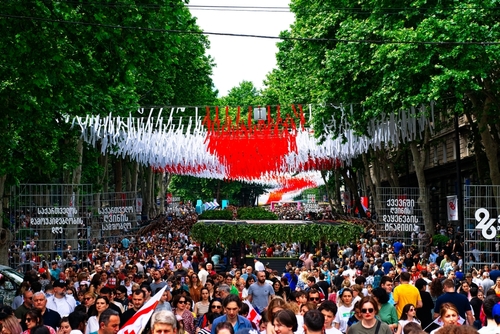
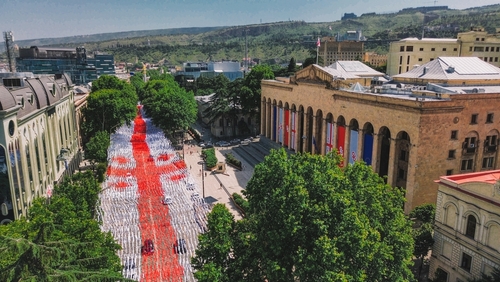
The streets of major cities, especially the capital city of Tbilisi, come alive with activity. Rustaveli Avenue transforms into a pedestrian-friendly festival zone. You can explore public exhibitions, browse local vendor stalls, and enjoy live outdoor concerts. As night falls, brilliant fireworks displays illuminate the sky above Tbilisi and other regional centers.

Community Participation

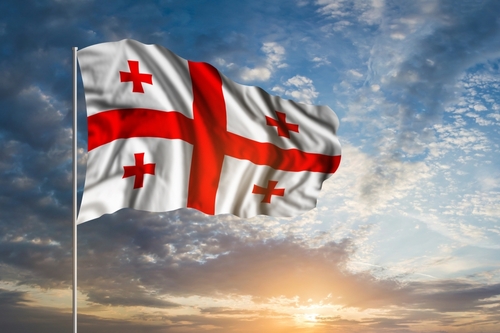
Independence Day is also a deeply personal holiday. Families gather to share meals and celebrate their shared heritage. Public spaces, balconies, and cars are proudly decorated with the red and white five-cross national flag.

Georgian Culture on Display

May 26 is a brilliant showcase of Georgia’s rich cultural heritage. Visitors and locals alike can experience traditional polyphonic singing and dynamic Georgian folk dances.

Food plays a central role in the festivities. Street vendors and local homes serve warm khachapuri (cheese-filled bread) and savory khinkali (dumplings). The scent of roasted meats and fresh herbs fills the air. Artisans also display traditional crafts, offering a glimpse into the regional traditions that define the country.

Independence Day in Modern Georgia

Today, Independence Day carries a forward-looking message. It provides a moment for the country to reflect on its democratic progress and its aspirations for European integration. Young Georgians play a highly active role in the celebrations, emphasizing civic engagement and a modern national identity. The holiday successfully balances a deep respect for historical tradition with a clear vision for the future.

How to Experience Independence Day as a Visitor

Visiting Georgia on May 26 offers a unique opportunity to see the nation at its most vibrant. Here are a few practical tips for making the most of the holiday.

Join Public Events

Head to central Tbilisi to experience the main festivities. Rustaveli Avenue is the best place to see the parades, browse the outdoor markets, and listen to live music. Other major cities like Batumi and Kutaisi also host excellent public events.

Embrace Local Culture

Take the time to try traditional Georgian foods. Watch the traditional dance performances and listen to the polyphonic choirs. Engaging directly with the culture is the best way to understand the spirit of the day.

Respect the Significance

Remember that this day holds deep emotional weight for locals. It represents a hard-fought battle for sovereignty. Show respect during official ceremonies and take a moment to understand the historical context of the celebrations.

Common Questions About Georgia Independence Day

Why is May 26 celebrated instead of the 1991 independence date?
Georgia declared independence twice in the modern era. April 9, 1991, marks the break from the Soviet Union. However, May 26 honors the original 1918 establishment of the First Democratic Republic. Georgians celebrate May 26 to emphasize their foundational democratic values.

How does Georgia’s history differ from other post-Soviet states?
Georgia has a distinct ancient history, its own unique alphabet, and a highly specific cultural identity. Its 1918 republic was notably progressive, granting voting rights to women early on. The country also experienced a very active and vocal national liberation movement during the late Soviet era.

What makes the celebration unique?
The combination of ancient cultural traditions with modern democratic pride makes May 26 special. You will see ancient polyphonic singing happening right alongside discussions of modern European integration.

Why Independence Day Still Matters Today

The values celebrated on May 26 remain highly relevant. The holiday reinforces national unity and shared identity. It highlights Georgia’s ongoing aspirations for economic stability, regional security, and democratic growth. By remembering the struggles of 1918 and 1991, the nation connects its past resilience with its present ambitions.

Celebrating Freedom and Looking Forward

Georgia Independence Day is a profound blend of remembrance and celebration. It is a day to honor those who fought for sovereignty and to celebrate the vibrant culture that survived centuries of external pressure.

Whether you are a local citizen or a curious traveler, May 26 offers a chance to appreciate Georgia’s remarkable journey. It reminds us all of the enduring value of freedom and the strength required to maintain it.

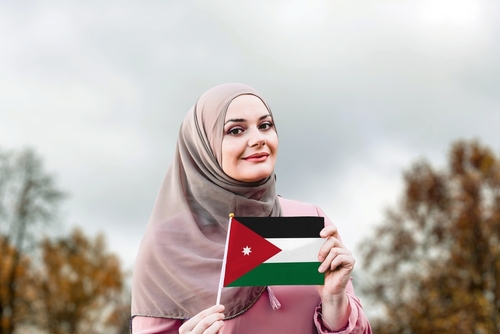
May 25 marks a profound moment of national pride and unity for the people of Jordan. Each year, the country pauses to honor the day it achieved full sovereignty and established itself as the Hashemite Kingdom of Jordan. This annual holiday brings communities together to reflect on the nation’s journey, honor its leadership, and celebrate its rich heritage.

Jordan holds a unique position in the Middle East, known for its deep historical roots and modern stability. Independence Day highlights the resilience of its people and the enduring strength of its culture. From the bustling streets of Amman to the quiet beauty of Petra, the entire nation joins in recognizing the sacrifices and triumphs that shaped the country.

By reading this guide, you will learn the history behind Jordan’s independence and understand the significance of this pivotal moment. You will also discover how the country celebrates the day, giving you a deeper appreciation for Jordanian culture, community, and national identity.

When Is Jordan Independence Day 2026?

Jordan Independence Day 2026 falls on Monday, May 25. The country celebrates this national public holiday annually on the same date. Government offices, schools, and many private businesses close for the day. This allows citizens and residents to fully participate in the nationwide festivities.

What Does Independence Day Commemorate?

This holiday commemorates Jordan’s official independence from British mandate rule in 1946. On this day, the nation formally established the Hashemite Kingdom of Jordan. King Abdullah I was crowned as the first monarch of the independent nation. It marks the transition from a governed territory to a fully sovereign state with its own leadership and political destiny.

Historical Background

Understanding the road to independence requires looking back at the early 20th century. The journey involved decades of political development and strategic negotiations.

The British Mandate Period

Following the end of World War I, the League of Nations placed the territory of Transjordan under British administration. This mandate system guided the region’s political and economic structures for over two decades. During this time, the local leadership worked steadily to build the foundations of a modern state.

Path to Independence

The path to sovereignty was a gradual process of political maturation. Over the years, Transjordan gained increasing autonomy over its internal affairs. In early 1946, local leaders and British officials negotiated the Treaty of London. This agreement officially ended British control and recognized Transjordan as a fully independent state.

Declaration of Independence

On May 25, 1946, the parliament of Transjordan officially declared the country’s independence. They approved the new constitution and proclaimed King Abdullah I as the nation’s rightful monarch. The country officially became the Hashemite Kingdom of Jordan.

Why Independence Day Matters

Independence Day is a powerful symbol of national identity and sovereignty. It honors the historical progress made by past generations and celebrates the leadership that guided the nation to freedom. The holiday also reinforces a strong sense of unity across Jordan’s diverse communities. It reminds citizens of their shared history and their collective responsibility to protect and build the nation’s future.

How Jordan Celebrates Independence Day

The entire country comes alive with celebrations on May 25. The events range from formal state ceremonies to lively community gatherings.

Official Ceremonies

The day begins with formal events attended by the royal family and government officials. Speeches emphasize national achievements and future goals. Military parades showcase the strength and discipline of the Jordanian Armed Forces. These official displays of national pride are broadcast across the country.

Public Celebrations

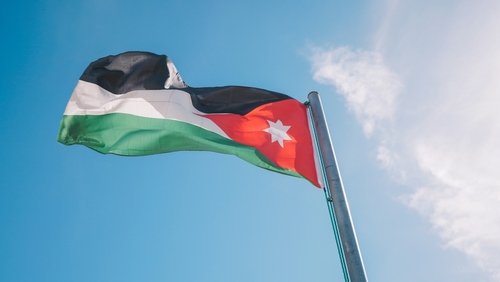
Cities and towns decorate their streets with the Jordanian flag. As the sun sets, spectacular fireworks light up the sky over Amman and other major cities. Public concerts and cultural festivals feature local artists and musicians. These events draw large crowds and create a joyful, patriotic atmosphere.

Community and Family Gatherings

For many Jordanians, Independence Day is a time to connect with family and friends. People gather for shared meals and social events. Communities host local festivities that foster a strong sense of national pride and togetherness.

Jordanian Culture on Display

Independence Day serves as a vibrant showcase of Jordanian culture. Traditional music and dance, particularly the energetic dabke, are central to the celebrations. Dancers in traditional attire perform at public squares and festivals.

Food and hospitality also play a massive role. Families prepare traditional dishes like mansaf to share with guests. The national colors—black, white, green, and red—are visible everywhere, from clothing to decorations, symbolizing the deep cultural roots of the nation.

Independence Day in Modern Jordan

Today, Independence Day provides an opportunity to reflect on national progress and current challenges. While honoring the past, the country looks toward the future. The youth of Jordan play a critical role in these celebrations, bringing new energy and perspectives. The day represents a delicate balance between preserving ancient traditions and embracing modernization.

How to Experience Independence Day

If you are visiting Jordan or simply want to learn more about the holiday, there are several ways to engage with the festivities.

Attend Public Events

Join the crowds at public parades, festivals, and concerts. Major cities like Amman host numerous free events that welcome both locals and visitors.

Explore Cultural Traditions

Take the opportunity to enjoy local customs. Try traditional Jordanian foods at local restaurants or street vendors. Listen to folk music and watch dabke performances to experience the heartbeat of the culture.

Engage Respectfully

Understand the historical and cultural significance of the day. Show respect for the flag and the national anthem. Engaging politely and showing interest in the country’s history will endear you to the welcoming Jordanian people.

Frequently Asked Questions (FAQs)

How is it different from other national holidays in Jordan?

Independence Day specifically celebrates the end of the British mandate and the birth of the sovereign Hashemite Kingdom. Other holidays might have religious or different historical focuses, but May 25 is uniquely dedicated to the concept of national statehood.

What role does the monarchy play in celebrations?

The monarchy is central to the celebrations. The King typically delivers a national address, attends military parades, and bestows state honors on distinguished citizens. The Hashemite leadership is deeply intertwined with the story of Jordan’s independence.

Is it widely celebrated across the country?

Yes, it is a nationwide celebration. While the largest official events take place in the capital city of Amman, every governorate, city, and village hosts its own local festivities and gatherings.

Why Independence Day Still Matters Today

Decades after 1946, Independence Day remains highly relevant. It continuously reinforces Jordan’s sovereignty and national pride in a complex region. The holiday encourages unity and a shared identity among citizens. Furthermore, it provides a dedicated moment each year to reflect on the future and plan for continued growth and stability.

Celebrating Independence and Looking Ahead

Jordan Independence Day is much more than a historical milestone. It is both a joyful celebration and a thoughtful reflection on the nation’s journey. It encourages a deep appreciation for Jordan’s history, culture, and enduring spirit. As the world becomes increasingly interconnected, celebrating a distinct national identity grounds the people of Jordan. It reminds them of their shared past and inspires them to build a prosperous, united future.

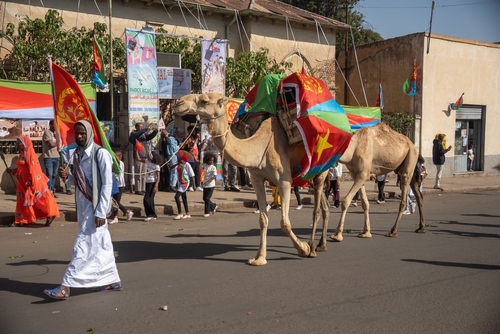
May 24 holds profound meaning for the people of Eritrea. It marks a historic victory and the end of a long, difficult struggle for self-determination. For Eritreans around the world, this date is a powerful reminder of the sacrifices made by previous generations to secure a sovereign nation.

The emotional weight of this day resonates deeply. It is a time for solemn remembrance and joyous celebration. Families gather, communities unite, and the nation reflects on its hard-won freedom. The path to independence was paved with immense hardship, making the celebration of sovereignty a deeply personal experience for many.

By exploring the history and traditions of this holiday, you will gain a clearer understanding of Eritrea’s national identity. You will learn the historical context behind the 30-year conflict, how the day is celebrated today, and why this annual observance remains a cornerstone of Eritrean culture.

When Is Eritrea Independence Day 2026?

Eritrea Independence Day is celebrated annually on May 24. In 2026, the holiday will fall on a Sunday. This date is one of the most important national holidays in the country, bringing everyday activities to a halt as citizens focus on national pride and remembrance.

What Does Independence Day Commemorate?

This holiday commemorates Eritrea’s de facto independence from Ethiopia, which was achieved in 1991. For three decades, Eritrean liberation movements fought a grueling war for freedom. The military victory in May 1991 paved the way for the formation of the modern Eritrean state. Two years later, in 1993, a UN-backed referendum made that independence official, with the overwhelming majority of Eritreans voting for sovereignty.

Historical Background

Understanding Eritrea’s independence requires a look back at its complex colonial and political history. The nation navigated multiple administrative changes before finally securing its own governance.

Colonial Period

During the late 19th and early 20th centuries, Eritrea was colonized by Italy. The Italian administration established the initial borders of the territory. Following World War II, the British took over administration of the region, leading to a period of uncertainty regarding Eritrea’s future political status.

Federation and Annexation

In 1952, the United Nations decided to federate Eritrea with Ethiopia. This arrangement was intended to respect Eritrean autonomy while maintaining ties with the Ethiopian crown. However, in 1962, Ethiopia formally annexed Eritrea, dissolving the federation and stripping the region of its autonomous rights.

The Independence Struggle

The annexation sparked a fierce armed resistance. Led by Eritrean liberation movements, the conflict quickly escalated into a full-scale war. The struggle lasted for 30 years, deeply affecting every family and shaping the resilient character of the nation. The eventual victory in 1991 was a monumental achievement against overwhelming odds.

Why Independence Day Matters

Eritrea Independence Day is a symbol of resilience, sacrifice, and national identity. It honors the countless men and women who fought and lost their lives during the long conflict. Observing this day reinforces a strong sense of unity. It connects the younger generation to the history of their ancestors, ensuring the legacy of the struggle is never forgotten.

How Eritrea Celebrates Independence Day

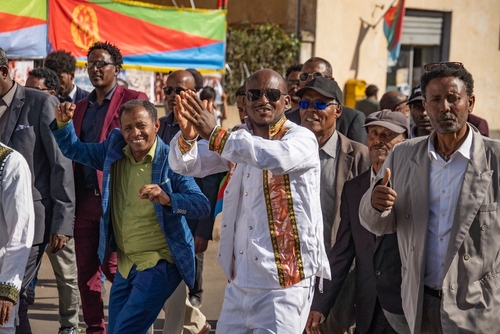
The celebrations on May 24 are vibrant, deeply respectful, and widespread. They take place in the capital city of Asmara, throughout rural regions, and across the globe.

Official Ceremonies

The government hosts official events, including national speeches by political leaders. These addresses often reflect on the country’s history, honor the fallen, and discuss the future trajectory of the nation. Commemorative ceremonies take place at national monuments and cemeteries.

Parades and Cultural Performances

Military parades showcase the nation’s defense forces, serving as a reminder of the armed struggle that secured the country’s freedom. Alongside these displays, traditional music and dance performances fill the streets. Different ethnic groups showcase their unique heritage through organized performances.

Community Celebrations

At the local level, neighborhoods host festivals and gatherings. Shared meals are a central component of these celebrations. Neighbors and extended families come together to eat, share stories, and celebrate their shared identity. The atmosphere is highly participatory and joyous.

Diaspora Celebrations

Eritreans living abroad play a massive role in observing the holiday. Diaspora communities host their own events, cultural festivals, and remembrance activities. These gatherings help expatriates maintain a strong connection to their homeland and pass their cultural heritage down to their children.

Eritrean Culture on Display

Independence Day is a showcase of Eritrea’s rich cultural diversity. The country is home to multiple ethnic groups and languages, and the holiday highlights this vibrant mix. Traditional attire is worn proudly, featuring intricate embroidery and bright colors. Food is central to the festivities, with traditional dishes like injera (a sourdough flatbread) and zigni (a spicy meat stew) shared among family and friends. Music and dance reflect the unique rhythms and traditions of the different regions.

Independence Day in Modern Context

Today, Independence Day represents a blend of historical pride and present-day reflection. The country faces various modern challenges, but the holiday provides an opportunity to draw strength from past victories. The youth and the diaspora are increasingly shaping the national identity, bringing new perspectives while honoring traditional values.

How to Engage Respectfully

For international readers wanting to acknowledge or participate in this day, respectful engagement is key.

Learn the History

Take time to understand the depth of the independence struggle. The 30-year war was profoundly difficult, and recognizing that context shows respect for the Eritrean experience.

Appreciate Eritrean Culture

Explore the nation’s music, food, and traditions. Visiting a local Eritrean restaurant or listening to traditional music is a great way to appreciate the culture.

Listen to Eritrean Voices

Seek perspectives directly from Eritreans. Whether through literature, documentaries, or conversations with community members, prioritizing their lived experiences provides the most accurate understanding of the holiday.

Frequently Asked Questions About Eritrea Independence Day

Why did the independence struggle last so long?

The conflict lasted 30 years because Eritrean liberation forces were fighting a much larger, heavily backed Ethiopian military. The geopolitical dynamics of the Cold War also played a role, with different global superpowers supporting the Ethiopian government at various times.

What is the significance of 1991 vs 1993?

In May 1991, Eritrean forces achieved a military victory, taking control of the capital and effectively ending the war. In April 1993, a UN-supervised referendum was held where Eritreans officially voted for independence, leading to international recognition of the state.

How is the day celebrated globally?

Eritrean diaspora communities host large cultural festivals, concerts, and community dinners. These events often feature traditional food, music, and flag-raising ceremonies, allowing Eritreans abroad to celebrate their heritage.

Why Independence Day Still Matters Today

The holiday represents freedom achieved after a prolonged and painful conflict. It reinforces a unique national identity that distinguishes Eritrea within the Horn of Africa. By encouraging remembrance and unity, the day ensures that the core values of resilience and self-reliance remain central to the nation’s consciousness.

Remembering Sacrifice and Celebrating Freedom

Eritrea Independence Day is both a joyous celebration and a solemn remembrance. It offers a moment to honor the past while looking toward the future. Engaging thoughtfully with Eritrea’s history reveals a story of remarkable endurance. It prompts a universal reflection: what does independence mean when it comes at such a high cost? Acknowledging this history provides a deeper appreciation for the resilience of the Eritrean people and the profound value of freedom.

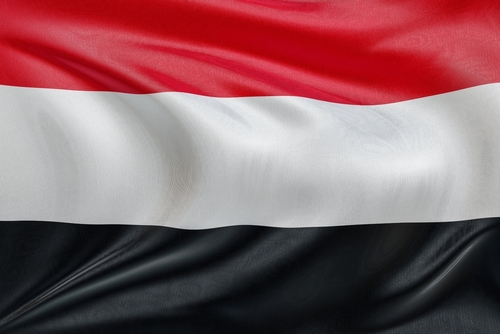
Every year on May 22, Yemen observes a profound national milestone. Yemen Unity Day commemorates the official unification of North and South Yemen in 1990. This date represents a major shift in the political and cultural landscape of the Arabian Peninsula. It brought together two distinct states into a single republic.

Today, observing this date requires acknowledging a complex reality. The modern context of Yemen includes significant humanitarian challenges and ongoing conflict. Because of this, Unity Day serves as a moment of national pride, but it also prompts deep reflection on the current state of the nation.

By understanding the history of this day, you gain insight into Yemen’s rich cultural heritage. You will discover the historical steps that led to unification. Furthermore, you will learn how the concept of unity remains a vital source of hope and resilience for Yemenis around the world.

When Is Yemen Unity Day 2026?

Yemen Unity Day takes place annually on May 22. In 2026, the holiday will fall on a Friday. This date is recognized as a national holiday within the country and is remembered by Yemeni communities globally.

What Does Unity Day Commemorate?

The holiday marks the precise day in 1990 when two independent nations merged. The Yemen Arab Republic, commonly known as North Yemen, and the People’s Democratic Republic of Yemen, known as South Yemen, officially joined forces. This merger resulted in the formation of the modern Republic of Yemen. The agreement united a divided population and created a shared national government.

The Historical Background of Unification

Understanding the path to unification requires looking at the distinct histories of both regions. The journey involved years of political maneuvering and shared aspirations.

Two Separate States

Before 1990, the two regions operated under very different political systems. North Yemen functioned under a traditional republican system after the fall of the Mutawakkilite Kingdom in 1962. South Yemen, gaining independence from British colonial rule in 1967, established a socialist state. These different ideologies often led to border disputes and regional tensions.

The Path to Unification

Despite their differences, the desire for a united Yemen remained strong among the people. Political negotiations gained serious momentum in the 1980s. Leaders from both sides recognized the economic and social benefits of merging. Ali Abdullah Saleh of North Yemen and Ali Salim al-Beidh of South Yemen led these intensive discussions, eventually reaching a consensus to combine their governments.

The Declaration of Unity

The long-awaited unification became official on May 22, 1990. The two leaders raised the new national flag in Aden, the former capital of the South. This declaration marked the beginning of a new era, establishing a unified constitution and a transitional government.

Why Unity Day Matters

Unity Day stands as a powerful symbol of national identity. It represents a shared future built on the historical ties that connect all Yemenis. The 1990 agreement provided hope for regional stability, economic growth, and peaceful cooperation. It remains a defining moment in Yemen’s modern history, representing the triumph of diplomacy and shared heritage over ideological division.

How Unity Day Has Been Celebrated

Over the decades, the observance of Unity Day has included a variety of national and local events. The celebrations typically highlight patriotism and shared culture.

Official Ceremonies

Historically, the government has organized large-scale official ceremonies. These events often include televised speeches by political leaders, military parades, and award ceremonies recognizing national achievements.

Public Celebrations

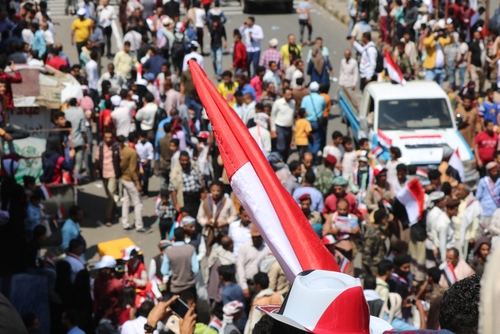
Citizens have traditionally celebrated by decorating streets and homes with the national flag. Public concerts, poetry readings, and cultural gatherings allow communities to share in the patriotic spirit. Music and traditional dances play a large role in these festivities.

Media and National Messaging

Television and radio broadcasts focus heavily on themes of unity and shared identity. Documentaries detailing the history of the 1990 merger are frequently aired, educating younger generations about the significance of the day.

Unity Day in a Modern Context

It is impossible to discuss Yemen today without acknowledging the ongoing conflict. The country faces severe humanitarian challenges that have fractured the political landscape. As a result, the meaning of Unity Day has evolved. For many, it is no longer just a celebration of the past. Instead, it serves as an urgent reminder of the need for peace, reconciliation, and a return to cooperative governance. The concept of unity is now seen as an ongoing aspiration rather than a completed goal.

Cultural Identity and Shared Heritage

Yemen possesses a remarkably rich cultural heritage. This heritage predates the modern political borders and serves as a strong unifying force. The country shares a common Arabic language, deeply rooted tribal traditions, and a distinct architectural style visible in ancient cities like Sana’a and Shibam. Traditional music and poetry also cross regional lines. This shared cultural identity plays a crucial role in fostering a sense of unity among the people, regardless of current political divisions.

How to Engage with Unity Day Thoughtfully

For international readers, observing Yemen Unity Day requires a thoughtful and respectful approach.

Learn Yemen’s History

Take time to educate yourself about both the 1990 unification and the current realities facing the country. A clear understanding of the region’s past helps contextualize its present challenges.

Support Awareness and Humanitarian Efforts

Use this day to raise awareness about the humanitarian situation. Consider supporting reputable international organizations that provide essential aid, food, and medical care to affected communities in Yemen.

Approach with Respect

The political situation in Yemen is highly complex. Avoid oversimplifying the conflict or taking sides in regional disputes. Focus instead on the resilience of the Yemeni people and their hopes for a peaceful future.

Common Questions About Yemen Unity Day

Why were North and South Yemen separate?

The separation resulted from different historical trajectories. North Yemen became an independent republic after the fall of a local imamate. South Yemen was a British protectorate that later gained independence and aligned with socialist ideologies.

What challenges followed unification?

The newly formed republic faced significant economic disparities and political integration issues. These tensions eventually led to a brief civil war in 1994 and continued to cause political friction in the following decades.

Is the day widely celebrated today?

While official government celebrations may be subdued or altered due to the ongoing conflict, the day remains symbolically important. Many Yemenis inside the country and in the diaspora use the day to reflect on national identity and advocate for peace.

Why Yemen Unity Day Still Matters

The 1990 unification remains a cornerstone of Yemeni history. It represents the powerful idea that national unity can overcome deep ideological divisions. Even in the face of current hardships, the anniversary encourages reflection on peace, cooperation, and mutual respect. It remains a vital symbol for Yemenis worldwide who dream of a stable and prosperous homeland.

Unity as Both History and Hope

Yemen Unity Day is much more than a historical milestone. It is a testament to the enduring spirit of the Yemeni people. The events of May 22, 1990, proved that unification is possible through dialogue and shared vision. Today, that same spirit is needed more than ever.

As we look toward Yemen Unity Day 2026, we are reminded that unity is an ongoing journey. Understanding Yemen’s story helps us appreciate the profound resilience required to build a peaceful future. True unity in times of challenge requires compassion, understanding, and a shared commitment to a better tomorrow.

From London’s landmarks to the beauty of the Scottish Highlands, there’s a lot to explore after relocating to Britain. Of course, adjusting to a new country and culture can feel daunting as well as exciting. That’s why we’ve put together this practical guide to making yourself at home, wherever you settle in the UK.

Finding a place to live

Online property portals take the hassle out of comparing viable places to live in the UK. Sites like Zoopla and Rightmove list apartments and houses available for rent within a specific area. All you have to do is enter the city, district, or postcode to see what’s on offer. You can also use additional search options, allowing you to filter properties by budget, number of rooms, and particular amenities.

Moving in with other people can be a great way to settle in the UK into a community and make new friends. SpareRoom lets you browse the houseshares available in your area, and create a profile, so potential housemates can approach you.

After picking out suitable properties online, you’ll need to arrange viewings to see if they live up to expectations. Later, you’ll be expected to show the landlord or letting agent certain documents before you can seal the deal. These documents can include your passport and recent bank statements. You’ll also usually have to pay a deposit and some rent in advance.

For more details on the whole process, check out our guide to renting in the UK.

Setting up a bank account

Having a UK bank account can really make you feel like you’re settling down roots in the country. It may also be essential for certain transactions, such as receiving salary payments from your UK employer. A local account will also save you from paying international banking fees that may be attached to transactions through your foreign-based account.

There are plenty of banks in the UK to choose from if you want to settle in the UK. These include traditional high street institutions like Barclays and NatWest, and the newer breed of online-only banks like Monzo. Creating an account can usually be done on your computer or through your phone, whatever kind of bank you choose. If you choose a high street bank, you’ll also have the option of setting up your account in person at a physical branch.

You’ll need to confirm your identity, for example by showing your biometric residence permit. You’ll also need to prove your UK address, for example by showing a recent utility bill or council-issued tenancy agreement. Each bank will have its own list of eligible documents. If you’re applying online or through the bank’s phone app, you may have to also provide a video or selfie. This will be used to verify you are indeed the person in your photo ID.

Finding a job

Many immigrants who want to settle in the UK will already have employment secured in the country before they arrive. But what if you need to find work after you’ve settled here? The good news is there’s a thriving jobs market in the UK. According to research released in 2021 by networking site LinkedIn, some of the fastest-growing job sectors include:

  • E-commerce, with roles including delivery drivers, online specialists, retailers, and warehouse team managers
  • Construction, with roles including construction workers and site managers
  • Finance, with roles including equity traders, investment banking specialists, and financial services specialists
  • Healthcare, with roles including intensive care nurses, medical laboratory assistants, and clinical psychologists
  • Digital content and marketing, with roles including social media marketing managers, bloggers, and podcasters
  • Real estate, with roles including real estate agents and property specialists

There are a number of UK websites which list the latest vacancies. These include the government-run site Find a Job, as well as the likes of Adecco, Indeed, JustEngineers, and Caterer. Newspapers like The Guardian also feature sprawling job listings pages.

Applying for a job may involve filling in an online application specific to the employer, or submitting your CV/résumé. It may be worth keeping an up-to-date profile on LinkedIn. This can help you make connections in the UK business community and potentially find new job roles.

How to Live in the UK as an Immigrant

Exploring your new home

The UK may be a small country, but it certainly punches above its weight when it comes to cultural appeal. London steals much of the international attention, with good reason. It’s packed with historical sights, from Buckingham Palace to the Big Ben clocktower. The museums, such as the Tate Modern and the British Museum, are also world-famous. But there’s far more to the city than these more obvious attractions.

The nation’s capital has an exciting food culture, with innovative chefs putting their own slant on global cuisine. Neighborhoods like Soho, Notting Hill, and Shoreditch are packed with interesting places to eat. Using a site like OpenTable, you can browse restaurants and book tables with ease. It’s also worth noting that London is known for its cocktail scene. Many of the bars in the city are regularly ranked among the very best in the world. These range from underground speakeasy-style dens like Happiness Forgets in Hoxton, to plush hangouts like the Savoy’s American Bar.

Other UK cities where people settle in the UK also have strong identities of their own. Bath, for example, is renowned for its centuries-old architecture which makes visitors feel like they’ve entered the world of Jane Austen. Bristol has a bohemian, artistic scene, while Liverpool attracts pilgrims keen to see the hometown of the Beatles. Natural beauty also abounds, whether you go for a weekend in the Lake District or explore the dramatic coastline of Cornwall.

There’s a comprehensive train network which can get you to almost every part of the nation. Details of train times and routes can be found at Trainline, and you can also purchase tickets through this site.

Getting used to cultural changes

It’s not particularly useful to make sweeping generalizations about British culture, since the UK is so diverse. It consists of four countries: England, Wales, Scotland, Northern Ireland. The different regions within those countries have their own customs and traditions. In Wales, for example, you’ll notice that road signs and train station announcements are in both the English and Welsh languages. In England alone, you’ll notice strong differences in local accents and slang, depending on where you are.

That said, there are some cultural norms you can expect throughout the UK. Pubs, for example, are an integral part of many communities. “Going down to the pub” for a few pints of beer is a popular way for friends and work colleagues to socialise. You may also notice that Brits have a great sense of humour, which tends to be on the dry side. Sarcasm is common in everyday conversation and is usually intended for comic effect rather than to offend.

Watching British TV shows can be a great way to soak up the culture. BBC iPlayer puts a whole library of programmes at your fingertips. You might want to check out our list of other apps that can help you transition to life in the UK.

Sending money home

While much of your attention will be on adjusting to UK life, we know you may have responsibilities back home. Many Immigrants will need to send money back to their loved ones, as occasional gifts or as regular financial support. There are a number of options open to you, including banks and high street remittance companies.

It’s also worth considering online-only services, which may offer lower-cost alternatives to more traditional options. For example, Remitly provides competitive exchange rates for international transfers. Transfer fees are low, and transactions are protected by multiple layers of security. It’s a great tool for supporting the people who matter, even as you settle in the UK.

Visit the homepagedownload our app, or check out our Help Center to get started.

Freelancing gives you the freedom to choose how and where you work. However, managing payments — especially when working with international clients — can require additional steps and planning.

Many freelancers and remote workers need to track invoices, confirm whether payments have been sent, and monitor exchange rates when receiving funds from abroad.

Remitly for Freelancers is designed for freelancers, contractors, and remote professionals who receive payments from international clients. With this tool, you can request payments, review your payment history, and manage funds in your Remitly wallet.

This guide explains how Remitly for Freelancers works and what features it offers.

What Is Remitly for Freelancers?

Remitly for Freelancers is designed to help self-employed professionals receive payments from clients in other countries. Unlike traditional remittance services used to send money to family or friends, this tool is intended specifically for requesting and receiving payment for freelance work.

It allows you to create payment requests online and receive funds directly into your wallet, so you can withdraw in local currency when it’s convenient for you.

How It Works: A Step-by-Step Overview

The process is designed to support freelancers from invoicing through withdrawal.

Step Description
Step 1: Create a Payment Request When you’re ready to get paid by a client, you can create a payment request through Remitly. This generates a payment link for the specific amount owed.
Step 2: Share the Payment Link You send the payment link to your client using your preferred communication method. The link directs them to a secure payment page where they can complete the transaction.
Step 3: Client Submits Payment Your client first claims the payment request, then creates the account.
Step 4: Funds Are Added to Your USD Wallet Once the payment is processed, the funds appear in your Remitly freelancer wallet.
Step 5: Convert or Withdraw Funds Payments received through Remitly for Freelancers are held in USD within your wallet. You can choose when to withdraw into a variety of options like your bank account, mobile wallet, or cash pickup depending on your location.

A small fee may apply when you withdraw funds from your wallet, depending on what delivery method you choose. All fees will be shown to you before you complete the withdrawal, so you’ll know exactly what you’re paying.

Key Features for Freelancers

Transparency

Before you withdraw or convert funds, Remitly displays the applicable fees and exchange rate. This allows you to review the transaction details before confirming.

Wallet

Funds remain in USD in your Remitly wallet until you choose to withdraw or convert them, depending on the options available in your country.

Payment Links

Generating a payment link allows you to request payment without sharing your bank details directly with clients.

Start getting paid on your terms

If you are ready to start managing your income with confidence, visit our website to learn more.

Frequently Asked Questions (FAQs)

Who can use Remitly for Freelancers?

Remitly for Freelancers is intended for freelancers, contractors, and remote workers who receive payments from international clients. Availability and features may vary by country.

How does my client pay me through Remitly?

Your client pays using the payment link you generate. Payment methods for your client and requirements may vary depending on location and available options.

How do I send a payment request?

Open the Remitly app, choose “Request,” and enter the amount you’re requesting. The app will generate a link that you send to your client to complete the payment.

How fast will I get paid?

As soon as your client completes the payment on their end, the funds arrive instantly** in your Remitly Wallet.

Managing International Payments

Working with international clients often means managing multiple currencies and payment timelines. Remitly for Freelancers is designed to simplify that process by allowing you to request payments and receive funds directly into your wallet.

By understanding how the tool works and reviewing its features and terms, you can decide whether it fits your workflow and payment needs.

Legal Disclaimers

**Delivery speed is dependent on payment method, delivery method, transaction review and system availability of Remitly and our partners.

Nothing herein should be construed as an offer, solicitation, or invitation to use Remitly’s products or services in any jurisdiction where Remitly or its affiliates are not licensed or otherwise authorized to provide such services. Service availability is subject to customer eligibility and compliance with applicable laws. Not all products or services are available in all jurisdictions.

Every year on May 20, the streets of Cameroon come alive with vibrant parades, traditional music, and a profound sense of national pride. Cameroon National Day is one of the most important public holidays in the country. It serves as a powerful reminder of the nation’s journey toward unity and its incredibly diverse cultural heritage.

Many people assume this holiday marks the country’s independence. However, the true meaning of the day runs much deeper. While Cameroon gained its initial independence in 1960 and 1961, May 20 specifically celebrates the consolidation of the country into a single, unified state. It honors the deliberate choice of the Cameroonian people to bridge linguistic and cultural divides.

Understanding this holiday requires a look at the country’s unique past. Cameroon is often called “Africa in miniature” because of its geographical and cultural diversity. The nation is home to over 200 ethnic groups, as well as a distinct blend of Francophone and Anglophone regions. National Day highlights this rich tapestry of identities coming together under one flag.

By exploring the history and modern celebrations of Cameroon National Day, you will gain a clearer picture of what makes this nation so unique. This guide covers everything from the historical events that shaped the holiday to the ways people will celebrate it in 2026.

When Is Cameroon National Day 2026?

Cameroon National Day will take place on Wednesday, May 20, 2026. The holiday is observed annually on this exact date. It is a major nationwide public holiday, meaning schools, government offices, and most businesses close so citizens can participate in the festivities.

What Does National Day Commemorate?

National Day commemorates the historic national referendum held on May 20, 1972. Before this date, Cameroon operated under a federal system. The country was divided into two distinct states based on its colonial history: one French-speaking and one English-speaking.

During the 1972 referendum, citizens voted to dissolve this federal structure. They chose to transition the country into a unitary state. This pivotal vote led to the creation of the United Republic of Cameroon. Because of this, May 20 is a celebration of national cohesion. It highlights why unity became a central, driving value for the country’s future.

The Historical Background of Cameroon

To fully appreciate National Day, you need to understand the complex journey Cameroon took to achieve statehood. The country’s history is shaped by multiple colonial powers and a strong desire for self-determination.

Colonial Legacy

Cameroon’s colonial history is uniquely complicated. Germany initially colonized the region in the late 19th century. Following World War I, the League of Nations stripped Germany of its territories. The region was then divided into two separate mandates. France administered the larger eastern portion, while the United Kingdom administered the smaller western portion bordering Nigeria.

The Path to Independence

The journey to independence occurred in stages. French Cameroon achieved independence first, becoming the Republic of Cameroon on January 1, 1960. The British-administered region, known as Southern Cameroons, faced a different path. In a 1961 plebiscite, the people of Southern Cameroons voted to join the newly independent Republic of Cameroon rather than integrating with Nigeria.

From Federation to Unity

When the two regions united in 1961, they formed the Federal Republic of Cameroon. This system allowed both regions to maintain some of their distinct administrative and legal frameworks. Over the next decade, leaders sought to centralize the government to foster a stronger national identity. This effort culminated in the May 20, 1972 referendum, officially transforming the federation into a unified state.

Why National Day Matters

Cameroon National Day is much more than a historical anniversary. It is a vital symbol of national cohesion. The country encompasses a vast array of languages, traditions, and geographic landscapes. Maintaining unity across such profound diversity requires constant effort and reflection.

The holiday reflects Cameroon’s identity as a diverse but unified people. It provides a dedicated time for citizens to celebrate their shared values and history. Acknowledging this day helps reinforce the bonds that hold the nation together.

How Cameroon Celebrates National Day

The government and local communities organize extensive celebrations to mark the occasion. The day is filled with events that showcase the strength and spirit of the Cameroonian people.

Grand Parades

Large-scale parades are the centerpiece of the holiday. In the capital city of Yaoundé, the President oversees a massive military and civilian parade at the 20th of May Boulevard. Similar parades happen in regional capitals and smaller towns across the country. Military personnel, police forces, youth groups, schools, and political organizations march together to demonstrate national strength and solidarity.

Presidential Address

The President of Cameroon traditionally delivers a televised national address. This speech reflects on the country’s progress, honors the sacrifices of past generations, and addresses ongoing national challenges. It sets the tone for the day’s events and reinforces the government’s commitment to peace.

Cultural Performances

Music and dance are essential elements of the celebration. Cultural groups from various regions perform traditional dances, displaying the country’s rich artistic heritage. These performances highlight the distinct rhythms, instruments, and storytelling traditions of different ethnic groups.

Community Celebrations

Beyond the official parades, local communities host their own gatherings. Families and friends come together to share traditional meals, such as ndolé, achu, or eru. Street parties and local sports matches add to the festive atmosphere.

Showcasing Cultural Diversity

Cameroon’s incredible cultural diversity is fully on display during National Day. With over 200 distinct ethnic groups, the country is a vibrant mix of traditions. The blend of Francophone and Anglophone influences adds another layer of uniqueness to the culture.

During the parades and community events, you will see people wearing highly detailed traditional clothing. Fabrics like the brightly colored Toghu from the Bamenda region are worn with immense pride. Traditional music, featuring instruments like the balafon and various local drums, creates an energetic backdrop for the festivities.

National Day in Modern Cameroon

Today, National Day is a moment of deep pride, but it also serves as a time for reflection. Modern Cameroon continues to navigate complex conversations about national identity and political inclusion. The holiday provides an opportunity to acknowledge these ongoing discussions while celebrating the foundational goal of unity.

Younger generations are increasingly engaging with the holiday in new ways. Many use social media to share their cultural heritage, discuss the meaning of unity, and connect with the global Cameroonian diaspora.

How to Engage with Cameroon’s National Day

You do not have to be in Cameroon to appreciate and participate in the spirit of National Day. Here are a few practical and respectful ways to engage with the holiday from anywhere in the world.

Learn the History

Take the time to understand Cameroon’s unique colonial and postcolonial journey. Reading books or watching documentaries about the country’s path to independence and unification provides valuable context.

Explore the Culture

Experience Cameroonian culture through its food and music. Try cooking a traditional recipe at home, or listen to genres like Makossa and Bikutsi. Exploring the arts is a wonderful way to connect with the nation’s spirit.

Support Cameroonian Voices

Follow Cameroonian creators, writers, and cultural organizations online. Supporting businesses owned by the Cameroonian diaspora helps uplift the community and spread awareness of their rich heritage.

Frequently Asked Questions

Why is it called National Day instead of Independence Day?

National Day specifically commemorates the 1972 referendum that united the country into a single state. Independence was achieved earlier, in 1960 and 1961, by the separate French and British territories. May 20 focuses on the decision to unify rather than the initial break from colonial rule.

How is it different from January 1?

January 1 marks the date in 1960 when the French-administered region of Cameroon officially gained independence. While this is an important historical milestone, May 20 is celebrated as the primary national holiday because it represents the unification of the entire country.

What makes Cameroon’s history unique?

Cameroon is unique because it was colonized by three different European powers (Germany, France, and the UK) at different times. The process of reuniting the French and British territories into a single, bilingual nation created a complex political and cultural landscape rarely seen elsewhere in Africa.

The Ongoing Journey of National Unity

Cameroon National Day is both a joyous celebration and a vital reminder of the country’s history. The events of May 20, 1972, fundamentally shaped the modern state of Cameroon. By honoring this day, citizens reaffirm their commitment to living together peacefully despite their differences.

Unity in a highly diverse society is always an ongoing journey. It requires active participation, mutual respect, and a willingness to understand different perspectives. As Cameroon National Day 2026 approaches, take a moment to appreciate the resilience and rich cultural fabric of this remarkable nation. Consider exploring more about Cameroonian history or trying a local dish to celebrate the spirit of “Africa in miniature” in your own home.