English (US) – Page 237

Your Complete Guide to Getting a Boating License in 2025

Learn how to get your boating license with our step-by-step guide. Get tips on requirements, costs, test prep, and state-specific rules for safe boating.

English (US)

Did you know that over 85 million Americans1 participate in recreational boating every year? If you’re one of them or planning to be, getting a boating license is the first step to staying safe and following the rules of the water.

Many people think they can operate any watercraft without a boating certification. But completing a boat safety course and understanding boating license requirements by state are crucial for protecting yourself and others. That’s why we’ve created this guide at Remitly to show you how to get a boating license in 2025.

You’ll learn the licensing requirements, step-by-step application process, costs involved, and practical study tips to answer the boating license test questions correctly on your first try.

Do you really need a boating license?

In many cases, you need a boating license to legally enjoy the water in the United States. The exact rules depend on your state, your age, and the type of boat you’re operating.

Age requirements

Most states set age requirements between 12 and 16 years old. For example, in Alabama, 12- and 13-year-olds need a licensed adult on board, while those 14 years and older may operate boats on their own.

Horsepower thresholds

A boater education certificate or license is required in many states to operate motorboats between 10 and 15 horsepower. However, this varies by age and location, too.

  • Louisiana: A certificate is required for boats over 10 horsepower if the operator was born after January 1, 1984.
  • California: A boater card is required for operators 16 and older on motorized vessels over 15 horsepower.
  • Texas: Anyone born after September 1, 1993, requires a boater education certificate to operate motorboats over 15 horsepower.

Mandatory vs optional licensing

Some states, like New York, Florida, and California, require a boat license for all operators. Others, such as Alaska and Arizona, encourage voluntary education programs. 

Even where optional, completing a boat safety course helps you understand the rules and operate watercraft responsibly.

Why following the rules matters

If you don’t have the required certification, authorities could fine you and bar you from the water. Additionally, you could face issues with your insurance company after an accident. 

Staying licensed keeps boating safe and stress-free for you and your passengers..

Types of boating licenses and certifications

Before explaining the boating license application process, it helps to have an idea of the main types of licenses and boating certifications.

State licenses vs national certifications

This type of boat license is the official permit that lets you operate watercraft in your state. To get one, you’ll usually have to take a safety course and pass a test.

National certifications are optional if you plan to boat in different states or take on more specialized activities. For example, the American Boat and Yacht Council (ABYC) certification or the International Certificate of Competency go beyond the basics. They show you’ve built extra skills on the water.

Boating safety education certificates vs boater education cards

When you finish a state-approved course, you’ll get a boating safety education certificate. Many states require it to give a license or let you operate certain boats. 

Your boater education card is simply the wallet-sized proof of that training. Some states use the two terms interchangeably, but they both prove you’ve met the safety requirements.

Temporary permits for visitors

Many states issue temporary permits or “trip permits”, so you can still enjoy being on the water for shorter times. 

They usually come with restrictions, like limits on boat size or speed, and require proof that you’ve completed a safety course.

Reciprocity between states

Some states recognize boating licenses from elsewhere, which makes things easier if you move or travel. For example, Alabama, Florida, and Maine accept certificates approved by the National Association of State Boating Law Administrators (NASBLA). 

However, keep in mind that not all states do this; places like Michigan or Colorado may ask you to get extra certification.

How to get your boating license: step-by-step guide

Getting your boating license may sound complicated, but it’s easier when you break it into clear steps. Here’s a simple roadmap to guide you from discovering the requirements to holding your license in hand.

Step 1: Research your state’s requirements

Before you hit the water, check your boating license requirements by state. Eligibility factors differ, and some vessels—like personal watercraft (PWCs) or sailboats—may also have their own special rules. 

Official state agencies

You can find links to every state agency through NASBLA, which keeps an updated list of boating laws. Since rules change often, always check your state’s official website for the latest age limits, course requirements, and fees.

Special requirements for watercraft types

  • PWCs: Many states set minimum age limits and require safety certification. For example, Florida requires operators to be at least 14 and complete a safety course.
  • Sailboats: States may require certification for larger sailboats or motorized watercraft. 
  • Commercial vessels: Operating a boat for commercial purposes usually requires separate, stricter licensing.

Step 2: Choose your study method

There are three main ways to study for your license: online courses, classroom instruction, and home study. Picking the right method helps you learn efficiently and stay on schedule.

Online courses

You can complete boating safety courses online using your computer or tablet. This option lets you learn at your own pace, follow a flexible schedule, and save money. It’s usually the most affordable choice. 

One limitation is that online courses don’t provide hands-on practice, so you’ll need to stay motivated. At providers like Boat Ed and BoatUS Foundation, courses typically take four to eight hours, depending on your state.

Classroom instruction

Classroom instruction is a good choice if you prefer practical learning, a structured schedule, and support from an instructor. Classes run at fixed times and usually cost more than online courses.

At the USCG Auxiliary, basic courses typically span 6–13 weeks. PWC courses last one and a half to two hours. Meanwhile, Navegando América’s Spanish-language course takes about eight hours to complete. US Sailing offers a three-day Level 1 course, totaling around 30 hours.

Home study

You can also complete your course at home using printed guides or DVDs. This option works well if you don’t have internet access, prefer a budget-friendly approach, and want flexibility over your learning pace.

Since interaction with instructors is limited, self-motivation is essential. Programs from the USCG Auxiliary and America’s Boating Club offer home study, with time commitments that vary by course.

Step 3: Complete the education course

This is the core of your boating safety certification. No matter which study method you choose, you’ll go through key topics to help you stay safe and confident on the water. You’ll typically cover:

  • Navigation rules: Right-of-way, buoy markers, and safe operating speeds.
  • Safety equipment: Life jackets, fire extinguishers, distress signals, and flares.
  • Emergency procedures: What to do if your boat capsizes, someone falls overboard, or you need to make a distress call.
  • Boating laws: State-specific rules around licensing, safety, and alcohol use.
  • Environmental awareness: How to fuel safely, protect marine life, and prevent pollution.

Study tips for better retention

Studying doesn’t have to be stressful. Here are a few proven tips to help the information stick.

  • Use flashcards: Great for memorizing key terms and rules.
  • Take practice tests: Regularly test yourself to identify weak spots.
  • Group study: Join study groups or forums to discuss topics and clarify doubts.
  • Teach what you learn: Explaining concepts to others helps lock in knowledge.
  • Stay consistent: Studying in short, regular sessions works better than cramming.

Proctored vs non-proctored online exams

Some states require proctored exams, which means your test is monitored by a live person or AI software to ensure fairness. This usually involves webcam access and ID verification. 

Others allow non-proctored exams, which you can take on your own without supervision. They’re more flexible but carry a higher level of trust. While proctored exams may feel a bit stricter, they give your certificate extra credibility.

Step 4: Pass the exam and apply

After completing your boating education course, it’s time to apply for your license:

Required documentation

You’ll usually need:

  • Proof of course completion: Certificate from a state-approved boating safety course
  • Valid ID: Driver’s license, passport, or other government-issued ID
  • Proof of residency: Documents like a utility bill or state ID
  • Additional forms: Some states may ask for parental consent if you’re underage

License processing

Once approved, you’ll receive either a boating education card or a temporary license. The official boat license usually arrives by mail within two to six weeks, depending on the state. Many states also offer digital licenses you can download or print online.

Tips for scheduling and preparation

A few simple habits can speed things up.

  • Apply early: Submit your application as soon as possible to avoid delays, especially during peak boating seasons.
  • Prepare documentation in advance: Gather all ID documents, course certificates, and residency proofs to prevent last-minute issues.
  • Track your application: Many states let you check progress online through tools like Florida’s GoOutdoorsFL portal or New York’s DMV MyDMV account.

Costs and fees breakdown

A boating license comes with a few costs. Think of these fees as part of your investment in safe, stress-free boating.

License costs

States like Pennsylvania and California charge between $10 and $50 USD for a standard boating license. Some states add higher fees for certain age groups or special endorsements. Check with your local boating agency for exact costs.

Additional fees

  • Course materials: Some courses include them, while others charge extra.
  • Processing fees: States may add small fees for application handling.
  • Replacement cards: If you lose your card, a replacement usually costs $10-$15 USD.

The good news is that some groups might qualify for discounts. Military personnel and first responders often get reduced fees with proof of service, and many course providers also offer lower prices for seniors and students.

What to expect on your boating license test

Getting an idea of what’s on the test takes away the guesswork and helps you study smarter. The main topics you’re likely to see covered include:

  • Environmental regulations: Responsible boating practices and protecting marine environments.
  • Vessel operation and maintenance: How to handle your boat safely, engine care, and docking skills.
  • Emergency procedures: How to respond to accidents and other emergencies.

Sample questions

Practice makes perfect. Here are some sample boating license test questions you might see:

What’s the primary purpose of a red buoy?

Red buoys mark the right side of a channel when returning from open water (think “red, right, returning”).

When should you use a fire extinguisher on a boat?

Use it to put out a small fire before it spreads, following the extinguisher’s instructions.

What does a flashing blue light on a vessel indicate?

That’s a law enforcement or emergency vessel, so you’ll have to yield or proceed with caution.

Pass rates and retakes

Most people pass on the first try—about 70-80% of test-takers succeed. And if you don’t pass, it’s no big deal; most states let you retake the test after a short wait, often with unlimited attempts..

Study materials and resources

Get ready with these helpful tools:

  • Official course materials: Provided by your course provider.
  • Online practice tests: Free options like AceBoater and Quizlet.
  • Study guides: Books and PDFs available through your provider.

Maintaining your boating license

Getting your license is just the first step. Keeping it valid matters too.:

Renewal requirements

Most recreational boating licenses never expire and remain valid for life. However, commercial licenses usually need renewal every five years. Remember to check with your local boating authority for specific deadlines. 

Continuing education

Some states ask you to take refresher courses to keep your license active. These short sessions may cover navigation rules, safety updates, or environmental practices. It’s simply a way to stay up-to-date and keep boating safe for everyone.

Lost or damaged licenses

If your license is lost, stolen, or damaged, don’t worry, replacements are quick to request. Many states let you apply online or by mail for a small fee. 

Start your boating journey today

Getting your boating license is simple once you break it into steps. Begin by checking your state’s requirements, complete an approved education course, and pass the license test. With your license in hand, you’ll not only stay legal but also enjoy peace of mind knowing everyone on board is safer.

It’s best to start early, before peak boating season. Visit your state’s boating agency website, choose a course from approved providers, and get ready for the water. A little preparation now means more fun later.

How Do the Requirements for a Boating License Compare to Those for a Marriage License in 2025?

In 2025, the requirements for a boating license focus on safety training and practical skills, while obtaining a marriage license involves legal documentation and a waiting period. Understanding how to obtain a marriage license often includes proof of identity and residency, differing greatly from the hands-on nature of boating education.

FAQs

How long does it take to get a boating license?

The timing depends on your state and study method. Online courses usually take three to eight hours, while classroom or home study options may take a full day or longer. Be sure to allow extra time for your license processing.

Can I get a boating license online?

Yes, many states help you complete an approved course and take the exam online. After passing the test, you can apply for your license or boater education card electronically.

What happens if I fail the boating license test?

If you don’t pass, most states let you retake the exam after a short waiting period. Be sure to check your state rules for retake limits and any fees.

Do I need a license to rent a boat?

Yes, most rental companies require a valid boating license or proof of safety education. Some states also set minimum age and boating certification requirements for renting or operating specific vessels.

Is my boating license valid in other states?

Sometimes. Many states honor NASBLA-approved licenses, but others may require an extra certification or temporary permit. Always confirm before travelling.


 

In the United States, some of the most memorable moments in sports happen before the game even starts. This pre-game ritual, known as tailgating, is a cherished tradition where fans gather in the parking lot of a stadium to eat, drink, and socialize. It’s a key part of American sports culture, especially for football.

If you’re new to the U.S., you might have seen these large, festive gatherings and wondered what they were all about. Tailgating is more than just a pre-game party; it’s a way for communities to connect and show support for their favorite teams. This guide will walk you through everything you need to know to join in on the fun with confidence. We’ll cover what to bring, what to expect, and how to make the most of your first tailgating experience.

What is Tailgating?

Tailgating is a social event that takes place in the parking lot of a sports stadium or arena before a game. The name comes from the practice of serving food and drinks from the back of a parked vehicle, typically from the tailgate of a pickup truck or the trunk of a car.

The tradition started in the early days of American college football and has since become a widespread cultural event. Today, you’ll find tailgates at professional football games, college games, concerts, and even other sporting events like baseball and auto racing. It’s a chance for fans to come together, share their excitement, and build a sense of community before heading into the stadium to cheer on their team.

How to Prepare for Your First Tailgate

Preparation is key to a great tailgating experience. Since you’ll be spending a few hours outdoors, you’ll want to come prepared with the right supplies.

Food and Drinks

Food is the centerpiece of any tailgate. Grilling is a popular choice, with classic items like burgers, hot dogs, and sausages being fan favorites. You’ll also see a wide variety of other foods, from barbecue ribs and chicken wings to chili and potato salad. It’s common for groups to coordinate their meals, with different people bringing different dishes to share.

For drinks, you’ll find everything from water and soda to beer and other alcoholic beverages. Make sure to bring plenty of water to stay hydrated, especially on hot days. If you plan to drink alcohol, be aware of the venue’s rules, as some may have restrictions. Always remember to drink responsibly.

Essential Gear

Having the right equipment can make your tailgate much more comfortable and enjoyable. Here are some essentials to consider bringing:

  • A portable grill and fuel: If you plan on cooking, a small, portable grill is a must.
  • Coolers: You’ll need at least one cooler to keep your drinks cold and another for perishable food items.
  • Chairs and a table: Folding chairs provide a comfortable place to sit, and a portable table is useful for serving food.
  • Plates, cups, and utensils: Don’t forget the basics for eating and drinking. Disposable items are often the easiest option.
  • Trash bags: Clean up after yourself to keep the area tidy. Most venues provide trash cans, but it’s always a good idea to have your own bags.

What to Expect at a Tailgate

Tailgating is a friendly and lively experience. When you arrive, you’ll see a parking lot filled with cars, tents, and groups of people enjoying themselves. The atmosphere is generally welcoming, and it’s common for fans to interact with neighboring groups.

A Typical Tailgate Timeline

Most tailgates start several hours before the game. Here’s what a typical timeline might look like:

  1. Arrive Early: Parking lots usually open 3-4 hours before kickoff. Arriving early gives you plenty of time to set up and get settled.
  2. Set Up Your Space: Find your spot, unpack your gear, and set up your grill, chairs, and table. This is also a good time to start preparing your food.
  3. Eat, Drink, and Socialize: Once you’re set up, it’s time to relax and enjoy the party. Mingle with friends, play some games, and enjoy the food and drinks.
  4. Pack Up: About an hour before the game starts, begin cleaning up your area. Pack away your supplies and make sure you leave your spot as clean as you found it.
  5. Head to the Game: With everything packed up, you’re ready to head into the stadium and cheer for your team.

Activities and Entertainment

Beyond eating and drinking, tailgating offers plenty of entertainment. Many groups bring games to play, such as cornhole (a bean bag toss game), ladder golf, or simply throwing a football around. You’ll also see fans proudly displaying their team’s colors with flags, banners, and decorated vehicles. Music is another key component, with many people bringing portable speakers to play their favorite tunes.

Tips for a Great First Experience

Your first tailgate should be a fun and stress-free experience. Here are a few tips to help you make the most of it:

  • Go with a group: Tailgating is best enjoyed with friends. If you don’t know anyone attending, consider joining a friend’s group or looking for public tailgate parties.
  • Dress for the weather: You’ll be outdoors for several hours, so check the forecast and dress accordingly. Layers are always a good idea.
  • Show your team spirit: Wear your team’s colors to show your support. It’s a great way to feel part of the community.
  • Be a good neighbor: Be respectful of the people around you. Keep your music at a reasonable volume and be mindful of your space.
  • Pace yourself: Remember that the tailgate is just the beginning. You still have a whole game ahead of you, so pace yourself with food and drinks.

How Does Homecoming Fit into the American Tailgating Tradition?

Understanding the significance of homecoming traditions is crucial to appreciating the vibrant American tailgating culture. During homecoming, alumni gather to celebrate their schools, creating a festive atmosphere. Tailgating enhances this experience, as friends and families share food, stories, and camaraderie, reinforcing community bonds and school spirit in a uniquely American way.

Embrace the Tradition

Tailgating is a fun and unique part of American culture that brings people together to celebrate their shared passion for sports. By understanding what it involves and coming prepared, you can confidently join in on the festivities. It’s a great opportunity to meet new people, enjoy some good food, and immerse yourself in the excitement of game day. So, find a game, gather your friends, and get ready to experience one of America’s favorite pastimes.

Living in a bilingual country like Canada can be both exciting and challenging, especially if French isn’t your first language. But fear not—Remitly is here to help with a brand new guide of essential French phrases for daily life, plus tips to sound more Québécois in no time.

No matter what French-speaking region you’ve settled in, our guide of easy-to-remember French phrases will help you confidently navigate conversations as you settle into daily life. Shop, dine, travel, and socialize more easily—and maybe even get mistaken for a local!

Why learning French matters in Canada

Don’t be fooled—French isn’t spoken only in Québec. Its usage spans across provinces and territories, with more than 8 million French speakers in the country today. Although English is also an official language of Canada, French remains the dominant language in the province of Quebec and is widely used in parts of New Brunswick, Manitoba, and Saskatchewan.

Everyday benefits of speaking French

Knowing French isn’t just about official communication; it can help open doors to careers and friendships. Whether you’re ordering lunch in Montréal, asking for directions in Gatineau, or chatting with a neighbor in Moncton, learning a few key French phrases can help you communicate more clearly. Plus, it will go a long way in making a positive impression in your new community and building friendships with local French speakers.

No matter where I’ve lived, I always attempt to speak the language at hand. Many people will hear my accent (I can never get the r sound right in French, unfortunately, and always sound like I’m gargling) and switch over to English, but most genuinely appreciate that I am trying to speak their language.

I also tend to return to local shops and cafes, growing more confident in my skills each time. The staff get to know me and encourage my learning. It takes time and consistent practice, but the effort really pays off.

Cultural tip: politeness 

No matter where you go, being polite is important. When greeting people on the street, on public transport or in a shop, always start with bonjour or bonsoir (after 6 p.m.), especially when asking for help. And don’t forget to say s’il vous plaît (please) and merci (thank you).

French, like many Latin languages, has two words for “you,” depending on who you’re addressing. French Canadians tend to be more informal, using the familiar tu in most situations instead of the formal vous. Still, it’s safest to start with vous when speaking to strangers or elders, and in professional settings. It’s common to switch to tu with friends, close acquaintances, or those who have begun speaking more informally with you. If in doubt, follow the other person’s lead.

Grocery shopping made easy

One of the first places you’ll undoubtedly seek out: the supermarket or corner shop—le dépanneur in French. A new city and a new home call for provisions

While things will mostly look the same, knowing some phrases will help you avoid wandering the aisles for 20 minutes or walking around with your head down looking for words on your phone.

Basic French for grocery shopping

  • Où se trouve [product]?–  Where can I find [product]?
  • Combien ça coûte? – How much does it cost?
  • Je voudrais payer par carte. – I would like to pay by card.
  • Avez-vous ceci en format plus petit? – Do you have this in a smaller size? 
  • Je cherche le rayon des produits laitiers.  – I’m looking for the dairy section. 

These phrases will help you find what you need, whether it be les œufs (eggs), le pain (bread), le lait (milk), or les pommes (apples, not to be confused with pommes de terre, which are potatoes).

Tips for measurements and packaging

In French-speaking areas, you’ll also notice some small but important differences in measuring. Weight is measured in grammes and kilogrammes, and liquids are measured in litres.

Une douzaine means a dozen, but you may also see paquets de six (packs of six) or format familial (family size).

Getting around: navigating public transportation

Google Maps can be helpful, but it’s also known for leading people down the wrong streets and to incorrect locations. When moving to a new city, figuring out buses and metros will help you get to know your new home easily and efficiently.

Public transit in French-speaking regions, like the Metro in Montréal, is straightforward, especially when you know phrases to ask for directions, schedules, and connections.

Simple French for transportation

  • Quelle ligne faut-il prendre pour aller à [destination]? – Which line should I take to get to [destination]?
  • C’est loin d’ici? – Is it far from here?
  • Est-ce que ce bus va à [location]? – Does this bus go to [location]?
  • Où est la gare/la gare de bus? – Where is the train/bus station?
  • À quelle heure part le prochain train? – What time does the next train leave?
  • Où acheter un titre de transport? – Where do I buy a metro pass?

Dining out: ordering like a local

If you’re a foodie in Montréal or Québec, you’ll be happy to know there are wonderful places to dine and a wide variety of cuisine. In fact, there are a number of tours centered around gastronomy, where you can eat the best bagels, ice cream, and of course, the local classic, poutine.

Essential French restaurant phrases 

These French phrases for eating out will create a smooth dining experience no matter where you are:

  • Je voudrais un café, s’il vous plaît. – I would like a coffee, please.
  • Avez-vous des recommandations? – Do you have any recommendations?
  • La facture, s’il vous plaît. – The bill, please.
  • Je suis allergique à… – I am allergic to…
  • Sans sucre, s’il vous plaît. – Without sugar, please.
  • Quel type de lait avez-vous? – What kind of milk do you have?
  • Je suis végétarien(ne)/végan(e). – I’m vegetarian/vegan.

Ordering like a local

In Québec, you may hear slightly different expressions like un p’tit café instead of un café. Listening for these local expressions and applying them will help you blend in and understand native speakers more easily.

You might even say, “J’aimerais un p’tit café,” instead of the more formal, “Je voudrais un café.

Simple French expressions for social connections

Small talk can be useful when joining international meetups or meeting your neighbors, even if you switch to English after a while. 

Remember, it’s all about practice, and nothing happens overnight! 

Apps and classes will help you become more fluent, but sometimes it’s best to jump right in—and it doesn’t have to be complicated. Simple greetings and polite exchanges are often all you need to start a conversation.

Making introductions and small talk in French

  • Enchanté(e) – Nice to meet you.
  • Enchanté(e) de faire votre connaissance. I’m pleased to meet you (more formal).
  • Comment ça va? – How are you?
  • Pouvez-vous répéter, s’il vous plaît? – Can you repeat that, please?
  • Je viens de [country]. – I’m from [country].
  • Je ne parle pas très bien français. – I do not speak French very well.
  • Je viens d’emménager. – I just moved here.

What to say in an emergency or when you need help

No one wants to find themselves in an emergency situation, but it’s always best to be prepared. Thankfully, the emergency number in Canada and the US is the same and easy to remember: 9-1-1. While emergency services speak both French and English, the following phrases are useful to know if you find yourself needing help. 

French phrases for emergencies

  • Applez un ambulance, s’il vous plaît! – Call an ambulance, please!
  • Où est [la pharmacie/l’hôpital] la plus proche? – Where is the nearest pharmacy/hospital?
  • J’ai une réaction allergique. – I’m having an allergic reaction.
  • J’ai besoin de la police. – I need the police.
  • Applez la police! – Call the police!
  • J’ai été blessé(e). – I’ve been hurt.
  • Je dois voir un médecin. – I need to see a doctor.
  • Je suis perdu(e). Pouvez-vous m’aider? – I’m lost. Can you help me?

Staying calm in difficult situations

If you’re unsure of a word, don’t panic—speaking slowly and clearly is often enough for the other person to understand you. Take deep breaths and don’t forget that Canadians will switch to English if they see you’re struggling, especially in an emergency situation. 

Sounding natural: French pronunciation and cultural tips

If you’ve been to France, you’ll notice distinct differences from Canadian French. Not only do the dialect and vocabulary vary, but pronunciation has evolved quite a lot through the centuries. It may take some time to get a handle on the differences if you’re used to European French. But don’t worry, you’ll still understand the gist. 

French pronunciation can be tricky for English speakers, particularly in Québec, so here are some things to keep in mind:

  • The r sound is produced in the throat, not the tongue.
  • Vowels tend to be more nasal.
  • Consonants like d or t followed by a vowel tend to take on an s or z sound, making mardi (Tuesday) sound like “marzdi,” and words like fatigué(e) (tired) become “fatsigué(e).”

Cultural nuances to keep in mind

In French-speaking Canada, small gestures matter, like saying bonjour and maintaining a polite tone. But it’s also good to remember that while French from France will get you by, there are differences that might get you the odd look here and there.

Grasping the vocabulary of your area will help you sound more like a local and connect you with the community. The linguistic differences are what make the language and culture so rich, with lots of vocabulary influenced by English and Indigenous languages.

French-speaking areas of Canada are proud of their language and culture, and though France has much to offer, making comparisons between the two can make it harder for you to settle in.

C’est en forgeant que l’on devient forgeron (practice makes perfect)!

Personally, learning new languages has enriched my life tenfold. I’ll never stop encouraging others to take a chance and expand their minds. It can lead you toward the adventure of a lifetime. 

Learning these essential French phrases for daily life can boost your confidence as you explore your new Canadian city, helping you achieve fluency, understanding, and a sense of belonging. Whether navigating the metro in Montréal or introducing yourself to a new neighbor in Manitoba, a few key phrases can open many doors.

Commit to practicing a handful of the phrases in this guide daily, and you’ll quickly see your confidence grow. Language learning doesn’t have to be expensive either. Use free apps, join local conversation groups, and watch French TV or YouTube channels to immerse yourself.

If you’re ready to go deeper, check out some of our other resources to help you improve your French and start building the skills that will make your new life in Canada even more rewarding.

Bon courage!

What Essential French Phrases Should Greek Travelers Know When Visiting Canada?

When visiting Canada, Greek travelers should familiarize themselves with some essential French phrases. These handy expressions can enhance interactions, especially in Quebec, where French is widely spoken. For a smoother experience, consider exploring essential greek phrases traveling tips that can help bridge cultural gaps during your journey.

FAQ

Why do I need to learn French in Canada if I already speak English?

Although both English and French are official languages of Canada, you’ll often find that French is the dominant language in many areas. Spoken by over 8 million people, it may be easier to communicate in French in Québec or Montréal, helping you adapt more easily to your new environment.

What’s the quickest way to learn French phrases?

Using apps and studying daily are great, and memorizing some easy everyday phrases will boost your confidence and determination.

How do I politely ask someone to repeat something in French?

If you didn’t quite catch what the person said, simply say, “Pouvez-vous répéter, s’il vous plaît?

Key Highlights

  • Hong Kong, Singapore, and Zurich top the list of the world’s most expensive cities for international workers in 2024.
  • Major factors driving the high cost of living include expensive housing markets, high transportation costs, and rising daily expenses.
  • Western European and North American cities dominate the top rankings, with several Swiss cities and New York City being among the priciest.
  • Housing prices remain a significant driver of expense, with a mismatch between supply and demand pushing rental costs up in many global cities.
  • While some cities are consistently expensive, rankings can shift due to inflation, exchange-rate fluctuations, and local economic conditions.

Introduction

Have you ever wondered where your money would stretch the furthest, or which global destinations come with the biggest price tags? The cost of living is a crucial factor to consider, whether you’re planning a move or just curious about the world economy. The most expensive cities often offer an incredible quality of life and abundant opportunities, but they also demand careful financial planning. This guide will explore the cities with the highest living costs and the factors that make them so pricey.

The Most Expensive Cities in the World: Where It Costs the Most to Live

Determining the world’s most expensive cities involves a detailed look at the cost of living index, which measures the price of everything from housing and groceries to transportation. These rankings provide valuable insight for anyone planning to relocate, especially international assignees navigating a new economic landscape.

While the list of the world’s most expensive cities sees some shifts due to economic changes, a few names consistently appear at the top. Let’s look at the urban centers where it costs the most to maintain an average standard of living.

1. Singapore

Ranking as the most expensive city in Asia and second globally, Singapore is a major financial hub that attracts professionals and entrepreneurs from all over the world. Its iconic skyline, clean environment, and strong economy contribute to an outstanding quality of life, making it one of the most sought-after global cities.

This popularity, however, comes with a significant price tag. The high demand for luxury goods and world-class amenities drives up the city’s cost of living. Singapore’s reputation as a premium destination means that residents pay more for everything from housing to entertainment.

While the city boasts excellent public transportation and a low crime rate, the high cost of living can be a challenge. For instance, transportation and education are major expenses for expatriates, contributing to its high ranking.

2. Zurich

As one of several Swiss cities in the top ten, Zurich is renowned for its exceptional living standards, world-class infrastructure, and robust economy. This high standard of living, however, is reflected in its position as one of the costliest places to live in the world.

The city’s cost of living index is heavily influenced by steep housing prices. A strong economy and high wages attract talent from around the globe, creating intense demand in the rental market and pushing prices upward. Finding affordable housing can be one of the biggest hurdles for anyone moving to Zurich.

Beyond rent, daily expenses for groceries, services, and leisure are also notably high. Despite these costs, many feel the expense is justified by the city’s safety, cleanliness, and excellent public services, which together create an unparalleled living experience.

3. Hong Kong

For years, Hong Kong has consistently held its spot at the very top of the list of expensive cities. Its position is the result of a unique combination of factors that create a high-cost environment for residents and expatriates alike.

A primary driver is the city’s geography. With limited land available for development and a dense population, there is incredibly high demand for housing. This mismatch between supply and demand has created one of the most expensive real estate markets in the world, making rent a major monthly expense.

In addition to housing, high transportation costs and the price of goods and services contribute to its ranking. As a bustling international hub, Hong Kong’s vibrant economy and dynamic lifestyle continue to attract people, ensuring that demand—and prices—remain high.

4. Geneva

Another Swiss city with a reputation for being pricey, Geneva, ranks among the top five most expensive places to live globally. It is known for its exceptional quality of life, political stability, and stunning natural scenery, making it a highly desirable location.

These premium features come at a high cost. Geneva vies with cities like Zurich for world-class infrastructure, education, and public healthcare, all of which contribute to its allure and expense. The city attracts a large international community, including diplomats and professionals, which further drives up prices for housing and services.

Daily expenses in Geneva are also steep, from dining out to groceries. For many, the benefits of living in a safe, clean, and well-organized city outweigh the financial burden, but it requires careful budgeting to live comfortably.

5. New York City

As the most expensive city in North America, New York City is a powerhouse in the global economy. The “Big Apple” offers unparalleled career opportunities and a vibrant culture, attracting people from all walks of life who dream of making it there.

This constant influx of newcomers fuels the city’s notoriously high housing costs. Rent in desirable Manhattan and Brooklyn neighborhoods can consume a significant portion of one’s income, making it one of the biggest financial challenges for New Yorkers. The demand for limited space keeps real estate prices sky-high.

Beyond rent, daily life in New York is expensive. From transportation and groceries to entertainment, the cost of goods and services is well above the national average. Despite this, its status as a global center for finance, art, and culture ensures it remains one of the world’s most popular—and expensive—destinations.

6. London

London has solidified its place in the top ten most expensive cities, thanks to its role as a global financial center and cultural capital. The city offers immense business opportunities and a dynamic lifestyle, drawing in professionals and creatives from across the globe.

This strong demand, particularly in popular central areas, leads to very high housing costs. Finding an affordable place to live is a common struggle for Londoners. The city’s popularity ensures that rental and property prices remain stubbornly high, making it a major component of daily expenses.

Furthermore, the cost of transportation, dining, and other everyday activities is considerable. While London’s extensive public transport network is efficient, it adds to the monthly budget. The combination of a thriving economy and high demand across all sectors keeps London’s price tags lofty.

7. Paris

The romantic allure of Paris is undeniable, but living in the French capital comes with a high price. As a global center for art, fashion, and cuisine, Paris is a luxury destination where the cost of living reflects its prestigious status.

Housing is a significant expense, especially in central arrondissements where historic buildings and high demand drive up rental prices. Rising construction costs also contribute to the overall expense of property in the city, making it difficult to find budget-friendly options.

Everyday costs, from a cup of coffee at a café to groceries, are also higher than in many other European cities. While Paris is famous for its fine dining, even casual meals can be costly. This blend of high property values and expensive daily life cements its position among the world’s priciest urban centers.

8. Tel Aviv

Tel Aviv has rapidly emerged as a vibrant tech and cultural hub, but this growth has been accompanied by a sharp rise in living costs. Although it dropped a few places in recent rankings, it remains one of the most expensive cities in the Middle East and the world.

The city’s booming tech scene has attracted a wave of talent and investment, leading to a surge in housing prices. The high demand for apartments, combined with limited supply, has made Tel Aviv’s real estate market notoriously expensive for both renters and buyers.

Beyond housing, residents face high expenses for groceries, dining, and other services. Factors like political stability and a strong currency have also played a role in its high cost of living. For many, the city’s dynamic energy and career opportunities make the cost worthwhile, but it requires a substantial income to live comfortably.

9. San Francisco

Located in the heart of Silicon Valley, San Francisco’s high cost of living is directly linked to its world-leading tech industry. The city’s strong economy, fueled by innovation and venture capital, has created immense wealth and countless job opportunities.

This economic boom, however, has made San Francisco one of the most expensive places to live in the United States. The influx of high-earning tech workers has driven up housing costs to staggering levels, with the city consistently ranking as having some of the most expensive rent in the world.

The high cost of living extends beyond real estate. Everyday expenses, from a casual lunch to public transportation, are significantly higher than in other major U.S. cities. This reality forces many residents to manage tight budgets despite earning high salaries.

10. Tokyo

Tokyo, with its iconic skyline and bustling streets, is a city where tradition and modernity collide. As one of the world’s largest metropolitan economies, it’s no surprise that it also comes with a high cost of living, making it an expensive place for both residents and expatriates.

One of the most significant expenses in Tokyo is transportation. While the city’s public transit system is famously efficient, the costs can add up, especially for those commuting long distances. Owning a car is even more prohibitive due to the costs of parking, maintenance, and gasoline.

The price of household goods and groceries also contributes to Tokyo’s high ranking. Although some costs, like a cup of coffee, have seen a decrease, the overall expense of maintaining a household remains high. This combination of factors ensures Tokyo’s place among the world’s priciest cities.

Key Factors That Make a City Expensive

So, what exactly pushes the cost of living so high in these urban centers? It’s typically a combination of several key economic and social factors. A strong economy, high wages, and a desirable quality of life create high demand, which in turn drives up prices for everyone.

The most common contributors are the costs of real estate, daily goods and services, and transportation. When a city has a limited housing supply, high taxes, or expensive public services, these costs can escalate quickly. Let’s break down these factors in more detail.

Housing and Real Estate Prices

Housing is almost always the biggest factor in a city’s cost of living. In desirable locations like Hong Kong, San Francisco, and Singapore, high demand for homes clashes with a limited supply of land, causing housing prices to soar. This imbalance makes these cities some of the most expensive places to rent or buy property globally.

Real estate trends show that this isn’t just a problem in the top-ranked cities. For example, Istanbul recently saw an average rental price increase of 301%, while Dubai experienced a 21% jump. These surges can be driven by population growth, economic booms, or an influx of international workers.

When housing costs are high, you have to spend a larger portion of your income on rent or a mortgage. This leaves less disposable income for other expenses, creating financial stress and impacting your overall standard of living.

Daily Living Costs (Food, Utilities, and Services)

Beyond housing, the price of everyday essentials plays a huge role in how expensive a city feels. Daily expenses for food, utilities, and services can add up quickly. In cities like Zurich and Geneva, high wages and a strong economy translate to higher grocery prices and service costs.

Inflation and exchange rates can also have a big impact. A strong local currency can make a city more expensive for expatriates, as their foreign-earned income doesn’t stretch as far. We see this in price movements for everyday items; for example, the price of olive oil has risen dramatically in cities like Buenos Aires and Istanbul.

These everyday costs affect your quality of life directly. If food and utilities are expensive, your budget for leisure and entertainment shrinks. That’s why understanding these daily expenses is just as important as knowing the rent.

Transportation and Commuting Expenses

Getting around town is another key part of the high cost of living in many major cities. High transportation costs, whether for public transit or private car ownership, can put a significant strain on your monthly budget.

Cities like Singapore and Hong Kong have expensive transportation systems, which is a major factor in their top rankings. Owning a car in these places is often a luxury due to high taxes, registration fees, and limited, costly parking. Even relying on public services can be expensive if you have a long daily commute.

Ultimately, these transportation expenses are an unavoidable part of life in a bustling metropolis. The convenience of living in a well-connected city often comes with a premium price for getting from point A to point B.

Recent Trends in Global Cost of Living

The global cost of living is not static; it’s constantly changing due to factors like inflation, real estate trends, and shifts in the global economy. While some cities remain consistently expensive, others are seeing dramatic shifts in their rankings. High inflation, for example, has been a key driver in making cities like Accra and Istanbul more expensive.

On the other hand, currency devaluations have caused some cities, such as Lagos and Santiago, to become more affordable for international assignees. These trends highlight how volatile the cost of living index can be. Let’s explore which cities are projected to be expensive next and how property costs are changing.

Emerging Expensive Cities in 2025

Looking ahead, predictions for the worldwide cost of living in 2025 show a degree of stability, but with some minor shifts. A comprehensive ranking from a study by the Lee Kuan Yew School of Public Policy forecasts that cities in developed economies will continue to dominate the top tier. North American and Western European cities are expected to remain the most expensive.

New York is projected to hold the top spot, while cities like Seattle are expected to climb in the rankings. This indicates that a high cost of living will persist in regions with strong economies. The following table, based on the study’s findings, shows the projected top 10 most expensive cities for expatriates in 2025.

City Country/Region Cost of Living Ranking in 2025 Ranking Movement from 2024
New York United States 1 0
Zurich Switzerland 2 +1
Los Angeles United States 3 -1
Singapore Singapore 4 +1
Geneva Switzerland 5 -1
London United Kingdom 6 0
Seattle United States 7 +4
San Francisco United States 8 0
Chicago United States 9 -2
Hong Kong Hong Kong, China 10 0

Shifts in Rental and Property Costs

Rental prices and property costs have shown significant volatility recently, highlighting one of the most dynamic real estate trends. While some cities have seen modest increases, others have experienced dramatic spikes. For instance, Istanbul’s rental prices surged by an astounding 301%, and Ankara saw a 141% increase.

These shifts aren’t always upward. Tel Aviv, for example, experienced a 22% decrease in rental prices, offering some relief in an otherwise expensive market. This volatility is often tied to local economic conditions, population changes, and even construction costs.

Cities like Dubai and Miami have also seen double-digit increases in rental costs, driven by an influx of new residents. These trends show that the housing market can change quickly, making it essential for you to stay informed if you’re planning a move.

Conclusion

As we explore the landscape of the world’s most expensive cities, it’s clear that living costs can vary dramatically depending on a multitude of factors. From housing prices to daily expenses and transportation costs, each city offers a unique financial challenge. Understanding these dynamics is crucial for anyone considering a move, travel, or investment in these urban environments. Staying informed about recent trends and emerging cities can help you navigate the complexities of the global cost of living. If you’re contemplating a life in one of these cities, don’t hesitate to reach out for personalized insights and assistance. Your journey toward finding the perfect place to call home could begin today!

Are the Hottest Cities in the U.S. Also Among the Most Expensive Places to Live?

While temperature often correlates with cost of living, the link isn’t always clear. Many of the hottest cities in the U.S. feature affordable housing and thriving job markets. To explore this dynamic, discover the 10 hottest cities in america and see how they measure up against living expenses.

Frequently Asked Questions

How is the cost of living determined for these rankings?

The cost of living is determined using a cost of living index, such as the one from the Economist Intelligence Unit or Mercer’s Worldwide Cost of Living survey. These reports compare the prices of a basket of over 200 goods and services—including housing, food, and transportation—across hundreds of cities, factoring in exchange rates to create a comprehensive ranking.

Is the cost of living different for locals versus expatriates in these cities?

Yes, the cost of living is often higher for expatriates than for locals. Expats may rely on private rental markets, international schools, and private healthcare, which are more expensive. Locals, on the other hand, often have access to subsidized housing, public healthcare, and may not face the same language barriers.

Searching for a place where the weather is just right? Many people dream of living in a city without extreme heat or cold, where every day feels like a mild spring or autumn day. This guide will show you some of the best cities around the globe known for their comfortable, temperate climates.

A temperate climate generally means moderate rainfall, mild-to-warm summers, and cool-to-mild winters. These regions avoid the punishing heat of the tropics and the freezing cold of the polar areas, making them ideal for year-round comfort and outdoor activities. For those looking to relocate, travel, or simply find a pleasant place to live, understanding where these climates exist is the first step.

This article, written with care and research by our team at Remitly, offers a look into cities celebrated for their pleasant weather. We will explore what makes their climates so appealing and provide a clear picture of what it’s like to live there.

Understanding Temperate Climates

Before we explore the cities, it’s helpful to understand what a “temperate climate” truly means. Meteorologists often classify these climates as having average monthly temperatures above 32°F (0°C) in their coldest month but below 64°F (18°C) in their warmest month.

Essentially, these are places that avoid the extremes. You won’t need heavy-duty snow gear in the winter, nor will you swelter through unbearable summer heatwaves. This balance makes for a comfortable living environment and allows for a more consistent, active lifestyle throughout the year.

Factors like latitude, proximity to large bodies of water, and elevation all play a crucial role in creating these ideal weather conditions. Cities located near oceans or large seas often benefit from the water’s moderating effect, which keeps temperatures from swinging wildly.

Top Cities with Year-Round Pleasant Weather

Finding the perfect climate is a key factor when considering a move. Here are some of the best cities worldwide known for their comfortable and temperate weather.

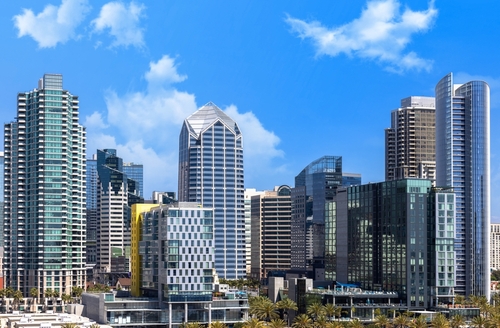
San Diego, California, USA

Often cited as having one of the best climates in the United States, San Diego boasts mild, sunny weather for most of the year. With average temperatures ranging from 57°F (14°C) in the winter to 72°F (22°C) in the summer, it’s a paradise for those who love the outdoors. The Pacific Ocean helps moderate the temperatures, preventing them from getting too hot or too cold. This makes it an ideal spot for anyone looking to escape harsh weather conditions.

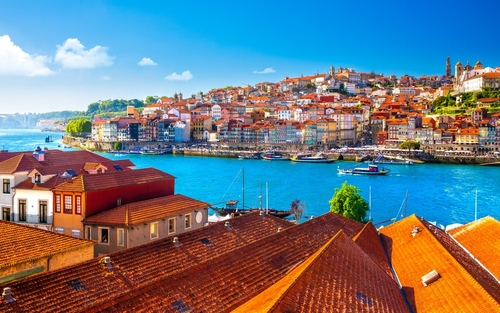
Lisbon, Portugal

As one of Europe’s sunniest capitals, Lisbon enjoys a warm, temperate climate influenced by the Atlantic Ocean. Winters are mild and rainy, with average temperatures around 53°F (12°C), while summers are warm and sunny, averaging 74°F (23°C). The constant coastal breeze keeps the summer heat from becoming overwhelming, creating a pleasant environment for exploring the city’s historic streets and beautiful coastline.

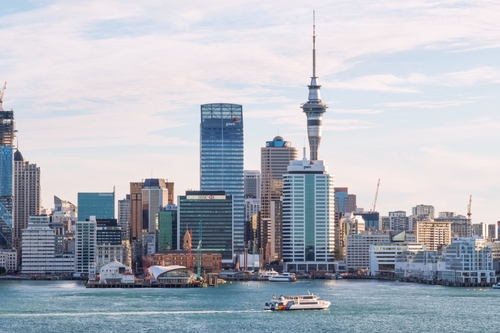
Auckland, New Zealand

Auckland’s climate is classified as oceanic, meaning it has warm, humid summers and mild, damp winters. Summer temperatures average around 68°F (20°C), while winter temperatures hover around 53°F (12°C). Located between two harbors, the city receives plenty of sunshine and is known for its lush, green landscapes, which thrive in the mild, moist conditions. It’s a great choice for those who enjoy greenery and don’t mind a bit of rain.

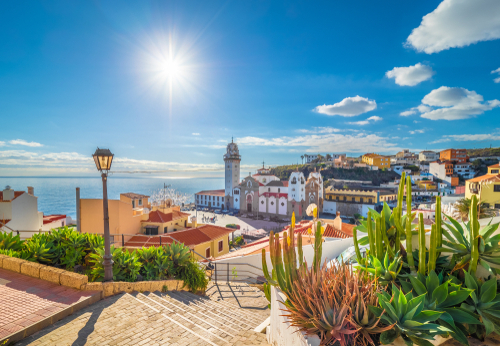
The Canary Islands, Spain

Located off the coast of northwestern Africa, the Canary Islands are often called the “Islands of Eternal Spring.” Cities like Las Palmas on Gran Canaria and Santa Cruz on Tenerife experience incredibly stable and mild weather all year. Average temperatures consistently stay between 64°F (18°C) and 75°F (24°C). This subtropical climate makes the islands a popular destination for tourists and expatriates seeking sunshine and warmth without extreme heat.

Sydney, Australia

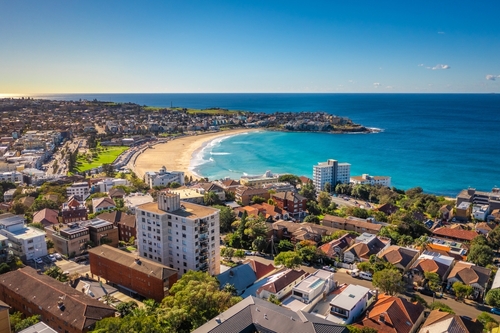
Sydney enjoys a sunny, temperate climate with mild winters and warm summers. The average summer temperature is around 73°F (23°C), perfect for visiting its famous beaches. Winters are cool but not cold, with temperatures averaging about 55°F (13°C). The city’s coastal location ensures that it avoids temperature extremes, offering a comfortable climate for its residents year-round.

Medellín, Colombia

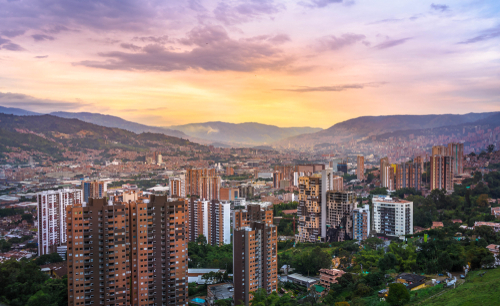
Known as the “City of Eternal Spring,” Medellín is situated in a valley in the Andes Mountains. Its high altitude gives it a consistent, spring-like climate throughout the year. Average daily temperatures are typically around 72°F (22°C), with very little variation between seasons. This makes Medellín an attractive destination for those seeking a perpetually pleasant environment without the typical seasonal changes.

Kunming, China

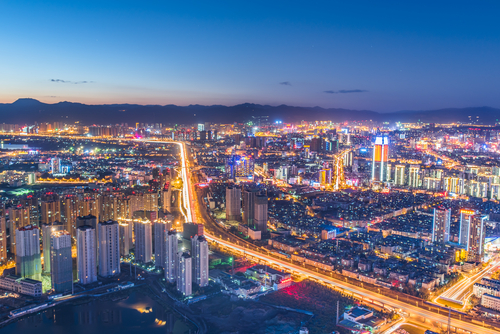
Another city nicknamed the “City of Eternal Spring” is Kunming, the capital of Yunnan province in China. Its high elevation and location in the subtropics create a mild climate year-round. Temperatures average between 60°F (15°C) and 68°F (20°C) for most of the year. The city is known for its beautiful flowers that bloom all year, a testament to its gentle weather.

FAQ: Living in a Temperate Climate

What are the main benefits of living in a temperate climate?

Living in a temperate climate offers several advantages. It often leads to a more active, outdoor lifestyle, which can improve physical and mental health. You’ll also save on energy bills, as you won’t need constant heating in the winter or air conditioning in the summer. Finally, the lack of extreme weather reduces the risk of weather-related disruptions or disasters.

Are there any downsides to temperate climates?

While very pleasant, some people might find temperate climates to be monotonous, missing the distinct four seasons. Some temperate regions, particularly those with oceanic climates, can experience a lot of cloudy days and rainfall, which may not appeal to everyone.

How does climate affect the cost of living?

Cities with desirable, temperate climates often have a higher cost of living due to high demand. Real estate, in particular, can be more expensive. However, you might save money in other areas, such as lower utility bills and reduced need for specialized seasonal clothing.

Which of the World’s Most Temperate Cities Are Also Among the Coldest Cities Where People Live?

Among the world’s most temperate cities, some also rank as the coldest cities on earth with residents. These unique locations offer a balance of mild sunshine and chilly winters, creating a vibrant community atmosphere despite the frigid temperatures. Discovering these cities reveals a fascinating blend of climate and culture.

Find Your Perfect Place

Choosing a place to live is a significant decision, and climate plays a vital role in our quality of life. Cities with temperate weather offer a comfortable and stable environment, allowing residents to enjoy the outdoors and live a more consistent lifestyle. Whether you prefer the sunny shores of San Diego or the eternal spring of Medellín, there is a temperate city out there that can feel like home.

If you are considering moving to one of these beautiful cities, Remitly can help you send money to your loved ones back home securely and with peace of mind. We provide a simple, transparent, and reliable service for your international money transfer needs.

Summer temperatures across America continue to climb year after year. If you’re planning a move, vacation, or simply curious about extreme heat in the U.S., understanding which cities experience the most intense temperatures can help you prepare.

This guide examines the hottest cities in America based on average summer temperatures, record highs, and overall climate patterns. You’ll discover which metropolitan areas consistently rank among the most scorching destinations and what makes their climates so extreme.

Whether you’re considering relocating to a warm climate or want to avoid excessive heat, this comprehensive look at America’s hottest cities provides the essential information you need to make informed decisions.

Understanding Heat Measurements

When determining the hottest cities, meteorologists consider several key factors beyond simple temperature readings.

  • Average summer temperatures provide the most reliable indicator of sustained heat. These figures represent typical daily highs during June, July, and August—the peak summer months in most U.S. regions.
  • Heat index values combine air temperature with relative humidity to show how hot conditions actually feel to the human body. High humidity makes temperatures feel significantly hotter than the actual thermometer reading.
  • Record high temperatures demonstrate the extreme heat potential in specific locations, though these represent unusual weather events rather than typical conditions.
  • Number of days above specific thresholds (like 100°F or 110°F) shows how consistently hot a city remains throughout the year.

The Southwest Dominates America’s Heat Rankings

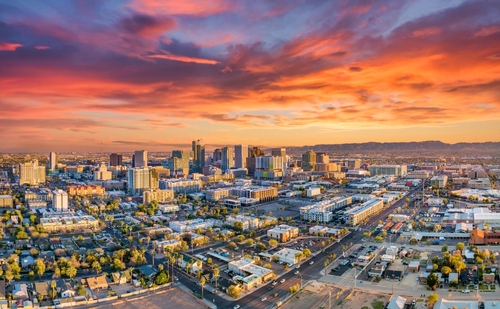
Phoenix, Arizona

Phoenix consistently ranks as America’s hottest major city. Summer temperatures regularly exceed 110°F, with the city experiencing over 100 days above 100°F annually.

The desert climate creates intense dry heat with minimal cloud cover. Concrete and asphalt throughout the metropolitan area absorb and radiate additional heat, creating an urban heat island effect that pushes temperatures even higher.

Phoenix recorded its highest temperature of 122°F in June 1990, though summers routinely bring multiple days above 115°F.

Las Vegas, Nevada

Las Vegas ranks second among America’s hottest cities, with summer averages reaching 104°F. The Mojave Desert location ensures minimal rainfall and abundant sunshine year-round.

The famous Las Vegas Strip experiences additional heating due to extensive concrete surfaces and large buildings that trap and reflect heat. Night temperatures often remain above 80°F during summer months.

Despite the extreme heat, Las Vegas attracts millions of visitors annually, with most indoor spaces maintaining comfortable air conditioning.

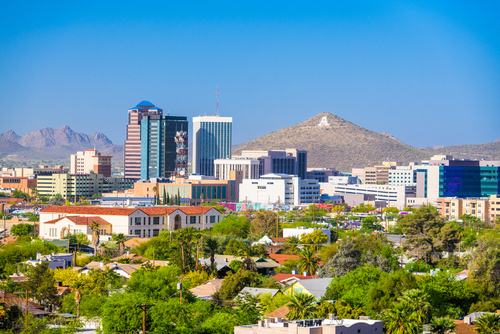
Tucson, Arizona

Tucson’s desert location produces scorching summer temperatures averaging 101°F. The city experiences slightly more rainfall than Phoenix, creating occasional humidity spikes that make conditions feel even hotter.

Surrounding mountain ranges trap hot air in the valley, preventing cooling breezes from providing relief. Summer monsoon seasons bring brief but intense thunderstorms that increase humidity levels.

California’s Desert Cities

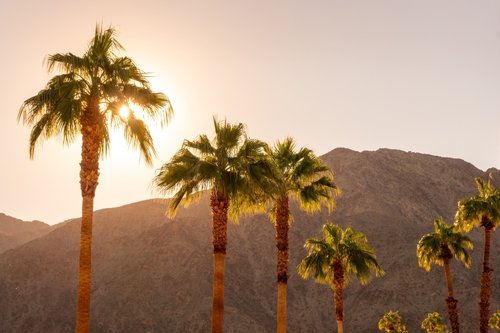
Palm Springs, California

This desert resort city experiences average summer temperatures of 100°F, with many days reaching 110°F or higher. The Coachella Valley location creates a natural heat trap surrounded by mountains.

Palm Springs has recorded temperatures as high as 123°F, making it one of the hottest spots in California. The dry desert air allows temperatures to drop significantly at night, providing some relief from daytime heat.

Fresno, California

Fresno’s Central Valley location creates a continental climate with extremely hot, dry summers. Average July temperatures reach 98°F, with many days exceeding 100°F.

The flat valley geography prevents hot air from dissipating, while surrounding mountain ranges block cooling ocean breezes. Agricultural irrigation in the region adds humidity that increases the heat index.

Texas Heat Extremes

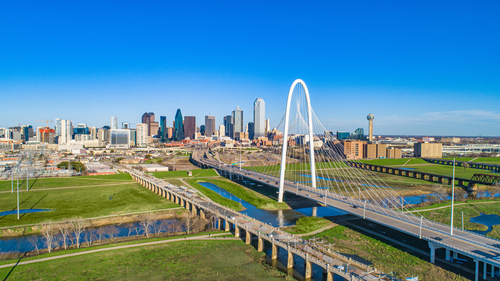
Dallas-Fort Worth, Texas

The Dallas-Fort Worth metropolitan area experiences average summer temperatures of 96°F, with frequent days above 100°F. High humidity levels from the Gulf of Mexico make conditions feel significantly hotter.

Urban development across the sprawling metroplex creates substantial heat island effects. Concrete surfaces and limited green space contribute to elevated temperatures compared to surrounding rural areas.

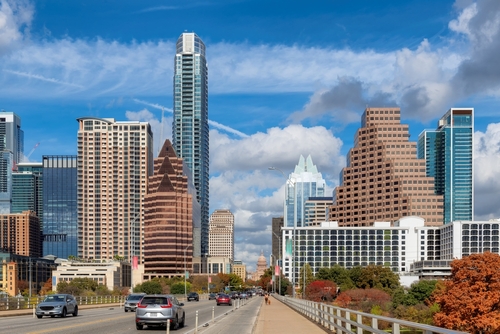
Austin, Texas

Austin’s location in central Texas produces hot, humid summers with average temperatures reaching 95°F. The combination of heat and moisture creates oppressive conditions during peak summer months.

Lake Travis and other nearby water bodies provide minimal cooling relief, as warm water temperatures add humidity rather than reducing air temperatures.

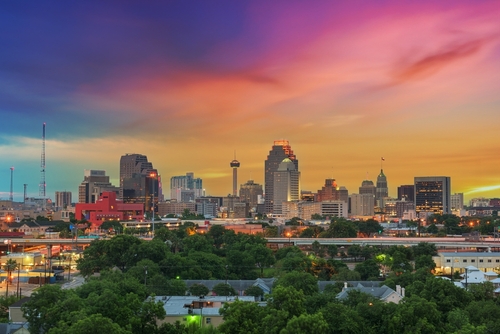
San Antonio, Texas

San Antonio experiences average summer temperatures of 94°F, though heat index values often exceed 105°F due to high humidity levels. The city’s location between desert and coastal regions creates unique climate challenges.

Historic downtown areas with narrow streets and older buildings can trap heat, creating localized hot spots throughout the metropolitan area.

Florida’s Humid Heat

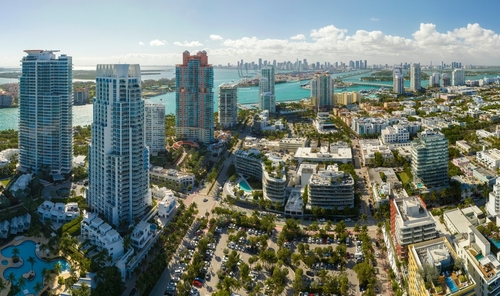
Miami, Florida

Miami’s tropical climate produces consistent heat year-round, with summer averages reaching 89°F. However, extreme humidity makes conditions feel much hotter, with heat index values regularly exceeding 100°F.

The combination of warm ocean water and minimal elevation change prevents significant temperature variation. Afternoon thunderstorms provide brief cooling but add substantial moisture to the air.

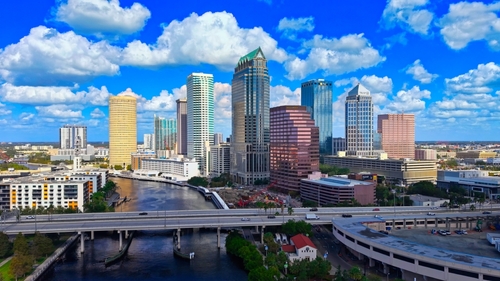
Tampa, Florida

Tampa experiences similar conditions to Miami, with average summer temperatures of 90°F and oppressive humidity levels. The Gulf Coast location ensures warm water temperatures that maintain high atmospheric moisture.

Sea breezes provide minimal relief during the hottest part of the day, as the surrounding water remains warm throughout summer months.

Preparing for Extreme Heat

Living in or visiting America’s hottest cities requires specific preparation and awareness.

Hydration becomes critical in extreme heat conditions. Drink water regularly, even when you don’t feel thirsty. Avoid alcohol and caffeine, which can contribute to dehydration.

Timing outdoor activities for early morning or late evening hours helps avoid peak heat periods. Many desert cities remain comfortable for outdoor recreation during winter months.

Air conditioning costs represent a significant expense in the hottest cities. Budget for higher electricity bills during summer months, especially in desert locations where cooling systems run continuously.

Heat-related health risks increase substantially in temperatures above 100°F. Watch for signs of heat exhaustion, including dizziness, nausea, and excessive sweating.

Climate Change Impact on Urban Heat

Rising global temperatures are making America’s hottest cities even more extreme. Urban heat island effects amplify temperature increases, creating dangerous conditions for vulnerable populations. Many cities are implementing cooling strategies like increased tree planting, reflective building materials, and expanded air conditioning access in public spaces.

Heat emergency protocols now activate earlier and more frequently across the Southwest, with cooling centers opening to protect residents without adequate air conditioning.

Making Informed Location Decisions

Understanding extreme heat patterns helps you make better choices about where to live, work, or visit. Consider your heat tolerance, health conditions, and lifestyle preferences when evaluating these destinations. Many people successfully live in America’s hottest cities by adapting their daily routines and taking appropriate precautions. Others find the intense heat uncomfortable and prefer more moderate climates.

Research specific neighborhoods within hot cities, as microclimates can vary significantly based on elevation, vegetation, and urban development patterns. Your comfort and safety in extreme heat depend on preparation, awareness, and realistic expectations about temperature conditions throughout the year.

Are Temperate Cities a Safe Refuge from the Hottest Cities in the U.S.?

Temperate cities offer a unique refuge from the sweltering heat of the hottest cities in the U.S. With their mild climates, these urban areas draw residents seeking comfort and outdoor activities year-round. Exploring temperate city highlights reveals lush parks, vibrant cultural scenes, and a generally more pleasant living environment compared to their hotter counterparts.

Frequently Asked Questions

Which U.S. city has the highest recorded temperature?

Death Valley, California holds the world record at 134°F, though it’s not technically a city. Among major metropolitan areas, Phoenix, Arizona has recorded temperatures as high as 122°F.

How do humidity levels affect perceived temperature?

Humidity prevents sweat from evaporating effectively, making your body feel hotter than the actual air temperature. A 95°F day with high humidity can feel like 110°F or higher.

Are desert cities actually hotter than humid cities?

Desert cities typically have higher air temperatures, but humid cities can feel hotter due to the heat index. Both present different challenges for heat management and comfort.

When is the best time to visit America’s hottest cities?

Winter months (November through March) offer the most comfortable conditions in desert cities, with temperatures often ranging from 60-80°F. Avoid summer visits unless you’re prepared for extreme heat.

How much do cooling costs increase in the hottest cities?

Electricity bills can double or triple during summer months in desert cities, with some households spending $300-500 monthly on air conditioning during peak heat periods.

The Farmer’s Almanac has been America’s trusted source for long-range weather predictions for over two centuries. As we approach fall 2025, millions of people rely on these forecasts to plan everything from harvest schedules to winter preparations. This comprehensive guide breaks down what the Farmer’s Almanac predicts for fall 2025, helping you prepare for the season ahead.

Understanding seasonal weather patterns helps families, farmers, and businesses make informed decisions about their activities and preparations. Whether you’re planning outdoor events, preparing your garden for winter, or deciding when to start heating your home, accurate seasonal forecasts provide valuable guidance.

The Farmer’s Almanac uses a unique methodology that combines solar science, meteorology, and climatology to create long-range predictions. Their fall 2025 forecast offers specific insights for different regions across North America, giving you the information needed to plan effectively for the months ahead.

Understanding the Farmer’s Almanac Methodology

The Farmer’s Almanac creates its forecasts using a time-tested formula that dates back to 1818. This approach differs significantly from standard meteorological forecasting methods used by government weather services.

The Science Behind Long-Range Predictions

The Almanac’s forecasting system relies heavily on solar activity patterns, including sunspot cycles and solar flares. These cosmic events influence Earth’s atmospheric conditions and can affect weather patterns months in advance. The formula also incorporates historical weather data, atmospheric pressure trends, and ocean temperature variations.

Meteorologists at the Almanac analyze these factors using mathematical calculations that remain largely proprietary. This blend of traditional observation and modern data analysis has produced accuracy rates that the publication claims exceed 80% over extended periods.

Regional Approach to Forecasting

Rather than providing broad national predictions, the Farmer’s Almanac divides North America into distinct climate zones. Each region receives specific forecasts based on local geographical features, historical weather patterns, and regional climate influences. This targeted approach allows for more precise predictions that account for mountain ranges, large bodies of water, and prevailing wind patterns.

Farmer’s Almanac Fall 2025: Regional Breakdown

The fall 2025 forecast reveals significant regional variations across the United States and Canada. These predictions help residents prepare for season-specific weather challenges and opportunities.

Northeast Region Forecast

The Northeast can expect a notably active fall season with temperature swings and increased precipitation. The Almanac predicts above-normal rainfall for most of September and early October, followed by a drier period in late October.

Temperature patterns suggest an extended warm period through mid-October, with the first frost arriving later than usual in many areas. This extended growing season benefits late-harvest crops but may delay traditional fall activities like leaf-peeping tourism.

November brings a sharp temperature drop with the possibility of early snowfall, particularly in northern New England and upstate New York. Residents should prepare for rapid seasonal transitions and potential weather-related travel disruptions.

Southeast Region Forecast

The Southeast faces a mixed fall forecast with hurricane activity remaining elevated through early October. The Almanac warns of potential tropical system impacts along the Gulf Coast and Atlantic seaboard during the traditional peak hurricane season.

Temperatures across the region will likely remain above average through October, with the first significant cool-downs not arriving until November. This pattern extends the growing season for warm-weather crops but may increase cooling costs for homeowners.

Rainfall patterns show considerable variation, with some areas experiencing drought conditions while others face flooding risks from tropical moisture. Agricultural planning requires careful attention to local conditions and water management strategies.

Midwest Region Forecast

The Midwest can anticipate a relatively mild transition into fall, with temperatures staying above average through September and early October. This pattern benefits late-season crop development and extends outdoor activity seasons.

Precipitation patterns suggest normal to slightly below-normal rainfall for most of the region. However, the Almanac notes potential for severe weather events, including late-season tornadoes and damaging wind storms during September and October.

The first killing frost will likely arrive on schedule or slightly late across most Midwest states. Farmers should monitor local conditions closely as harvest timing becomes critical with potential weather system developments.

Western Region Forecast

The West faces continued challenges with drought conditions, though some relief appears possible during fall 2025. The Pacific Northwest may experience earlier-than-normal rainfall, potentially helping reservoir levels and reducing fire risks.

California and the Southwest should expect continued warm, dry conditions through October, with minimal rainfall until late in the season. Fire danger remains elevated, requiring ongoing vigilance and preparation from residents and authorities.

Mountain regions across the West may see early snowfall, particularly in higher elevations. This could provide crucial water resources for the following year while creating challenges for late-season recreational activities.

Canada and Northern Border States

Canadian provinces and northern U.S. states should prepare for an earlier-than-normal winter onset. The Almanac predicts the first significant snowfall arriving in early to mid-October across much of this region.

Temperature patterns suggest a shorter fall season with rapid transitions from warm September conditions to winter-like weather by November. This compressed timeline requires accelerated seasonal preparations for both residential and agricultural sectors.

Energy costs may increase earlier than typical as heating demands begin sooner than average. Residents should consider early winterization activities and heating system maintenance to ensure readiness for the season ahead.

Preparing for Fall 2025 Weather

Effective seasonal preparation requires understanding both general patterns and specific regional challenges. The Farmer’s Almanac forecast provides the foundation for making informed decisions about fall activities and preparations.

Home and Property Preparation

Homeowners should begin fall preparations earlier than usual, particularly in regions expecting rapid seasonal transitions. This includes cleaning gutters, servicing heating systems, and preparing outdoor equipment for storage.

Landscaping activities should account for regional variations in first frost dates. Areas with extended warm periods allow for continued planting and maintenance, while regions expecting early cold snaps require accelerated winterization efforts.

Energy efficiency improvements become particularly important given predicted temperature variations. Sealing air leaks, adding insulation, and programmable thermostat installation can help manage heating costs during unpredictable weather patterns.

Agricultural Planning Considerations

Farmers must adapt harvesting schedules based on regional forecast variations. Areas with extended growing seasons may benefit from delayed harvest timing, while regions expecting early frost require accelerated crop protection measures.

Livestock preparations should account for regional temperature and precipitation patterns. Additional shelter, feed storage, and water system winterization may be necessary earlier than typical in some areas.

Soil preparation for spring planting can extend later into the season in regions with mild fall forecasts. However, areas expecting early winter conditions should complete field work earlier to avoid weather-related delays.

Frequently Asked Questions About Fall 2025 Weather

How accurate are Farmer’s Almanac long-range forecasts?

The Farmer’s Almanac claims accuracy rates of 80-85% for their seasonal forecasts. While their methodology differs from conventional meteorology, their track record over more than 200 years provides valuable historical perspective. However, all long-range forecasts should be considered guidance rather than certainty, and local conditions may vary significantly from regional predictions.

When should I start preparing for winter based on these forecasts?

Preparation timing depends on your specific region and the activities involved. Northern areas should begin winterization efforts by early September, while southern regions may have until October or November. The key is monitoring local conditions and starting preparations before the forecast’s predicted transition periods.

How do these predictions compare to government weather forecasts?

The Farmer’s Almanac uses different methodology than the National Weather Service and other government agencies. Government forecasts focus on shorter-term accuracy using satellite data and computer models, while the Almanac emphasizes long-range patterns using solar science and historical analysis. Both approaches provide valuable but different types of information for planning purposes.

What should farmers do if the forecast doesn’t match local conditions?

Local observations always take priority over regional forecasts. Farmers should use the Almanac predictions as general guidance while monitoring soil temperatures, local weather patterns, and crop development stages. Consulting with local agricultural extension services provides additional insights specific to immediate growing conditions.

How reliable are hurricane predictions in the fall forecast?

Hurricane forecasting remains challenging even for short-term predictions. The Almanac’s seasonal hurricane outlook provides general trends rather than specific storm predictions. Residents in hurricane-prone areas should follow official National Hurricane Center advisories and maintain standard hurricane preparedness regardless of seasonal forecasts.

How Might Double Ten Day Celebrations Be Affected by the Fall Weather Forecast for 2025?

The fall weather forecast for 2025 could significantly impact the double ten celebration. If rain or chill sets in, outdoor events may face cancellations, shifting activities indoors. Organizers might need to adapt their plans, ensuring festivities remain vibrant despite the elements, keeping the spirit of the double ten celebration alive.

Planning Your Fall Season Successfully

The Farmer’s Almanac Fall Forecast 2025 provides valuable insights for planning the months ahead. Regional variations require tailored approaches to preparation and activity scheduling.

Start your seasonal preparations early, particularly if you live in areas expecting rapid weather transitions. Monitor local conditions closely as forecasts provide general trends rather than specific daily predictions. Consider both immediate needs and longer-term planning as you interpret these seasonal outlooks.

Remember that successful seasonal planning combines forecast information with local knowledge and flexible preparation strategies. Use the Farmer’s Almanac predictions as one tool among many for making informed decisions about your fall activities and winter preparations.

On November 18, 1918, the people of Latvia declared their independence, establishing a sovereign nation. This pivotal event, known as Proclamation Day, is celebrated annually as one of the country’s most important national holidays. If you’re planning to be in Latvia in November 2025, you have a unique opportunity to witness the nation come alive with pride, reflection, and celebration.

This guide will walk you through the history and significance of Latvia Proclamation Day. We’ll explore the traditions and events that mark this special occasion, helping you understand how Latvians honor their journey to freedom.

A Brief History of Proclamation Day

To fully appreciate the celebrations of November 18, it’s helpful to understand Latvia’s path to sovereignty. For centuries, the region was under the rule of various foreign powers, including Germany, Poland, Sweden, and Russia. By the early 20th century, a strong sense of national identity had emerged among the Latvian people.

The turmoil of World War I created an opportunity. As the Russian and German Empires crumbled, Latvian political leaders seized the moment. On November 18, 1918, at what is now the National Theatre in Riga, the People’s Council of Latvia formally proclaimed the country’s independence. This declaration marked the birth of the Republic of Latvia.

However, independence was not immediately secured. The new nation had to defend its freedom in the Latvian War of Independence, which lasted until 1920. Proclamation Day celebrates not only the brave declaration of 1918 but also the struggle and sacrifice that followed to make it a reality. After decades of Soviet occupation in the 20th century, regaining independence in 1991 gave the holiday an even deeper layer of meaning.

How to Celebrate Latvia Proclamation Day in 2025

Proclamation Day is a public holiday in Latvia, filled with official ceremonies, public gatherings, and family traditions. If you’re in the country on November 18, you will find many ways to join in the spirit of the day.

Official Ceremonies and Parades

The heart of the official celebrations is in the capital city, Riga. The day typically begins with a flower-laying ceremony at the Freedom Monument, a powerful symbol of Latvia’s independence. This event is attended by the President and other high-ranking officials.

In the afternoon, one of the main highlights is the military parade, usually held along the waterfront of the Daugava River. Members of the Latvian National Armed Forces, along with allied troops, march in a display of national strength and international cooperation. Finding a spot along the parade route is a great way to experience the patriotic atmosphere.

The “Staro Rīga” Festival of Light

One of the most visually stunning traditions associated with Proclamation Day is the “Staro Rīga” (Shine Riga) Festival of Light. Although the festival often runs for several days surrounding the holiday, its installations are a focal point of the November 18 evening celebrations. Buildings, parks, and squares across Riga are transformed into works of art with innovative light and multimedia installations. Walking through the city becomes a magical experience, as each display tells a story related to Latvian culture, history, and values.

Concerts and Community Events

Music is central to Latvian culture, and Proclamation Day is filled with it. Churches and concert halls host special performances of classical and traditional Latvian music. Many of these concerts are free and open to the public, offering a chance to hear the powerful sounds of Latvian choirs and orchestras. Across the country, smaller towns and municipalities organize their own local events, from solemn gatherings to festive concerts, ensuring everyone can participate.

Personal and Family Traditions

For many Latvians, Proclamation Day is also a time for personal reflection and family. People often light candles in their windows or at memorials, a simple yet moving tribute to those who fought for the nation’s freedom. It is also common to see people wearing red and white ribbons pinned to their coats, representing the colors of the Latvian flag. Many families gather for a celebratory meal, sharing traditional Latvian dishes and spending time together.

The Grand Finale: Fireworks Over Riga

The day’s events culminate in a spectacular fireworks display over the Daugava River in Riga. As darkness falls, thousands of people gather on the riverbanks to watch the sky light up in a synchronized show of color and light. The fireworks, often set to music, are a joyful and unifying conclusion to a day of national pride and remembrance. It’s a powerful moment that brings together people of all ages to celebrate their shared identity.

What Are the Key Differences Between Latvia Proclamation Day and Spain’s National Day in 2025?

Latvia Proclamation Day commemorates the declaration of independence in 1918, celebrated with patriotic events, parades, and cultural performances. In contrast, Spain’s National Day focuses on national unity and heritage. For those interested, spain’s national day celebration details for 2025 will showcase military parades and vibrant festivities across the country.

Celebrate with the Latvian People

Latvia Proclamation Day in 2025 offers a chance to see a nation united in celebration of its history, culture, and independence. It is a day of both solemn remembrance and joyful festivities. From the official parades in Riga to the quiet candlelit tributes in homes across the country, every tradition is a testament to the enduring spirit of the Latvian people. Participating in these events provides a deep and meaningful insight into the heart of Latvia.

Key Highlights

Perched atop a mountain in southern Germany, Hohenzollern Castle is a true fairy tale fortress. This iconic landmark is a must-see for any traveler. Here’s a glimpse of what makes it so special:

  • It serves as the ancestral seat of the imperial House of Hohenzollern.
  • The current structure is the third castle built on this site, envisioned by King Frederick William IV of Prussia.
  • The castle showcases breathtaking Gothic Revival architecture and lavish interiors.
  • It houses priceless artifacts from Prussian history, including royal crowns and personal items of kings.
  • The Hohenzollern family still privately owns the castle today.

Origins and Historical Significance of Hohenzollern Castle

The story of Hohenzollern Castle begins in the 11th century, making it a place of deep historical importance. Originally built by the Counts of Zollern, it became the ancestral seat of the powerful Hohenzollern family. This dynasty would go on to produce the kings of Prussia and, eventually, German emperors, tying the castle directly to the rich history of Prussia and the German Empire.

Though the current castle is more of a 19th-century romantic vision, its foundations are steeped in centuries of European history. It stands as a physical monument to the Hohenzollern dynasty’s rise from regional counts to one of the most influential royal families in Europe. The castle’s long and storied past offers a fascinating window into the region’s medieval origins and dynastic power struggles. You can explore this history through its construction, key events, and the family members who shaped it.

The Foundation and Early Construction

The very first castle on this mountain peak was constructed in the early 11th century. While its exact origins are shrouded in history, it was built by the Counts of Zollern, a wealthy and important noble family. The name “Zoller” likely derives from “mons solarius,” or “mountain of the sun,” possibly a place of worship for the Romans who once lived in the area. This original castle was praised in contemporary sources as the “crown of all castles in Swabia.”

Over time, the family name evolved. In the 14th century, the counts began calling themselves “Hohenzollern” to signify their high social and geographical status. This powerful family had deep roots in the Swabian region and played a significant role within the Holy Roman Empire. The original castle stood as a testament to the early influence of the Swabian Hohenzollerns.

The family eventually split into two main branches: the Swabian line and the Franconian line, which would later become the royal house of Prussia. However, the original castle remained the property of the Swabian Hohenzollerns, the senior branch of the dynasty, anchoring the family’s legacy to this specific mountain peak.

Key Events and Renovations Through the Centuries

The castle you see today is actually the third version built on the site, with each iteration shaped by key events in German history. The first castle was completely destroyed in 1423 after a long siege. A second castle, larger and more fortified, was built between 1454 and 1461. This structure served as a refuge for the Catholic Swabian Hohenzollerns, especially during the Thirty Years’ War.

However, by the beginning of the 19th century, the second castle had lost its strategic importance and fallen into ruin. Most of the buildings were demolished, leaving only the Chapel of St. Michael standing. The site remained a ruin until a prominent family member took a renewed interest in his ancestral home.

The current version of the castle was the passion project of King Frederick William IV of Prussia. After visiting the mountain in 1819, he held onto a “beautiful dream” of making Hohenzollern Castle habitable again. Construction on this magnificent family memorial began in 1850, resulting in the romantic, Gothic Revival masterpiece that stands today.

Architectural Marvels and Design Features

Hohenzollern Castle is a true architectural marvel, designed to look like an idealized medieval knight’s castle. Architect Friedrich August Stüler was inspired by English Gothic Revival style and the châteaux of the Loire Valley. The result is a stunning blend of imposing military architecture and romantic palatial design, creating an unforgettable silhouette against the sky. The current castle is a monument to German Romanticism and the history of Prussia.

As you explore, you’ll encounter everything from formidable exterior fortifications to incredibly lavish interiors. The castle’s many towers, pinnacles, and intricate details are a feast for the eyes. Let’s take a closer look at the impressive exterior defenses and the opulent rooms hidden within.

Exterior Fortifications and Towers

The castle’s design as a fortress is immediately apparent from its impressive exterior fortifications. Your journey begins at the Eagle Gate (Adlertor), complete with a drawbridge that sets a dramatic medieval tone. From there, you’ll navigate a winding path designed for defense, which turns four times before reaching the main bastions. This path was engineered to make any assault on Burg Hohenzollern incredibly difficult.

The palace itself is guarded by several prominent towers, each aligned with a specific bastion and adding to the castle’s formidable appearance. These towers are not just for show; they are integral to the fortress’s defensive structure while offering spectacular views of the surrounding countryside. The main towers include:

  • The Emperor’s Tower
  • The Bishop’s Tower
  • The Markgraf Tower
  • The Michael’s Tower

Finally, attached to the main residential building is the Watch Tower (Wartturm). This tower serves a dual purpose: it houses a staircase to the library and acts as the flagpole, where the Prussian flag is flown whenever the head of the family, Georg Friedrich Prince of Prussia, is in residence.

Lavish Interiors and Decorative Details

While the exterior is a formidable fortress, the lavish interiors reveal a world of royal splendor and intricate decorative details. After ascending a grand staircase, you enter the Count’s Hall, a magnificent room with rib vaulting supported by eight red marble columns. The walls are adorned with murals depicting the history of the House of Hohenzollern, offering a visual journey through the family’s lineage.

Beneath the Count’s Hall lies the old castle kitchen, which has been converted into a treasure chamber. This is where some of the most valuable artifacts are kept, providing a glimpse into the immense wealth and power of the Prussian monarchy. The library is another highlight, featuring beautiful murals that continue the story of the Hohenzollern dynasty.

The castle’s rooms and collections contain significant historical items. You can expect to find:

  • Priceless artifacts belonging to Kaiser Wilhelm II.
  • The former Crown of Wilhelm II, a centerpiece of Prussian history.
  • Personal effects of Crown Prince Wilhelm, who briefly lived at the castle after World War II.

What to See and Do at Hohenzollern Castle

A visit to Hohenzollern Castle is packed with things to see and do for every type of traveler. You can join guided tours to uncover the stories behind the castle’s walls, wander through stunning exhibits, and explore its most famous rooms at your own pace. The castle is not just a static museum; it’s a living piece of history with a vibrant atmosphere.

Beyond the historical rooms, the castle hosts a variety of seasonal festivals and offers numerous family-friendly activities throughout the year. Whether you’re interested in the deep history of the Prussian royals or looking for a fun day out with the kids, you’ll find something to enjoy. Let’s explore the must-visit rooms and the exciting events you can experience.

Must-Visit Rooms and Exhibits

Your visit isn’t complete without exploring the must-visit rooms and exhibits that bring the history of the Hohenzollern royal family to life. The castle acts as a museum for the dynasty, filled with priceless objects moved here from other family collections starting in 1952.

The Treasure Chamber (Schatzkammer) is arguably the most dazzling highlight. Here, you can get an up-close look at artifacts that symbolize Prussian power and prestige. One of the most famous pieces is the crown once worn by the Prussian kings. The collection also contains personal belongings that offer an intimate look into royal life.

Don’t miss these key items during your tour:

  • The Crown of Wilhelm II, the last German Emperor.
  • A uniform that belonged to the famous Prussian King Frederick the Great.
  • Personal effects of Crown Prince Wilhelm.
  • A letter from U.S. President George Washington to a Hohenzollern family relative. The castle provides an experience distinct from its counterpart, Sigmaringen Castle, focusing heavily on the Prussian line of the family.

Seasonal Festivals, Tours, and Family-Friendly Activities

Hohenzollern Castle is a fantastic destination for visitors of all ages, offering a range of family-friendly activities and seasonal festivals throughout the year. These events transform the historic grounds into a lively hub of entertainment, making it more than just a museum. The castle’s enchanting atmosphere truly makes it feel like a fairy tale fortress, especially during special events like its famous Christmas market.

The castle is particularly welcoming to young people. Since 1952, the Princess Kira of Prussia Foundation has hosted an annual summer camp here, giving children from socially disadvantaged backgrounds a chance to enjoy a carefree holiday. This tradition highlights the castle’s ongoing role as a place for community and joy.

When planning your visit, be sure to check the official calendar for:

  • Guided tours tailored to different interests.
  • Seasonal markets and festivals.
  • Special events that make the current castle a vibrant cultural venue. With so much to do, it’s an ideal spot for a memorable family outing.

Is Oktoberfest a Good Time to Visit Hohenzollern Castle?

Visiting Hohenzollern Castle during Oktoberfest offers a unique cultural blend. While the castle showcases stunning architecture and scenic views, the festive atmosphere of Munich beckons travelers to explore the oktoberfest experience. Enjoy traditional Bavarian cuisine and lively music, making for an unforgettable trip that combines history with celebration.

Frequently Asked Questions

How do I get to Hohenzollern Castle from major German cities?

Located in southern Germany, Hohenzollern Castle is situated about 31 miles south of Stuttgart, near the town of Hechingen. The most convenient way to get there is by car, and there are several parking lots at the base of the mountain. From there, a shuttle bus or a steep, scenic walk will take you up to the castle entrance.

What are the visiting hours, ticket prices, and photography rules?

Visiting hours and ticket prices can vary depending on the season and any special events being held. Photography rules may also apply, with restrictions often in place inside the showrooms to protect the historic artifacts. For the most current information on entry fees and opening times, it is best to check the official Hohenzollern Castle website before your visit.

What amenities and facilities are available for visitors?

The castle is well-equipped with amenities to ensure a comfortable visit. Facilities include on-site restaurants and cafes where you can relax and enjoy a meal with a stunning view. Ample parking lots are available at the foot of the mountain, and the site offers family-friendly services to accommodate visitors with children.

September 21st marks International Day of Peace, a global observance that brings people together to promote harmony and understanding across communities worldwide. Established by the United Nations in 1981, this day serves as a powerful reminder that peace is achievable when we work together across cultural and geographic boundaries.

For millions of families living apart due to migration, work, or other circumstances, International Day of Peace holds special meaning. It represents hope for connection, understanding, and the ability to support loved ones regardless of distance. Supporting family members financially across borders becomes an act of peace itself—strengthening bonds and providing stability during uncertain times.

This year’s observance comes at a time when global cooperation feels more important than ever. Communities worldwide are finding new ways to connect, support each other, and build lasting relationships that transcend borders.

What Is International Day of Peace?

The United Nations established International Day of Peace to encourage all nations and peoples to honor a cessation of hostilities and commemorate peace through education and public awareness. Each year, the UN selects a specific theme to guide global observances and activities.

The day officially begins when the Peace Bell rings at UN Headquarters in New York. This bell, cast from coins donated by children from all continents, symbolizes the universal desire for peace and the collective effort required to achieve it.

Organizations, schools, and communities around the world participate by hosting events, educational programs, and moments of silence. These activities help spread awareness about peace-building efforts and encourage individual action toward creating a more harmonious world.

How Different Cultures Celebrate Peace

Peace celebrations vary significantly across different cultures and regions, reflecting unique traditions and values while sharing common goals of unity and understanding.

Asia-Pacific Region

Many countries in Asia incorporate traditional ceremonies and cultural practices into their peace celebrations. Buddhist communities often organize meditation sessions and prayer ceremonies, while schools host cultural exchange programs that highlight shared values across different ethnic groups.

In the Philippines, communities organize peace walks and interfaith dialogues that bring together different religious groups. These events emphasize the importance of understanding and cooperation in building stronger communities.

Africa

African nations frequently combine traditional storytelling with modern peace education initiatives. Community elders share stories about conflict resolution and traditional methods of maintaining harmony, while younger generations learn about contemporary peace-building techniques.

South Africa’s approach often includes commemorations that reflect on the country’s journey toward reconciliation, with events that celebrate diversity and the ongoing work of building an inclusive society.

Europe

European celebrations often focus on historical reconciliation and the importance of international cooperation. Many events highlight the European Union’s role in maintaining peace among formerly warring nations, serving as an example of how former enemies can become close allies.

Educational institutions across Europe organize student exchanges and cultural programs that help young people understand different perspectives and build lasting friendships across national boundaries.

Americas

Throughout North and South America, communities organize festivals that celebrate cultural diversity while promoting messages of peace and understanding. These events often feature music, art, and food from different cultures, creating opportunities for meaningful cross-cultural connections.

Many cities host peace concerts or art installations that invite community participation and reflection on the importance of peaceful coexistence.

Supporting Family Across Borders: A Personal Act of Peace

For families separated by distance, sending financial support represents a tangible way to promote peace and stability. When parents can support children studying abroad, or when adult children can help elderly parents access healthcare, these actions create stronger, more resilient family bonds.

International money transfers serve as lifelines for millions of families worldwide. Whether it’s helping with emergency expenses, supporting education costs, or contributing to daily living expenses, these financial connections strengthen family relationships and provide security.

The process of sending money internationally has become increasingly accessible and transparent. Modern money transfer services offer clear pricing, reliable delivery times, and secure transactions that give senders confidence their support will reach its intended destination safely.

Building Economic Peace

Financial stability within families contributes to broader community peace. When families have access to resources and support systems, they can better weather economic challenges and contribute positively to their communities.

Regular financial support helps create predictable income streams for recipients, enabling better planning and reducing financial stress. This stability allows families to focus on education, healthcare, and other investments that improve long-term outcomes.

Communities with strong family support networks tend to be more resilient during difficult times, creating a foundation for lasting peace and prosperity.

Taking Action for Peace in Your Daily Life

International Day of Peace encourages individual action alongside global observance. Small daily choices can contribute to a more peaceful world, starting with how we interact with our immediate communities and extending to how we support family members and others around the world.

Strengthening Family Connections

Regular communication with family members, regardless of distance, helps maintain strong relationships that can weather challenging times. This might involve scheduled video calls, sharing photos and updates, or planning visits when possible.

Financial support, when possible and appropriate, demonstrates care and provides practical assistance that strengthens family bonds. Knowing that support is available during emergencies or challenging times provides peace of mind for both senders and recipients.

Community Engagement

Participating in local peace-building activities helps create stronger, more cohesive communities. This might involve volunteering with organizations that support refugees or immigrants, participating in interfaith dialogues, or supporting local businesses owned by people from different cultural backgrounds.

Educational opportunities that help us understand different cultures and perspectives contribute to better relationships within diverse communities. Libraries, community centers, and educational institutions often offer programs that promote cross-cultural understanding.

Practicing Daily Kindness

Simple acts of kindness and understanding in daily interactions contribute to a more peaceful environment. This includes being patient with service workers, helping neighbors when possible, and approaching disagreements with curiosity rather than judgment.

These small actions create ripple effects that extend beyond immediate interactions, contributing to a more positive and peaceful community atmosphere.

Frequently Asked Questions

When is International Day of Peace celebrated?

International Day of Peace is observed annually on September 21st. The United Nations designated this date in 1981, and it has been celebrated worldwide ever since.

How can I participate in International Day of Peace activities?

You can participate by joining local events, organizing community activities, sharing peace messages on social media, or simply taking time to reflect on how you can contribute to peace in your daily life. Many communities organize peace walks, meditation sessions, or educational programs.

What is the theme for International Day of Peace 2025?

The United Nations selects a new theme each year to guide global observances. Check the official UN website closer to September 2025 for the specific theme and suggested activities.

How does supporting family financially relate to peace?

Financial support helps create stability and security for families, reducing stress and strengthening relationships. When families have access to resources and support systems, they can better contribute to peaceful, thriving communities.

What are some simple ways to send money internationally?

Modern money transfer services offer convenient options for sending funds across borders. Look for services that provide transparent pricing, reliable delivery times, and secure transactions. Many services allow you to send money online or through mobile apps.

How Can International Day of Peace Initiatives Promote Knowledge Sharing on World Development Information Day?

International Day of Peace initiatives can serve as powerful platforms for world development knowledge sharing. By fostering dialogue among diverse global stakeholders, these events can highlight sustainable practices and innovative solutions. Collaborative discussions during this observance encourage the exchange of ideas, vital for advancing global development efforts and peaceful coexistence.

Creating Lasting Peace Through Connection

International Day of Peace reminds us that building a more peaceful world requires both global cooperation and individual action. The connections we maintain with family members, the support we provide to our communities, and the kindness we show in daily interactions all contribute to a more harmonious world.

For families separated by distance, maintaining strong relationships through communication and mutual support creates a foundation for personal peace that extends to broader communities. When families are stable and connected, they can better contribute to the peace and prosperity of their communities.

As we observe International Day of Peace 2025, consider how you can strengthen the connections that matter most to you while contributing to peace in your community. Whether through supporting family members, participating in local peace-building activities, or simply practicing daily kindness, your actions matter in creating a more peaceful world for everyone.

Each year on November 30th, the island nation of Barbados celebrates its independence from British rule. Known as Barbados Independence Day, this public holiday is filled with vibrant parades, cultural events, and a deep sense of national pride. It’s a day for Barbadians, both at home and abroad, to honor their history, culture, and achievements as a sovereign nation.

If you plan to be in Barbados for the 2025 celebrations, this guide will help you understand the significance of the day and how you can join in the festivities. We’ll cover the history of Barbados’s independence, common traditions, and what you can expect during this important national holiday.

A Brief History of Barbados Independence Day

To appreciate the celebrations, it’s helpful to understand the history behind them. Barbados was under British colonial rule for over 300 years, beginning when English settlers first arrived in 1627. Throughout its colonial history, the island’s economy was heavily reliant on sugar production, which was sustained by the labor of enslaved Africans.

The journey to sovereignty was a long and determined one. After the abolition of slavery in 1834, Barbados gradually moved toward greater political autonomy. A significant milestone was achieved in 1961 when the island was granted full internal self-government.

The final step came on November 30, 1966. On this day, Barbados peacefully gained its independence from the United Kingdom, becoming a sovereign state within the Commonwealth of Nations. Errol Walton Barrow, a key figure in the independence movement, became the nation’s first Prime Minister. November 30th was chosen to coincide with the birthday of St. Andrew, the patron saint of Barbados.

More recently, on November 30, 2021, Barbados transitioned to a parliamentary republic, replacing the British monarch with a Barbadian president as its head of state. This marked another important chapter in the nation’s journey of self-determination.

How is Barbados Independence Day Celebrated?

Barbados Independence Day is a cornerstone of the nation’s cultural identity. The entire month of November is filled with activities, but the celebrations culminate on the 30th with a range of official ceremonies and community events.

National Independence Day Parade

The main event is the National Independence Day Parade. Held at the Garrison Savannah, a historic horse racing track near the capital, Bridgetown, this ceremony is a display of national pride and military precision. Members of the Barbados Defence Force, the Royal Barbados Police Force, and other uniformed groups march in unison before government officials and the public. The parade is a formal and moving tribute to the nation’s sovereignty.

Cultural Festivities and Food

Across the island, communities host their own celebrations. You’ll find streets decorated in the national colors of ultramarine, gold, and black. The holiday is an excellent time to experience Bajan culture firsthand.

Food plays a major role in the festivities. Families and friends gather to share traditional Barbadian dishes. Some popular foods you might enjoy include:

  • Cou-cou and flying fish: The national dish of Barbados.
  • Pudding and souse: A Saturday Bajan delicacy often enjoyed during celebrations.
  • Fish cakes: A popular and delicious street food snack.

National Independence Festival of Creative Arts (NIFCA)

While the main parade is on November 30th, the celebrations are part of a wider series of events that take place throughout the month. The National Independence Festival of Creative Arts (NIFCA) showcases the best of Barbadian talent in music, dance, drama, and visual arts. The festival finals are a highlight of the independence season, celebrating the island’s rich artistic heritage.

What to Expect in 2025

Barbados Independence Day 2025 will be a time of immense national pride and celebration. As a visitor, you can expect a festive and welcoming atmosphere.

  • Public Holiday: November 30th is a public holiday, so most businesses, banks, and government offices will be closed. Plan accordingly and be sure to have any necessary cash or supplies on hand.
  • Decorations: Look for the national flag and decorations in blue and gold displayed prominently on buildings, homes, and even cars.
  • Events: While the official parade is a must-see, check local listings for smaller community events, concerts, and parties happening across the island’s 11 parishes.

Participating in the Independence Day celebrations is a wonderful way to connect with Barbadian culture and witness the island’s spirit.

How Does Barbados Independence Day Fit into the October National Days Celebrations Globally?

Barbados Independence Day, celebrated on November 30, adds a unique flair to the tapestry of october national days celebrated worldwide in 2025. This day honors the island’s sovereignty while aligning with festivities that recognize national pride across various countries, showcasing the rich diversity of global cultures during the month of October.

A Day of Unity and Pride

Barbados Independence Day is more than just a holiday; it’s a powerful expression of the nation’s journey and identity. It is a day for Barbadians everywhere to reflect on their history, celebrate their achievements, and look forward to the future with confidence.

Whether you’re watching the formal parade, enjoying local Bajan food, or simply soaking in the festive atmosphere, celebrating Independence Day in Barbados is an unforgettable experience. It offers a unique opportunity to see the heart and soul of this beautiful Caribbean nation.

All Souls Day holds deep meaning for millions of people worldwide, especially those who have moved far from home and want to stay connected to their cultural traditions. Whether you’re planning to observe this sacred day abroad or simply want to understand its significance, knowing the details can help you honor your loved ones no matter where you are.

All Souls Day 2025 falls on Sunday, November 2nd. This Catholic observance provides a dedicated time for remembering and praying for departed family members and friends. For many people living internationally, maintaining these spiritual connections becomes even more meaningful when distance separates them from their home communities.

Understanding the traditions, timing, and ways to participate can ensure you don’t miss this important day of remembrance.

What Is All Souls Day?

All Souls Day is a Catholic holy day dedicated to praying for the souls of the faithful departed. The church teaches that prayers and good works can help souls in purgatory reach heaven more quickly.

This observance stems from the belief that while some souls go directly to heaven after death, others may need purification before entering eternal rest. The prayers offered on All Souls Day provide spiritual assistance to these souls.

The tradition began in the early centuries of Christianity and was formally established by Saint Odilo of Cluny in 998 AD. He declared that all monasteries under his authority should dedicate November 2nd to prayers for the dead.

All Souls Day 2025 Date and Timing

All Souls Day always occurs on November 2nd, regardless of which day of the week it falls on. In 2025, this means Sunday, November 2nd.

The day follows All Saints Day (November 1st), creating what many Catholics call “the Days of the Dead” – a two-day period focused on remembering both the canonized saints and ordinary faithful who have passed away.

Unlike some moveable feast days in the Catholic calendar, All Souls Day maintains its fixed date each year. This consistency makes it easier for people to plan observances, especially when coordinating with family members across different time zones.

How All Souls Day Is Observed

All Souls Day traditions vary by culture and region, but several common practices unite Catholics worldwide.

Church Services and Masses

Special Masses are held throughout the day in Catholic churches. These services include prayers specifically for the deceased and often feature readings that emphasize hope in resurrection and eternal life.

Many churches offer multiple Masses to accommodate large congregations. Some parishes hold evening candlelight services that create a particularly solemn atmosphere for prayer and reflection.

Cemetery Visits

Families visit the graves of loved ones to pray, leave flowers, and maintain burial sites. This tradition strengthens the connection between the living and the departed.

In many cultures, entire families gather at cemeteries, turning these visits into community events where stories are shared and memories are honored.

Special Foods and Offerings

Different cultures prepare specific foods associated with All Souls Day. In Mexico, families prepare the favorite dishes of deceased relatives. In parts of Europe, special breads and sweets are baked and shared.

Some families set extra places at dinner tables or prepare meals that honored the preferences of departed family members.

Prayer and Meditation

Beyond formal church services, many people dedicate personal time to prayer and quiet remembrance. This might include reciting specific prayers for the dead, reading scripture, or simply spending time in peaceful reflection.

All Souls Day Around the World

While the core meaning remains consistent, All Souls Day observances reflect local customs and cultural traditions.

Mexico and Latin America

In Mexico, All Souls Day combines with indigenous traditions to create Día de los Muertos (Day of the Dead). Families build elaborate altars called ofrendas, decorated with marigolds, photographs, candles, and the favorite foods of deceased relatives.

This celebration emphasizes joy and continuation of relationships with the departed rather than mourning. Markets fill with sugar skulls, special breads, and decorative items.

Philippines

Filipino families gather for extensive cemetery visits that often last the entire day. They clean graves, offer prayers, and share meals together at burial sites. Many families treat this as a reunion opportunity.

The tradition includes lighting candles and bringing flowers, particularly sampaguita and chrysanthemums.

Poland and Eastern Europe

Polish families visit cemeteries carrying candles and flowers. The sight of thousands of flickering candles in graveyards creates a moving visual display that can be seen from great distances.

Special prayers called “Wypominki” list the names of deceased family members during church services.

Italy

Italian families often prepare special meals featuring the preferred foods of departed relatives. In some regions, people leave doors unlocked and tables set with food, believing that souls of the departed will return to visit.

Churches hold special blessings, and families exchange small gifts in memory of loved ones.

Observing All Souls Day While Living Abroad

Living away from home doesn’t mean missing this important observance. Here are practical ways to maintain the tradition:

Find Local Catholic Churches

Most countries with Catholic populations offer All Souls Day services. Contact parishes in your area to learn about special Masses and prayer services.

Many international churches serve diverse communities and may offer services in multiple languages.

Create Personal Observances

Set aside time for private prayer and reflection. Light candles, display photographs of departed loved ones, and prepare foods that honor their memory.

Consider creating a small altar or memory table in your home with meaningful items.

Connect with Family Virtually

Technology allows families to pray together across distances. Arrange video calls with relatives to share prayers, light candles simultaneously, or visit graves together virtually.

Share photographs and stories to maintain family connections and pass traditions to younger generations.

Join Community Groups

Many expatriate communities organize collective observances. Cultural centers, international clubs, and religious organizations often coordinate group activities.

These gatherings provide opportunities to share traditions with others who understand the importance of maintaining cultural practices while living abroad.

Planning Your All Souls Day 2025 Observance

Since All Souls Day 2025 falls on a Sunday, many churches will integrate special prayers into their regular Sunday services. However, additional evening Masses are common.

Contact your local parish well in advance to learn about special services and any preparation required. Some churches request advance registration for popular services.

If you plan to visit family graves, check cemetery hours and any special regulations for this busy day. Many cemeteries extend their hours and provide additional services during All Souls Day.

For those sending flowers or making arrangements from abroad, coordinate with local florists early. Many flower shops experience high demand during this period.

Understanding the Spiritual Significance

All Souls Day emphasizes the Catholic teaching about the “communion of saints” – the spiritual connection between all faithful people, whether living or deceased.

This concept provides comfort to those grieving losses and reinforces the belief that death doesn’t end relationships but transforms them. The day offers hope that prayers and good works can benefit departed loved ones.

For many people, especially those living far from home, All Souls Day becomes a way to maintain spiritual and emotional connections across time and distance. It provides structure for grief and a positive way to channel love for those who have died.

How Does “The Great Lock In” Influence Gen Z’s Perception of All Souls Day?

Understanding the great lock in trend has shifted Gen Z’s perception of All Souls Day. Amid pandemic restrictions, this generation has developed a deeper appreciation for connection and remembrance. The day now resonates more profoundly, as they seek to honor those lost while grappling with their newfound experiences of isolation and reflection.

Making All Souls Day Meaningful

The most important aspect of All Souls Day isn’t following specific rules but approaching the day with sincere intention to honor and remember departed loved ones.

Whether you attend elaborate church services or spend quiet moments in personal prayer, the spiritual benefit comes from the love and care you bring to the observance.

Consider this day as an opportunity to strengthen your faith community connections, especially if you’re living abroad. Participating in local traditions while maintaining your own cultural practices creates meaningful bridges between different aspects of your life.

All Souls Day 2025 provides a sacred space in our busy lives to pause, remember, and pray. No matter where you are in the world, this day offers the chance to honor those who shaped your life and continue to influence your spiritual journey.