English (US) – Page 20

How to Build Trust with Overseas Clients as a Freelancer

Learn how to earn long-term trust with international clients through clear communication, reliable delivery, and professional systems that work across borders.

English (US)

Working with clients across borders comes with a unique set of challenges. There are no handshakes, no coffee meetings, and no face-to-face check-ins to smooth things over. What often fills that gap? Trust — and a consistent effort to build it.

Overseas clients may feel they’re taking on additional risk when hiring a freelancer they’ve never met. They might be wiring money across currencies, sharing sensitive business information, and relying on someone they found online. Every interaction you have — from your first email to your final invoice — can either strengthen or weaken that trust.

The good news is that trust isn’t just a personality trait. It can be developed intentionally through strong communication habits, professional systems, and consistent behavior. This guide walks you through practical ways to approach that process, step by step.

Start with Strong Professional Positioning

First impressions typically happen online when you work internationally. Before a potential client responds to your proposal, they may have searched your name, reviewed your LinkedIn profile, or looked through your portfolio.

Make sure what they find supports your credibility:

Professional website or portfolio: Showcase your best work, clearly explain your services, and make it easy to get in touch.

Updated LinkedIn profile: Many international clients use LinkedIn to verify experience and background. Keep it current and aligned with your services.

Social proof: Testimonials — particularly from international clients — can help build confidence. If you have them, make them visible.

When clients can’t verify you in person, they tend to rely more heavily on digital signals. A polished online presence can reduce uncertainty before the conversation begins.

Communicate Clearly and Consistently

Unclear communication is one of the fastest ways to create doubt. Across time zones and cultures, misunderstandings can happen easily — and resolving them may take extra time.

A few habits that often help:

  • Confirm scope in writing after every call or discussion
  • Recap meetings with a short follow-up email summarizing decisions and next steps
  • Use plain language — avoid idioms or jargon that may not translate well
  • Clarify deliverables with specific details rather than broad descriptions

When clients understand where things stand, they’re less likely to feel uncertain. That sense of clarity and predictability tends to build confidence over time.

Set Expectations Early

Trust tends to grow when outcomes align with expectations. One of the most effective ways to support that alignment is to define expectations clearly before work begins.

Cover these at the start of every engagement:

Expectation Detail to Define
Timeline When are milestones and final deliverables expected?
Revisions How many rounds are included? What qualifies as a revision?
Response times When can clients reasonably expect to hear back from you?
Payment schedule When is payment due, and what methods are accepted?
Communication channels Where will you communicate — email, Slack, or a project management tool?

Documenting these details early can reduce friction later. It also signals that you approach your work with structure and experience.

Deliver on Time — As Consistently As Possible

Reliability plays a significant role in building trust. When working across borders — where clients may have limited visibility into your day-to-day process — meeting deadlines can strengthen confidence.

Aim to:

  • Meet every deadline you commit to
  • Communicate early if something unexpected affects your timeline
  • Set realistic timelines rather than overly ambitious ones

Consistency over time can shape how clients perceive you. Even one missed deadline without communication may raise concerns, while a steady pattern of reliability can contribute to long-term working relationships.

Make Payment Processes Smooth and Professional

How you handle payments often reflects how you manage your business overall. International payments may already involve currency conversion, transfer fees, or banking differences, so clarity matters.

To keep things professional:

  • Send clear, itemized invoices
  • Specify the currency and any applicable fees upfront
  • Confirm when payment is received
  • Avoid changing payment details unexpectedly

A clear and organized payment process can help reinforce your professionalism and reduce unnecessary stress for both sides.

Respect Cultural Differences

Professional norms vary across countries. What feels standard in one culture may come across differently in another. Developing cultural awareness can make international collaboration smoother.

Pay attention to:

  • Formality levels: Some clients may prefer formal titles and structured communication; others may be more informal
  • Holidays and observances: National holidays may affect availability
  • Decision-making structures: Some organizations involve multiple stakeholders in decisions
  • Communication tone: Directness and feedback styles can vary significantly

Demonstrating awareness of these differences often signals respect and adaptability — qualities that can strengthen professional relationships.

Protect Confidentiality and Data

Clients who share sensitive business information with a freelancer working remotely may want reassurance that their data is handled responsibly.

Consider practical steps such as:

  • Using contracts and NDAs when appropriate
  • Sharing files through secure platforms (for example, Google Drive, Dropbox, or client-approved systems)
  • Following standard cybersecurity practices — strong passwords, two-factor authentication, and secure communication methods
  • Avoiding sharing client information with third parties without permission

Taking data protection seriously can reinforce trust and demonstrate professionalism.

Handle Problems Calmly and Professionally

Challenges are likely to arise at some point — whether related to timelines, deliverables, or communication gaps. In many cases, how you respond can have more impact than the issue itself.

If problems occur:

  • Respond promptly
  • Stay solution-focused rather than defensive
  • Acknowledge concerns where appropriate
  • Propose a clear path forward

Some long-term client relationships grow stronger after navigating challenges effectively. Professional problem-solving can leave a lasting impression.

Use Contracts to Support Clarity

Some freelancers hesitate to introduce contracts, worrying it may signal distrust. In practice, contracts often provide clarity and protection for both parties.

A contract can:

  • Define scope and deliverables
  • Outline payment terms and timelines
  • Reduce the risk of misunderstandings
  • Provide a reference point if questions arise

It doesn’t need to be overly complex. A clear agreement covering key terms can help establish expectations from the beginning.

Build Long-Term Signals of Reliability

Trust often develops gradually. The goal isn’t just to complete one successful project — it’s to become someone clients feel comfortable hiring again.

Ways to nurture ongoing relationships may include:

  • Offering retainer arrangements where appropriate
  • Checking in periodically with relevant updates or ideas
  • Suggesting improvements when you identify opportunities
  • Maintaining consistent responsiveness

Over time, clients who feel confident working with you may begin to see you as a long-term collaborator rather than a short-term contractor.

Common Trust-Challenging Mistakes to Avoid

Small inconsistencies can weaken a client relationship over time. Common pitfalls include:

  • Overpromising capabilities
  • Missing deadlines without notice
  • Sending unclear or inaccurate invoices
  • Providing vague updates
  • Going silent between milestones

Trust tends to build gradually but can diminish quickly when expectations aren’t met. Consistency across these areas can make a meaningful difference.

Trust-Building Checklist

Use this as a quick reference at each stage of a project.

Before starting:

  • Clear contract signed
  • Scope and deliverables defined in writing
  • Payment terms confirmed
  • Communication channels and response times agreed

During the project:

  • Regular progress updates sent
  • Deadlines met or delays communicated early
  • Meeting recaps sent after key calls
  • Transparent communication maintained

After completion:

  • Follow-up sent to confirm satisfaction
  • Clear final invoice provided
  • Feedback invited
  • Future collaboration discussed if appropriate

Frequently Asked Questions (FAQs)

How do I build trust with an overseas client I’ve never spoken to?

Start with a strong digital presence — a professional website, a current LinkedIn profile, and visible testimonials. When you first connect, aim to be clear, responsive, and organized. Sending a written summary after your first call can demonstrate attentiveness and structure.

Do I need a contract for every freelance project?

Contracts are generally advisable, particularly for international work. A written agreement helps clarify expectations and protect both parties. It doesn’t need to be complex — a concise document covering scope, payment, timelines, and revisions is often sufficient.

What’s the best way to handle a disagreement with an overseas client?

Stay calm, respond promptly, and focus on solutions. Acknowledge the concern, clarify any misunderstandings, and outline next steps. Your approach during disagreements can influence how the relationship evolves.

How should I handle payment disputes with international clients?

Clear contracts and upfront payment terms can help reduce the likelihood of disputes. If one arises, refer back to your agreement and maintain a professional tone. Some payment platforms also offer dispute resolution processes.

How do I know if my communication style is working?

Pay attention to how clients respond. If they frequently request clarification, consider simplifying your updates or adding more structure. You can also ask directly whether your communication approach is meeting their needs.

How can I learn about cultural norms before working internationally?

Researching business etiquette in your client’s country is a helpful starting point. Reputable business publications and cross-cultural resources often provide practical guidance.

Trust Develops Through Systems and Consistency

Building confidence with overseas clients is less about charisma and more about professionalism. Clear communication, reliable delivery, thoughtful agreements, and consistent follow-through all contribute to a sense of stability.

When clients choose to work across borders, they may naturally feel some uncertainty. Each time you meet expectations, communicate transparently, or handle a challenge constructively, you help reduce that uncertainty. Over time, consistent behavior can turn a single project into an ongoing professional relationship.

When clients feel comfortable working with you remotely, geographic distance becomes less significant — and your reputation plays a larger role in generating future opportunities.

Getting paid should be straightforward. But for freelancers working with international clients, the payment process can sometimes become a source of confusion, delays, and unnecessary friction.

It’s worth remembering: your payment process can say as much about your professionalism as your portfolio does. When a client in London, Singapore, or Toronto receives an invoice with unclear currency details and limited payment instructions, it may raise questions—not just about logistics, but about reliability.

The good news? You don’t need a registered company or an accountant to handle international payments professionally. Clear systems, thoughtful communication, and a few practical habits can help signal to clients that you treat your freelance work like a real business.

This guide walks through practical considerations—from contracts and invoices to cash flow planning and cross-cultural awareness.

Start With a Clear, Structured Contract

Professionalism begins before the first invoice is sent. A well-structured contract sets expectations early and helps reduce ambiguity around payment.

Every freelance contract for international work should cover:

  • Scope of work — what’s included and what isn’t
  • Payment terms — Net-7, Net-15, or Net-30, clearly stated
  • Accepted payment methods
  • Currency of payment — USD, EUR, GBP, etc.
  • Late payment terms — fees or paused work policies

Clients who work with freelancers across different countries often appreciate clarity and structure. A clear contract can help create alignment and reduce misunderstandings.

Send Polished, Detailed Invoices

An invoice is one of the most frequent touchpoints between you and your client.

A professional freelance invoice should include:

  • Your logo and business name
  • A unique invoice number
  • Issue date and due date
  • A clear description of services rendered
  • Payment instructions (bank details or payment platform information)
  • Currency clearly stated
  • Tax identification number, if required in your jurisdiction

Formatting matters. A clean, branded invoice created using invoicing software or a structured template typically appears more professional than a simple email request for payment. If you’re receiving payment via bank transfer, make sure your banking details are formatted clearly and accurately.

Small details can influence how your business is perceived.

Be Transparent About Fees and Currency

One common source of friction in international payments is fee ambiguity. Who covers transfer fees? Is the invoiced amount what you expect to receive, or what the client expects to send?

Address this early. A simple line in your invoice or contract can help clarify expectations:

“Please ensure payment covers any transfer fees so that the full invoiced amount is received in [your currency].”

Also clarify:

  • The exact currency of payment
  • Whether the invoiced amount is gross or net
  • How exchange rate fluctuations will be handled for longer projects

Clear communication around these points can help build trust and avoid surprises.

Offer Multiple Payment Options When Possible

Not every client can easily send money via international bank transfer. Some prefer digital payment platforms. Others may rely on local banking systems that create additional steps when sending funds abroad.

Offering two or three payment options, when feasible, may reduce friction and make it easier for clients to pay on time.

Some freelancers choose to use multi-currency accounts through financial service providers that allow them to receive and hold funds in different currencies. These accounts can sometimes help reduce unnecessary currency conversions and simplify cross-border payments.

Before choosing a provider, consider factors such as fees, processing times, supported countries, and regulatory requirements in your location.

Set Payment Expectations Early

Many freelancers wait until the invoice is sent to discuss payment terms. It’s often more effective to raise these topics during onboarding or early project discussions.

Consider confirming:

  • The payment schedule (upfront deposit, milestones, or payment upon completion)
  • The correct billing contact
  • The client’s internal approval process
  • Their accounting cycle, if payments are processed on specific dates

These conversations are part of running a professional business relationship. Addressing them early can help prevent confusion later.

Communicate Proactively About Payment Timelines

Once a project is underway, proactive communication can help keep payments predictable.

Helpful habits include:

  • Sending invoices promptly after delivering work
  • Confirming the invoice was received (especially across time zones)
  • Sending a polite reminder close to the due date if payment has not arrived
  • Acknowledging payment once it clears

This creates clarity on both sides and reduces uncertainty.

Keep Organized Financial Records

International freelancing can involve multiple currencies, varying exchange rates, and different tax considerations depending on where you and your client are located.

Organized record-keeping can help you stay prepared. Consider tracking:

  • All invoices sent and their current status (paid, pending, overdue)
  • The exchange rate at the time of each payment
  • Tax documentation relevant to each client or jurisdiction
  • Archived contracts and key correspondence

Accounting software or a well-maintained spreadsheet may be sufficient for many freelancers. The goal is simple: maintain clear documentation in case questions arise.

Protect Your Cash Flow Without Seeming Difficult

Late payments can occur—particularly with international transactions that involve additional processing steps. Building reasonable protections into your workflow can help manage risk.

Common practices include:

  • Requesting a deposit (often 25–50%) from new international clients before starting work
  • Using milestone billing for larger projects
  • Pausing work if an invoice becomes significantly overdue, with clear and professional communication

Framing these policies as standard business practices can help maintain a positive working relationship while protecting your time.

Account for Cultural and Time Zone Differences

Working globally means navigating different business norms, holidays, and communication styles.

For example:

  • Bank holidays vary widely and may delay payments.
  • Communication expectations differ across regions.
  • International transfers may take several business days depending on the countries and payment methods involved.
  • Standard payment terms vary by market (e.g., Net-30 or Net-60 in some regions).

Being aware of these differences can help you plan accordingly and avoid unnecessary frustration.

Avoid These Common Professionalism Mistakes

Even experienced freelancers occasionally overlook small details. Consider watching for:

  • Vague invoices — for example, “Consulting services – $1,500” without additional context
  • Last-minute changes to payment details
  • Emotionally charged messages about payment delays
  • Inconsistent currency references within the same invoice
  • Missing invoice numbers, due dates, or service descriptions

While minor on their own, these issues can create confusion or slow down payment processing.

Think of Yourself as a Global Business

Freelancers who manage international payments effectively often approach their work with a business mindset.

That may include:

  • Using structured systems for contracts and invoicing
  • Communicating clearly about payment expectations
  • Understanding how international payment methods work
  • Keeping documentation organized

When payment processes are clear and predictable, clients can focus on the work itself and the value you provide.

Frequently Asked Questions (FAQs)

What’s the best way to invoice an international client?

Using invoicing software or structured templates can help create clear, professional invoices. Always specify the currency, include a unique invoice number, and clearly state payment terms and due dates.

Who should cover international transfer fees—the freelancer or the client?

Practices vary. It’s best to address this in your contract or invoice so both parties understand the expectation before payment is sent.

Should I invoice in my currency or the client’s?

Invoicing in your own currency can reduce exposure to exchange rate fluctuations. However, some clients prefer paying in their local currency. Consider how exchange rate changes may affect the final amount you receive.

Is it normal to ask for a deposit from international clients?

Yes, requesting a deposit—particularly from new clients—is common practice. It can help secure your time and reduce financial risk.

How do I handle late payments professionally?

Start with a polite reminder referencing the invoice number and due date. If payment remains outstanding, follow up with a clear message referencing your payment terms. Pausing work until payment is received may be appropriate in some cases.

What tools help freelancers manage international payments?

Options may include traditional bank transfers, online payment platforms, and multi-currency accounts offered by various financial institutions or fintech providers. Comparing fees, processing times, and currency support can help you choose what works best for your situation.

Build a Payment Process That Works for You

International payments don’t have to feel overwhelming. With structured contracts, clear invoices, transparent communication, and consistent follow-up, you can create a system that supports both you and your clients.

Consider starting with one or two improvements—updating your invoice template, clarifying payment terms in your contracts, or confirming invoice receipt more consistently.

Over time, small adjustments can lead to smoother payment processes and stronger client relationships.

Watching a payment due date pass with no money in your account is one of the most stressful parts of freelance life. You’ve delivered the work. You’ve sent the invoice. And now you’re left wondering whether to follow up, wait it out, or assume the worst.

Before you do anything, take a breath. Most late payments aren’t personal. They’re usually the result of unclear systems, internal approval processes, or simple administrative oversights. That doesn’t make them any less disruptive—but understanding the real causes puts you in a much better position to prevent them.

This guide breaks down exactly why freelance payments get delayed and, more importantly, what you can do to reduce the risk before it affects your cash flow.

The Real Reasons Freelancers Get Paid Late

Late payment is rarely about bad intent. More often, it’s a systems problem—on your end, the client’s end, or both. Here are the most common culprits.

Unclear Payment Terms

When an invoice doesn’t include a specific due date or clear payment instructions, it’s easy for clients to deprioritize it. Vague language like “payment due upon completion” leaves too much room for interpretation. Without a written agreement, there’s no standard to hold anyone to.

Client Cash Flow Problems

Startups and small businesses often juggle tight budgets. A slow month, an unexpected expense, or a delayed client payment on their end can push your invoice further down the queue. This is especially common in businesses with seasonal revenue cycles.

Corporate Accounting Cycles

Large organizations typically operate on Net-30 or Net-60 payment terms. That means even if you submit a perfect invoice the day a project ends, payment may not be processed for 30 to 60 days. Add in approval bottlenecks and multiple sign-offs, and delays are common.

Administrative Oversight

Invoices get lost. They land in spam folders, get forwarded to the wrong person, or sit in a queue because a required purchase order number is missing. These are frustrating but fixable issues—usually with one follow-up email.

Scope Creep or Disputes

Unclear deliverables create friction at invoice time. If a client feels the work doesn’t match their expectations—whether that’s justified or not—they may delay payment while the issue gets resolved.

Cross-Border Payment Delays

International transfers come with added complexity: banking timelines, compliance checks, and currency conversion processing can all extend the wait, even when both parties act promptly.

The Real Cost of Late Payments

Late payments go beyond inconvenience. They create ripple effects that can affect your business for weeks.

Cash flow instability is the most immediate problem. A single $4,000 invoice delayed by 30 days can disrupt an entire month’s budget—rent, software subscriptions, contractor fees, and savings contributions can all be affected.

There’s also the emotional toll. The uncertainty of not knowing when—or if—you’ll be paid adds stress that compounds over time. Many freelancers spend hours chasing invoices that should have been paid automatically, time that could have gone toward billable work or business development.

Over the long term, persistent late payments can reduce your ability to invest in growth, build a financial buffer, or take on projects that require upfront costs.

How to Reduce the Risk Before You Start

Prevention is often far more effective than chasing. The time to address payment risk is before the project begins, not after.

Use Clear Written Contracts

Every project needs a contract. It doesn’t need to be long or complicated, but it must specify payment due dates (Net-7 or Net-15 is common for freelancers), accepted payment methods, and a late fee clause. A contract turns your payment expectations into enforceable terms.

Require Upfront Deposits

Asking for 30–50% of the project fee before work begins helps protect you financially and signals that the client is serious. Most professional clients expect this. Those who push back may warrant additional caution.

Start With Smaller Projects

When working with a new client, start small if you can. A lower-stakes first project lets you test their payment reliability before committing to a larger engagement.

Invoice Strategically

A casual approach to invoicing can lead to casual payment behavior. Treat every invoice as a professional document that deserves prompt attention.

  • Send invoices immediately upon milestone completion—not days later
  • Use sequential invoice numbers for easy tracking
  • Include clear payment instructions (account details, payment platform, preferred method)
  • Display the due date prominently at the top
  • Set up automated payment reminders at 3, 7, and 14 days before the due date

One often-overlooked fact: the longer you wait to send an invoice, the longer you may wait to get paid. Delayed invoicing can signal to clients—consciously or not—that payment isn’t urgent.

Communicate Payment Expectations Early

Talking about money can feel awkward, but professionals discuss payment terms before problems arise. Make it a standard part of your onboarding process.

During your initial conversations with a new client, confirm:

  • When and how invoices will be processed
  • Who in their organization handles payments (get a direct contact)
  • Their internal approval process and typical turnaround time
  • Their preferred payment method

This one conversation can eliminate much of the confusion that leads to delays later.

Build Financial Resilience

Even with strong systems in place, some delays are inevitable. Financial resilience means a late invoice disrupts your week—not your entire month.

Maintain a cash buffer. Aim to keep two to three months of operating expenses in reserve. This gives you the breathing room to stay calm and professional when payments are slow.

Diversify your client base. Relying heavily on one or two clients puts your entire income at risk. If one large invoice is delayed, you want other income streams to help keep things stable.

Use milestone billing. For long or complex projects, break the work into phases with a payment tied to each. Smaller, more frequent invoices are often easier for clients to process—and easier for you to manage.

How to Respond When Payment Is Late

If a payment misses its due date, respond in stages. Staying calm and professional at each step helps preserve the relationship while moving things forward.

Step 1: Polite Reminder (1–3 Days Overdue)

Assume it was an oversight. Send a brief, friendly email referencing the invoice number and due date, and ask if there’s anything needed from your end.

Step 2: Firm Follow-Up (5–7 Days Overdue)

If you haven’t heard back, follow up again. This time, ask for a confirmed payment date. Keep the tone professional but direct.

Step 3: Enforce Your Contract Terms

If the delay extends further, refer to your contract. Apply any agreed late fees, or pause ongoing work until payment is received—if your contract allows for this.

Step 4: Escalate If Necessary

For persistent non-payment, consider sending a formal demand letter. Depending on the amount and situation, you may also have options through freelance platforms, small claims court, or a collections service.

Red Flags That May Predict Late Payments

Pattern recognition is one of the most valuable skills a freelancer can develop. Pay attention to early warning signs:

  • Resistance to paying a deposit
  • Vague or unsigned contracts
  • Frequent excuses or changes during negotiation
  • Slow, inconsistent communication from the start
  • Disorganized onboarding with unclear points of contact

These behaviors don’t guarantee a bad outcome—but they’re worth noting. Trust your instincts. The client who’s difficult before the project starts may not become easier once the invoice is sent.

When to Walk Away

Not every client relationship is worth preserving. If a client has repeatedly paid late, made and broken payment promises, or created significant financial and emotional strain, ending the engagement may be a legitimate business decision.

Walking away isn’t failure. It’s risk management. Every hour spent chasing payment from an unreliable client is an hour you’re not spending on clients who respect your time and pay on time.

Frequently Asked Questions

How long should I wait before following up on a late payment?

Follow up within one to three business days of the due date. Waiting longer than a week before making contact can signal that delays are acceptable.

Should I charge late fees immediately?

Not necessarily. It’s reasonable to give a client a short grace period before applying fees, especially if the relationship is otherwise strong. The important thing is that the late fee clause exists in your contract—so it can be enforced when necessary.

What if the client stops responding?

If emails go unanswered, try a different contact method (phone, LinkedIn, or a different email address). If that fails, a formal written demand sent via certified mail is a reasonable next step. After that, small claims court or a collections service may be appropriate, depending on the amount owed.

Can I stop work if payment is late?

Yes—if your contract includes a clause allowing you to pause or terminate work for non-payment. This is one of the strongest protections you can include in a freelance contract.

Is it normal for big companies to pay late?

It’s common. Large corporations often operate on Net-30 or Net-60 terms as standard policy. Before starting work with a corporate client, ask about their payment cycle so you can plan your cash flow accordingly.

Systems Reduce Stress

Late payments are one of the most common challenges in freelancing—but they’re far from inevitable. Most delays tend to have identifiable causes, and many of those causes can be addressed with clearer contracts, better invoicing habits, and earlier conversations about payment expectations.

The freelancers who get paid consistently often aren’t just lucky. They’ve built systems that can reduce the risk at every stage of the client relationship: before the project, during it, and at invoice time.

Getting paid faster is a worthwhile goal. But the bigger goal is building a freelance business that doesn’t leave you vulnerable to predictable, preventable problems. Strong systems can make that much more achievable.

The professional landscape in Mexico is evolving. Remote work continues to grow, and nearshoring has expanded opportunities for Mexican professionals to work with companies in the United States. Software developers, graphic designers, virtual assistants, and content writers are increasingly participating in cross-border work.

Once you secure a U.S. client, the next step is determining how you will receive payment. International transfers involve different banking systems, currencies, and processing methods. Understanding your options can help you choose the solution that best fits your needs.

This guide explains common ways to receive payments from the U.S. and highlights tools designed for freelancers working with international clients.

Understanding International Payments

When money is sent across borders, it moves through multiple financial systems. A transfer from the United States to Mexico may require currency conversion and coordination between banks through international networks.

In the past, international transfers often required extensive paperwork and longer processing times. Today, freelancers can choose from traditional bank transfers and digital payment platforms.

Each option has its own process, timelines, and fee structures.

The Traditional Route: Bank Wire Transfers

Wire transfers have long been used for international payments. Banks communicate through established global messaging systems to move funds between accounts.

To receive a wire transfer in Mexico, you may need to provide:

  • Your full name as it appears on your bank account
  • Your CLABE (Clave Bancaria Estandarizada)
  • Your bank’s SWIFT/BIC code
  • Your contact details

Participating banks may charge high processing fees. In some cases, intermediary banks may deduct additional fees before the funds reach your account. Processing times vary depending on the banks involved.

The Modern Route: Digital Payment Platforms

Digital payment platforms are widely used by freelancers and remote workers. These platforms typically offer web-based or mobile tools to manage incoming payments.

Depending on the provider, users may be able to create payment requests, track transaction status, and transfer funds to their local bank accounts. Setup processes and available features vary by platform.

Remitly for Freelancers

Remitly for Freelancers is designed for freelancers, contractors, and remote workers who receive payments from international clients. The platform allows you to request payments and receive funds into a USD balance within your account.

Users can view incoming payments and choose when to initiate a withdrawal to their Mexican bank account, subject to availability, eligibility, and applicable terms.

How It Works

The general workflow includes the following steps:

Payment Method How It Works Key Considerations/Requirements
International Bank Wire Transfers U.S. client instructs their bank to transfer funds directly to the Mexican bank account through international banking networks. May need to provide your CLABE (Clave Bancaria Estandarizada) and your bank’s SWIFT code. Banks typically charge fees, and processing times can vary.
Paper Checks Client issues a paper check in U.S. dollars, which you typically deposit into your Mexican bank account. Clearing an international check usually takes longer than digital transfers. Banks may require additional verification steps and charge extra processing fees.
Digital Payment Platforms Digital payment services act as intermediaries: the client sends funds to the platform, which then facilitates the transfer to you. You must review the platform’s terms carefully, paying attention to fees, exchange rate policies, availability in Mexico, and withdrawal processes.

Note: Availability, processing times, and features may vary depending on your location and eligibility.

Holding Funds in USD

Payments received through your freelance account can remain in USD within your account. This gives you the flexibility to decide when to transfer funds to your Mexican bank.

When you initiate a withdrawal, the applicable exchange rate and fees are displayed before you confirm the transaction. The amount you receive in Mexican pesos is based on the exchange rate at the time of withdrawal.

Factors to Consider When Choosing Payment Tools

Fee Visibility

Review how and when fees are disclosed. Some providers display exchange rates and charges before you confirm the transaction, allowing for greater transparency.

Security Practices

Look for providers that use data protection measures and operate under regulatory oversight in the jurisdictions where they are licensed. Reviewing a provider’s security policies can help you assess whether it meets your standards.

Client Experience

Choose a payment method that is convenient for both you and your client. A straightforward payment process can reduce administrative work and improve efficiency.

Taxes and Compliance in Mexico

Income earned from international clients may need to be reported for tax purposes in Mexico. The Servicio de Administración Tributaria (SAT) requires Mexican residents to report worldwide income, including earnings from foreign sources.

Mexico offers several tax regimes for individuals, including the Régimen Simplificado de Confianza (RESICO) and the Régimen de las Personas Físicas con Actividades Empresariales y Profesionales. Each regime has its own requirements regarding tax rates, deductions, and compliance obligations.

Depending on your situation, you may need to issue a CFDI (Comprobante Fiscal Digital por Internet) for income received. Requirements vary based on your tax status and type of activity.

This guide is provided for informational purposes only and does not constitute tax advice. You should consult a qualified accountant or tax professional in Mexico to understand your specific obligations.

Frequently Asked Questions (FAQs)

Can I receive U.S. dollars in Mexico?

With a Remitly freelance account, you can receive payments in USD into your Remitly wallet. You can choose when to convert and withdraw the funds to your Mexican bank, mobile wallet or other delivery options.

Do I need a U.S. bank account?

You do not need a U.S. bank account when you get paid through your Remitly freelance account. Digital payment platforms can facilitate cross-border payments without requiring you to open a U.S.-based account.

How does my client pay?

When using Remitly for freelancers account, you create a payment request link and share it with your client. The client follows the link and completes the payment through the secure form provided.

Is it safe to use digital platforms?

Digital financial service providers typically implement security measures and operate under regulatory frameworks in the jurisdictions where they are licensed. Reviewing the provider’s security policies and terms can help you make an informed decision.

When is the exchange rate applied?

If you hold funds in USD, the exchange rate is applied at the time you initiate a withdrawal to your Mexican account. The applicable rate and any fees are displayed before you confirm the transaction.

Take Control of Your International Earnings

Working with international clients can create meaningful opportunities for professional growth. By understanding your payment options, you can choose the method that best supports your workflow and financial goals.

Remitly for Freelancers provides a way to easily request payments and receive funds into a USD balance, with the option to transfer them to your local account when needed. As with any financial service, reviewing fees, exchange rates, and applicable terms before confirming a transaction can help you make informed decisions.

Folk costumes are not relics of the past. They are living archives—woven, embroidered, and worn records of who a people are, where they came from, and what they value. When a Norwegian woman puts on her bunad on Constitution Day, or a Guatemalan weaver wears a huipil that identifies her village at a glance, clothing becomes a form of communication that no words can fully replace.

But the phrase “national folk costume” requires some care. Most countries don’t have one single traditional dress. They have dozens—sometimes hundreds—rooted in regional, ethnic, and historical identities that vary dramatically from one community to the next. A sari worn in Tamil Nadu looks nothing like one from West Bengal. Spain’s flamenco dress belongs to Andalusia, not the entire country. Understanding this complexity is part of understanding the costumes themselves.

This article explores traditional dress across six continents, examining not just what people wear, but why—and what those choices reveal about history, climate, ceremony, and survival. You’ll come away with a deeper appreciation of textile traditions, a clearer sense of the social meanings embedded in fabric and color, and a better understanding of why these garments continue to matter today.

Europe: Regional Identity and Historic Craftsmanship

Norway – Bunad

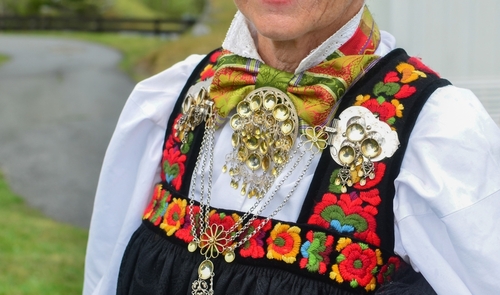
Few garments in the world are as precisely personal as the Norwegian bunad. With over 200 regional variations, no two are identical—each one tied to a specific district, embroidered by hand, and accessorized with silver sølje jewelry that carries its own regional symbolism.

The bunad is worn on May 17th, Norway’s Constitution Day, as well as at weddings, baptisms, and confirmations. It’s not just formal dress—it’s a statement of origin. For many Norwegians, acquiring a bunad is a significant life event, often involving years of saving and careful research into family and regional heritage.

Scotland – Highland Dress

The Scottish kilt has traveled far from its origins. What began as a practical garment for the Highlands—the féileadh mòr, or great kilt, which served as both clothing and bedroll—evolved over centuries into ceremonial attire worn at weddings, military parades, and Highland games across the world.

Tartan patterns became formally associated with specific clans in the 19th century, partly driven by romantic nationalism and the influence of Sir Walter Scott. Today, Highland dress—kilt, sporran, sgian-dubh, and Balmoral bonnet—is worn by diaspora communities from Nova Scotia to New Zealand, carrying a sense of Scottish identity across generations and oceans.

Spain – Flamenco Dress (Andalusia)

The traje de flamenca, with its bold ruffles and vibrant colors, is often mistaken for a national Spanish costume. It is, more accurately, a regional one—rooted in Andalusia and inseparable from Seville’s Feria de Abril. Its origins reflect a convergence of Romani, Moorish, and local Andalusian influences, and its designs continue to evolve each season, treated almost like haute couture within Seville’s dress culture.

Asia: Textile Mastery and Symbolic Meaning

Japan – Kimono

The kimono is one of the most technically demanding garments ever developed. Constructed from a single bolt of fabric without cutting, its patterns shift with the seasons—cherry blossoms in spring, chrysanthemums in autumn—and its formality is communicated through the number of crests, the length of the sleeve, and the choice of obi knot.

In recent decades, kimono rental shops have multiplied across Japanese cities, making the garment accessible to tourists and younger generations who might not own one. Simultaneously, kitsuke (the art of wearing kimono) has seen a revival, with classes and communities dedicated to preserving the practice.

India – Sari and Regional Variations

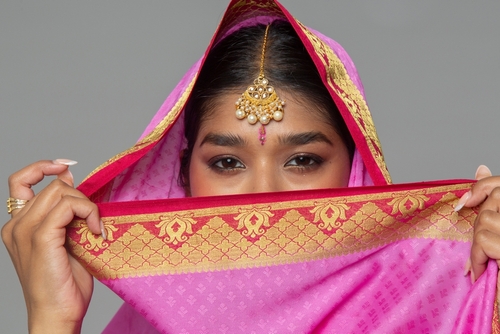
Six to nine yards of unstitched fabric. No buttons, no zippers. Yet the sari offers hundreds of distinct draping styles that vary by region, occasion, religion, and caste. A Nivi drape from Andhra Pradesh, a Bengali style with pleats at the back, a Maharashtrian style pinned between the legs—each communicates something about where the wearer is from and who she is.

The weaving traditions behind saris are equally varied. Banarasi silk saris from Varanasi are woven with gold and silver brocade, taking weeks to complete. Kanjeevaram saris from Tamil Nadu are known for their heavy silk and contrasting borders. These are not just garments—they are the output of centuries of specialized craft.

South Korea – Hanbok

The hanbok’s silhouette—flowing skirt, short jacket, curved collar—has remained largely unchanged for over a thousand years. Its colors were historically governed by Confucian social codes: white for mourning, red and blue for weddings, bright colors for children. Embroidery motifs such as lotus flowers, phoenixes, and peonies carried specific wishes for the wearer.

Contemporary Korean designers have reinterpreted the hanbok for modern life, creating everyday versions in lighter fabrics while preserving the essential aesthetic. It remains worn at Chuseok, Seollal, weddings, and birthday celebrations.

Africa: Identity, Community, and Ceremony

Nigeria – Yoruba Aso Oke

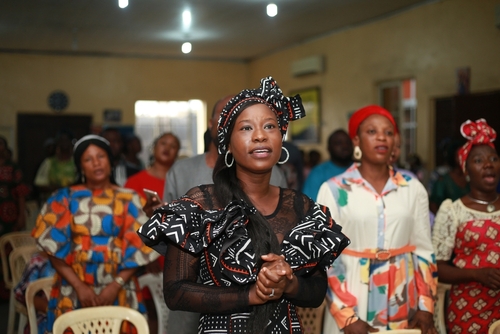
Aso oke is a handwoven fabric produced by Yoruba weavers in southwestern Nigeria. Worn primarily at weddings and important festivals, it signals status and celebration. The fabric comes in three traditional varieties—ìpèlé, ẹ̀tù, and sanyan—and is fashioned into wrappers, blouses, and the iconic gele headwrap, which is an art form in itself, tied into elaborate sculptural shapes for formal occasions.

Morocco – Caftan

The Moroccan caftan draws from centuries of Ottoman and Andalusian influence, filtered through distinctly North African craft traditions. Worn at weddings and celebrations, formal caftans are distinguished by their sfifa (silk ribbon trimming), handmade buttons, and intricate embroidery. The level of embellishment communicates the formality of the occasion, and in Morocco, a bridal caftan can take months to produce.

Maasai – Shúkà and Beadwork

The Maasai people of Kenya and Tanzania are recognized worldwide for their shúkà cloth—typically a red-checked fabric worn draped over the body—and their elaborate beadwork, in which color carries specific meaning. Blue represents the sky and water; red, warrior strength and blood; white, purity; green, land and sustenance. Beaded jewelry communicates age, marital status, and social rank, making it a wearable biographical record.

The Americas: Indigenous Heritage and Cultural Survival

Mexico – China Poblana

The china poblana ensemble—embroidered blouse, sequined skirt, and rebozo shawl—is often cited as Mexico’s national dress, though its origins are distinctly regional and its history is complex. It emerged in Puebla during the colonial era, blending indigenous, Spanish, and possibly Asian textile influences. Today it remains a symbol of Mexican national identity, worn during Independence Day celebrations and folkloric performances.

Guatemala – Huipil

Among Guatemala’s indigenous Maya communities, the huipil (a handwoven blouse) is not merely traditional dress—it is a map. The patterns, colors, and symbols woven into each garment identify the wearer’s village of origin, and in some communities, her social and marital status. This visual language has survived centuries of colonization and is now recognized as an element of intangible cultural heritage.

Peru – Andean Dress

Andean dress reflects both indigenous ingenuity and colonial history in equal measure. Alpaca wool, exceptionally warm and durable at high altitudes, has been the foundation of Andean textiles for thousands of years. The bowler hat, now strongly associated with Quechua and Aymara women, was actually introduced by British railway workers in the early 20th century and adopted into local dress culture—a striking example of how traditional identity absorbs and transforms outside influence over time.

Middle East & Central Asia: Nomadic and Imperial Influences

Saudi Arabia – Thobe and Abaya

The thobe, a long white robe worn by men across much of the Arabian Peninsula, is an elegant response to climate—loose-fitting, light-colored, and covering to protect against heat and sun. Regional variations in collar style and embroidery distinguish wearers by origin. The women’s abaya, once uniformly black, has expanded in recent decades to include embroidered and colored versions, with ongoing conversations in Saudi society about the garment’s meaning and future.

Kazakhstan – Chapan

The chapan is a long embroidered coat worn across Central Asia, associated with Kazakh nomadic culture. Made from silk or velvet and decorated with detailed stitching, it is worn at Nauryz (the spring new year festival), weddings, and formal ceremonies. Gifting a chapan to a respected guest remains a meaningful tradition in Kazakh hospitality.

Oceania: Ceremonial and Environmental Expression

Samoa – Puletasi

The puletasi—a matching tunic and skirt—emerged from the blend of Samoan textile traditions with colonial-era tailoring. It is worn to church, formal events, and family celebrations, and holds significant social weight in Samoan communities both on the islands and in diaspora populations across New Zealand, Australia, and the United States.

Papua New Guinea – Sing-Sing Attire

Papua New Guinea hosts over 800 distinct languages and an equivalent diversity of ceremonial dress. At sing-sing cultural festivals, communities wear elaborate headdresses made from bird-of-paradise feathers, face and body paint designed according to ancestral tradition, and woven garments specific to each group. These gatherings are a deliberate act of cultural preservation, providing a context for passing down visual and artistic knowledge between generations.

Themes Across Cultures

Looking across these traditions, several patterns emerge that go beyond aesthetics.

Climate shapes form. The loose linen of North African dress, the layered wool of Andean communities, the open weave of tropical island fabrics—each reflects a rational response to environment. Traditional garments were functional before they were ceremonial.

Colonialism left permanent marks. Peruvian bowler hats, Mexico’s china poblana, the influence of Portuguese tailoring on West African dress—colonial contact disrupted indigenous textile traditions while simultaneously generating new hybrid forms. The story is rarely one of simple preservation or simple erasure.

Clothing carries social data. Across cultures, garments communicate rank, marital status, regional origin, religious affiliation, and life stage. This is not decorative—it is informational, sometimes to a degree of precision that outsiders cannot read but insiders understand immediately.

Revival is political. Many traditional dress forms experienced decline during periods of assimilation pressure or urbanization, and their contemporary resurgence is often a conscious act of cultural resistance. The hanbok revival in South Korea, the growth of bunad ownership in Norway, and the international visibility of Guatemalan huipil weaving are all, in part, statements of identity and continuity.

Are Folk Costumes Still Worn Today?

The answer is yes—and more widely than many people assume.

National holidays provide the most visible context: Constitution Day in Norway, Independence Day in Mexico, Chuseok in South Korea. But traditional dress also persists in the quiet rhythms of everyday life: at weddings, naming ceremonies, funerals, and coming-of-age celebrations where putting on a particular garment connects an individual to something larger than themselves.

Diaspora communities often maintain these traditions with particular intensity, using dress as an anchor to cultural identity across generations and borders. A Samoan family in Auckland wearing puletasi at church, or a Nigerian family in London dressing in aso oke for a wedding, is making a statement about belonging that transcends geography.

Contemporary fashion designers are also drawing from traditional dress in ways that go beyond surface-level borrowing. Korean designers like Lie Sang Bong have incorporated hanbok aesthetics into international collections. Moroccan caftans appear regularly in global fashion media. The conversation between traditional and modern is ongoing—and generative.

Cultural Sensitivity and Ethical Considerations

Traditional dress is not a costume in the Halloween sense, and the distinction matters.

Cultural appropriation becomes a concern when garments with specific sacred, ceremonial, or communal meaning are worn without context, understanding, or permission—particularly when the communities those garments belong to have faced historical marginalization. A huipil worn as a festival fashion statement by someone unfamiliar with its meaning is a different act from wearing one with knowledge of and respect for its cultural weight.

Appreciation, by contrast, involves learning, engagement, and—where possible—economic support for the communities who produce these garments. Buying directly from Guatemalan weavers, Moroccan embroiderers, or Yoruba aso oke producers rather than from mass-produced imitations is a concrete way to support living traditions.

It’s also worth resisting the temptation to flatten. Calling something “the national costume of India” obscures a subcontinent of extraordinary regional diversity. Accuracy and humility go a long way.

Frequently Asked Questions (FAQs)

What is the difference between a folk costume and a national costume?

A folk costume is rooted in a specific regional, ethnic, or community tradition. A “national costume” is often a simplified or politically constructed concept—one garment chosen to represent an entire country, which rarely captures the true diversity of dress traditions within that nation.

Are traditional folk costumes still made by hand?

Many are, and handcraft is often central to their cultural value. Norwegian bunad embroidery, Guatemalan backstrap weaving, Moroccan caftan embroidery, and Japanese kimono dyeing are all specialized skills passed through apprenticeship and family tradition. However, mass-produced versions exist for most, and quality varies significantly.

How do I learn more about a specific country’s traditional dress?

Museum ethnographic collections, academic textile journals, and cultural organizations run by the communities themselves tend to be the most reliable sources. Travel, when done thoughtfully, offers direct engagement with living traditions.

Is it respectful to wear traditional clothing from another culture?

Context matters greatly. Wearing a garment at a cultural event where hosts invite participation is different from wearing it as costume. When in doubt, ask someone from the community, learn the garment’s significance, and buy from authentic sources rather than replicas.

Why are some traditional garments only worn on special occasions?

As urbanization and global fashion expanded, traditional dress often shifted from everyday wear to ceremonial use. This is not necessarily decline—it can also reflect the garment taking on greater symbolic weight, reserved for moments that call for a connection to heritage and community.

Clothing as a Living Record

Traditional dress survives because people choose to wear it—not because institutions preserve it in glass cases. Every time a family passes down knowledge of how to tie a gele, embroider a bunad, or weave a huipil pattern, they are transmitting something that cannot be captured in a photograph.

These garments are not frozen in time. They adapt, absorb new influences, and acquire new meanings across generations. That is exactly what makes them worth paying attention to. The next time you see traditional dress—in a photograph, at a festival, or on a street—look a little longer. There is more information there than first meets the eye.

Some of the most extraordinary places on Earth appear on no tourist brochure. They have no Instagram geotags, no visitor centers, and no souvenir shops. They exist quietly—shaped by millions of years of geological activity, extreme climates, or political circumstances that keep human footfall to a minimum.

But “hidden” in 2026 doesn’t mean undiscovered. It means something more nuanced. A place can be hidden because it’s geographically remote, logistically demanding to reach, politically restricted, environmentally fragile, or culturally isolated from the mainstream travel circuit. These aren’t just curiosities for the adventurous. They’re places that matter—for biodiversity, for climate research, for the survival of indigenous cultures, and for understanding the geological history of our planet.

This guide explores five of the world’s most remarkable hidden destinations, examines what makes a place truly “hidden,” and considers the ethical questions that come with the desire to explore them.

Fiordland National Park, New Zealand: Where Wilderness Has No Edge

Tucked into the southwest corner of New Zealand’s South Island, Fiordland National Park spans roughly 12,600 square kilometers—the country’s largest national park, and one of the most sparsely visited given its size. The nearest town, Te Anau, has a population of around 3,000 people. Beyond that, there is almost nothing.

Fiordland is part of Te Wahipounamu, a UNESCO World Heritage Site, and it earns that designation many times over. Glaciers carved its landscape during the Ice Age, leaving behind deep fjords—Milford Sound and Doubtful Sound among them—flanked by granite cliffs that rise more than 1,000 meters straight out of the water. U-shaped valleys stretch into the distance, draped in ancient temperate rainforest.

The weather here is relentless. Some parts of Fiordland receive up to 7 meters of annual rainfall, making it one of the wettest inhabited regions on Earth. After heavy rain, waterfalls appear seemingly from nowhere, cascading down sheer rock faces for a few hours before vanishing again. The fjords themselves are deeper than the surrounding ocean floor.

Wildlife thrives in this isolation. The Takahe—a large, flightless bird once thought extinct—has been brought back from the brink here. Fiordland Crested Penguins nest along its coastline. Below the surface of the fjords, a rare freshwater lens sits atop the saltwater, creating conditions where deep-sea black coral grows far closer to the surface than usual.

Fiordland feels hidden not because it’s unknown, but because it resists easy access. Roads are limited. Weather can shut down travel for days. Conservation protections have deliberately restricted development. It is a place that asks something of you before it reveals itself.

Tsingy de Bemaraha, Madagascar: A Stone Forest Few Have Explored

Western Madagascar holds one of the strangest landscapes on the planet. The Tsingy de Bemaraha—a UNESCO World Heritage Site covering approximately 1,500 square kilometers—is a forest made entirely of stone.

Razor-sharp limestone pinnacles rise from the ground in dense clusters, formed over 200 million years by the slow dissolution of rock beneath and above the surface. Natural stone bridges arc between formations. Underground cave systems run beneath the karst. Walking through it requires ladders, ropes, and a considerable tolerance for vertigo.

The Tsingy is home to species found nowhere else on Earth. Several lemur species, rare birds, and plants adapted to this hostile terrain have evolved in isolation here, shaped by an environment that makes most forms of travel—animal or human—extremely difficult.

Getting there involves river crossings and rough overland roads. The terrain itself is physically dangerous. These aren’t marketing deterrents; they’re genuine barriers that have preserved both the landscape and the ecosystems within it. Fewer visitors means fewer disturbances to one of the world’s most unique geological and biological environments.

Socotra Island, Yemen: 30 Million Years in Isolation

Socotra sits in the Arabian Sea, off the coast of Yemen, and looks like something designed for a science fiction film. Dragon Blood Trees—named for the dark red resin they produce—spread their flat, umbrella-like canopies across limestone plateaus. Bottle trees store water in their swollen trunks. White sand dunes meet turquoise water along the coastline.

The island covers approximately 3,800 square kilometers and is home to around 60,000 people. But its most remarkable characteristic is biological. More than 30% of Socotra’s plant species are endemic—found nowhere else on Earth. This level of endemism is extraordinary, the result of the island’s geological isolation stretching back roughly 30 million years.

Socotra is classified as a UNESCO World Heritage Site and has been called the “Galápagos of the Indian Ocean.” Reaching it, however, is complicated. The island’s remote location and Yemen’s ongoing political instability have significantly restricted tourism. Monsoon winds cut off access for several months each year. For most of the world, Socotra remains entirely out of reach—preserved as much by circumstance as by design.

The Darvaza Gas Crater, Turkmenistan: A Fire That Hasn’t Stopped

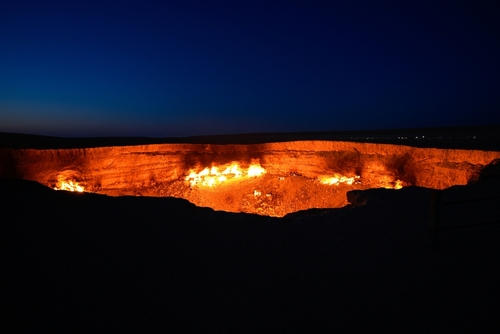
In the middle of the Karakum Desert in Central Turkmenistan, a crater approximately 70 meters wide has been burning continuously since 1971. Soviet engineers, drilling for natural gas, accidentally punctured an underground cavern. The ground collapsed. To prevent the spread of methane, they lit it on fire—intending for it to burn out within a few weeks.

More than 50 years later, it’s still burning.

Known locally as the “Door to Hell,” the Darvaza Gas Crater glows orange against the black desert sky and emits a low, constant roar. The surrounding Karakum Desert is one of the least populated regions in Central Asia, and Turkmenistan’s restrictive visa policies have kept the site largely off the mainstream tourist circuit.

The crater itself has no formal visitor infrastructure. Access requires navigating remote desert roads, and the country’s limited tourism industry means there is little guidance or support for those who make the journey. It remains one of the most surreal, desolate, and genuinely difficult places to visit on Earth.

Oymyakon, Russia: The Coldest Place People Call Home

Located in the Sakha Republic in eastern Siberia, Oymyakon holds the record for the lowest temperature ever recorded in a permanently inhabited location—close to −70°C, though average winter temperatures hover around −50°C. Roughly 500 people live here year-round.

The extreme cold is a result of geography. Oymyakon sits in a valley that traps cold air during winter months, creating temperatures that make everyday life almost incomprehensibly difficult. Cars must be kept running constantly or they won’t start. Phones stop working. Ink freezes. Agricultural growing seasons are reduced to a matter of weeks.

Despite all of this, the community endures. The Yakut people who inhabit this region have developed extraordinary adaptations to the cold—in diet, clothing, construction, and daily routine. Visiting Oymyakon is less a sightseeing experience and more a confrontation with the upper limits of human resilience.

The combination of extreme climate, limited infrastructure, and sheer distance from any major urban center places Oymyakon in a category of its own among hidden places.

What Makes a Place Truly “Hidden”?

These five destinations share almost nothing in terms of landscape, culture, or climate. Yet they all qualify as hidden by the same set of overlapping factors:

Geographic isolation keeps a place physically distant from population centers and transport networks. Extreme climate makes it inhospitable or seasonally inaccessible. Political barriers—visa restrictions, instability, or government policy—limit who can enter. Environmental protection deliberately restricts access to preserve fragile ecosystems. Cultural preservation keeps communities insulated from outside influence.

Modern technology has narrowed the definition of “hidden.” Satellite imagery, global mapping tools, and social media have made it nearly impossible for a place to remain completely unknown. What they haven’t changed is accessibility. Distance, weather, politics, and terrain still determine who can actually reach these places—and that, increasingly, is what “hidden” means.

Responsible Exploration: Should We Visit These Places?

The desire to see rare and remote places is entirely human. But that desire, multiplied across millions of travelers, has already transformed once-isolated destinations into Instagram landmarks. The same exposure that generates conservation funding can also accelerate environmental degradation.

Several principles guide responsible engagement with fragile destinations:

  • Environmental footprint matters. Every visitor introduces waste, noise, and physical impact. The smaller the footprint, the better.
  • Indigenous and local communities deserve respect. Their land, their customs, and their autonomy should always take precedence over a traveler’s curiosity.
  • Permit systems exist for good reason. Countries like Bhutan have implemented high-cost, low-volume tourism models specifically to limit damage. Supporting these systems supports preservation.
  • Sometimes, staying away is the most ethical choice. For places like Socotra or the Tsingy, the case for leaving them undisturbed is compelling. Admiring them from a distance—through research, photography, and advocacy—can be a more meaningful form of engagement than a physical visit.

Frequently Asked Questions

What is a “hidden” travel destination?

A hidden destination is one that remains largely inaccessible to mainstream tourism due to geographic remoteness, extreme climate, political restrictions, environmental protections, or cultural isolation. It doesn’t mean unknown—it means genuinely difficult or impossible for most people to reach.

Are any of these places open to tourists?

Some are. Fiordland National Park in New Zealand is technically open but demands significant preparation. The Darvaza Gas Crater in Turkmenistan can be visited, though it requires a visa and logistical planning. Socotra and Oymyakon are accessible in principle but limited by political circumstances and extreme conditions respectively.

What’s the environmental impact of visiting fragile destinations?

Even low visitor numbers can disrupt ecosystems that have evolved in isolation. Physical damage to terrain, introduction of invasive species, and disruption to wildlife behavior are all documented consequences of tourism in fragile environments. Permit systems and guided access help mitigate this, but the impact is never zero.

Is it ethical to visit politically restricted countries to see natural wonders?

This is a genuinely complex question. Visiting a country like Turkmenistan generates revenue for a restrictive government, but it also supports local guides and communities. Travelers should research the situation carefully and consider whether their visit contributes to or detracts from the wellbeing of local people.

How can I learn more about these places without visiting them?

Scientific journals, documentary series, conservation organization publications, and travel writing by experienced journalists offer detailed accounts of remote destinations. Supporting conservation organizations that work in these regions is another meaningful way to engage.

The World Is Still Larger Than You Think

Hidden places are shrinking. Climate change, political shifts, and the relentless expansion of global connectivity are all eating away at the edges of remoteness. The places described in this guide may not remain hidden indefinitely.

That makes them more important, not less. Fiordland’s glacially carved fjords, Socotra’s ancient trees, Oymyakon’s frost-hardened community—these are not curiosities. They are records of the Earth’s history and of human endurance. Preserving them, whether through active conservation, careful tourism, or simply choosing not to visit, is a form of respect for what the world still holds.

The most meaningful travel isn’t always the kind that takes you somewhere. Sometimes, it’s the kind that changes how you see what already exists.

Key Highlights

Here’s a quick look at what we’ll cover as we talk about the ancient Greek alphabet:

  • The Greek alphabet came from the Phoenician script around 800 BCE. The Greeks made new symbols for vowels.
  • There were many forms at first. The 24-letter Ionian version became the main one and is what we call the classical Greek alphabet.
  • Many Greek letters, like alpha and beta, have had a big effect on the English alphabet. People still use these greek letters in science and math.
  • How people say ancient Greek letters is not the same as how letters sound in the modern Greek alphabet.
  • These classical greek letters had a lot of influence. The Latin alphabet and other ways people write have taken ideas from them.

Introduction

The greek alphabet is not just a set of greek letters. It is a big part of western thinking and way of life. Much like ancient greek ideas and science helped shape the world, the greek language has a huge impact on our lives today. Many words in english come from greek. For example, the word “alphabet” comes from alpha and beta, the first two letters of the greek alphabet. This writing system from ancient greek has been around for thousands of years. It is not just something from the past. The greek alphabet can still be seen today in books and in math problems.

The Ancient Greek Alphabet Overview

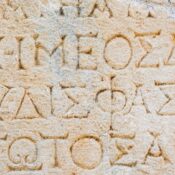
The classical Greek alphabet has 24 letters. It starts with Alpha and ends with Omega. This new way of writing was important because it was the first system that used different marks for both consonants and vowels. That was a big change for people at that time.

The greek alphabet let the ancient Greeks write down each word just as it sounds. Now, let’s look at the names and order of each of these greek letters. We’ll also talk about what makes the classical greek alphabet and its vowels special, from start to end.

Names and Order of Ancient Greek Letters

Memorizing the order of the Greek alphabet is the first step to understanding ancient texts. Just like learning your ABCs, knowing the sequence from Alpha to Omega is crucial. Many people find it helpful to chunk the letters into smaller groups for easier memorization, perhaps by chanting or singing them.

The 24 letters follow a specific sequence that has remained consistent for millennia. You’ll recognize many of them, from the well-known Alpha (α) and Beta (β) to the final letter, Omega (ω). Understanding this order helps not only in reading ancient texts but also in recognizing their use in modern contexts.

Here is the complete order of the Greek alphabet with both uppercase and lowercase forms:

Uppercase Lowercase Greek Name
Α α Alpha
Β β Beta
Γ γ Gamma
Δ δ Delta
Ε ε Epsilon
Ζ ζ Zeta
Η η Eta
Θ θ Theta
Ι ι Iota
Κ κ Kappa
Λ λ Lambda
Μ μ Mu
Ν ν Nu
Ξ ξ Xi
Ο ο Omicron
Π π Pi
Ρ ρ Rho
Σ σ, ς Sigma
Τ τ Tau
Υ υ Upsilon
Φ φ Phi
Χ χ Chi
Ψ ψ Psi
Ω ω Omega

Structure and Unique Features of the Classical Letters

One thing that makes the classical Greek alphabet stand out is the way it uses both uppercase and lowercase letters. But this did not happen right away. At first, the ancient Greeks would only write using big, capital letters. There were no spaces between words and no punctuation, either. The lowercase forms we see now came much later. These were brought in by Byzantine writers and printers during the Renaissance. Their goal was to make writing faster and easier.

The alphabet also has special Greek symbols that you will not find in English. For example, the letter Sigma (Σ) is used for a certain sound, but its lowercase form at the end of a word is different: (ς). There are other letters too, such as Psi (Ψ) and Xi (Ξ). They can both stand for groups of consonant sounds, like “ps” and “ks,” but use only one symbol each.

All of this made the Greek alphabet a good and clear way to write. The fact that it could show single sounds and vowels was important. It was a big change from the old syllabic ways of writing. It helped people write spoken words more exactly.

Historical Origins and Development

The story of how the Greek alphabet started is a very interesting part of history. It did not happen out of nowhere. People, ideas, and hard work helped shape it. When this new alphabet came about, it changed a lot of things. It helped the growth of writing, learning, and how people handled daily work.

In this piece, we will talk about when the Greek alphabet first showed up and the way it changed as years passed. We will also see how other systems, like the Phoenician writing system, played a big part in making the greek alphabet into what we now know.

When and How the Ancient Greek Alphabet Emerged

The new alphabet that we call Greek started around 800 BCE. There is still some debate among experts about the exact date. The invention of the alphabet was not something the Greeks did all on their own. They took the Phoenician writing system, which focused mostly on consonants, and changed it in a smart way.

The Greeks used Phoenician symbols for sounds they did not have, like certain throat sounds. They changed these to stand for vowels. This change was a big step forward. For the first time, a writing system could show every sound in a word—both consonants and vowels.

Making this “true” alphabet was a major development. It gave the Greeks a way to write their language with great care to how it sounded. This helped more people learn to read and write, and the written culture in Greece grew quickly.

Influences from Phoenician and Other Scripts

The greek alphabet got its main ideas from the phoenician alphabet, which was used by a group of people who spoke a semitic language. The greeks took most of their alphabet from the phoenician alphabet and changed it a bit to fit the sounds in their own language. You can see this in the name “alpha,” which the greeks borrowed from “aleph” in phoenician.

Some parts were easy for them to take, like the letter for ‘l’ in the phoenician alphabet turning into Lambda (λ) for the greek alphabet. But other parts needed more thought. The biggest change was how the greeks used extra phoenician consonant letters for their vowel sounds. This was a new idea at the time, and it made their writing system very different from others.

The greek alphabet did not just help the greeks. Over time, people used the greek alphabet to make other writing system, too, like the latin alphabet. The latin alphabet is what we use for english and many other european language today. The greeks’ way of writing also helped with systems like the coptic alphabet, which later showed up in egypt.

Sounds and Pronunciation in Ancient Greek

Have you ever thought about how ancient Greek sounded? The way people said words back then is not the same as how words sound in modern Greek. To really get the poetry and books from that time, it helps to know the sounds for each letter, including the different consonants and vowel sounds.

Let’s look at how teachers and experts think each letter was said long ago. We will also talk about the big changes in the pronunciation of words that happened between ancient Greek and modern Greek. This way, you can really understand more about the greek language and how it changed over time.

How Each Letter Was Pronounced in Ancient Times

Approximating how ancient Greek sounded is a hard and interesting job for the people who study language. No one knows for sure what it was like. However, experts tried to work it out using old clues. Greek is different from English because it had long and short vowel sounds. People would make long vowels last about twice as long as short ones.

For instance, the letter Eta (η) was always a long vowel. It was like the ‘a’ in the word “ate.” Epsilon (ε) was always a short vowel, so it sounded like the ‘e’ in “bet.” A few vowels—like Alpha (α), Iota (ι), and Upsilon (υ)—could be long or short. It depends on the word.

Here are some ways certain letters in the greek alphabet were said in ancient greek:

  • Gamma (γ): Like the ‘g’ in “go.”
  • Theta (θ): Like the ‘th’ in “theater.”
  • Chi (χ): A bit like the ‘ch’ sound when you say the Scottish “loch.” The sound is made at the back of your mouth.
  • Zeta (ζ): Like the ‘zd’ in “wisdom.”
  • Phi (φ): Like the ‘f’ in “fit.”
  • Upsilon (υ): Like how you say the French ‘u’ in lune or the

Differences in Pronunciation Between Ancient and Modern Greek

The Greek language has been used for a very long time. Because of this, the way people speak Greek has changed a lot. The sounds you hear in modern Greek are not the same as those from the time of ancient Greek. If you listen to someone read an old text in ancient Greek, it will not sound much like the Greek people speak now.

One big change with the Greek language is how vowels and diphthongs sound. For example, in ancient Greek, the letters Eta (η), Iota (ι), and Upsilon (υ) all had their own sounds. In modern Greek, these letters and the diphthongs ει and οι all sound the same. They are all said as an “ee” sound, like the word “bee” in English. This is true for many words in both ancient Greek and modern Greek.

Some consonant sounds also changed in the greek language. Long ago, Beta (β) in ancient Greek was spoken like the English ‘b’ sound. In modern Greek, though, Beta sounds more like ‘v.’ Delta (δ) used to have a ‘d’ sound. Now, in modern Greek, it is said as ‘th,’ like in the English word “the.” These new ways to say vowels and consonants show how Greek keeps changing over time.

Writing System Characteristics

The Greek writing system was more than just letters you see in many languages. It had special features that made it stand out. One big change was that the Greek alphabet showed sounds, and each sign stood for one sound in a single syllable. This was very different from the writing systems that came before.

Also, the Greek alphabet brought in a group of extra marks called diacritics. In the next part, we will talk about how alphabet writing is not the same as a way that shows bigger sets of sounds, and why these complex polytonic marks were important in old Greek papers.

Alphabetic Versus Syllabic Systems

Before people used the greek alphabet, the writing system in that area used syllables. A good example is Linear B. In Linear B, each mark showed a whole single syllable. This was often a consonant and a vowel together. For example, there would be a different mark for “ba,” “be,” “bi,” and each sound like this.

The greek alphabet changed the way people wrote. Now, with the new alphabet, each letter showed one sound instead of a full single syllable. A letter could mean a single consonant or one of the vowels. This made the writing system more simple and flexible. You could use the ‘b’ letter with any vowel to create sounds like “ba” or “be,” without needing many special symbols.

Changing from a syllabic way of writing to an alphabet was a big step for writing. The greek alphabet was special because it was the first alphabet that had clear letters for both consonants and vowels. This let people write out every word sound by sound.

Use of Diacritics and Polytonic Markings

When you look at ancient Greek writing, you will see there are a lot of small marks over the letters. These are called diacritics. People added them to the Greek writing system much later. The complete set is called polytonic orthography. It uses accent marks and breathing marks.

The main job of these markings was to show how to say words. The accent marks in Greek did not show stress like English does. Instead, the accent marks showed a change in pitch. This means that some parts of a word were said with a higher or lower sound. The ancient Greek language used pitch accent, so a syllable could go up or down in pitch. Breathing marks were used when a word started with a vowel. They showed if you were supposed to make an ‘h’ sound at the beginning of the word.

Here are the main types of polytonic marks you will find in the Greek language:

  • Acute accent (´): This mark showed a rise in pitch on a syllable.
  • Grave accent (`): This mark showed either a flat or falling pitch. You will often see it at the end of a word.
  • Circumflex accent (~ or ^): This mark showed that the pitch went up and then down during a long vowel.
  • Smooth and rough breathing marks (᾿ and ῾): These marks go over vowels at the start of a word. The smooth one shows

The Classical Alphabet in Daily Life and Literature

The classical Greek alphabet was more than just a tool for learning. It was a part of everyday life in ancient Greece. People saw greek letters carved into big stones at temples. They read them in the poems of Homer and in the books of great thinkers like Plato. This writing system helped greek culture and knowledge grow fast.

Let’s take a look at how people in ancient Greece used the greek alphabet. It showed up in ancient books and on important old signs. Greek letters also mattered at school and in the homes of regular people. The alphabet played a role in almost every part of life in Greece.

Usage in Ancient Greek Texts and Inscriptions

The Greek alphabet was used to write down some of the most important works in history. This new writing system made it possible to save stories that people used to tell by word of mouth for many years. Because of this, the greek alphabet helped keep important books and stories safe for later times.

People in Greek society also used the alphabet for things they needed every day. You would see it carved into stone on buildings, on statues, and even on graves. These carvings showed laws, rules, and notes about special events or gifts. At first, the writing system used all capital letters without any breaks between the words. This style is called scriptio continua.

The greek alphabet was needed for different things like:

  • Writing epic poems: Big stories like Homer’s Iliad and Odyssey were put into words so people would not forget them.
  • Writing down history: Historians such as Herodotus used the writing system to shape the first real history records.
  • Philosophy: People like Plato and Aristotle wrote down ideas so that others could read and learn from them.
  • Religious writing: The New Testament in the Bible was first written in Koine Greek, which helped spread its message throughout the ancient world.

The Role of Greek Letters in Society and Education

In ancient Greece, the alphabet was a big part of how people learned and lived together. Most people could not read or write, but the sons of some citizens, especially in places like Athens, went to school to learn these things. Being able to read and write was needed if you wanted to be involved in things like voting or reading laws.

You could see writing all around the city, not just in schools. Public places had signs and letters. Even if someone did not read much, the greek alphabet was part of what they saw every day. This made it clear how important greek letters and the written word were for the people. It was used in running the city, in shaping the rules, and in what made them feel like they belonged in Greece.

Today, using greek letters as a symbol for special groups goes back to this old tradition. You see it when college fraternities and sororities use greek letters as their names. This is still a way to connect greek letters to education, community, and being part of a group that started a long time ago, back in ancient Greece.

Legacy and Influence of the Ancient Greek Alphabet

The greek alphabet from ancient greek times has had a big impact on the world. You can see its mark in many places, not just in greece or old history books. In fact, the letters you see right now come from this old alphabet.

The greek alphabet was the base for the latin alphabet, which most people use today. It is important to know that the way the greek alphabet spread was special and helped make many other ways for people to read and write. It also gave us signs we still use every day in things like astronomy and math.

The journey of the greek alphabet is really something. If you look around, you will find its symbols and letters still have so much to give to the work people do. It also stays a part of how we see the world.

From Greek to Latin and Other Alphabets

The most important thing that came from the greek alphabet is that it was the start of the latin alphabet. People called the Etruscans lived in ancient Italy. They took a form of the greek alphabet and used it in their own language. Later on, the Romans took what the Etruscans used and made the latin alphabet. This latin alphabet spread all over Europe when the Roman Empire grew.

Because of this line of history, the english alphabet comes straight from the greek alphabet. Many of the letters we use in english come from latin, which got them from greek forms. That is why letters like A (alpha), B (beta), K (kappa), and O (omicron) look almost the same in both.

The greek alphabet went east, too. It was the main writing system for scripts like the Gothic, Glagolitic, and Cyrillic alphabets, which are used in Eastern Europe. In Egypt, people changed it so that they could make the coptic alphabet. The greek writing system has been a big part of how hundreds of languages are written today.

Scientific, Mathematical, and Modern Applications

The greek alphabet is not just part of history. It still plays a big role in many areas today, like science and math. People use greek letters and symbols as quick ways to show ideas, numbers, or facts in their work. This special alphabet helps people all over the world understand each other when they are talking about hard topics.

For example, you may have used the greek letter π (pi) to find the size of a circle. That is only one way greek letters keep showing up. You also find these letters used in subjects like physics, math, astronomy, and even college fraternities or sororities. Greek symbols are a key part of how experts everywhere talk about their work. It helps keep the ancient greek alphabet in use, and makes it easy for people to know what is being shared.

Here are some everyday uses for greek letters:

  • Mathematics: Pi (π) is for that number which shows the ratio of the distance around a circle and straight across it; Sigma (Σ) is for adding things up; Delta (Δ) is when you talk about change.
  • Physics: Omega (Ω) is used when you talk about resistance in wires; Lambda (λ) shows how long a wave is; Mu (μ) means something is really small.
  • Astronomy: In stars, greek letters help name them by brightness. Like, the brightest star in Centaurus is Alpha Centauri.
  • Social Organizations: You

Conclusion

To sum up, the Ancient Greek alphabet is more than just a group of letters. It is a big part of history that has shaped the way people use language, write books, and share ideas in science. This greek alphabet has a special way of being set up. The old scripts before it helped it grow, and that made it easier for people to talk about big ideas and strong feelings in ancient greek writing. If you know how the alphabet sounds and how it is written, you can better enjoy old stories and feel closer to the deep greek culture from greece. When we learn about its past, we can see how this alphabet still touches our lives. It shows up in the letters we use today and in many fields. These classic greek alphabet letters still mean a lot. If you want to know more about the wonders of the ancient greek alphabet and its pronunciation, you can get in touch for more information!

Frequently Asked Questions

How does the ancient Greek alphabet differ from the modern Greek alphabet?

The big thing that sets the ancient Greek alphabet apart from the modern Greek one is how you say the words. The letters of the Greek alphabet look mostly the same, but today, vowels and even some of the other sounds are not said the same way. For example, in ancient Greek, there were a lot of different vowel sounds. Now, in modern Greek, many of those vowel sounds are said as just an “ee” sound.

Are there tools for typing in ancient Greek with polytonic diacritics?

Yes, there are many tools you can use. Most new operating systems let you add a polytonic Greek keyboard layout. This helps you type all the accents and marks you need for the greek alphabet. Just make sure to use a font that works with the right unicode letters for the greek alphabet.

What are some fun facts about the ancient Greek alphabet?

The word “alphabet” comes from the first two greek letters, Alpha and Beta. The phrase “alpha and omega” means the beginning and the end. In ancient greece, every word that started with the greek letter Upsilon (υ) got a rough ‘h’ sound at the start. This old greek rule is not used now.

Key Highlights

Here’s a quick look at what we will cover in this guide to Egyptian hieroglyphs:

  • Egyptian hieroglyphs, also called “medu netjer” or “words of the god,” were seen as something special made by god Thoth.
  • This system uses word signs, sound signs, and symbols that help show what a word means.
  • People wrote hieroglyphs not only to keep records but also used them on temples, tombs, and amulets to bring magical protection.
  • In time, simpler writing styles called hieratic and demotic came about, and people used them every day for business and reading.
  • The discovery of the Rosetta Stone was a big help for Jean-François Champollion to figure out how to read the old script in the 1800s.
  • Symbols like the Ankh, Eye of Horus, and Scarab were very important for their culture and beliefs.

Introduction

Welcome to the amazing world of Egyptian hieroglyphics! For many years, the detailed symbols in ancient Egypt have caught the eye of experts and people who just love to learn. This script was more than just a way to share messages. It was a big part of pharaonic life. It brought together art, language, and what people believed. In this blog, we will go back in time. We will look at one of the oldest writing systems. We will learn about its symbols, what the sounds mean, and why it was so important to the lives of ancient Egyptians.

The World of Egyptian Hieroglyphs

Egyptian hieroglyphics are one of the oldest writing systems in the world. This visual language helped bring the lives of ancient Egyptians to the modern world. The symbols were not just nice to look at. They were used as a working way to share messages and lasted for over 3,000 years. The ancient Egyptian writing system played a big part in religion, running the country, and marking important events.

People used hieroglyphs on everything from big writings on temple walls, to stories and records on papyrus scrolls. Knowing about this script helps you see into the daily life, beliefs, and history of ancient Egyptians. Now, let’s see what made this visual language from the egyptian writing system so special and why it was important for their society.

Defining Hieroglyphs: Ancient Egypt’s Visual Language

Egyptian hieroglyphic writing is built on pictorial signs. The ancient Egyptians named these signs “medu netjer,” which means “the gods’ words.” They thought that the god Thoth gave them this script. The egyptian writing is not just like other simple writing systems. It mixes different types of signs so it can show more meaning.

The hieroglyphic writing system uses three main kinds of signs. Logograms stand for a whole word. Phonograms are signs for sounds, almost like the letters we use now. Determinatives go at the end of a word and are not said out loud. These help people know what the word means. For example, if a name has a symbol of a man next to it, it tells people that the name is for a man.

Using all these made ancient egyptian writing both detailed and a bit tricky. At first, there were over a thousand different hieroglyphs. By the time of the Middle Kingdom, there were about 750 signs left. The way the ancient egyptians set it up let them write in a way that was both exact and beautiful.

The Role of Hieroglyphs in Everyday and Sacred Life

Hieroglyphs were not just a way for people in ancient Egyptian civilization to talk or write. Many believed this sacred writing had special powers. They felt that it could protect them both during life and after death. That is why you see so many hieroglyphs carved into temple walls, statues, and even on things like personal funerary items and papyrus sheets. People did not just use these words for reading. They wrote hieroglyphs to make the divine words work and help keep them safe.

The formal script was used mainly on big monuments and for religious purposes, but life in ancient Egypt was busy and the people needed quicker ways to write. That is why egyptian scribes developed easy scripts, called hieratic and demotic, for use with daily life tasks. These made it simple to write fast on papyrus or even on broken pieces of pottery, which they called ostraca. Egyptian scribes were really important in this work.

Hieroglyphs touched many parts of life in ancient Egypt:

  • Religious Texts: Words from religious texts, like the Book of the Dead, were often put on coffins. These spells and prayers were there to guide people after death.
  • Administration: Scribes kept order by using simple scripts to record things like taxes, supplies, and money events.
  • Personal Items: Items such as amulets or even clothes had hieroglyphs added to them for protection.

People used the sacred writing

Origins and Early History of Egyptian Hieroglyphs

The exact beginning of ancient Egyptian hieroglyphs is still being studied. It looks like their start came from very old rock art. The earliest writing system in Egypt showed up near the end of the fourth millennium B.C. People used signs that showed animals and things. These early marks were found in rock carvings and on pottery. They made way for a more structured way of writing.

Around 3150 B.C., just before the Old Kingdom, we find the first clear hieroglyphic writing. These early examples already used the main ideas of the writing system. People used them to record names of important rulers, places, and historical events. Now, we will look at when this writing began and talk about the myths about its creation.

The Birth of Egyptian Writing: When and Why It Began

The start of ancient Egyptian writing goes back to about 3200 B.C. The oldest proof was found in tombs at Abydos, a well-known place west of the Nile River. These early signs were seen on small pieces of ivory or wood that were tied to goods. This shows people used them to keep records in a society that was getting bigger. Many think that egyptian writing began with rock pictures made long ago by groups living out in the desert.

These signs were not yet part of the first alphabetic script, but they became an important step toward it. People used them mainly for everyday jobs, like saying what was in a group of goods, the amount, or where something came from in a tomb. It is clear that the first push for ancient egyptian writing came from a need to watch over money matters, which helped rulers control tax and trade.

As time went on, especially from the Early Dynastic Period into the Old Kingdom, people used egyptian writing for more things. At first it was just for labeling. By the time of the second dynasty, the script was also used for talking about royal wins and for religious purposes. What started as a way just to keep up with things grew into a big system. This system ended up playing a big role in shaping the whole society.

Myths and Legends Surrounding the Creation of Hieroglyphs

In ancient Egyptian culture, people saw writing as a gift from the gods, not something humans made up on their own. There was a story that god Thoth, who had the head of an ibis, created hieroglyphs. Thoth was known for wisdom, knowledge, and magic. He looked after the scribes, too. People called their writing system “medu netjer.” This means “the gods’ words,” and they did that to honor Thoth. Because of this, the hieroglyphic script was seen as a kind of sacred writing.

There is a story that goes on from there. Thoth brought his new invention to the sun god, Re. Thoth said writing would make people wiser and help them remember things better. But Re did not agree. He was afraid that people would count on writing and not on their own memory, and that this would make them lose some knowledge and wisdom.

Even though Re was worried, god Thoth still gave the skill of writing to a special group called the scribes. Because of this story, scribes were very important in Egyptian history. People believed the hieroglyphic script had magical and sacred power. When a person wrote in this script, it was seen as something holy, meant to last forever.

Evolution and Transformation Over the Centuries

The Egyptian language and its hieroglyphic script have a long history. Over thousands of years, they changed to fit new needs and new ideas. While people used the rich pictures, or hieroglyphs, on big things like monuments, they also made simpler, quick scripts for everyday writing. The script went through a lot of changes during big historical events, like in the Old Kingdom, the New Kingdom, and later times.

In the end, the rise of other groups and new religions led to a drop in this script. When the Roman Period started, Greek ideas were everywhere. As Christianity spread, the Coptic alphabet soon took over and replaced the old scripts. Here, we will look at key times of change and see how outside forces helped shape this journey of the egyptian language.

Key Historical Periods in Hieroglyphic Development

The development of hieroglyphs can be tracked through several key historical events and periods in Egyptian history. In the beginning, during the Early Dynastic Period and the Old Kingdom, the script was standardized and used for monumental inscriptions and administrative records. The famous Pyramid Texts, the oldest known religious writings, were inscribed during this era.

During the Middle Kingdom, the script was refined, with the number of commonly used signs reduced to around 750. This period also saw the emergence of literary texts written in a cursive form of hieroglyphs known as hieratic. The New Kingdom continued this tradition, with grand inscriptions on temples at Karnak and in the Valley of the Kings.

The script continued to be used through the Ptolemaic and Roman periods, but its use became increasingly restricted to priests and temples. The last known hieroglyphic inscription dates to A.D. 452 at the temple of Isis on Philae.

Period Timeframe Key Developments in Writing
Early Dynastic & Old Kingdom c. 3150–2181 BCE Standardization of script; use on monuments and in Pyramid Texts.
Middle Kingdom c. 2055–1650 BCE Script refined to ~750 signs; literary texts in hieratic emerge.
New Kingdom c. 1550–1069 BCE Extensive use on temple walls and in the Book of the Dead.
Late & Greco-Roman Period c. 664 BCE–395 CE Development of demotic script; hieroglyphs restricted to religious use.

Influences from Other Writing Systems of the Ancient World

Egyptian hieroglyphs are special, but they did not change on their own. Most big changes in the egyptian language came from things people needed to do. This need led to new, simpler writing systems. The hieratic script, which was a faster way to write, showed up around the same time as the old hieroglyphic writing. Scribes used the hieratic script to write with a brush on papyrus. They wrote things like notes for business, government, and stories.

Some time later, in the 7th century BCE, there was another big change. The demotic script came from the hieratic script. It was more simple and used as the main way to write for people every day. The demotic script did not look much like the old hieroglyphs, and it soon took the place of hieratic in most non-religious documents.

Later on, the egyptian language changed again because of outside people. Ancient Greek had a lot of influence. As Christianity spread, people in Egypt started using the coptic alphabet. The coptic alphabet was based on the ancient Greek alphabet, but it had some extra letters taken from demotic to show sounds that Greek did not have. This change marked the end of the old hieroglyphic writing systems and was the start of the coptic language.

Structure of the Egyptian Hieroglyphic Script

The Egyptian hieroglyphic script is not just an alphabet. This egyptian writing uses a smart mix of signs that work together. There are three main kinds of signs in the egyptian writing system. These hieroglyphic signs can show full words, sounds, or ideas. This makes the system useful and also hard to learn.

Some of the signs act as phonetic glyphs. These show sounds, much like the letters we use now. Other signs look like pictures and stand for an idea instead of a sound. This mix is what makes egyptian writing different from most other old scripts. Let’s look at the different types of signs. We should talk about the signs that act as alphabetic consonants and the ones that help people know what the words mean.

Alphabetic Signs: The 24 Consonantal Hieroglyphs

Inside Egyptian hieroglyphic writing, there was a main group of about 24 signs. People often call this group the hieroglyphic alphabet. Each sign in the hieroglyphic alphabet stood for just one sound. For instance, a mouth sign (?) meant the “r” sound. A horned viper (?) meant the “f” sound.

This group of signs was one of the first times people made symbols for single sounds. It came before the first alphabetic script that used signs for letters. Still, the Egyptians did not use only this type of sign. They kept using these alphabetic signs and other types of signs together. When a word was written out with these hieroglyphic alphabet signs, there would often be extra signs added in too.

Vowels were left out in ancient Egyptian. Today, people who study egyptian hieroglyphic writing add in an “e” sound to help when saying words out loud. The 24 single-sound signs were the heart of the hieroglyphic writing. They let people spell out any word, even new or foreign names like Ptolemy and Cleopatra.

Phonograms, Ideograms, and Determinatives Explained

Beyond the basic alphabet signs, the hieroglyphic script is made up of three main kinds of signs. These types work with each other. Knowing about these is important if you want to know how this language works.

The first group is phonetic glyphs or phonograms. These hieroglyphic signs show sounds. A sign like this can stand for one, two, or three consonants. The set of 24 single-consonant signs is the easiest kind of phonogram to work with.

The next group is called ideograms or logograms. In this group, a hieroglyphic sign stands for a whole word or an idea. For example, the picture of a sun can just mean “sun.” Sometimes the same sign will be a phonogram in one place and an ideogram in another. This can confuse the reader at times.

Now, there is the third set, which are called determinatives. These signs do not have a sound. They come at the end of words to show what the word means. Determinatives help people reading the signs know which meaning is right, since some words can mean more than one thing. Here are some examples:

  • A man’s picture after a name shows it belongs to a man.
  • Walking legs as a symbol tell you the verb has to do with motion.
  • A papyrus roll tells the reader the word means something you cannot touch, like an idea.

The mix of these three types of hier

Common Egyptian Hieroglyphic Symbols and Their Meanings

Egyptian hieroglyphic inscriptions are full of interesting symbols. These hieroglyphic symbols meant a lot to people in Egyptian culture. Many of them were more than letters or sounds. Many symbols stood for gods, ideas, and different parts of life and what comes after. You often see gods, animal figures, and things from daily life in these pictures.

You can find this art and these symbols all through Egyptian history. They show up on temple walls, in their art, and even on amulets people would wear. Now, let’s look at some well-known and sacred ancient Egyptian symbols. We can learn the stories behind them.

Popular Symbols: Eye of Horus, Ankh, and Scarab

There are thousands of ancient Egyptian symbols, but a few are very well-known and have deep meaning in egyptian culture. One famous symbol is the Eye of Horus. It looks like a person’s eye with marks that make it look like a falcon’s. The Eye of Horus is a sign of healing, protection, and getting better after harm. The idea comes from a story where the god Horus lost his eye while fighting Seth. Later, his eye was magically fixed.

Another popular sign in ancient egyptian symbols is the Ankh. The Ankh looks like a cross with a loop at the top. It stands for life that goes on forever. The Ankh is also the Egyptian word for “life.” Many gods are shown holding the Ankh to show they can give life to pharaohs. You can see the Ankh in a lot of tomb art and people used it for lucky charms and jewelry.

The scarab beetle is another important symbol. The Egyptians saw it as a sign of coming back to life or starting fresh because they saw this beetle roll balls of dirt, which they linked to the sun god Ra as he moved the sun over the sky.

  • Eye of Horus: A symbol of healing, well-being, and protection.
  • Ankh: Represents eternal life and divine power.
  • Scarab: Shows rebirth, change, and the morning sun.

Sacred Signs and Amulets in Hieroglyphic Art

In ancient Egyptian culture, there was not much difference between writing and magic. The Egyptian hieroglyphics were seen as sacred writing, filled with special power. People believed this power could be used for religious purposes. You can see this a lot with amulets. These were small charms people wore for protection or to have some good luck. The amulets often showed special Egyptian hieroglyphics to help them get these magical benefits.

Both the living and the dead wore these amulets. Those who were alive used them to stay safe from illness or danger. For people who had died, the amulets were put inside the mummy wrappings. This was to help them have a safe trip to the next life. People picked the symbols on these charms carefully. For example, the Ankh stood for life, and the Djed pillar was for stability.

The power of egyptian hieroglyphics was something the ancient Egyptians took seriously. At different times in egyptian culture, some people wore tiny rolled-up strips of papyrus. These strips had magic sayings on them, and they would keep them inside necklaces. They thought having the sacred writing right against the body would give strong protection. This all shows how important and close sacred writing was to the spiritual life of ancient Egyptians.

Reading and Translating Basic Egyptian Hieroglyphs

Have you ever thought about how to read Egyptian hieroglyphics? Learning the egyptian language fully takes a long time, but you can understand the basic ideas pretty quickly. The first thing to learn is the reading direction. The hieroglyphic script can be written in rows across the page or in columns going up and down. To know where to start, look at the animal or person signs. They always look toward the start of the line.

So, if the figures are facing right, then you read the line from right to left. Up next, we talk about how to say the words and give you a fun way to write your own name using the ancient egyptian language.

How to Sound Out and Read Hieroglyphic Words

Reading hieroglyphs means you have to put together sounds and meanings. To read a word out loud, you need to find the phonetic glyphs first. As you may know, many hieroglyphs show one, two, or three consonant sounds. You line up these sounds to make the word’s “skeleton” made of its main letters. The old Egyptian language did not show vowels, so saying the words exactly right is often just an idea scientists use. Egyptologists often add an “e” sound so that it is easier to say the words.

After you spot the phonetic glyphs, check for the signs at the end called determinatives. These quiet signs help show you what the word is about. For example, if you see a picture of a house, that tells you the word before it has to do with buildings. This trick helps you tell apart words that look the same but mean different things.

The way to read hieroglyphs can change. You will know where to start by looking at which way the human and animal figures are facing. They always look to the start of the writing. If birds and people are looking left, you should read from the left. This method helped keep all the art and building writing neat and balanced.

Practice: Writing and Translating Your Name in Hieroglyphs

Are you ready for a fun challenge? Let’s try to write your name with the hieroglyphic alphabet. The Egyptian language does not have a sign for every sound you might use today, especially not for vowels. So this is not an exact match, but it is a close try just using their signs. This process is also a good plus for anyone interested in how writing systems over the world work.

First, take your name and break it down into its sounds. For example, for the name “David,” listen for D-V-D sounds. Remember, you do not put in either the “a” or “i” sounds. Next, you will match every sound to a hieroglyph. The hand sign (?) can stand for “D.” For the “F” or “V” sound, you use the horned viper symbol (?).

Sometimes there are sounds in your name that the Egyptian language did not have, or sounds, including the “sh,” including other modern English letters, will have to be combined. Use the closest sound you can. That’s what most people did especially scribes, both then and now, whether from the world’s first large writing systems to what we use today. This is a great way to learn about the hieroglyphic alphabet, and a fun way to connect with amazing including old ways of writing.

Contexts and Surfaces for Hieroglyphic Use

Hieroglyphic inscriptions showed up everywhere in ancient Egypt. You could see them on temple walls, big monuments, and even small everyday objects. The script worked on almost any surface. Some of the strongest examples can be found carved in stone on things like temple walls and in royal tombs. The Valley of the Kings has many of these.

But the hieroglyphs were not just for grand things. People in ancient Egypt also wrote them on things that did not last as long, which shows the writing was part of daily life. In this part, we’ll look at all the places this sacred writing appeared—from huge monuments to simple everyday items.

Temples, Tombs, and Sacred Monuments

The most beautiful examples of hieroglyphs are on the walls of temples and tombs. In ancient Egypt, people saw temples as the forever homes of the gods. They made the stone buildings to last a very long time. The temple walls were often covered from floor to ceiling with large, monumental inscriptions. These told about rituals, prayers, and what the pharaoh did in his life. These texts were not just for decoration. They were an important part of the temple and helped keep things right in the world.

In the same way, royal tombs in places like the Valley of the Kings used hieroglyphs to turn them into doors to the next life. The walls of burial rooms were written with funerary texts like the Book of the Dead. These made a map for the pharaoh who had died, helping him move through the underworld. The inscriptions were made to keep the king safe and make sure he was born again after death.

Now, you can still see these real inscriptions at many sites in Egypt like Karnak Temple and Luxor. Many museums in the world, such as the Egyptian Museum in Cairo and the British Museum, have large groups of stelae, statues, and parts of tombs. This is where you can look closely at these amazing texts and learn more about ancient Egypt.

Papyrus Scrolls and Everyday Objects

Stone monuments show the beauty of hieroglyphs, but papyrus scrolls tell us more about the daily life of ancient Egypt. Papyrus was the main portable material that people used for writing. Egyptian scribes and ancient Egyptian scribes used it for many types of documents. When writing on papyrus, they often used the quick and simple hieratic or demotic scripts instead of hieroglyphs. People wrote many things, like literary works, religious songs, also records of work, and even private letters.

The oldest papyrus that have survived go back to King Khufu’s time. Some show work logs from building the Great Pyramid. These papers give us good ideas about how people worked and stayed organized. Unlike the heavier clay tablets from Mesopotamia, papyrus was much lighter and easier to use, even if it did not last as long.

Writing was not just on papyrus. It showed up on other things people used every day. Pottery pieces, called ostraca, acted like scratch paper where people wrote notes, letters, or classroom exercises. You could see writing on furniture, jewelry, and even leather. This shows just how strongly writing was a part of egyptian culture. Writing in Egyptian life helped with things that were important, and also things that happened every day.

Tools and Artistic Techniques Behind Hieroglyphic Writing

Making hieroglyphs was both an art and a skill. It took trained hands, the right tools, and a good eye. The way ancient Egyptian scribes made hieroglyphic writing changed based on what they worked on. If they wrote on stone, egyptian scribes and artists used tools to carefully carve out every symbol, making sure each one looked just right. But on papyrus or ostraca, they used brushes from reeds along with ink made from colors found in nature.

There was a lot more to it than just making marks. Each sign took effort, with every line and space planned out. Both skill and the way the group of signs made things look were important for egyptian scribes. You can see this in the way they thought about the layout, direction, and style of how everything looked. These artistic choices made hieroglyphic writing stand out and be easy to look at.

Brushes, Carving Tools, and Pigments of Ancient Egypt

The tools that Egyptian scribes used were simple, but they worked well. For writing on papyrus, wooden boards, or pieces of pottery, their main tool was a brush made from a reed. The scribe would chew the end of the reed to split the fibers. This helped make a sharp tip for writing. This brush was dipped in ink to write the smooth lines seen in hieratic or demotic script.

When people had to make monumental inscriptions on stone walls, they used other tools. They picked chisels and mallets made from hard stone or bronze. These let them carve each hieroglyph into the walls. It was tough work that needed a lot of skill to make each line clean and deep. Some signs were painted with bright colors after they were carved.

The black and red inks that Egyptian scribes used came from nature. Black ink was made by mixing soot with gum arabic, while red ink was created from ground ochre. Red ink was used for things like headings or key words. Unlike other groups who wrote on clay tablets using a stylus, Egyptians used a brush and ink. This helped them create writing that looked more smooth and artistic.

Layout, Orientation, and Artistic Expression

The way hieroglyphic writing is set out is a big part of its looks. Unlike writing today, which goes in just one way, hieroglyphs could go in many directions. This gave a lot of freedom to how they were used on temple walls, statues, and stelae. Scribes made sure the signs were easy to read and looked good.

The direction of reading was very important. The pictures of people and animals always faced how the text should be read. This shows you if you start from the left or the right. The text can also be set up in columns, going from top to bottom. Scribes would use this to make things look balanced, like writing on both sides of a doorway or around an image.

Art and looks mattered a lot when scribes put the signs together. They didn’t like empty spaces. They set out the hieroglyphs in neat, balanced blocks.

  • Directionality: Could be written left-to-right, right-to-left, or top-to-bottom.
  • Symmetry: Often used to create balanced designs in art and architecture.
  • Grouping: Signs were arranged in aesthetically pleasing blocks to fill the space evenly.

Decipherment and the Role of the Rosetta Stone

For almost two thousand years, people did not know what Egyptian hieroglyphs meant. The old writing had been a mystery for a very long time. But in 1799, things changed by luck. Some French soldiers in Egypt found a big stone with words on it. The same message was written three times, in hieroglyphs, demotic script, and ancient Greek. This stone is called the Rosetta Stone. The rosetta stone helped people figure out the secrets of ancient Egypt.

Now, the Rosetta Stone sits in the British Museum. It gave experts the matching texts they needed to understand hieroglyphs for the first time. Let’s talk about how people found this stone and the smart person who finally read what it said.

The Rosetta Stone’s Discovery and Its Importance

The discovery of the Rosetta Stone took place in July 1799. Napoleon Bonaparte was leading a military campaign in Egypt at the time. A French soldier named Pierre-François Bouchard found the stone slab. He was working with his unit while rebuilding a fort in the town of Rashid, called Rosetta. Right away, he saw that this stone could be very important. It had writing in three different scripts.

The Rosetta Stone shows a message from 196 BCE. The message was made for King Ptolemy V. You can see the same text written in formal hieroglyphs, the common demotic script, and ancient Greek. People still knew how to read ancient Greek, so the stone gave a clear way to figure out what was written in the other scripts. The stone was the key that helped researchers break the language barrier. They had wanted something like this for many years.

When the French lost the war, the Rosetta Stone was given to the British. It has been kept in the British Museum since 1802. After the discovery of the Rosetta Stone, there was a lot of excitement for studying the scripts. Many copies of the writing were shared with scholars. Still, it took about twenty years before they cracked the code. This breakthrough let people understand more than 3,000 years of Egyptian history.

Jean-François Champollion and the Cracking of the Code

In the early 19th century, many people in Europe wanted to figure out how to read Egyptian hieroglyphics. There was a race among scholars to win this prize. One English thinker called Thomas Young made some good early steps. He saw that cartouches on the Rosetta Stone had royal names. He also found out that some signs were there for the way words sounded. But he did not fully understand how the system of writing worked.

The last and biggest breakthrough came from a smart young French man. His name was Jean-François Champollion. He gave much of his life to learning about ancient Egypt. He knew a lot about the Egyptian language, especially Coptic. Champollion looked at the Rosetta Stone and some other texts. He put the Greek names Ptolemy and Cleopatra beside their forms in hieroglyphics, each inside a cartouche.

By 1822, Champollion shared what he found with the world. He showed that the hieroglyphic script was not just made to stand for ideas or letters. It was a mix of signs for sounds, signs for ideas, and some other special marks. Because of his work, people could start to read the stories of the ancient Egyptians. This let all of us hear from the ancient people of Egypt in their own words.

Conclusion

To sum up, Egyptian hieroglyphs give us a good look at the world of ancient Egypt. They show us the rich culture and deep language that was there. When we know about their meaning, how they were made, and how they changed, we can see how these symbols touched every part of life, from holy places to daily moments. If we learn the main symbols and what they stand for, we get a better idea of what people in that time believed and did. If you are someone who likes history, or if you just want to know more about this special way of writing, learning about hieroglyphs can be exciting. If you want to know even more and dive deeper into the world of Egyptian hieroglyphs, you can look for more help to keep exploring.

Frequently Asked Questions

Why Were Ancient Egyptian Hieroglyphs Considered Sacred?

Ancient Egyptian hieroglyphs were special to the people in Egypt. They thought these signs came from the god Thoth as a gift. People called this writing “the gods’ words.” It had strong meaning in the culture. They used these signs for religious texts and on amulets. Many believed this sacred writing gave protection while living and after death. It was important in the everyday life of Egyptian culture.

How Do Hieroglyphs Differ from Other Ancient Writing Systems?

The Egyptian hieroglyphic script is not just an alphabet like some writing systems. Instead, it is a mix. In it, you will see signs that show sounds, which are called phonograms. There are also signs that stand for whole words, called logograms. Plus, there are signs used to make things clear, and these are called determinatives. Egyptians used simple and faster ways to write, too. People had the hieratic script and the demotic script for everyday things. Later, these would lead to the coptic alphabet.


Key Highlights

  • Sumerian cuneiform is the oldest known writing system, and it started in the Ancient Near East during the 4th millennium BC.
  • It was made by the ancient Sumerians, and at first, this cuneiform writing used pictographs on a clay tablet.
  • Later, this writing system changed to use wedge-like marks that people made with a stylus. That is where the word “cuneiform” came from.
  • People used cuneiform tablets for many things. This includes keeping records for work and for old stories.
  • This new writing system was used for thousands of years and went on to shape many other cultures.
  • The decipherment of cuneiform in the 19th century helped people find out about the history of the ancient Sumerians.

Introduction

Have you ever thought about how people began to write things down? It all began in the Ancient Near East. The Sumerians were the first to come up with a writing system. They made the world’s first writing system, known as cuneiform. This writing system was made for the Sumerian language. The Sumerian language is a language isolate, which means it does not have any known relatives. For many years, people used this way of writing on clay to record daily life, laws, and stories. This became the starting point for every other form of written communication that came after.

Origins and Historical Context of Sumerian Cuneiform

Sumerian cuneiform started in southern Mesopotamia, which is now in Iraq, near the end of the fourth millennium BC. It is the earliest writing system that we know about. This makes it very key in ancient history. The ancient Sumerians of Mesopotamia made this writing to help manage their busy lives and complex rules.

This new way to write was a big step for all people. Now, they could record facts correctly, which was not possible before. Cuneiform tells us how the ancient Sumerians kept track of their goods, their trade, and the things that happened in their lives. By studying this system, we get to see what life was like back then. Let’s look at why people needed to write things down and how the script changed over time.

Early Sumerian Civilization and the Need for Writing

The early Sumerian civilization was full of different jobs and things to do. As cities grew and trade in the ancient Near East picked up speed, handling goods and resources got tough. The ancient Sumerians soon saw that their spoken language and the way they remembered things could not handle it all.

Because life got more tricky, there was a big need for writing. They had to make a sure way to note down deals, keep count of livestock, and run their new city-states. This need to be organized is what pushed them to come up with writing.

In the beginning, the Sumerians used clay tokens to show what goods they had. These clay tokens were the first move to something better. As time went on, these small items turned into written symbols. This was a big step in how people passed on information and kept records.

Timeline: From Pictographs to Wedge-Shaped Script

The journey from simple pictures to a complex script took centuries. The development of cuneiform began in the 4th millennium BC with pictographs, which were simple drawings of the objects they represented. These early symbols were inscribed on clay tablets.

Over time, these pictographs became more stylized and abstract. Scribes began using a reed stylus to press wedge-shaped marks into the clay, which was quicker than drawing detailed pictures. This led to the characteristic wedge-shaped script we know as cuneiform. By about 3,000 BC, the direction of writing shifted from vertical columns to horizontal lines of text, read from left to right.

This timeline illustrates the key stages in the evolution of the script.

Stage Approximate Date Characteristics
Proto-Cuneiform c. 3300 BC Use of pictographs and symbols on clay tablets to represent goods.
Early Cuneiform c. 3000 BC Symbols become more stylized and wedge-shaped. Writing direction changes.
Developed Cuneiform c. 2800 BC The script begins to represent sounds (phonograms) and abstract concepts.

Invention and Development of the Cuneiform Writing System

The cuneiform writing system did not start all at once. Its early roots go back to about 8,000 BC when people used clay tokens for trade. But the first real texts that show the start of a true writing system are from the city of Uruk, around 3,300 BC.

People made this new writing system to write in the Sumerian language. This language is special because it is a language isolate, which means it does not belong to any other language group. The rise of cuneiform writing was an important time in human history. It changed the way people kept records and shared ideas. The following parts will show how this script grew over time and point out some big steps and new ideas along the way.

The Evolution from Pictographs to Abstract Symbols

The cuneiform script started with pictures. These were simple drawings that looked like the thing they stood for. For example, a picture of a head was used to mean “head.” This was an easy way to share basic thoughts, but there were some limits. It was not clear how you could draw the idea of “life” or “love” with just pictures.

To fix these problems, the script changed over time. The drawings soon became more simple and turned into marks made up of wedge shapes. There was a big change when the rebus principle came in. Now, a symbol could be used for a sound and not just the thing it looked like. For example, the picture for “arrow,” which sounded like ‘ti,’ was used for the word “life” (til).

This new way of using symbols meant the cuneiform script could now show spoken language more clearly. Different languages and people made changes to the script. There were now different writing styles for each group. This flexibility helped cuneiform stay the main writing system for a long time in the ancient world.

Key Innovations and Milestones in Cuneiform Script

The cuneiform script changed over time, and there were some big moments in how it grew. For one, people stopped just using cuneiform to write words. They started using it to show sounds, too. This made the script more useful. Now, they could write complicated sentences and talk about new ideas.

There was also a new way to clear up mix-ups. That was with something called determinatives. People put these signs before or after a word. It showed what kind of thing the word was about, like a city, a god, or an object made from wood. This helped everyone know the right meaning if the symbol could mean more than one thing.

The cuneiform script kept changing with time. Over the years, during the old babylonian period and other times, people in different places made the script work for them. You can see lots of versions of the script, which shows how flexible it is.

  • Adaptation for Akkadian: Cuneiform script was changed to fit the Akkadian language, and that helped it spread very far.
  • Hittite and Elamite Cuneiform: Next, the Hittites and Elamites made their own types of cuneiform.
  • Old Persian Cuneiform: The Persians then took cuneiform and made it simpler. That form is now called old persian cuneiform.

Tools, Materials, and Methodology

The main thing used for cuneiform writing was the simple clay tablet. Scribes would pick up some soft clay and make it flat and shaped like a rectangle. Then, they would start writing on it. To write, they used a stylus, which was most often a reed. They pressed it into the soft clay to make the wedge-shaped marks that cuneiform writing is known for.

There were different kinds of styluses and ways to write, so the writing styles could change a bit. After the scribe finished, the clay tablet was left out in the sun to dry, or sometimes put in a kiln to make sure it lasted. This is how these important records would be saved and kept safe over time.

With these simple tools and steps, they made cuneiform writing on clay tablets last for years.

Writing on Clay Tablets: Styluses and Techniques

Writing on clay tablets needed a lot of skill and care. The person doing this job used tools called styluses. These were often made from reeds. With the tip of the stylus, marks were made on a piece of soft clay. The point was pressed into the clay at different angles. This is how the wedge-shaped marks were made.

At first, the symbols were put down in vertical columns. That changed around 3,000 BC. Scribes started to use horizontal rows and would write from left to right. To do this, they turned the marks by 90 degrees. It was a big change that helped people write faster and made the work better.

To write a name using cuneiform, scribes used phonetic signs. They picked symbols that stood for the sounds in each part of the name. The scribes then put these signs in order to spell out what they wanted the tablet to show. Using a phonetic method in cuneiform meant you could show any word or name, even if it came from somewhere else.

Preserving and Storing Sumerian Cuneiform Records

The reason we know so much about life in ancient Mesopotamia is because of how well clay tablets last over time. Paper made from plants, like papyrus or animal skin, goes bad easily. Clay stays solid for a long time. A lot of surviving cuneiform tablets are still here because fire or a kiln baked them hard. Some were baked by accident during fires. Others were baked on purpose.

Sumerians came up with a smart way to keep their most important cuneiform tablets safe. They put them in clay envelopes. The writing would be copied onto this outer clay layer too. This extra step kept the inner tablet safe from harm or from other people getting into it.

This clever system made sure these records would last for thousands of years. That helps us, and people who study history, to learn about what life was like back then.

  • Tablets were kept in neat libraries and storage rooms inside temples and palaces.
  • Kilns were used to bake tablets which made them tough so they could stay good for many years.
  • Clay envelopes helped keep contracts and letters safe.
  • Many tablets were used as filler inside buildings after they were not needed, which is why so many survived.

cuneiform tablets, clay envelopes, surviving cuneiform tablets

Uses and Functions of Sumerian Cuneiform

The uses of Sumerian cuneiform were very wide. At first, people used it to keep records. Later, it grew to cover all kinds of writing. There is a vast array of examples of its use, like counting grain or writing long poems.

People wrote the literature of ancient Sumer, including stories about gods and heroes, on cuneiform tablets. This script was important in running the government, making laws, teaching, and shaping culture. Below, we will look at different types of writing found on cuneiform tablets and talk about why it was so important for keeping track of things.

Types of Texts: Administration, Law, Literature, and Education

Cuneiform was used to keep many types of records. In government, tablets showed things like tax payments, land sales, and the way rations got given out. These records give us a clear look at the Sumerian economy and the way their government worked.

Cuneiform also helped with law. People wrote legal codes, court choices, and contracts with it. The Code of Ur-Nammu, one of the oldest law codes we know of, was written in cuneiform. When it came to education, students used cuneiform to copy texts. This was how they learned to read and write.

Cuneiform was used to save more than daily facts. It helped keep both literary texts and scholarly documents.

  • Myths and Epics: These are stories about gods, goddesses, and heroes such as Gilgamesh.
  • Hymns and Prayers: Religious texts made for many Sumerian gods.
  • Wisdom Literature: Proverbs and fables that teach lessons.
  • Scientific Texts: Early writing about things like the stars, medicine, and math.

The Role of Cuneiform in Ancient Documentation and Record Keeping

Cuneiform writing was the main way people wrote things down in ancient times. This changed how people lived and worked. Now, they could keep information safe and pass it on to others, no matter when or where they were.

In early cities like Uruk, cuneiform writing helped people run the economy. People called scribes wrote down everything: goods, work, and trade. This kind of keeping track was important for temples and palaces, which were the biggest and most important places then.

The system made it possible to create a vast array of documents. People could write anything from simple notes to big agreements about laws. Because they could save things for good, rules and knowledge stuck around. This system helped make society steady and kept culture alive for years. Cuneiform was really the first tool made to help people manage a lot of things and keep them organized.

Conclusion

To sum up, Sumerian cuneiform was an important step for people and how they used a writing system. It marked the start of written history. This writing system started with simple pictures and grew into wedge-shaped signs. This change shows how clever the early people were. Sumerian cuneiform was used not just for keeping records and following the law. It was also key for keeping stories and teaching others.

Learning about cuneiform helps us understand where our way of writing and keeping information comes from. The roots of many of our records start here, and you can see the writing system shaped our world today. If this history interests you, take time to learn more. The old stories pressed into clay still inspire people now.

Frequently Asked Questions

How was Sumerian cuneiform deciphered?

The decipherment of cuneiform happened together in the 19th century. Henry Creswicke Rawlinson, Edward Hincks, and later George Smith worked on this. They made important steps in understanding the cuneiform script. They used texts in different languages, like the Behistun Inscription, which had the same text in Old Persian, Elamite, and Babylonian cuneiform. This helped them figure out what the script meant.

What does a typical Sumerian cuneiform inscription look like?

A usual inscription on cuneiform tablets has wedge-shaped marks set in horizontal rows. At first, the earliest texts were written in vertical columns. As time went by, the style changed. Now, the lines of text be read from left to right. Each symbol, or a group of symbols, stands for a word or a syllable.

Where can Sumerian cuneiform tablets be seen today?

Many surviving cuneiform tablets are kept in museums all over the world. The British Museum’s collection is one of the largest and most well-known ones. You can also find important collections of cuneiform tablets at the Louvre in Paris, the Penn Museum in Philadelphia, and at universities like Johns Hopkins University and Yale.

Key Highlights

Here are the key things to know from our look at Babylonian cuneiform:

  • Cuneiform writing first started with the Sumerians in the ancient Near East. The Babylonians then used it for their own needs.
  • People used a wedge-shaped stylus to press marks into a soft clay tablet.
  • Babylonian cuneiform was a complex way to write. People used this for things like scholarly documents and daily records in towns such as Uruk.
  • The work to understand and read cuneiform tablets, like those with writing in three languages, unlocked the history of Mesopotamia.
  • Babylonian cuneiform influenced the history of mathematics with its advanced base-60 number system.

Introduction

Welcome to the world of Babylonian cuneiform script. This old way of writing started a long time ago in Mesopotamia. People used a wedge to press marks into soft clay. That is how they wrote words and ideas.

These marks helped people share laws, tell stories, and pass on what they learned about science. The cuneiform script played a big part in the life of the Babylonian people. Today, we can still see its strong effect on history.

Come with us as we look at where this cuneiform script began, what makes it special, and how it keeps shaping the world.

Origins and Development of Babylonian Cuneiform

The story of Babylonian cuneiform starts with the Sumerians in the ancient Near East. It was them who made the first form of the writing system. This was the beginning of a true writing system. The word “cuneiform” comes from the Latin word cuneus. It means “wedge.” You can see this in the marks on clay. Their idea was a big step in history.

Later, the Akkadian and Babylonian cultures made the script fit their languages. These changes let cuneiform spread from places like Uruk all over Mesopotamia. Babylonian cuneiform got used to record laws, long poems, office work, and even watching stars. It was a big part of their world. We will look more at how the script changed.

Transition from Sumerian to Akkadian Script

The change from Sumerian to Akkadian script was a big move in language. The first script made by the Sumerians in Sumer was meant just for their language. When the Akkadian people started to use it, they had to change it a lot. This was because their language had different sounds and grammar.

To make the script fit the Akkadian language, they had to add ways to show new sounds. That meant using more consonants and vowels. The script turned into a mix of signs for whole words and signs for syllables. Because of this, it got harder and had more parts to learn. This system could be used for a number of languages. You can see this in the trilingual inscription at Behistun.

In the end, the Akkadian way of cuneiform was the one most used by Babylonian and Assyrian writers. This change shows that writing can grow and be shaped by new needs. It takes ideas from old scripts but also brings new ways that work for a different language and culture. The choice to use signs for syllables made it very useful and let it spread across a wide area in the old world.

Evolution of Clay Tablet Writing Techniques

The way people wrote on a clay tablet changed over time and got better. A scribe used a stylus mostly made from a reed. He pressed wedge marks into a tablet that was soft and wet. The word cuneus means “wedge” in Latin, and that is where this writing style got its name.

This work took a lot of care and skill. The scribe had to move fast so the clay did not dry out. He set up the lines of text in a careful way. There were some changes to how they did this over the years, but most of this writing used the same steps:

  • Preparing a clay tablet that was smooth and wet.
  • Holding a reed stylus in a tilted way.
  • Pressing the stylus tip into the clay to make many wedge shapes.

This method made it possible to put together simple wedge shapes and make detailed symbols. If you wanted to write your name in Babylonian cuneiform, you would pick the syllables in your name and press each one into the clay. This type of writing was not about using letters. It was about using syllables that made the sounds in your name.

Keywords: clay tablet, lines of text, Babylonian, wedge, stylus, cuneus, syllables, scribe

Main Characteristics of Babylonian Cuneiform

What is special about Babylonian cuneiform? The main thing is the use of small wedge shapes to make a vast array of symbols. It is not like most alphabets. Instead of showing one letter, a lot of these symbols show a full sound, like “ba,” “bi,” or “bu.” This let people write out the sounds in Babylonian words.

Another thing to know is that the script is pretty complex. One cuneiform symbol can mean different things, depending on where you see it. It might stand for a whole word or just one sound. This made the Babylonian script stand out from others. It helped people record many types of texts, including legal, scientific, and literary ones. Now, we can talk about how it looks and compare it to other scripts.

Cuneiform Symbol Shapes and Styles

Visually, Babylonian cuneiform looks like a series of wedge-shaped impressions organized into lines of text. The shapes were formed by pressing the corner of a stylus into wet clay. The orientation and combination of these wedges created the different syllables and words of the cuneiform script. The term cuneus perfectly captures this wedge-based visual identity.

The basic building blocks of the script were simple but could be combined in complex ways. A scribe could alter the depth, angle, and grouping of the wedge marks to produce a vast vocabulary of symbols. The visual appearance is distinct from pictorial hieroglyphs, as it is more abstract.

Here’s a simplified look at how different wedges could form a numeral in the Babylonian system. Note that they used a repetitive system for numbers within a place value.

Symbol Meaning Visual Description
? 1 A single vertical wedge
? 10 A horizontal wedge

Combining these, the number 23 would be written with two 10-wedges followed by three 1-wedges (?????).

Differences Between Babylonian and Other Mesopotamian Scripts

Many groups used cuneiform, but the Babylonian script stood out because it had its own features. It used the same basic ideas as the cuneiform found in places like Assyria. Still, there were changes in the way people wrote, the signs they used, and which words or marks showed up in the script. You can think of it like how handwriting or how people talk is a bit different from place to place.

The Babylonian script was used for a number of languages. This includes Elamite and Old Persian. Each language made its own changes to the script. For instance, the Behistun Inscription was looked at by Rawlinson. It was written in three languages and used cuneiform for each, but there were small changes in each version. Work seen in sources like Cambridge University Press talks about these important but small differences.

A big thing about the Babylonian script is that people used it for advanced math and things like astronomy. To do this kind of work, you need the script to be very clear and have special words and marks. Scholars who used Babylonian for these subjects helped shape how the script grew and set it apart from the forms you’d see in Assyria used by other people for daily tasks or in business.

Materials, Methods, and Daily Use

The main thing used for cuneiform writing was the clay tablet. With some simple tools, a scribe could write down a lot of things on it. This was not only for big scholarly documents. It was something people in Babylon used in many parts of their lives. They would use cuneiform writing to keep track of food, record laws, and manage many other daily jobs. It was an important part of how the empire worked.

Cuneiform writing was also key in the history of mathematics and science. People in Babylon used their script along with Babylonian numerals to make records about the stars and planets. These are called astronomical diaries. So, they used the clay tablet for both learning and daily life. This made the clay tablet very important in their world. Now let’s look at the tools they used and what they did with them.

Tools and Techniques for Inscribing Clay Tablets

The main tool for a Babylonian scribe was the stylus. The scribe used the stylus to make marks on a clay tablet that was still soft. The stylus was often made from a reed. It had a sharp end, and this helped the scribe make the wedge shape that is seen in cuneiform writing. The word cuneus from Latin means “wedge,” and it tells us about how this writing was made.

A scribe followed clear steps to make a clay tablet. This is what they did:

  • The scribe shaped a wet piece of clay to be flat and smooth for writing.
  • The scribe then pressed the stylus into the clay, not dragging it, to make the marks.
  • They placed these symbols in order, either from left to right or from top to bottom.

After writing, the clay tablet could be left to dry in the air for a short-term record. If someone wanted to keep it longer, they baked it in a kiln. Because of this good way to keep writing, these clay tablet records of the Babylonians lasted thousands of years. If a scribe wanted to write your name on a wedge-shaped clay tablet, they used the signs that fit the way your name sounded and pressed those into the clay.

Everyday Purposes and Official Uses in Ancient Babylonia

Cuneiform tablets were not made only for scholarly documents. They played a big role in daily life in ancient Babylonia. In big cities like Uruk, people made many tablets for administration tasks. These jobs included keeping track of tax payments, legal contracts, letters, and lists of goods. These tablets give us a close look at the economy and how people lived in that time.

Some famous cuneiform tablets, like the Epic of Gilgamesh and the Code of Hammurabi, show the highest official and cultural use. These important works were written on strong tablets that lasted a long time. There are even math tablets that show off the knowledge these people had. For example, the tablet from Larsa that Henry Rawlinson studied shows how they used Babylonian numerals to work out things like square roots.

Cuneiform tablets are treasures from history. Their importance comes from the detailed information they share. If it is a royal order or just a simple receipt, each tablet helps us see how people lived in ancient Mesopotamia. Without their tablets and Babylonian numerals, much of what we know about Mesopotamia and its people might be lost.

Legacy, Decipherment, and Modern Relevance

The history of Babylonian cuneiform is big, especially when you look at the history of mathematics and astronomy. But for a long time, people could not read this writing at all. In the 1800s, some brave people worked hard and figured out the meaning of cuneiform. This big step helped us learn about Mesopotamia and what people there knew a long time ago.

When this happened, people could finally see how the Babylonians were smart about many things, like science and their way of life. The story of how people cracked the code is like a real-life puzzle. It involves people who took chances and made some great new finds. Now, we are going to talk about how people solved the secrets of Babylonian writing. We will also look at how this writing still shows up in the world today.

Decoding Babylonian Cuneiform: Key Discoveries by Scholars

The decipherment of cuneiform owes much to Henry Rawlinson’s work in the mid-1800s. He bravely made a copy of a huge trilingual inscription on a cliff in Behistun, Iran. This writing used Old Persian, Elamite, and Babylonian. It told stories of Darius the Great’s wins. People already knew a bit about Old Persian, so they could use it to open up the other two languages.

This trilingual inscription became the “Rosetta Stone” for cuneiform. Rawlinson and other scholars looked for names and phrases that showed up in all three scripts. That helped them find out what the Babylonian symbols stood for. The work took a long time and was hard, but it helped with translating many scholarly documents.

This big step ahead, written about in books from cambridge university press, changed how we see ancient times. Now, people can read everything from stories about kings to math texts and much more. This showed us the people who wrote in cuneiform were smarter and further along than people once thought.

Influence on Later Writing Systems and Where to See Tablets Today

While Babylonian cuneiform is not used anymore, it left a big mark. One of the best examples of its use can be found in the history of mathematics and astronomy. The Babylonian base-60 number system is the main reason we have a 60-minute hour, a 60-second minute, and 360 degrees in a circle. These things come straight from them. The way their script could be used for a number of languages also made it easier for people to talk and share ideas between groups later on.

Its effect on later writing systems, like alphabet scripts, was not as strong. Even so, cuneiform is important because it was one of the world’s first real ways to write. It showed people how to keep and share complex information, opening the door for new scripts in time.

If you want to see original Babylonian tablets, you can go to some of the best museums in the world. Major collections are in:

  • The British Museum in London
  • The Louvre Museum in Paris
  • The Vorderasiatisches Museum in Berlin
  • University spots, like at Yale and the University of Pennsylvania

Conclusion

To sum up, Babylonian cuneiform is a big step in the story of writing and talking with others. The move from Sumerian to Akkadian script shows how this way of writing could change and grow over time. It has special features that help show how rich and full of life Mesopotamia was. The way Babylonians used tools to write on tablets lets us see how clever they were both at work and in making records for the people. When we learn more about cuneiform, we can understand how this old script has helped shape the writing systems we use now. If you want to know more about Babylonian writing and these tablets from Mesopotamia, you can get in touch for more help or news on this topic!

Key Highlights

  • The Etruscan alphabet started in ancient Italy. It came from a Western style of the Greek alphabet.

  • The Etruscan language is not well known, but we can say the words because more than 10,000 Etruscan inscriptions were found on many old items.
  • People used to write this old script from right to left. This is different from the way we write now.
  • The Etruscan alphabet is the main source of the Latin alphabet. It has shaped many European languages.

  • Even though it shaped these languages, there are no big works of writing in the Etruscan language left today.

Introduction

Come with me on a trip back in time to look at the amazing Etruscan alphabet. This old writing system was very important to the Etruscan civilization. The Etruscans were a strong group that lived in ancient Italy before Rome became powerful. People still do not know everything about the Etruscan language. But its writing system has left something we still see today. Are you ready to learn about this script from before Rome and see what it gave to the world? Let’s get started.

Origins and Development of the Etruscan Alphabet

The story of the Etruscan alphabet is an interesting part of the history of the Etruscans. This writing system started around the 7th century BC in Etruria. Etruria is in central Italy, covering what is now Tuscany and Umbria. The Etruscan civilization did not make this writing system from nothing. Instead, they changed it from another script.

The Etruscans adapted a western variety of the greek alphabet. Greek colonists brought this writing system to the Italian peninsula. As we learn more, we will talk about the time in history that helped this script grow. We will also look at the early proof that shows us its origin.

Historical Context and Geographic Roots

The Etruscan alphabet started in a busy part of ancient Italy. The Etruscan civilization was strong in central Italy. But their reach also went into northern Italy and some parts of southern Italy. Being in this spot meant they were near many groups of people. This made it easy for new ideas to spread.

It was the Euboean Greeks who brought their version of the alphabet to the Etruscans. These Greeks had set up homes in the south. This meeting of cultures was a big deal. The Etruscans began to see that a writing system was helpful for trade, religious events, and running things each day. They soon changed the Greek letters to work for their own language.

You could see writing on many things from tombstones to things kept at an Etruscan sanctuary. It became a key part of how the Etruscans lived. Their way of writing is an important moment in the story of the Italian peninsula. It helped lead to new writing systems in the years that came after.

Early Evidence and Archaeological Discoveries

Our knowledge of the Etruscan language comes from important finds made by archaeologists. More than 10,000 Etruscan inscriptions have been found. These have given us a lot of new information. The Etruscan inscriptions are not in long books. Instead, you find them on things that people used every day or used for special rituals, and these have lasted for many years.

You can spot the Etruscan language in many places. These writings can be seen on:

  • Tombstones and funerary urns, usually showing the name or life of the person who has died.
  • Mirrors, vases, and jewelry, sometimes with the owner’s name or a special message.
  • Statues and wall paintings seen inside Etruscan tombs.

One of the biggest finds is a book called the Liber Linteus. This is a rare Etruscan linen book. People are still not sure what it all means, but the text seems to be a ritual calendar. These old things are the main way we learn about the Etruscan language and their alphabet.

Structure and Features of the Etruscan Script

The Etruscan script has some special things that make it different. This writing system was an alphabet, so each symbol stood for a sound. One big thing about it was how people wrote it. Most of the time, Etruscan writing goes from right to left in a line. That is not how we write English now. Some early texts also use something called boustrophedon. In this style, lines go back and forth in different directions.

At first, people wrote words together with no spaces. As the classical Etruscan alphabet changed, writers began to use a dot or a symbol like a colon to show where one word ended and a new one started. This made it much easier to read. After this, we will look at the letters and the sounds that go with them.

Alphabet Letters and Their Appearance

The alphabet letters of the Etruscan script look familiar yet distinct, clearly showing their Greek origins. The archaic form of the Etruscan alphabet contained 26 letters, though not all were used to write the Etruscan language. Over time, the classical alphabet streamlined this, dropping letters that were not needed for Etruscan phonology.

Each letter had a specific sound value, many of which are recognizable to us today. For example, the letter ‘A’ looked very similar to its modern counterpart and had the same sound. Others, like the letter for ‘F’, which looked like the number ‘8’, are quite different. The order of the letters was learned from model alphabets, like the one found on the Marsiliana Tablet.

Here is a simplified table showing a few Etruscan letters and their approximate sounds, giving you an idea of their appearance:

Etruscan Letter (Approx. Appearance) Sound Value
A a
8 f
M (with 5 strokes) m
t
K k

Unique Sounds and Characteristics

The phonology of the Etruscan language had a few quirks that showed up in the way the letters looked. The Etruscans took the greek alphabet, but they found out that they did not need all the same sounds. For instance, they did not have an ‘o’ sound, so they took out the letter omicron. They also did not use sounds like those in Beta and Delta, because the Etruscan language did not split up voiced and unvoiced stops like ‘b’ and ‘p’, or ‘d’ and ‘t’.

Because of this, there were some redundant letters at first. The Etruscans used three different marks for the ‘k’ sound—Gamma, Kappa, and Qoppa—depending on the vowel that came after. In time, this part of their writing system became less complicated. One unique thing was that they made up a new letter, the extra sign ‘8’, for the ‘f’ sound. This sound was in the Etruscan language, but not in the greek alphabet.
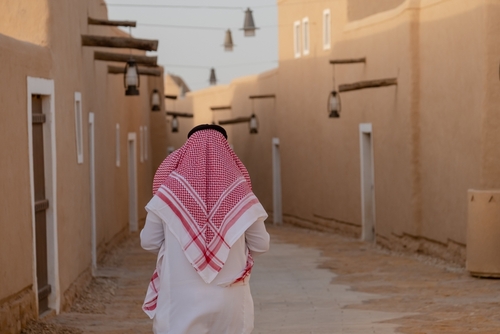
This way of using only the needed letters, along with its right-to-left direction of writing, made the etruscan language and its writing system stand out. Their script was made just right for the unique phonology of the etruscan language, with interesting ideas like the use of redundant letters and added signs.

Relationship to Greek and Latin Alphabets

The Etruscan alphabet was not made or used by itself. It was a big step between the Greek alphabet and the Latin alphabet. The story starts with the western Greek alphabet. Greek traders brought this writing system to Italy. The Etruscans used it and changed it to fit their own language. They made their own unique way to write words.


Later on, the Etruscans gave this new alphabet to their neighbors, the Romans. The Romans changed the Etruscan script more. They built the Latin alphabet from it. The Latin alphabet is what we use now in most western European languages. Next, we will look at how the Etruscan script is like the Greek alphabet and also the ways it helped to shape the Latin alphabet.
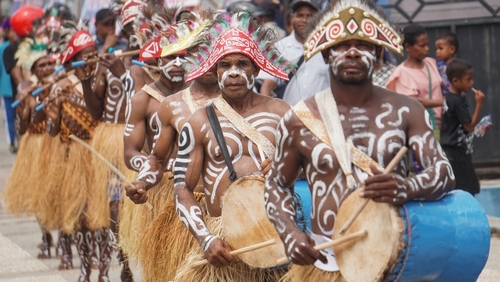

Comparisons with Greek Letterforms

When you see the Etruscan alphabet next to the greek alphabet, you can quickly spot the greek influence. Many letters look the same, especially in early etruscan inscriptions. The Etruscans took most letter shapes and their sounds straight from ancient greek.

But the Etruscans did not just copy everything. They changed things to fit their own way of speaking.

  • Dropped Letters: The Etruskans did not use some greek letters, like Beta (B) and Delta (D), because they did not say those sounds. Their language did not tell voiced and unvoiced sounds apart. They also got rid of Omicron because they did not use an ‘o’ sound at all.
  • Added Letter: The Etruscans had an ‘f’ sound that ancient greek did not have. So, they made a new letter for it. It looked like the number 8.

All these changes show the Etruscans started with the contemporary forms of the greek alphabet but made it fit their world. They created something new for their own people.

Influence on the Latin Alphabet

The Etruscan alphabet was the direct parent of the Latin alphabet. The rise of the Latin alphabet is a story where the Romans borrowed and improved things, with the Etruscans being the main go-between for this writing system. When the early Romans became more powerful, they started using the way of writing that their important neighbors, the Etruscans, had.

The Romans took the Etruscan script and made it fit their own language, which was one of the related languages called Italic. Over the course of its simplification, they made big changes. One important change was turning the writing direction from right-to-left to the left-to-right way most people use now.

They brought back some letters that the Etruscans had stopped using. For example, the Romans needed a letter for the ‘O’ sound, so they brought back that letter. They also started using the Etruscan ‘C’ for both ‘k’ and ‘g’ sounds before adding a new letter, ‘G’. This way of passing on ideas in writing is what made the Etruscans’ place in history last for a long time.

Etruscan Inscriptions and Artifacts

The story of the Etruscan alphabet can be seen on thousands of Etruscan artifacts that have lasted over the years. While we do not have many of their important books, we do have etruscan inscriptions on many different objects. These writings give us clues about the Etruscans’ language, what they believed, and how they lived every day.

You can find their script everywhere, from fancy etruscan tombs to simple greetings at an etruscan sanctuary. The most common etruscan inscriptions are short and use the same few phrases. You will often see these on funerary urns and on sarcophagi. Now, let’s take a look at some of the most notable examples of this writing found on these monuments and tablets.

Major Examples from Monuments and Tablets

Most Etruscan inscriptions are short. Still, there are some very important Etruscan texts that are much longer. These few, longer examples have helped us understand the language a lot. Many of these big tablets and long texts are now kept in the national museum. They give people the most material to look at when people study the Etruscan text and words.

Some of the best examples of longer Etruscan inscriptions are:

  • The Liber Linteus Zagrabiensis: This is the longest Etruscan text that has survived. The words are written on a linen book. Later, people used this fabric to wrap a mummy. It looks like it is a ritual calendar.
  • The Pyrgi Tablets: These are three golden plates. People found them at a sanctuary in Pyrgi. They are important because they have writing in both Etruscan and Phoenician. This has helped a lot with translation.
  • The Tabula Cortonensis: This bronze tablet shows details of a land deal. It helps people know more about the words they used for rules and social matters.
  • The Cippus Perusinus: This is a stone tablet from Perugia. It tells about a legal agreement between two families.

These long etruscan texts, found on these tablets and other places, are very important in the history of the Etruscans. They give us the best way to try to know what the Etr

The Marsiliana Tablet and Its Significance

The Marsiliana Tablet is one of the key finds for those who want to know about the origin of the Etruscan alphabet. It was found in a tomb from the 7th century BC. The tablet is small and made from ivory. It is not used for normal writing but instead is a “model alphabet.” On one side, you see the full 26-letter western variety of the greek alphabet. The letters sit in a line around the edge.

The tablet gives us a clear look at the point in time when the Etruscans took the greek alphabet from Greek people living nearby. These people probably came from the city of cumae. The board shows all the letters that the Etruscans used before making changes to fit their own words.

Because of the tablet, we know the Etruscans got the alphabet all at once and not in pieces. The tablet may have been used for practice in writing or as a chart to help learn the letter order and shapes. For people who study history, the Marsiliana Tablet is important. It shows right away how the Etruscan writing system connects back to the greek alphabet.

Conclusion

To sum up, the Etruscan alphabet is a great way to see the link between old civilizations and modern languages. The way it is built and its different qualities show a lot about the Etruscans and help us see how it shaped both Greek and Latin writing. When we look at Etruscan inscriptions and old pieces, we get to know more about their culture, language, and art. If you love history or just want to know where writing began, learning about the Etruscan alphabet can give you many new ideas. If you want to know more or need a talk about this, you can get in touch anytime!

Frequently Asked Questions

Why is the Etruscan language only partly understood today?

The Etruscan language is not fully known. The reason for this is that there is no big piece of writing from them, and it does not have closely related languages we can compare it to. All that we know of Etruscan comes from short and repetitious funeral writings. That means our knowledge of Etruscan offers only a little vocabulary and grammar. This makes it hard to get a full idea of the Etruscan text and also hard to find any clear linguistic similarities to other languages.

How can someone start identifying Etruscan writing?

To find Etruscan inscriptions, you should look at the direction of writing. Most of the time, the Etruscan writing system goes from right to left. You need to know the letter shapes, too. The Etruscan alphabet has its own look. One special sign you might see is ‘8’, which they used for the ‘f’ sound. When you spot these things on old items, you will have a good start in picking out Etruscan inscriptions. This is a key step to know more about their writing.

Are there modern uses or representations of the Etruscan alphabet?

The Etruscan alphabet is not used in modern times. But you can still find it in books or studies about history. The Latin alphabet came from it, and that is probably its biggest sign of being passed down to us today. People are still interested in this culture. Emperor Claudius, the Roman emperor, wrote about the Etruscans too. But sadly, none of his work about them is left for us to read now.

Key Highlights

Here’s a quick look at what this article covers:

  • Old Persian cuneiform is an old way to write used by the Achaemenid Persian Empire. People say it was made by Darius I around 520 BC.
  • The script brings together different signs. It has alphabet signs, signs that stand for full sounds, and even signs for words. This makes the old Persian cuneiform script stand out among other writing systems.
  • A well-known thing written in Old Persian cuneiform is the big Behistun Inscription. It helped people understand how to read this script.
  • Some European scholars, like Carsten Niebuhr and Henry Rawlinson, were the first to start breaking the code of the Persian cuneiform script.
  • This old way of writing helps us learn much about the history, the words, and the power that rulers of the Persian Empire had.

Introduction

Have you ever thought about how old kings told people about their wins for all time? The Persian Empire was one of the biggest powers in history. They used a special way to write called old persian cuneiform. With it, they shared stories about their strong leaders and the huge lands they ruled. Old persian cuneiform shows us the old persian language that the top people of the Persian Empire used. When we read these old persian writings, we find out what life was like more than two thousand years ago. The words bring us into the world of ancient persian times.

The Origins and Development of Old Persian Cuneiform

The story of how the Old Persian cuneiform script came to be is very interesting. Most ancient scripts changed slowly over many years. But the Old Persian cuneiform script was made on purpose. King Darius I said he started it around 520 BC, and he probably asked his writers to make a new script for his big public writings.

This special type of persian cuneiform soon became the way for kings to make important statements. That helped make it a big part of history. Old Persian was an Old Iranian tongue. It let the Achaemenid rulers stand out from other groups that used different cuneiform scripts back then. Now, let’s look at how people found this old persian cuneiform script and what was happening in history when it was made.

Early Evidence and Archaeological Discoveries

The story of Old Persian starts when people found it again after it was lost for a long time. For many years, people did not know about the script or what it meant. The beautiful writing on stones was confusing to everyone. In the 17th and 18th centuries, some explorers from Europe went to see places like the ruins of Persepolis. They wrote down what they found, and this made many people interested. These travelers copied the wedge-shaped marks they saw in the stone very carefully.

The first big clues about Old Persian did not come from the clay tablets they used to find in Upper Mesopotamia. Instead, these clues came from large stone monuments. These finds helped a lot in trying to figure out the writing and what it said. Some important places and finds are:

  • Inscriptions at the ruins of Persepolis, the main city of the Achaemenian empire.
  • The huge Behistun Inscription in what is now Iran.
  • Some smaller items found all over the old empire, from the Syrian Desert to Persia.

These discoveries gave scholars what they needed to start trying to read and understand old persian. The script began to be used in the 6th century BC, starting around 520 BC when Darius the Great ruled. This means that, compared to other cuneiform writing systems, it is one of the newer ones.

Historical Context within the Achaemenid Empire

The old Persian script started during an important time in the Persian Empire, under the reign of Darius I. When Darius became king, he wanted people to know he was the true ruler. He needed to show his power all across the large and mixed group of people in his empire. So, Darius told his workers to make a new old Persian script. This script was meant for Achaemenid royal inscriptions and was a strong way to spread his rule and message.

In these writings, Darius called himself big titles like “Great King” and “King of Kings.” He wrote down his wins and family line in stone at well-known spots. By doing this, he made sure people would remember him and his business for a long time. The old Persian script started to be a sign to people of the strength of the Achaemenid family and the Persian Empire.

The story and value of old Persian cuneiform are closely tied to what the Persians wanted to do. The old Persian script was not used for things people did every day, like making a note with clay tablets. It was for big things. It showed the king had the right to lead and that he was in charge of many people and lands.

The Evolution from Earlier Writing Systems

Old Persian cuneiform was something new, but the people who made it did not do it alone. They had seen other ancient scripts before and got ideas from the old cuneiform writing system that started in Mesopotamia thousands of years ago. The signs all look wedge-shaped, showing this history.

The Old Persian cuneiform writing system is not like the earlier Akkadian or Sumerian scripts. Those had hundreds of hard signs. Old Persian is much easier, and uses a semi-alphabetic system. You can see some things it shares with the Ugaritic alphabet, which also wrote its sounds with cuneiform wedges but did not need as many signs.

Old Persian is not like Egyptian hieroglyphs, which used pictures. It is also not as difficult as old cuneiform systems that mixed signs for words and syllables. Old Persian made writing faster and easier. This helped the Achaemenid kings get their royal messages down quickly and clearly.

Structure of the Old Persian Cuneiform Script

At first, the Old Persian script may look like a bunch of wedges placed together in a puzzling way. But, it really has a clear system behind it. The Persian cuneiform script is a mix of different writing types. It uses parts of an alphabet, a syllabary, and also logograms, which stand for whole words. This mix makes it stand out from other cuneiform scripts.

Its sign inventory is much smaller than the ones you see in older Mesopotamian writing systems. So, there is less to learn with the old persian script. To know Old Persian, you need to spot 36 different phonetic signs. There are also a few logograms, and a special word divider that is part of this cuneiform script.

Let’s break down these parts to see how the old persian script really works.

Symbol Inventory and Sign Classification

The core of the Old Persian script is its set of 36 phonetic signs. These are not purely alphabetic like the letters we use today. Instead, most of the different signs are syllabic, meaning they represent a consonant followed by a vowel. For example, a single sign could stand for “da,” “di,” or “du.” This simplified the sign inventory significantly compared to older cuneiform scripts.

Scholars classify these signs based on the sounds they represent, often using the International Phonetic Alphabet (IPA) for precise transcription. The system includes pure vowel signs, which are used at the beginning of words, and the consonant-vowel syllabic signs. Recognizing Old Persian symbols involves learning these phonetic values.

To give you an idea, here’s a small sample of the signs and their classifications. Note that the appearance is a simplified description of the wedge shapes.

Sign Category Example Sign (Simplified) Transliteration
Vowel ? a
Syllable ? da
Syllable ? xa
Syllable ? mi

Logograms, Syllabary, and Numerals

Besides its syllabic signs, the Old Persian cuneiform script used some special marks to help people write faster. The most useful of these were logograms. These are single signs that stand for a whole word. This was a quick way to write common words in royal messages. The script also had an easy-to-understand way to show numbers.

This setup connects the cuneiform script straight to how people spoke Old Persian. The main part of this script turned spoken sounds into signs, known as the syllabary. Logograms then gave a fast way to write key ideas. This mix of ways to write was a good fit for big stone carvings. The system included:

  • Logograms for big words like “king,” “god,” “earth,” and “country.”
  • A logogram just for the top god, “Ahuramazda.”
  • A special wedge going at a slant to split words, so the text was much easier to read than other cuneiform scripts.
  • A ten-based number system for counting.

The old persian cuneiform script was not the same as the Persian alphabet, which showed up later on. It put together different ways to write in one system. The numerals and logograms worked with the syllabic signs, so the carvings could share the whole meaning of the old persian language on stone.

old persian
persian cuneiform
cuneiform script

Comparison with Other Ancient Cuneiform Scripts

Yes, Old Persian cuneiform looks very different from other cuneiform scripts like Akkadian or Sumerian. While they all use wedge-shaped marks, the systems do not work the same way. Old Persian cuneiform script is known for being simple. The older cuneiform writing had many signs—sometimes hundreds—for many uses. These could stand for whole words, short sounds, or signs that help tell what words mean.

But Old Persian cuneiform script is not as complex. Most signs show syllables, and there are just a few logograms. This helps make the system clear and quick to use. Here are some main ways they differ:

  • Sign Count: Old Persian has only 36 phonetic signs and a few logograms. Akkadian cuneiform used many more, with several hundred.
  • Structure: Old Persian is semi-alphabetic. Older scripts were mostly logographic and syllabic.
  • Word Divider: Old Persian uses a sign to break up words. This is something you will not find in most other cuneiform scripts.

Because it is simple, Old Persian cuneiform was easy to pick up and read. This script was made for the royal texts of the time, not for full records or big stories. Once the Achaemenids were gone, this script stopped being used. After that, other systems took over and turned into what people know as Middle Persian.

[old persian cuneiform script](#

Decipherment of Old Persian Cuneiform

For almost two thousand years, people did not know what the cuneiform inscriptions in Persia meant. The decipherment of Old Persian was a big step forward in the 19th century. It started when European travelers got curious. These people made careful copies of the strange writings they saw in old ruins.

The work to unlock the script was a lot like a detective story. It needed smart thinkers, careful guessing, and important moments when things became clear. When the code for Old Persian texts was cracked, the scholars not only brought back knowledge of old Persian. They also found the way to read other, even older cuneiform languages. Now, let’s see the people and the ways that made all this possible.

Pioneers in Decipherment and Breakthrough Moments

The story of how people cracked the code of ancient cuneiform inscriptions started with a few focused people. In the 1760s, a German explorer named Carsten Niebuhr made sure to copy the cuneiform inscriptions at Persepolis very carefully. He was the first to notice that the writing used three different systems, was read left to right, and that the easiest of these scripts had 42 unique signs.

After Carsten Niebuhr, a man called Georg Friedrich Grotefend made a big guess that paid off. He believed the writings talked about Achaemenid kings and saw that one string of words repeated as a royal title, “King, Great King, King of Kings.” He figured out the Old Persian names for Darius, Darius’ father Hystaspes, and for his son Xerxes. By doing this, he could match several sounds to letters in the script.

The last step came from Henry Rawlinson, a British officer. In the 1830s, he climbed the Behistun cliff to copy a giant text written in three languages. His work appeared in the Journal of the Royal Asiatic Society and helped finish the puzzle for the Old Persian part. This made it possible for people to figure out the writing of the other two languages—Elamite and Babylonian—too.

Methods and Challenges in Translating the Script

The work to figure out cuneiform, especially the Old Persian script, was a great example of using logic to solve tough problems. At first, there was an important thing to notice: people found the same writing at places like Persepolis and Behistun, but it was shown in three scripts side by side. Out of those, the one called Class I looked the easiest, and they were right to think it was Old Persian.

What did people do? They looked for things that happen a lot. They saw that a slanted wedge in the writing showed where words stopped, so they could pick out each word one at a time. Next, they looked at the names of people. They tried to match names they already knew from old Greek stories, like the names of the Persian kings. When they compared the words for Darius and Xerxes in many old persian texts, they could slowly start to figure out which marks made which sounds.

The hardest thing for them was that they didn’t have a tool to compare like a Rosetta Stone. So, the decipherment of old persian and the whole decipherment of cuneiform was done just by guessing and looking at many different patterns. The Old Persian script used signs where each one stood for a mix of a consonant and a vowel, which made things even more tricky. This was something that people like Christian Lassen had to figure out first, before they could translate all of it.

How Decipherment Unveiled Royal Inscriptions

When the Old Persian script was cracked, people could now unlock a lost past of royal stories and events. For the first time in many years, folks were able to read and get the meaning of the Achaemenid royal inscriptions. These words came right from the Persian kings, who wrote about their lives, beliefs, and how big the Persian Empire really was.

The Behistun Inscription was the most famous of all these. When its words were shared with the world, it showed that the old tales of Darius the Great—how he came to power and put down uprisings in the empire—were true. So, what once were strange marks carved in stone started to look like strong records from history. Now, the old persian script opened up new knowledge, like:

  • The family lines and names of kings such as Darius and Xerxes.
  • Lists that showed the groups of people and places run by the Persian Empire.
  • Public notes from the kings about fair rules, keeping the peace, and their respect for their god Ahuramazda.

Now, the old persian inscriptions gave a lot for people to learn from. With these, history experts could check facts, and sometimes set straight what Greek writers like Herodotus said. All this gave a better picture of the Persian Empire and its rulers.

Key Royal Inscriptions in Old Persian

The story of Old Persian is seen in stone carvings found all over the big area of the old Persian Empire. These important royal writings show the power and respect that the Achaemenid kings had. Every Persian cuneiform inscription has a story to tell. You can see how a king became ruler or how a huge palace was built.

The Behistun Inscriptions are the most well-known of all. They played a big part in helping people read and understand the Persian cuneiform script. There are also many other such records at large archaeological sites. Let’s take a look at some of these amazing records from the past and see what they tell us about that time.

[Keywords used: old persian, persian cuneiform, persian empire, behistun inscriptions, persian cuneiform inscription]

The Behistun Inscription: Its Content and Significance

The Behistun Inscription is the most important out of all old Persian texts. It was carved into a limestone cliff in western Iran. This rock carving is a big story about Darius the Great. He wanted people to know who he was. The site also has a large carved picture of Darius himself. He is called the “King of Kings” and shows himself winning over his enemies. The size and hard-to-reach spot of the inscription were meant to help it last for all time.

The writing on this stone is in old Persian cuneiform script, Elamite, and Babylonian. Darius used these words to share how he became king. He says he is the real son and next ruler. He also writes about winning many fights against people who tried to take away his power. This writing worked like a message to support Darius and show that he belonged on the throne. In his inscription, Darius talks about:

  • Darius’s family roots, linking him to the Achaemenid rule.
  • His fights and work to keep his place as king.
  • A statement that he has the right to rule, given by the god Ahuramazda.

The meaning of the Behistun Inscriptions cannot be overlooked. Since there are three kinds of scripts used there, this rock helped experts crack the code for cuneiform script. Now, people could understand not only old Persian cuneiform script but also the languages used long ago in Mesopotamia

Examples from Persepolis and Other Major Sites

While Behistun is the best known, there are many other old persian inscriptions found at the ruins of persepolis. This place was the big ceremonial capital of the persian empire. The cuneiform writing system can be seen on doorways, on staircases, and at the large gates. At persepolis, these old persian inscriptions are usually short and have set phrases. While they might not have as many words as what is at Behistun, they are still important.

At persepolis, you can see that the inscriptions mostly tell the king’s name and his titles. They also talk about his part in building the beautiful palaces. This is a way to show everyone who visited the big city just how strong and faithful the king was. There are writings from Darius the Great, his son Xerxes, and even kings who ruled after them. All of them left words on these walls. Here are some other big places with old persian inscriptions:

  • The tomb of Darius the Great at Naqsh-e Rustam, which is close to persepolis.
  • Some inscriptions found at Susa, which was also a top capital in the persian empire.
  • A canal inscription from Suez, which shows that the persian empire even reached Egypt.

These old persian inscriptions prove that leaders used writing to show their rule all over the land—and to make sure there would be a long-lasting mark for all people to see.

What These Inscriptions Reveal about Royal Authority

The Old Persian inscriptions give us a clear look at what royal authority was like in the Persian Empire. These texts are strong and clear. They do not hide their message. They openly show power, right to rule, and approval from the gods. The phrase “King of Kings” was used many times. It was not just a fancy name. It showed the Persian ruler was the boss of all other local kings and leaders in his land.

In the old Persian inscriptions, it is clear that the king ruled with help from Ahuramazda. This god was the highest one in Zoroastrianism. Because of this, the king’s power was not only from the army, but also a duty given by god. Many times, the writing talks about the king making peace and fairness in the land. It also talks about him fighting lies and taking care of his people.

Even though old Persian cuneiform was used for these big writings, it was not the everyday language people used at work in the Persian empire. For their usual office language, they used Aramaic instead. This difference shows old Persian writing had a special job. It was made just for sharing big ideas about kingly power across the empire. It was not for daily business; it was made for everyone to remember, for a long time.

Modern Usage and Resources for Old Persian Cuneiform

Most people might think that old scripts like Old Persian cuneiform are only for museums or college papers. But now, this writing is being used in new ways because of the digital world. With the Unicode standard and special digital fonts, you can type Old Persian characters on your computer. This has helped a lot of researchers, students, and those who are interested in the subject.

The Old Persian language is not used every day and is not the same as the modern Persian spoken today. Even so, the writing is still important in books and on computers. There are many online resources and some university classes for those who have interest in it. You can find out more and even learn old Persian cuneiform if you want.

Unicode and Digital Fonts for Old Persian Script

For the Old Persian script to work on computers, it first had to be added to the Unicode Standard. The Unicode Standard gives every character a special number. This lets you use old persian in any program, on any device, and in any language. Old Persian was put into Unicode back in 2006. This move made digital fonts possible.

Now, there are digital fonts for old persian. These let people type and see old persian cuneiform on documents and websites. Many good fonts are free, and they try to look just like the old stone carvings. This is not the same as the newer persian alphabet, which came from the Arabic script.

If you want to type with old persian script, you can download fonts on the web. Here is where you can look:

  • Font sharing sites such as FontSpace may offer persian cuneiform fonts.
  • Some university and academic sites will give out special fonts.
  • The ‘Alphabetum’ font is made for ancient scripts and has all the old persian set.
  • The ‘Esnaashari & Sarhadi’s Old Persian Unicode Font’ is another font for this script.

Learning Tools and Resources for Reading Old Persian

Do you want to learn how to read the same language that Darius the Great used? There are now many tools to help you get started with Old Persian cuneiform script. It does take time and effort, but if you love history or old languages, you can learn the basics of the old Persian cuneiform script.

Most of these tools come from top schools and are shared by experts, so the info is good and follows the newest ideas in this field. You will find everything from simple guides about the script to books on the full old Persian language. You can use many things to get started on your way.

Some top ways to learn to read old Persian are:

  • Online courses and stuff posted by the University of Chicago, where they spend a lot of time on the study of the old Near East.
  • Textbooks and grammars that are put out by well-known publishers like Cambridge University Press.
  • Websites that focus on old languages. These often have sign lists, sample readings, and translations of Persian cuneiform script.
  • Academic articles and magazines that talk about special writings and points about the old Persian language.

No matter which way you want to learn, there is something out there for you to get into the old Persian cuneiform script and its history.

Conclusion

Old Persian cuneiform gives us a look into the ancient world. It shows us the way people used language, what their culture was like, and how power was held during the Achaemenid Empire. Learning about this writing system lets us know more about history. It helps us see how amazing early people were. When we look at where old persian started, how it was built, and the decipherment of Old Persian, we can see messages in royal writings that show us how people ruled and lived then. If you are interested in old persian or persian cuneiform, there are many resources you can use to learn. If you want to know more, you can get a free consultation to help guide you in learning about this old writing system.

Frequently Asked Questions

How can I identify genuine Old Persian cuneiform in museums or images?

To spot real Old Persian cuneiform, you need to look for simple signs. These are semi-alphabetic and not as hard to read as some other cuneiform scripts. One thing that shows it is true Old Persian is the slanted wedge, which works like a word divider. You can find real examples on items from the ruins of Persepolis at places like the British Museum. The old Persian writing is seen there for you to check and study.

Is Old Persian cuneiform still studied or used in modern research?

Yes, people still learn about old Persian cuneiform and the old Persian language. Historians, linguists, and archaeologists work with these topics a lot. Groups like the American Oriental Society and magazines like the Journal of the Royal Asiatic Society often share new work about old Persian texts. This helps all of us get a better look at the Achaemenid period using old Persian, Persian cuneiform, and the old Persian language.

Where can I find examples and translations of Old Persian royal inscriptions?

You can get translations of old persian inscriptions, like the well-known behistun inscriptions, in works from cambridge university press and also from university of chicago online. There are also many websites about ancient history that have easy-to-read translations and copies of the cuneiform inscriptions for everyone to see.