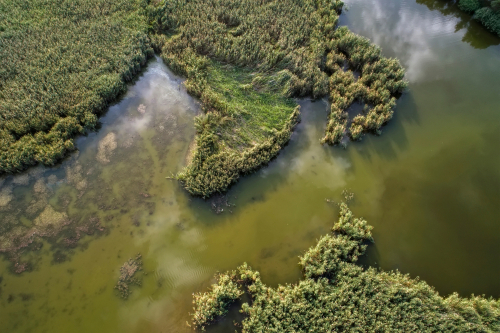

Wetlands are often misunderstood. Some see them as swampy wastelands, but they are actually vital lifelines for our planet. From filtering our water to protecting us from storms, these ecosystems do heavy lifting that benefits us all.
On February 2, 2026, the world will come together to celebrate World Wetlands Day. This isn’t just another date on the calendar. It is a global moment to recognize the value of these environments and the urgent need to protect them.
This year, the focus shifts to a powerful connection: the link between nature and culture. The 2026 theme helps us understand how traditional practices have sustained these ecosystems for generations. Whether you are an environmental advocate or just curious about nature, this guide covers everything you need to know about World Wetlands Day 2026.
What is World Wetlands Day?
World Wetlands Day is an international awareness campaign celebrated every year on February 2. It marks the anniversary of the Convention on Wetlands, which was adopted as an international treaty in 1971 in the Iranian city of Ramsar.
For decades, this day has united governments, organizations, and communities to protect these critical areas. In a major step forward, the UN General Assembly officially recognized the day in 2021 through Resolution 75/317. This solidified the global commitment to reversing wetland loss.
The goal is simple: to raise awareness. We need to understand why wetlands matter so we can take steps to save them.
The 2026 Theme: Wetlands and Traditional Knowledge
Every year, the Standing Committee of the Convention on Wetlands approves a specific theme. For 2026, the theme is “Wetlands and traditional knowledge: Celebrating cultural heritage.”
This theme highlights something often overlooked in modern conservation: the wisdom of the past. Indigenous peoples and local communities have lived in harmony with wetlands for centuries. They have developed deep-rooted connections to these lands, using traditional knowledge to manage resources sustainably.
The 2026 campaign spotlights how these cultural traditions and practices help sustain wetland ecosystems. It reminds us that protecting nature often means listening to the communities who have stewarded it the longest. By respecting cultural heritage, we can find better ways to preserve our environment for the future.
Why We Need to Act Now
The statistics on wetland loss are concerning. According to the Convention on Wetlands, nearly 90% of the world’s wetlands have been degraded since the 1700s. Even more alarming, we are losing wetlands three times faster than forests.
This loss impacts everyone. Wetlands provide fresh water, protect coastlines from flooding, and house a massive amount of biodiversity. When they disappear, we lose these natural defenses and resources.
Understanding these facts can feel overwhelming, but it is the first step toward change. Recognizing the speed of this loss drives the urgency of the 2026 campaign.
How You Can Get Involved
You don’t need to be a scientist or a policymaker to make a difference. The Secretariat of the Convention on Wetlands provides tools for everyone to join the conversation.
Use the official materials
For 2026, a variety of resources are available for non-commercial use to help you spread the word. You can download:
- Posters and Infographics: Visuals that explain the importance of traditional knowledge and wetland health.
- Social Media Cards: Ready-to-post images for your social channels.
- Campaign Toolkit: A guide with key messages and ideas for involvement.
- Educational Materials: Coloring posters for children and PowerPoint presentations for schools or workplaces.
Share your support
Social media is a powerful tool for awareness. Using the official hashtags and sharing the campaign’s key messages helps amplify the voice of wetlands. You can simply share a fact about wetland loss or highlight a local wetland in your community that has cultural significance.
Learn about your local wetlands
Take time to visit a wetland near you. Learn about its history. Are there local traditions or indigenous stories connected to that land? Understanding your local environment builds a stronger personal connection to the global cause.
Frequently Asked Questions
When is World Wetlands Day 2026?
World Wetlands Day is celebrated on Monday, February 2, 2026.
What is the theme for 2026?
The theme is “Wetlands and traditional knowledge: Celebrating cultural heritage.” It focuses on the role of traditional practices in sustaining wetland ecosystems.
Why is it celebrated on February 2?
This date marks the adoption of the Convention on Wetlands on February 2, 1971, in Ramsar, Iran.
Is this an official United Nations day?
Yes. The UN General Assembly adopted Resolution 75/317 on August 30, 2021, officially establishing February 2 as World Wetlands Day.
Why are wetlands disappearing?
Wetlands are often drained for agriculture, construction, and development. Pollution and climate change also contribute to their degradation. Currently, they are disappearing three times faster than forests.
Protecting Our Future by Honoring the Past
World Wetlands Day 2026 offers a unique opportunity. It invites us to look back at traditional wisdom to move forward in conservation. By valuing the cultural heritage tied to these ecosystems, we can build a more sustainable future for people and the planet.
Whether you share a post, visit a local marsh, or simply learn more about the crisis, your attention matters. Let’s work together to ensure these vital ecosystems—and the cultures connected to them—survive for generations to come.