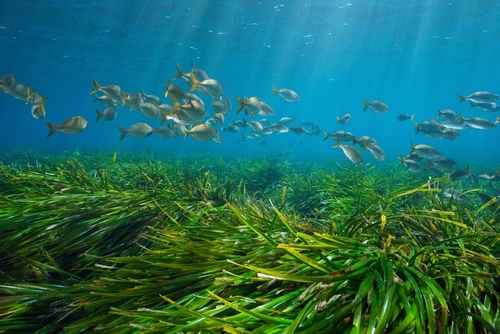

Beneath the ocean’s surface lies a vast, green secret. Seagrass meadows, often called the “lungs of the ocean,” cover hundreds of thousands of square kilometers of the sea floor. While they look like humble patches of grass, they are actually powerful ecosystems that support life both underwater and on land.
Sadly, these meadows are disappearing at an alarming rate. That is why the United Nations proclaimed March 1 as World Seagrass Day. As we approach World Seagrass Day 2026, it is time to understand why these underwater plants matter to our climate, our oceans, and our communities.
What is World Seagrass Day?
The United Nations General Assembly officially designated March 1 as World Seagrass Day to shine a light on one of the most valuable, yet overlooked, ecosystems on the planet. The goal is simple: to raise global awareness about seagrass and encourage actions that protect it.
This annual observance is more than just a date on the calendar. It is a call for governments, scientists, and communities to work together. It highlights how seagrass contributes to marine biodiversity, helps fight climate change, and supports the livelihoods of millions of people living in coastal areas.
Why Seagrass Matters
Seagrass might look like simple underwater lawns, but it does heavy lifting for the planet. Here are the key reasons why healthy seagrass means a healthy world.
Supporting Marine Life
Seagrass meadows are nurseries for the ocean. They provide food and safe shelter for thousands of species, from tiny seahorses and crabs to large animals like sea turtles, dugongs, and manatees. Many of the fish we eat spend the early parts of their lives hiding in seagrass, making these meadows essential for global fisheries.
Fighting Climate Change
You may have heard of rainforests absorbing carbon, but seagrass is just as effective. These plants capture carbon dioxide from the atmosphere and store it in the ocean floor. This process is known as “blue carbon.” Seagrass meadows can store carbon up to 35 times faster than tropical rainforests, making them a critical ally in the fight against climate change.
Protecting Coasts and Cleaning Water
Seagrass roots hold the sea floor together. This stabilizes the sand and prevents erosion, which protects beaches and coastal homes during storms. Furthermore, the blades of grass trap floating sediment and filter out pollutants, keeping the ocean water clear and clean.
Supporting Livelihoods
For many coastal communities, seagrass is directly tied to survival. By supporting healthy fish populations, these meadows ensure that local fishers can feed their families and earn a living.
The Threats: What’s at Risk?
Despite their importance, seagrass meadows are in trouble. We are losing them at a rate of roughly 7% per year. This loss is caused by a mix of human activities and environmental changes.
- Pollution: Runoff from farms and cities brings excess nutrients into the water, causing algae blooms that block sunlight and kill the grass.
- Coastal Development: Building ports, dredging, and land reclamation projects physically destroy the meadows.
- Climate Change: Rising ocean temperatures and severe storms stress these sensitive plants.
- Destructive Fishing: Certain fishing practices, like bottom trawling, can rip up the sea floor and damage the root systems of seagrass.
How the World Is Responding
The situation is serious, but there is hope. The establishment of World Seagrass Day is part of a growing global response.
Scientists and conservation groups are mapping seagrass meadows to better understand where they are and how to save them. Local communities are getting involved in restoration projects, physically planting new seagrass shoots to rebuild damaged areas. On a policy level, more nations are including seagrass protection in their climate action plans, recognizing the value of blue carbon.
How You Can Celebrate World Seagrass Day 2026
You do not need to be a marine biologist to make a difference. Here are practical ways you can participate on March 1, 2026.
- Learn and Share: Take some time to read about local marine ecosystems. Share facts on social media using hashtags like #WorldSeagrassDay to help spread the word.
- Support Conservation: Look for organizations dedicated to ocean conservation. You can support them through donations or by volunteering your time.
- Participate Locally: If you live near the coast, look for beach clean-up events. Keeping trash out of the ocean helps keep seagrass beds healthy.
- Attend Virtual Events: Many organizations host webinars and online panels on World Seagrass Day. These are great opportunities to listen to experts and ask questions.
Frequently Asked Questions
Is seagrass the same as seaweed?
No, they are different. Seagrass is a flowering plant with roots, stems, and leaves, similar to the grass on your lawn. Seaweed is a type of algae that does not have a true root system or flowers.
Can seagrass grow anywhere?
Seagrass grows in salty and brackish waters around the world, typically in shallow areas where sunlight can reach the plants. You can find it along the coastlines of every continent except Antarctica.
Why is it called a “carbon sink”?
A carbon sink is anything that absorbs more carbon from the atmosphere than it releases. Seagrass is a “blue carbon sink” because it traps carbon in the marine sediment, keeping it locked away for potentially thousands of years.
A Day for Action
World Seagrass Day 2026 is a reminder that our health is connected to the health of the ocean. Protecting seagrass is not just about saving a plant; it is about protecting our climate, our food sources, and our coastlines.
By understanding the value of these silent guardians, we can ensure they continue to thrive. Let this March 1 be the start of your commitment to a cleaner, healthier ocean.