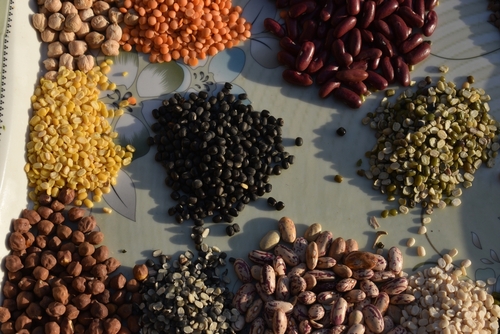

If you’ve never heard of a “pulse” outside of a doctor’s office, you aren’t alone. But for millions of people around the world, pulses are a daily staple that provides essential nutrition and supports sustainable farming.
On February 10, 2026, the world will come together to celebrate World Pulses Day. This global event isn’t just about eating beans—it’s about recognizing how these small, powerful seeds can help solve big problems like hunger, climate change, and soil health.
Here is what you need to know about this upcoming observance and why these tiny ingredients matter more than ever.
What is World Pulses Day?
World Pulses Day is an annual global event designated by the United Nations to raise awareness about the nutritional and environmental benefits of pulses. It takes place every year on February 10.
The day builds on the success of the International Year of Pulses in 2016. Recognizing the potential of these crops to achieve the 2030 Agenda for Sustainable Development, the UN General Assembly officially proclaimed World Pulses Day in 2019.
The goal is simple: to encourage people to eat more pulses and to support the farmers who grow them. By doing so, we can work toward better nutrition, better production, a better environment, and a better life for all.
What exactly are “pulses”?
Pulses are the edible seeds of leguminous plants that are harvested for food. The term “pulse” comes from the Latin word puls, meaning thick soup or potage.
The most common types include:
- Dry beans (like kidney beans, navy beans, and pinto beans)
- Lentils (red, green, brown, and black)
- Dry peas (like chickpeas and split peas)
- Lupins
It is important to note that not all legumes are pulses. Crops that are harvested green (like green peas or green beans) or used mainly for oil extraction (like soybeans and peanuts) are classified differently. Pulses refer specifically to the dry seeds.
Why are pulses so important?
Pulses are often called “superfoods” for good reason. They pack a powerful punch when it comes to both nutrition and sustainability.
Nutritional powerhouses
For many communities where meat and dairy are expensive or inaccessible, pulses are a vital source of protein. They are:
- High in protein: A cost-effective alternative to animal proteins.
- Rich in fiber: Great for digestive health and stabilizing blood sugar.
- Low in fat: Naturally low in sodium and fat, making them heart-healthy.
- Packed with vitamins: They contain iron, potassium, and folate.
Environmental heroes
Pulses are just as good for the planet as they are for people.
- Nitrogen-fixing: Pulses have a unique ability to take nitrogen from the air and fix it into the soil. This improves soil fertility and reduces the need for synthetic fertilizers.
- Water-efficient: They have a low water footprint and are drought-tolerant, making them ideal for arid regions.
- Food waste reduction: Dried pulses have a long shelf life, meaning they can be stored for long periods without spoiling, which helps reduce food waste.
What is the theme for World Pulses Day 2026?
As of now, the Food and Agriculture Organization (FAO) has not yet announced the specific theme for 2026. The theme is typically revealed closer to the date.
For context, the theme for 2025 was “Pulses: Bringing diversity to agrifood systems,” highlighting how these crops contribute to biodiversity and resilient farming. Previous years have focused on youth, soil health, and sustainability.
Regardless of the specific theme, the core message remains consistent: pulses are essential for a sustainable future.
How to celebrate
You don’t need to be a farmer or a scientist to get involved. Here are simple ways to participate on February 10, 2026:
- Cook with pulses: Swap out meat for lentils in a bolognese, add chickpeas to your salad, or make a hearty bean soup.
- Spread the word: Share facts on social media using the hashtags #WorldPulsesDay and #LovePulses.
- Donate: Support food banks or organizations that provide nutritious meals to those in need. Pulses are a staple in food aid because of their high nutritional value and long shelf life.
Frequently asked questions
When was World Pulses Day established?
The UN General Assembly proclaimed World Pulses Day in 2019 (Resolution A/RES/73/251), following the success of the 2016 International Year of Pulses.
Are peanuts considered pulses?
No. While peanuts are legumes, they are grown primarily for their oil content and are not classified as pulses by the FAO. The same applies to fresh green peas and soybeans.
Do pulses really help climate change?
Yes. Because they improve soil health and require less synthetic fertilizer, they reduce greenhouse gas emissions. Their ability to grow with less water also makes them resilient in a changing climate.
Where can I find recipes?
The FAO and the Global Pulse Confederation offer extensive recipe libraries online. A quick search for “pulse recipes” will give you thousands of options, from hummus to lentil curry.
A small seed with a big impact
It is easy to overlook the humble bean or lentil in the grocery aisle. But as we look toward 2026, it is clear that these small seeds will play a massive role in feeding a growing population sustainably.
This February 10, take a moment to appreciate the power of pulses. Whether you are cooking a family meal or simply learning more about where your food comes from, you are part of a global movement toward a healthier, more sustainable world.