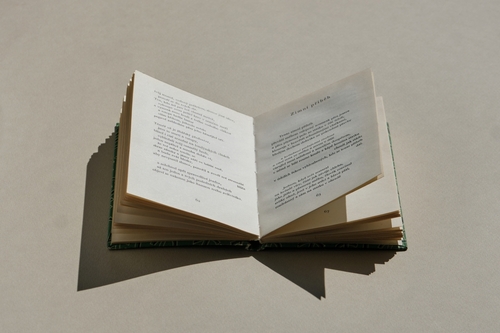

Imagine a Saturday where the hum of a café in Paris blends with the rhythm of spoken word in a Nairobi community center. Picture a classroom in Tokyo where students read haikus aloud, while social media feeds in New York light up with verses shared across digital borders. This isn’t just a daydream of global connection; it is the reality of World Poetry Day.
On March 21, 2026, the world will once again pause to honor one of humanity’s most ancient and cherished art forms. Poetry is more than just rhymes on a page; it is a vital cultural force that captures the human experience, preserves endangered languages, and fosters dialogue between diverse communities. Whether it is an epic poem passed down through generations or a contemporary slam performance, poetry remains a powerful catalyst for creativity and empathy.
This guide explores the significance of World Poetry Day 2026, its origins, and how you can participate in this global celebration of linguistic diversity.
What Is World Poetry Day?
World Poetry Day is an international observance dedicated to honoring poets, reviving oral traditions, and promoting the reading, writing, and teaching of poetry. It was first adopted by UNESCO (the United Nations Educational, Scientific and Cultural Organization) in 1999 during its 30th General Conference in Paris.
The primary objective of the day is to support linguistic diversity through poetic expression and offer endangered languages the opportunity to be heard within their communities. UNESCO recognized that poetry fulfills a social need—it satisfies a desire for aesthetics and connects people to their roots. By designating a specific day for poetry, the organization aimed to create a fresh public image for the art form, moving it away from the perception of being an outdated art for specialized circles and establishing it as a vibrant, essential part of society.
Beyond the arts, World Poetry Day encourages a convergence between poetry and other arts such as theater, dance, music, and painting. It also aims to raise the visibility of poetry in the media, ensuring that the art form is not just celebrated in academic halls but is accessible to everyone.
When Is World Poetry Day 2026?
World Poetry Day 2026 will take place on Saturday, March 21, 2026.
This date remains constant every year, regardless of the day of the week. While it is not a public holiday—meaning businesses and schools generally remain open—it is widely marked by cultural institutions, libraries, schools, and publishers around the globe.
Because the 2026 observance falls on a Saturday, we can expect a significant increase in community events, festivals, and public gatherings compared to years when it falls on a weekday. This weekend timing offers a perfect opportunity for families, students, and working professionals to fully engage with local and online festivities.
Why the Date Matters
The choice of March 21 holds symbolic weight. In the Northern Hemisphere, this date marks the vernal equinox—the beginning of spring. Just as spring represents rebirth, growth, and new life, poetry is often seen as a constant renewal of language and human thought.
The decision by UNESCO to establish this date was a strategic move to give poetry global recognition. Before 1999, various nations celebrated national poetry days in October or November. While many countries still maintain their specific national observances (such as National Poetry Month in April for the United States), March 21 serves as the unifying global moment where all nations come together under one banner.
Poetry is one of the deepest forms of human expression. It exists in every culture and language, from the ancient oral traditions of the Griots in West Africa to the modern spoken word movements in urban centers. By celebrating on a unified date, the world acknowledges that despite our linguistic differences, the human need to express emotion and truth through verse is universal.
Themes & Cultural Significance
The significance of World Poetry Day goes far beyond simply reading a book. It touches on critical social and cultural themes that affect us all.
Amplifying Diverse Voices
One of the core missions of this day is to amplify voices that are often marginalized. Poetry provides a platform for underrepresented communities to share their stories, struggles, and triumphs on their own terms. It allows for a democratization of voice, where a teenager’s poem on social media can carry as much weight and truth as a laureate’s published work.
Preserving Endangered Languages
Language is the vessel of culture, and when a language dies, a unique way of seeing the world disappears with it. Poetry plays a crucial role in language preservation. Many endangered languages are kept alive through oral poetic traditions. World Poetry Day specifically highlights these languages, encouraging communities to speak, teach, and write in their native tongues to ensure they survive for future generations.
Fostering Dialogue and Peace
In a world that often feels divided, poetry fosters dialogue. It builds bridges across cultures, generations, and social divides. When we read a poem translated from another language, we step into someone else’s shoes. We experience their joy, their grief, and their perspective. This empathy is the foundation of peacebuilding. UNESCO views poetry as a tool for “intellectual moral solidarity,” helping to bring humanity together through shared values.
How World Poetry Day Is Observed
Celebrations for World Poetry Day take many forms, ranging from intimate gatherings to large-scale digital campaigns.
Poetry Readings & Open Mics
This is perhaps the most common way the day is celebrated. Local coffee shops, libraries, bookstores, and community centers host open mic nights. These events are often inclusive, inviting both seasoned poets and first-time readers to share their work. In 2026, with the day falling on a Saturday, expect all-day festivals and outdoor readings in parks and public squares.
Educational Workshops
Schools play a massive role in World Poetry Day. Teachers often dedicate the week leading up to March 21 to poetry units. Students might learn about haikus, sonnets, or free verse, and then try their hand at writing their own. Workshops led by visiting poets help demystify the process, showing students that poetry isn’t just for textbooks—it’s a living, breathing way to communicate.
Social Media & Global Sharing
The digital age has transformed how we interact with poetry. Hashtags like #WorldPoetryDay and #WorldPoetryDay2026 will be trending topics. Enthusiasts share images of their favorite stanzas, videos of spoken word performances, and original micro-poetry. This global sharing creates a massive, virtual anthology that anyone with an internet connection can access.
Ways to Celebrate or Participate
You don’t need to be a professional writer to get involved. Here are practical ways you can participate in World Poetry Day 2026:
- Write Your Own Poem: Use the day as an excuse to put pen to paper (or fingers to keyboard). Don’t worry about rhyming or structure. Just focus on expressing a feeling or a moment.
- Share a Favorite: If writing isn’t your strength, share a poem that means something to you. Post it on your social media, or simply read it aloud to a friend or family member.
- Attend a Local Event: Check your local community calendar. Libraries and bookstores are great places to start. Supporting local arts events helps keep the cultural community vibrant.
- Explore New Voices: Make a conscious effort to read poetry from a culture different from your own. Look for translated works or anthologies that feature global voices. This expands your worldview and supports the core mission of the day.
- Support Poets: Buy a book of poetry from a living poet. Supporting artists financially allows them to continue their work and keep the art form alive.
Why Poetry Still Matters Today
In our fast-paced, information-heavy world, one might ask: does poetry still matter? The answer is a resounding yes.
Poetry slows us down. It forces us to pay attention to language and to the specific details of life. It has the unique power to express complex emotions in simple lines, making the unexplainable feel tangible. During times of crisis or great joy, people often turn to poetry because standard prose fails to capture the intensity of the moment.
Furthermore, poetry strengthens our linguistic heritage. It challenges us to use language precisely and creatively. In an era of quick texts and 280-character updates, poetry reminds us of the beauty, rhythm, and power of words. It fosters understanding in a world that is increasingly interconnected yet diverse, reminding us that beneath the surface, our hopes and fears are remarkably similar.
Frequently Asked Questions
Is World Poetry Day a public holiday?
No, World Poetry Day is not a public holiday. Schools, businesses, and government offices remain open. However, it is an official observance recognized by the United Nations, and many cultural organizations host special events to mark the occasion.
Who founded World Poetry Day?
World Poetry Day was adopted by UNESCO (United Nations Educational, Scientific and Cultural Organization) in 1999. The decision was made during their 30th General Conference held in Paris, France.
How can schools participate in World Poetry Day?
Schools can participate by hosting poetry recitals, inviting local poets for workshops, organizing poetry writing contests, or simply dedicating class time to reading poems from different cultures. Many teachers use the day to explore the connection between poetry and other subjects like history or social studies.
Is there a specific theme for World Poetry Day 2026?
UNESCO does not typically designate a single, changing theme for World Poetry Day each year in the same way they do for other observances. The enduring theme is always the promotion of linguistic diversity, communication, and the support of endangered languages through poetic expression.
The Enduring Impact of Verse
World Poetry Day 2026 is both a celebration and a reminder. It reminds us that words shape our world and that poetry enriches the way we see it. Whether you are a lifelong lover of literature or someone who hasn’t read a poem since high school, March 21 offers a chance to reconnect with the rhythm of language.
We invite you to pick up a book, share a verse, or pen one of your own. Reflect on how language and creativity bind us together across continents and centuries.
Mark your calendar: Saturday, March 21, 2026. Join the world in celebrating the enduring power and cultural impact of poetry.