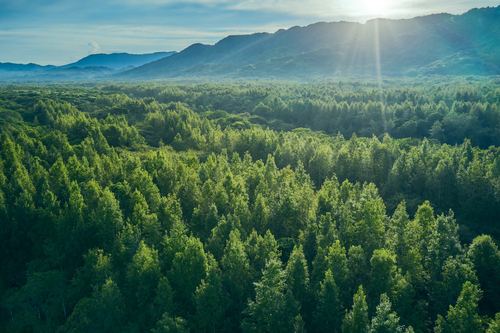

Imagine standing in a space where the only sounds are the rustling of leaves in the wind, the call of distant birds, and the soft crunch of pine needles beneath your boots. The air is cool and smells of earth and rain. Sunlight filters through the canopy in dappled patches, illuminating ferns and moss.
This sense of peace and vitality isn’t just a pleasant escape—it is the heartbeat of our planet. Forests are the lungs of the Earth, critical ecosystems that sustain life, regulate our climate, and provide for billions of people.
On March 21, 2026, the globe will come together for World Day of Forests 2026. This is more than just a date on the calendar; it is a vital moment to honor our woodlands, understand their immense value, and take concrete action to secure their future. whether you live in a bustling city or a rural village, this day is an invitation to reconnect with nature and recognize the essential role forests play in our collective survival.
What Is the World Day of Forests?
The International Day of Forests—often referred to simply as World Day of Forests—was established by the United Nations General Assembly in 2012. The goal was simple but profound: to celebrate and raise awareness of the importance of all types of forests and trees outside forests.
Since its inception, the day has become a global platform for action. It encourages countries, local communities, and individuals to undertake local, national, and international efforts to organize activities involving forests and trees. These activities range from large-scale tree-planting campaigns to educational symposiums, art exhibitions, and community workshops focused on conservation.
It is a day that bridges the gap between policy and people, reminding us that the health of our forests is directly linked to the health of our societies.
When Is World Day of Forests 2026?
World Day of Forests is observed annually on the same date. In 2026, it falls on Saturday, March 21.
The United Nations chose March 21 intentionally. It coincides with the vernal equinox—the first day of spring—in the Northern Hemisphere (and the autumnal equinox in the Southern Hemisphere). Spring is traditionally a time of renewal, growth, and new life. It is the season when dormant trees wake up, sap begins to flow, and buds burst into leaves. This symbolism makes it the perfect time to celebrate the resilience and enduring power of our forests.
The 2026 Theme: Forests and Economies
Each year, the Collaborative Partnership on Forests selects a specific theme to guide the celebrations. For 2026, the theme is “Forests and Economies.”
This theme is particularly timely. Often, we think of forests solely in terms of environmental protection or recreation. However, forests are also economic powerhouses. The 2026 theme highlights the fact that forests are essential for global economic prosperity.
This goes far beyond just the timber industry. Forests support economies by:
- Creating Jobs: The forest sector employs millions of people worldwide, from forestry management and conservation to research and eco-tourism.
- Supplying Essential Products: Forests provide wood for construction and furniture, but they also supply non-timber products like fruits, nuts, resins, and medicinal plants that support local markets.
- Enhancing Agriculture: Healthy forests regulate water cycles and prevent soil erosion, which is crucial for neighboring agricultural lands to remain productive.
- Supporting Energy: Wood fuel remains a primary energy source for cooking and heating for a significant portion of the global population.
By focusing on “Forests and Economies,” World Day of Forests 2026 aims to show that sustainable forest management isn’t just good for the planet—it’s good for business and essential for fighting poverty.
Why Forests Matter to Everyone
You don’t need to be a forestry expert to understand the impact trees have on your daily life. The benefits of forests are vast and touch every living being on Earth.
Biodiversity Hotspots
Forests are the most biologically diverse ecosystems on land. They are home to more than 80% of all terrestrial species of animals, plants, and insects. From the microscopic fungi that break down organic matter to the great apes of the rainforests, these ecosystems are complex webs of life. When we lose forests, we lose the genetic diversity that keeps our planet resilient.
Climate Guardians
Perhaps the most critical role forests play today is in climate regulation. Trees act as massive carbon sinks. They absorb carbon dioxide from the atmosphere and store it in their wood and soil. By doing so, they play a frontline role in mitigating climate change. Preserving existing forests is one of the most cost-effective ways to fight global warming.
Livelihoods for Billions
The United Nations estimates that around 1.6 billion people—including more than 2,000 indigenous cultures—depend on forests for their livelihoods. For these communities, the forest is a grocery store, a pharmacy, and a source of fuel and shelter.
Clean Air and Water
Forests are natural filters. They clean the air we breathe by trapping pollutants. They also play a crucial role in the water cycle. Forested watersheds supply a vast amount of the world’s accessible fresh water for domestic, agricultural, industrial, and ecological needs. They act like giant sponges, soaking up rainfall and releasing it slowly, which helps prevent floods and ensures stable water flow during dry periods.
Global Challenges: Why We Must Act
Despite their undeniable value, our forests are under threat. Deforestation and forest degradation continue at an alarming rate. We are losing forests to agricultural expansion, unsustainable logging, infrastructure development, and increasingly severe forest fires driven by climate change.
While forests cover roughly 30% of the Earth’s land mass, that number is shrinking. The loss of these ecosystems has a domino effect:
- Wildlife loses its habitat, pushing species toward extinction.
- Stored carbon is released back into the atmosphere, accelerating global warming.
- Local communities lose their resources and cultural heritage.
- Soil erodes, leading to landslides and poor water quality.
World Day of Forests 2026 serves as a global call to action. It is a reminder that we cannot take these resources for granted. We need strong policies, corporate responsibility, and community engagement to halt deforestation and restore degraded lands.
How to Observe World Day of Forests 2026
Observing this day can be as simple or as involved as you like. The goal is to acknowledge the value of trees and contribute to their protection. Here are several ways people and communities can participate on March 21, 2026.
Tree-Planting and Restoration
One of the most common and impactful activities is planting trees. Look for local tree-planting campaigns in your area. Many cities, schools, and non-profits organize events on this day to green urban spaces or restore local parks. If you have your own garden, consider planting a native tree species that supports local wildlife.
Educational Events
Knowledge is the first step toward change. On World Day of Forests, many organizations host workshops, webinars, and talks. These might cover topics like sustainable forestry, the specific flora and fauna of your region, or how to identify different tree species. Schools often host student debates or art competitions focused on nature.
Explore Nature
Sometimes the best way to advocate for nature is to simply enjoy it. Spend the day in a local forest, botanical garden, or nature reserve. Take a hike, go birdwatching, or simply sit quietly among the trees. Bringing children into the forest helps instill a love for nature early on, ensuring the next generation will care for these spaces.
Social Media Awareness
In our digital age, sharing information is a powerful tool. Use your social media platforms to share facts, beautiful photos of forests, or infographics about conservation. Use the official hashtag #InternationalDayOfForests to join the global conversation and inspire others to learn more.
Action Ideas for Individuals and Organizations
You don’t have to wait for March 21 to make a difference. Here are practical steps you can take year-round to support our forests.
- Reduce Paper and Waste: Be mindful of your consumption. Choose digital receipts, print on both sides of the paper, and recycle. When you do buy wood or paper products, look for certifications like FSC (Forest Stewardship Council) which indicate the product came from responsibly managed forests.
- Support Conservation Groups: There are many incredible organizations working on the ground to protect forests and indigenous land rights. Consider donating to or volunteering with groups dedicated to reforestation and conservation.
- Integrate Forests into Daily Life: If you live in a city, advocate for urban forestry. Street trees reduce heat, improve air quality, and make neighborhoods more livable. Support local initiatives that aim to increase canopy cover in your town.
Frequently Asked Questions
Is World Day of Forests the same as Earth Day?
No, they are different observances. World Day of Forests takes place on March 21 and focuses specifically on trees and forest ecosystems. Earth Day takes place on April 22 and focuses on broader environmental protection and climate action. Both are important days for raising awareness about our planet.
Why was “Forests and Economies” chosen as the 2026 theme?
The Collaborative Partnership on Forests chooses themes to highlight different aspects of forest value. “Forests and Economies” was chosen to emphasize that economic growth and environmental sustainability are not mutually exclusive. It highlights how sustainable forest management supports jobs, livelihoods, and the green economy.
How can I find events near me for World Day of Forests 2026?
As the date approaches, check the websites of local government environmental departments, botanical gardens, and conservation non-profits. The Food and Agriculture Organization (FAO) of the United Nations often lists global events on their official website.
Can planting just one tree really make a difference?
Yes. While large-scale reforestation is needed, individual actions add up. A single tree can absorb carbon, provide shade, improve soil health, and offer a home for birds and insects. Furthermore, the act of planting a tree connects you to the environment and sets a positive example for those around you.
Protecting Our Future
World Day of Forests 2026 is a celebration, but it is also a responsibility. These ecosystems sustain our bodies with clean air and water, support our economies with resources and jobs, and enrich our spirits with their beauty.
As we approach Saturday, March 21, 2026, let us reflect on the essential role forests play in our lives. Whether you plant a tree, donate to a cause, or simply take a walk in the woods, your actions matter. Let’s commit to ensuring that our forests continue to thrive—for the planet, for prosperity, and for the generations yet to come.