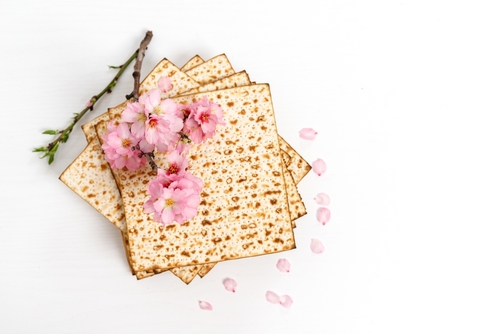

Passover is one of the most important holidays in the Jewish calendar. It commemorates the liberation of the Israelites from slavery in ancient Egypt. Each year, Jewish families around the world gather to observe this eight-day festival with traditional meals, prayers, and meaningful rituals.
If you’re planning to celebrate Passover in 2026 or want to send support to loved ones observing the holiday, knowing the exact dates is essential. This guide covers when Passover 2026 takes place, what the holiday means, and how you can prepare or support family members celebrating this significant occasion.
When does Passover 2026 begin and end?
Passover 2026 begins at sundown on Wednesday, April 1, 2026 and ends at sundown on Thursday, April 9, 2026.
The holiday follows the Hebrew calendar, which is lunar-based. This means Passover dates change each year on the Gregorian calendar, though it always falls in the spring, typically in March or April.
The first two nights of Passover feature the Seder, a ceremonial dinner where families retell the story of the Exodus from Egypt. These gatherings often bring together multiple generations and can involve significant preparation and planning.
What is Passover?
Passover, known as Pesach in Hebrew, celebrates the Jewish people’s freedom from slavery in Egypt over 3,000 years ago. According to the biblical account in the Book of Exodus, Moses led the Israelites out of Egypt after God brought ten plagues upon the Egyptians. The final plague passed over the homes of the Israelites, sparing their firstborn children—hence the name “Passover.”
The holiday is a time to reflect on themes of freedom, faith, and family. It serves as a reminder of past struggles and the importance of liberty and justice.
How is Passover celebrated?
Passover traditions center around remembrance and ritual. Here are the main ways families observe the holiday:
The Seder meal
The Seder is the heart of Passover observance. It takes place on the first two nights of the holiday and follows a specific order of prayers, readings, and symbolic foods. The Haggadah, a special text, guides participants through the retelling of the Exodus story.
Key elements of the Seder include:
- Matzah: Unleavened bread that symbolizes the haste with which the Israelites left Egypt, having no time for bread to rise.
- Maror: Bitter herbs, usually horseradish, representing the bitterness of slavery.
- Charoset: A sweet mixture of apples, nuts, wine, and spices that symbolizes the mortar used by enslaved Israelites in building projects.
- Karpas: A vegetable, often parsley, dipped in salt water to represent tears shed during slavery.
- Four cups of wine: Each cup represents a different promise of freedom made by God.
Avoiding leavened products
During Passover, observant Jews refrain from eating or possessing chametz—any food made with wheat, barley, rye, oats, or spelt that has been allowed to rise. This includes bread, pasta, cookies, and many other common foods.
Many families perform a thorough spring cleaning before Passover to remove all traces of chametz from their homes. Some communities sell their chametz symbolically to a non-Jew for the duration of the holiday.
Attending synagogue services
Special prayers and Torah readings take place throughout Passover. Many people attend services on the first and last days of the holiday, which are considered full festival days in traditional observance.
Why Passover dates matter for families
If you have family members celebrating Passover, understanding the dates helps you plan visits, send gifts, or provide financial support at the right time.
Many families incur additional expenses during Passover. The cost of kosher-for-Passover food can be higher than usual groceries. Hosting a Seder for extended family requires purchasing special ingredients and sometimes new dishes or cookware.
Sending money to loved ones before the holiday begins allows them to prepare properly. This support can help cover the cost of:
- Matzah and other traditional foods
- Wine for the four cups at the Seder
- Ingredients for the Seder plate
- Additional groceries for eight days of holiday meals
- Travel expenses if visiting family
How to support family during Passover 2026
If you want to help family members celebrate Passover, here are some thoughtful ways to provide support:
Send money for holiday preparations
Financial assistance can relieve stress and allow your loved ones to focus on the spiritual aspects of the holiday. Sending money a week or two before Passover begins gives recipients time to shop and prepare.
With Remitly, you can transfer money internationally to over 170 countries quickly and securely. Your family can receive funds through bank deposits, cash pickup, mobile money, or home delivery, depending on what’s most convenient for them.
Plan your timing carefully
Since Passover begins at sundown on April 1, 2026, aim to send money no later than mid-March. This gives your family adequate time to receive the funds and complete their shopping before stores become busy with other families preparing for the holiday.
Respect dietary restrictions
If you’re visiting family for Passover or sending food gifts, remember the dietary restrictions. Packaged foods must be marked “Kosher for Passover.” When in doubt, ask your family members about their specific observance level and preferences.
Offer to help with preparations
Preparing for Passover involves significant work. If you live nearby, offering to help with cleaning, cooking, or setting up for the Seder can be deeply appreciated.
Passover in different Jewish communities
Jewish communities around the world observe Passover with local variations and customs. Understanding these differences helps you better support your family’s specific traditions.
Sephardic vs. Ashkenazi practices
Sephardic Jews, who trace their heritage to Spain, Portugal, North Africa, and the Middle East, have different Passover food customs than Ashkenazi Jews from Central and Eastern Europe.
Sephardic families typically permit rice, beans, and corn during Passover, while Ashkenazi tradition prohibits these foods (called kitniyot). This affects shopping lists and meal planning significantly.
Length of observance
In Israel, Passover lasts seven days. Outside Israel, most traditional communities observe eight days. The first two and last two days are full festival days, while the middle days (called Chol HaMoed) are intermediate days with fewer restrictions.
Regional food traditions
Different communities have developed unique Passover recipes based on their geographic origins. Moroccan families might prepare special tagines, while Eastern European families focus on dishes like gefilte fish and chicken soup with matzah balls.
Preparing for Passover: A timeline
If you’re celebrating Passover yourself or helping family prepare, this timeline can guide your planning:
Four weeks before (early March 2026)
- Begin meal planning
- Make a shopping list for specialty items
- Order any items that need to be shipped
- Arrange travel if visiting family
Two weeks before (mid-March 2026)
- Start spring cleaning to remove chametz
- Purchase non-perishable Passover foods
- Send financial support to family if needed
- Confirm guest lists and Seder attendance
One week before (late March 2026)
- Complete chametz removal
- Buy fresh ingredients
- Prepare any make-ahead dishes
- Set up the Seder table
Days before (March 30-31, 2026)
- Final grocery shopping
- Cook Seder meal components
- Review the Haggadah
- Prepare the Seder plate
Supporting family across borders
If your family lives in another country, Passover can feel like a time when distance becomes especially difficult. Sending money for the holiday shows you’re thinking of them and want to help them celebrate properly.
Remitly makes international money transfers straightforward. You can send funds from your phone or computer in minutes. Your family receives the money quickly, without hidden fees or complicated processes.
The service is secure and reliable, with transfers delivered on time. If any issues arise, customer support is available to help resolve them promptly.
Make Passover 2026 special for your family
Passover brings families together to remember their shared history and values. Whether you’re celebrating in person or supporting loved ones from afar, understanding the holiday’s significance and timing helps you participate meaningfully.
Mark your calendar for Passover 2026, which begins at sundown on April 1 and ends at sundown on April 9. If you plan to send financial support to family, doing so by mid-March ensures they have time to prepare properly.
Ready to help your family celebrate Passover? Send money internationally with Remitly to provide support for holiday preparations, traditional foods, and family gatherings.
Frequently Asked Questions (FAQs)
What is Passover, and why is it significant?
Passover, or Pesach, is a Jewish holiday that commemorates the liberation of the Israelites from slavery in ancient Egypt. It is a time for family, reflection, and traditional practices, including festive meals and storytelling.
When does Passover 2026 begin and end?
Passover 2026 begins at sundown on April 1 and ends at sundown on April 9. The holiday lasts for eight days, with the first two and last two days being especially significant for observance.
How can I support my family during Passover?
One meaningful way to support your family is by providing financial assistance ahead of the holiday to help with preparations, such as purchasing traditional foods like matzah and wine. Sending funds by mid-March ensures they have enough time to get everything they need.
How can Remitly help during Passover?
Remitly makes it easy and secure to send money internationally so you can support your loved ones during important holidays like Passover. Whether it’s for buying supplies or hosting family gatherings, Remitly ensures your financial support arrives quickly and reliably.
Are there any specific customs to follow for Passover?
Yes, Passover customs include avoiding leavened bread (chametz), holding a Seder meal with specific symbolic foods, and recounting the story of the Exodus. Participating in these traditions fosters a deeper connection to the holiday’s meaning.