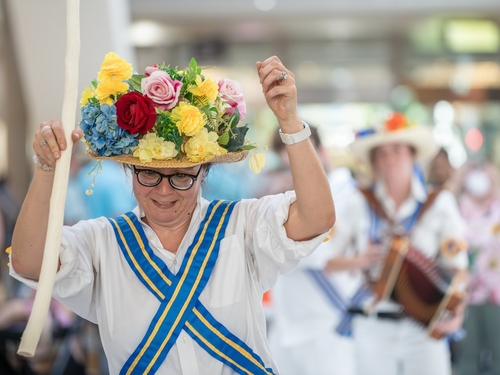

Morris dancing often conjures images of men in white clothing, jingling bells, waving handkerchiefs, and rhythmically clashing sticks. Many people dismiss it as quaint or outdated—just an old English folk tradition with little relevance today.
But Morris dancing is far more than that. It’s a living cultural practice with deep historical roots, regional diversity, and surprising modern vitality. From its earliest recorded mentions in the 15th century to its place in contemporary festivals and communities, Morris dancing reflects centuries of tradition, adaptation, and social change.
This guide explores the origins, styles, symbolism, and enduring appeal of Morris dancing. By the end, you’ll understand where it came from, what it means, and why it continues to thrive in the 21st century.
What Is Morris Dancing? A Clear Definition
Morris dancing is a traditional English folk dance that dates back to at least the 15th century. Performers, organized into groups called “sides,” execute rhythmic stepping patterns in formation. The dances are accompanied by live music—typically melodeon, concertina, or fiddle—and often feature props like handkerchiefs, sticks, or swords.
Morris dancing is commonly performed at seasonal festivals, especially May Day celebrations, and in village squares, pubs, and community gatherings.
It’s important to note that Morris dancing isn’t a single uniform tradition. It encompasses multiple regional styles, each with distinct characteristics, costumes, and music.
Common Morris Dancing Terms:
- Side: A Morris dancing team or group
- Foreman: The person who leads the dancers through the routine
- Squire: The organizer or leader of a Morris side
- Kit: The costume worn by Morris dancers
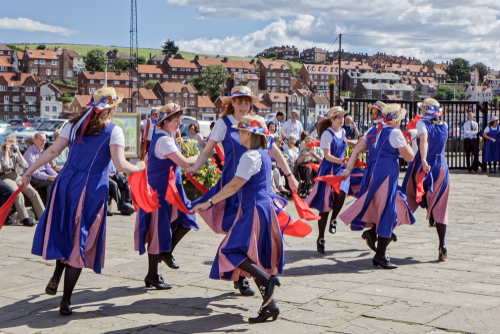
The Origins of Morris Dancing
Early References (15th–16th Century)
The earliest documented references to Morris dancing in England appear in the 15th century. Records from church accounts and royal courts mention payments to Morris dancers during festivals and celebrations.
The term “Morris” may derive from “Moorish,” suggesting a possible connection to dances influenced by North African or Spanish traditions. However, this etymology remains debated among historians. What’s clear is that by the Tudor period, Morris dancing had become an established part of English rural life.
Rural England & Seasonal Rituals
Morris dancing became closely associated with agricultural communities and seasonal celebrations. Many dances were performed during spring festivals, particularly around May Day, symbolizing fertility and the renewal of life.
These performances served both entertainment and social functions. They brought communities together, marked important dates in the agricultural calendar, and reinforced local identity and tradition.
The Victorian Folk Revival
By the 19th century, industrialization and urbanization threatened many rural traditions, including Morris dancing. The practice began to decline in some regions.
Folklorists like Cecil Sharp played a crucial role in preserving Morris dancing. In the early 20th century, Sharp traveled throughout England documenting dances, music, and customs. His collections helped standardize certain Morris traditions and sparked renewed interest.
However, this preservation effort wasn’t without controversy. Some critics argue that the revival process formalized and codified what had been more fluid, improvised traditions. Still, without these efforts, many Morris traditions might have disappeared entirely.
The Different Types of Morris Dancing
Morris dancing encompasses several distinct regional styles, each with unique characteristics.
Cotswold Morris
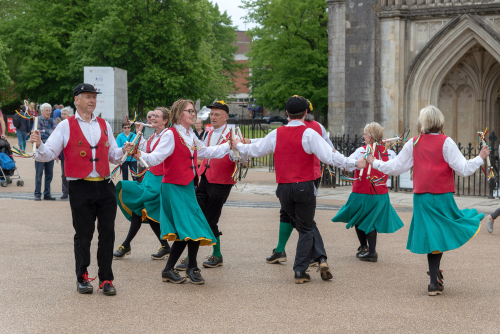
Cotswold Morris is the most widely recognized style. Originating in England’s Cotswolds region, it features graceful, precise movements performed with handkerchiefs or sticks.
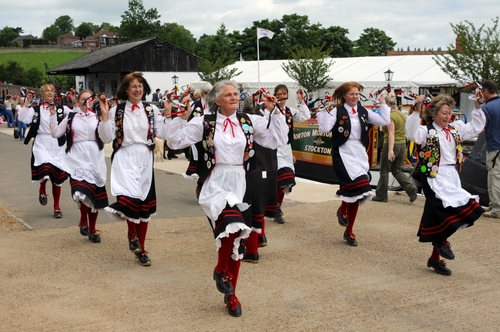
Dancers typically wear white clothing with colorful baldrics (sashes worn across the chest), ribbons, and bells attached to their shins. The dances emphasize coordinated patterns and formations, often involving intricate footwork.
Border Morris
Border Morris developed along the England-Wales border. This style is more vigorous and theatrical than Cotswold Morris.
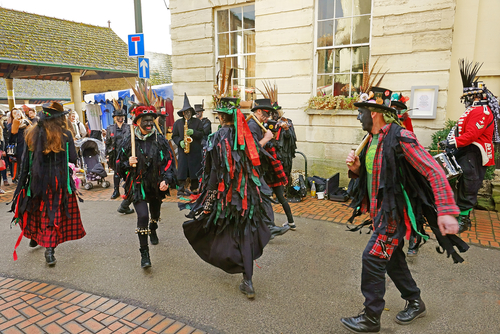
Dancers traditionally wore tattered clothing and blackened their faces—likely as disguise to avoid recognition while performing for money. Modern Border Morris sides have adapted this tradition, with many using colorful face paint instead.
The dances feature heavy stick clashing, energetic stepping, and louder, more boisterous music. Border Morris emphasizes spectacle and audience engagement.
North West Morris
North West Morris evolved in the industrial towns of Lancashire and Cheshire during the 19th century. Unlike other styles, it developed in urban rather than rural settings.
This style features processional formations, with dancers wearing clogs that create rhythmic percussion. The dances are often simpler in structure but require precise timing and coordination.
North West Morris sides frequently perform in parades and street festivals, marching while dancing in formation.
Molly Dancing & Other Related Traditions
Molly dancing is a variation found primarily in East Anglia. It’s traditionally associated with Plough Monday, the first Monday after Epiphany, when agricultural workers would return to work after Christmas.
Molly dancers often included a man dressed as a woman (the “Molly”), adding a comedic element to performances. This tradition reflects the complex gender dynamics within Morris dancing—a topic that continues to evolve today.
The Music & Costume: Symbolism and Function
Why the Bells?
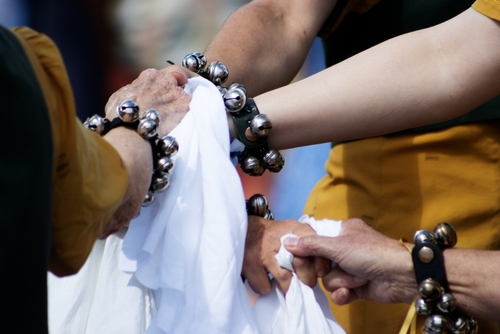
The bells attached to Morris dancers’ legs serve both practical and symbolic purposes. Practically, they provide auditory rhythm, helping dancers stay synchronized. The jingling also attracts attention and adds to the festive atmosphere.
Historically, bells may have carried symbolic meaning related to warding off evil spirits or celebrating abundance. While these interpretations aren’t definitively proven, they reflect the ritual significance that seasonal dances held in agricultural communities.
Handkerchiefs and Sticks
Handkerchiefs are used in many Cotswold dances, creating visual patterns through coordinated waving and flourishing. They may have evolved from more practical items carried by rural workers.
Sticks represent a different tradition. Stick dances involve rhythmic clashing between partners, creating percussive sounds that complement the music. Some scholars suggest stick dances may have origins in martial training or ritual combat displays.
Instruments and Music
Traditional Morris music is performed live using melodeons, concertinas, fiddles, or recorders. The tunes are often lively and repetitive, designed to maintain energy throughout the dance.
Many Morris tunes are centuries old, passed down through generations. Others are more recent compositions in traditional styles. The music varies by region and dance style, contributing to the diversity within Morris traditions.
Costume Variations
Costumes differ significantly between Morris styles. Cotswold Morris favors white clothing with colorful decorations. Border Morris uses darker, more ragged costumes with face paint. North West Morris incorporates clogs and simpler uniforms.
These variations reflect regional identity and historical context. The costumes serve as visual markers of tradition and belonging, signaling which style and side a dancer represents.
Who Performs Morris Dancing Today?
Morris dancing has evolved significantly in recent decades. While traditionally dominated by men, many sides now include women or are exclusively female. Mixed sides that welcome dancers of all genders have become increasingly common.
The tradition has also spread internationally. Morris sides exist in countries including the United States, Canada, Australia, and across Europe. These international groups often maintain connections with English sides and participate in festivals and exchanges.
University Morris sides have introduced younger generations to the tradition. Many universities in Britain have active Morris groups that perform at campus events and local festivals.
Social attitudes toward Morris dancing have shifted as well. While some still view it as outdated, others appreciate it as a meaningful cultural practice that builds community and preserves heritage. Participation often provides mental health benefits through social connection, physical activity, and shared purpose.
Why Does Morris Dancing Still Matter?
Morris dancing continues to thrive because it serves important social and cultural functions.
Community Bonding
Morris sides create tight-knit communities. Regular practices, performances, and social gatherings build strong relationships among members. The collaborative nature of Morris dancing requires trust, coordination, and mutual support.
Preservation of Intangible Cultural Heritage
Morris dancing represents centuries of tradition. By continuing to perform these dances, participants preserve knowledge, music, and customs that might otherwise disappear. This cultural continuity connects present generations with the past.
Identity and Regional Pride
Regional Morris styles reflect local identity and history. Performing these dances celebrates community heritage and reinforces connections to place. For many participants, Morris dancing is a way to honor their roots and maintain cultural distinctiveness.
Mental Health and Social Connection
Participating in Morris dancing provides mental health benefits. The physical activity, social interaction, and sense of belonging contribute to well-being. Many dancers report that Morris dancing helps combat isolation and provides meaningful structure and purpose.
Revival of Folk Traditions
Morris dancing is part of a broader folk revival movement. As people seek alternatives to digital entertainment and mass culture, traditional practices like Morris dancing offer hands-on, embodied experiences that emphasize community over consumption.
Common Myths & Misconceptions
“Morris Dancing Is Pagan”
Many assume Morris dancing has pagan origins, but historical evidence doesn’t support this claim. While the dances are associated with seasonal festivals, documented evidence traces them to medieval Christian England, not pre-Christian pagan practices.
The association with May Day and spring celebrations may have absorbed earlier customs, but the dances as we know them developed within a Christian cultural context.
“It’s Outdated and Dying Out”
Contrary to this belief, Morris dancing has experienced growth in recent decades. New sides continue to form, and existing groups attract younger members. The tradition adapts while maintaining core elements.
“It’s Only for Older Men”
While Morris dancing was historically male-dominated, this has changed dramatically. Women’s and mixed sides are now common. Age diversity has also increased, with participants ranging from teenagers to retirees.
“It’s Uniquely English”
While Morris dancing is distinctly English, similar folk dance traditions exist worldwide. Many cultures have ceremonial dances associated with seasonal celebrations, agricultural cycles, and community identity. Morris dancing is part of a global tapestry of folk traditions.
How to Watch or Join Morris Dancing
Where to See Performances
Morris dancing is most visible during May Day celebrations and summer festivals. Many sides perform in village squares, at pubs, and during community events.
Check local event listings for Morris performances, especially around traditional festival dates. Many sides also maintain websites and social media pages announcing their performance schedules.
How to Find a Local Side
Finding a Morris side near you is straightforward. Search online for “Morris dancing” along with your location. National organizations like The Morris Ring, The Morris Federation, and Open Morris maintain directories of member sides.
Contact sides directly to inquire about practices and membership. Most welcome newcomers and provide instruction for beginners.
What to Expect at Your First Practice
Morris practices typically begin with warm-ups and basic stepping exercises. Experienced dancers help newcomers learn the fundamentals before progressing to full dances.
You don’t need special equipment initially. Comfortable clothing and flat shoes are sufficient. As you become more involved, you’ll acquire bells, costume pieces, and other kit items.
Morris sides emphasize community and enjoyment. Don’t worry about perfection—everyone learns at their own pace, and the focus is on participation and fun.
The Future of Morris Dancing
Morris dancing faces both challenges and opportunities. Digital media has increased visibility, with performances shared on social media reaching global audiences. This exposure introduces the tradition to people who might never encounter it otherwise.
Debates continue about tradition versus evolution. Some sides strictly adhere to historical practices, while others experiment with new choreography, music, and inclusive approaches. These tensions reflect broader questions about cultural preservation and adaptation.
Inclusion conversations are reshaping Morris dancing. Discussions about gender, diversity, and accessibility are making the tradition more welcoming. This evolution may ensure Morris dancing remains relevant and vibrant for future generations.
Will Morris dancing survive another 500 years? If current trends continue, the answer is likely yes. The tradition’s adaptability, combined with its deep cultural roots and community benefits, position it well for continued vitality.
Frequently Asked Questions
Is Morris dancing pagan?
No clear evidence supports pagan origins for Morris dancing as we know it today. While performed at seasonal festivals that may have older roots, documented Morris traditions date to medieval Christian England.
Why do Morris dancers wear bells?
Bells provide auditory rhythm to help dancers stay synchronized. They also attract attention and contribute to the festive atmosphere. Historically, they may have carried symbolic meanings related to celebration and prosperity.
When is Morris dancing performed?
Morris dancing is most commonly performed during spring and summer, particularly around May Day. However, sides perform year-round at various festivals, community events, and pub gatherings.
Can anyone join a Morris side?
Most Morris sides welcome new members regardless of experience. Many groups are inclusive regarding gender, age, and ability. Contact local sides to inquire about membership and practice schedules.
What music is used in Morris dancing?
Traditional Morris music features lively, repetitive tunes played on melodeons, concertinas, fiddles, or recorders. The music varies by regional style and specific dance. Many tunes are centuries old, while others are more recent compositions in traditional styles.
Morris Dancing: A Living Tradition Worth Preserving
Morris dancing is more than bells and handkerchiefs. It’s a living cultural practice that connects communities, preserves heritage, and adapts to changing times. From its medieval origins to its modern revival, Morris dancing demonstrates how traditions survive by remaining meaningful to the people who practice them.
Whether you’re curious about cultural history, seeking community connection, or looking for a unique activity, Morris dancing offers something valuable. Consider attending a performance or reaching out to a local side. You might discover a tradition that enriches your life in unexpected ways.