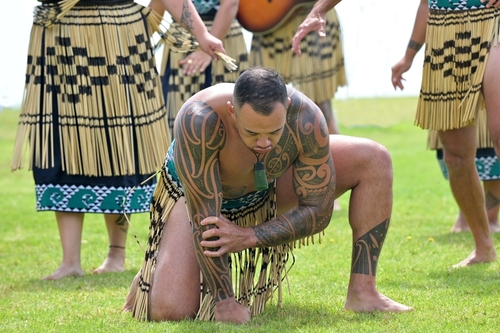

If you are planning to be in New Zealand in early February, you will witness one of the most significant events in the country’s calendar. Waitangi Day is more than just a public holiday; it is the national day that marks the founding of Aotearoa New Zealand. It is a time for reflection, celebration, and acknowledging the country’s unique bicultural history.
For visitors and locals alike, understanding the history and customs of this day can make the experience much more meaningful. Whether you plan to attend the official celebrations in the Bay of Islands or enjoy a quiet day off with family, it helps to know what to expect. This guide covers the essential details for Waitangi Day 2026, from the history behind the date to practical tips for attending the festival.
When is Waitangi Day 2026?
Waitangi Day is observed annually on February 6. In 2026, this date falls on a Friday.
Because the holiday falls on a weekday, it will be observed on the day itself. This creates a natural long weekend for many workers and students across the country. It is a statutory public holiday, meaning schools, government offices, and many businesses will be closed.
The History Behind the Holiday
To understand the holiday, you must understand the history of the Treaty of Waitangi (Te Tiriti o Waitangi). On February 6, 1840, representatives of the British Crown and over 40 Māori chiefs gathered on the grounds of James Busby’s house in Waitangi to sign this founding document. Eventually, more than 500 Māori leaders across the country signed it.
The Treaty was intended to establish a partnership between Māori and the British Crown. However, differences between the English and Māori versions of the text led to decades of conflict and land confiscations. Today, the Treaty is recognized as a living document. Waitangi Day is an opportunity to acknowledge this complex past, honor the partnership, and look forward to the future.
How New Zealanders Celebrate
Celebrations take place all over the country, but the heart of the action is undoubtedly at the Waitangi Treaty Grounds in the Bay of Islands.
The Festival at Waitangi Treaty Grounds
If you can make it to the Bay of Islands, the official festival is an unforgettable experience. The day begins early—very early. A traditional Dawn Service is held at 5:00 AM in Te Whare Rūnanga (the carved meeting house). This serves as a solemn and respectful start to the commemorations.
As the sun rises, the atmosphere shifts from solemn to celebratory. The Treaty Grounds transform into a vibrant festival featuring:
- Cultural Performances: Stages host kapa haka groups, musicians, and speakers throughout the day.
- Waka Displays: You may see traditional Māori canoes (waka) on the water, demonstrating immense skill and teamwork.
- Market Stalls: Over 150 stalls sell arts, crafts, and clothing.
- Kai (Food): From traditional hāngī (earth-oven cooked food) to seafood and modern snacks, there is plenty to eat.
Events Across the Motu (Nation)
You don’t have to be in Northland to participate. Most cities and towns in New Zealand host their own events. In Auckland, Wellington, and Christchurch, you will often find free concerts, family picnic days, and cultural festivals at local parks and marae (Māori meeting grounds). These events are generally family-friendly and focused on community togetherness.
Practical Tips for Visitors
Attending Waitangi Day celebrations requires a little planning to ensure a smooth day.
Getting There and Parking
If you are heading to the main festival at Waitangi, leave your car behind. Parking at the Treaty Grounds is extremely limited and usually fills up before 7:00 AM.
- Walk: It is a pleasant 2km walk from the nearby town of Paihia along the waterfront.
- Shuttle: Look for shuttle bus services operating from Paihia.
- Ferry: Passenger ferries run from Russell to Paihia, connecting you to the walking route.
What to Bring
February is the height of summer in New Zealand. The sun can be incredibly strong, so preparation is key.
- Sun protection: High SPF sunscreen, a wide-brimmed hat, and sunglasses are non-negotiable.
- Water: Bring a reusable bottle to stay hydrated.
- Comfortable shoes: You will likely be walking on grass and gravel paths.
Cultural Etiquette
Waitangi Day is a day of respect. While the festival is fun, it is important to be mindful of the cultural significance.
- Silence during ceremonies: If you attend the Dawn Service or formal speeches, listen respectfully.
- Photography: It is generally fine to take photos at the festival, but ask for permission before taking close-ups of people, especially during ceremonial moments.
- Alcohol-free: The festival at the Treaty Grounds is a family-friendly, alcohol-free event.
Frequently Asked Questions
Is Waitangi Day 2026 a “Mondayised” holiday?
No. Since February 6, 2026, falls on a Friday, the public holiday is observed on that Friday. Mondayisation only applies when a holiday falls on a weekend (Saturday or Sunday).
Are shops open on Waitangi Day?
Waitangi Day is not a “restricted trading day” like Good Friday or Christmas Day. This means shops are allowed to open. However, many smaller businesses choose to close, and others may operate with reduced hours. You might also encounter a 10-15% public holiday surcharge at cafes and restaurants to cover staff penalty rates.
Do I need tickets for the Waitangi Treaty Grounds festival?
Entry to the festival on Waitangi Day is typically free. The historic buildings are usually closed to the public on this day to accommodate the crowds and ceremonies, but the grounds themselves are open for everyone to enjoy the atmosphere.
Is it safe to swim at the beaches nearby?
Yes, the Bay of Islands is famous for its beautiful beaches. After checking out the festival, many visitors cool off with a swim at Paihia or take a boat trip out to the islands. Always swim between the flags if lifeguards are present.
Experiencing the Spirit of Aotearoa
Waitangi Day offers a unique window into the soul of New Zealand. It is a day where history, culture, and community converge. By planning ahead and understanding the significance of the occasion, you can ensure your experience is respectful and rewarding. Whether you are watching the waka glide across the harbor or sharing a hāngī with friends, you are participating in a living history that defines this beautiful nation.