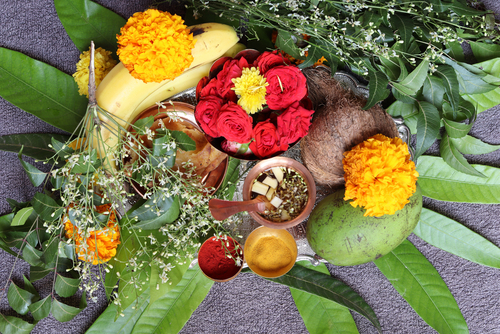

Picture a bright morning in South India. Fresh, green mango leaves hang over the doorway, and the intricate patterns of colorful rangoli brighten the entrance of the home. Inside, there is the scent of jasmine and the busy sounds of a kitchen preparing a feast. This isn’t just a regular Thursday. It is the start of a new chapter.
For millions of people in Andhra Pradesh, Telangana, Karnataka, and parts of Tamil Nadu, this day marks the arrival of Ugadi. It is a festival that celebrates fresh starts, seasonal renewal, and the resilience of the human spirit. Whether you are celebrating in Hyderabad, Bangalore, or halfway across the world, Ugadi offers a moment to pause and reset.
In this guide, we will explore the significance of Ugadi 2026, the unique rituals that define it, and how you can participate in the festivities wherever you are.
When Is Ugadi in 2026?
In 2026, Ugadi falls on Thursday, March 19.
The date is determined by the Hindu lunisolar calendar. It falls on the first day of the month of Chaitra, which usually overlaps with late March or early April in the Gregorian calendar. Because it is based on the position of the moon and sun, the date changes slightly every year.
It is helpful to mark your calendar early, especially if you need to request time off work or plan a gathering with friends and family.
The Meaning Behind the Festival
The word “Ugadi” comes from two Sanskrit words: “Yuga” (age) and “Adi” (beginning). Put together, it translates to “the beginning of a new age.”
This festival is not just about changing the calendar year. It holds deep spiritual and historical weight. According to Hindu mythology, this is the day Lord Brahma began the work of creating the universe. It represents the birth of time itself.
Ugadi is also deeply tied to the rhythms of nature. It arrives during spring, a time when trees sprout new leaves and the cold of winter fades away. For farmers, it signals the start of a new agricultural cycle. The festival reminds us that life is constantly renewing itself, offering us a chance to leave the past behind and look forward with hope.
Rituals and Traditions
The celebration of Ugadi involves specific rituals that prepare the home and the spirit for the year ahead.
The Morning Preparation
The day typically begins before sunrise. Family members wake up early for a traditional oil bath, which is believed to purify the body. After the bath, everyone wears new clothes. This act symbolizes casting off the old and embracing the new with a fresh perspective.
Decorating the Home
A clean and welcoming home is central to the festival. Families decorate their front doors with toranalu—strings of fresh mango leaves. The mango leaves signify general well-being and a good crop.
At the threshold, women create vibrant rangoli or muggulu designs using colorful powders and flower petals. These patterns are meant to welcome positive energy and prosperity into the household.
Panchanga Sravanam
Later in the day, communities or families gather for Panchanga Sravanam. This is the reading of the Panchangam, the new almanac. An elder or a priest reads out the general forecast for the year. This includes predictions about rainfall, harvest, astrological transitions, and the general fortune of the family members based on their zodiac signs.
Listening to these predictions is a way to prepare mentally for the future, accepting whatever challenges or successes lie ahead.
The Six Tastes of Life: Ugadi Pachadi
The most significant ritual of the day revolves around a unique dish called Ugadi Pachadi. It is the first item eaten on the festival day.
This dish is not just food; it is a lesson in philosophy. It combines six distinct ingredients, each representing a different flavor and a corresponding emotion of life.
- Sweet (Jaggery): Represents happiness and joy.
- Sour (Tamarind): Represents unpleasantness or difficult situations.
- Bitter (Neem Flowers): Represents sadness or sorrow.
- Spicy (Green Chili or Pepper): Represents anger or frustration.
- Salty (Salt): Represents fear or the unknown.
- Tangy (Unripe Mango): Represents surprise or unexpected events.
By eating a mixture of all six tastes, you acknowledge that the coming year will be a blend of various experiences. It teaches acceptance and equanimity. We learn that we cannot have the sweet without the bitter, and we must embrace all aspects of life with grace.
Festive Foods to Savor
While Ugadi Pachadi is the spiritual center of the meal, the rest of the feast is equally delicious. The menu varies slightly between Telugu and Kannada households, but the focus is always on rich, vegetarian flavors.
Pulihora
Known as tamarind rice in English, Pulihora is a staple in Andhra and Telangana. It is tangy, spicy, and crunchy, often garnished with peanuts and curry leaves. It is considered a festive treat that brings families together.
Bobbatlu / Obbattu
This is a sweet, stuffed flatbread. In Telugu regions, it is called Bobbatlu, while in Karnataka, it is known as Obbattu or Holige. It is made from flour, lentils, and jaggery. Served warm with a drizzle of ghee, it is a comfort food that signifies the sweetness of the occasion.
Payasam
No Indian festival is complete without a dessert. Payasam (kheer) is a creamy pudding made with milk, sugar, and vermicelli or rice. It is often flavored with cardamom and garnished with cashews and raisins.
Celebrating Across the Diaspora
For those living outside of India, Ugadi is a vital link to cultural roots. The Telugu and Kannada diaspora in the United States, United Kingdom, Australia, and beyond celebrate with great enthusiasm.
In cities with large Indian populations, cultural associations often organize community events on the weekend closest to the festival. These gatherings might include:
- Cultural Performances: Traditional music and dance recitals that showcase local talent.
- Community Feasts: Potluck lunches where families bring traditional dishes to share.
- Temple Visits: Many Hindu temples abroad host special prayers and the reading of the almanac (Panchanga Sravanam).
These events provide a sense of belonging. They allow parents to share traditions with their children, ensuring the culture thrives even thousands of miles away from home.
How You Can Celebrate
You do not need to be in India to capture the spirit of Ugadi. Here are simple ways to bring the festival into your life this year:
- Make Ugadi Pachadi: Even if you cannot find neem flowers, try to assemble a dish that represents different tastes. It is a powerful exercise in mindfulness.
- Clean and Decorate: Spend time decluttering your living space. Hang a wreath or some greenery at your door to symbolize freshness.
- Set Intentions: Use the day to reflect on the past year. What do you want to achieve in the new one? Write down your goals.
- Connect with Family: Call your relatives or friends. A simple greeting can bridge distances and strengthen bonds.
Frequently Asked Questions
Is Ugadi a public holiday?
In India, Ugadi is an optional holiday or a gazetted holiday in the states of Andhra Pradesh, Telangana, and Karnataka. Schools, banks, and government offices in these states are typically closed.
What is the difference between Ugadi and Gudi Padwa?
Both festivals celebrate the same New Year on the same day. “Ugadi” is celebrated in Andhra Pradesh, Telangana, and Karnataka. “Gudi Padwa” is the name for the New Year celebration in Maharashtra. The rituals differ slightly, but the significance is the same.
How do I wish someone for Ugadi?
You can simply say “Happy Ugadi!” If you want to use a traditional Telugu greeting, you can say, “Ugadi Subhakankshalu.” In Kannada, you can say, “Yugadi Habbada Shubhashayagalu.”
Can I celebrate if I am not Hindu?
Absolutely. The themes of Ugadi—renewal, nature, and accepting life’s ups and downs—are universal. Anyone can appreciate the message of the six tastes and the celebration of spring.
Embracing the New Year
Ugadi is a beautiful reminder that life is a mixture of flavors. It tells us that happiness and sadness are woven together, and that every ending is simply a new beginning.
As we approach Ugadi 2026, take a moment to appreciate the journey you are on. Embrace the bitter with the sweet, and step into the new year with courage and hope.
We wish you a Shubhakruth Nama Samvatsaram—may this year bring you peace, health, and prosperity.