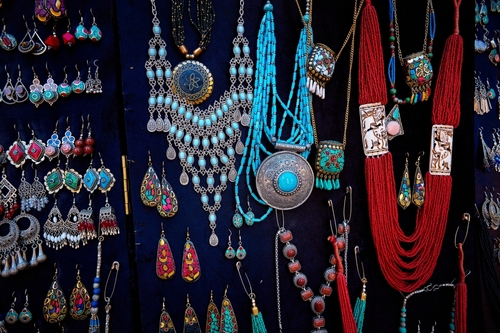

Jewelry has always been more than decoration. Across cultures and centuries, people have worn jewelry to signal identity, status, spirituality, and belonging. A necklace might mark a marriage. A bracelet could offer protection. A ring might pass down family history through generations.
Traditional jewelry tells the story of a culture. It reflects values, beliefs, and customs that have shaped communities for thousands of years. Each piece carries meaning—whether it’s worn for a wedding ceremony, a rite of passage, or simply as a symbol of heritage.
This guide explores traditional jewelry from around the world. You’ll learn about the materials used, the symbolism behind different styles, and how these traditions are preserved today. From Indian gold bridal sets to Native American turquoise, African beadwork to Celtic knots, each tradition offers a window into the culture that created it.
What Is Traditional Jewelry?
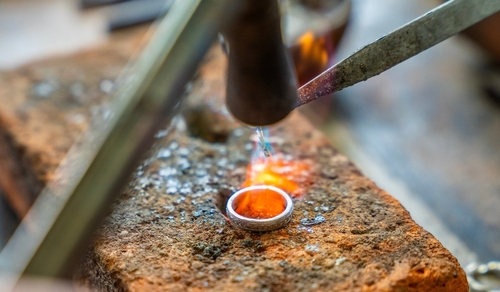
Traditional jewelry refers to pieces crafted using heritage-based techniques and designs that hold cultural or spiritual significance. These pieces are often handmade and passed down through generations. They’re worn during important ceremonies, celebrations, or as markers of identity.
Key Characteristics
Traditional jewelry typically shares several defining features:
- Handmade craftsmanship: Artisans use techniques learned over years, often passed from parent to child.
- Symbolic meaning: Designs reflect cultural beliefs, religious practices, or social roles.
- Ceremonial use: Many pieces are worn for weddings, coming-of-age rituals, or religious ceremonies.
- Heritage value: Jewelry is often inherited, carrying family history and stories.
Common Materials Across Cultures
While styles vary widely, certain materials appear across many traditions:
- Metals: Gold and silver are prized for their beauty and durability.
- Gemstones: Turquoise, coral, amber, and jade hold spiritual or protective meanings.
- Natural elements: Shells, beads, bone, and wood connect jewelry to the natural world.
- Enamel and glass: These add color and detail to metalwork.
Traditional Jewelry from Asia
India: Gold Bridal Jewelry & Temple Designs
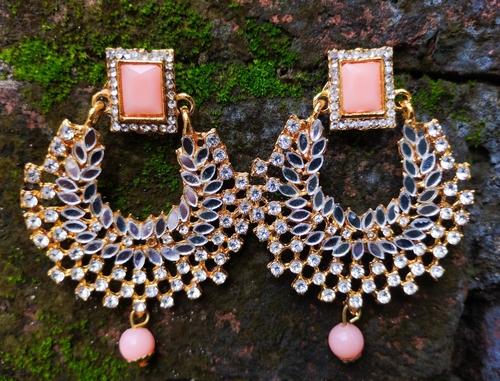
Gold jewelry holds profound importance in Indian culture, particularly in weddings. Brides often wear elaborate gold sets that include necklaces, earrings, bangles, and headpieces. These aren’t just ornamental—they represent wealth, prosperity, and family blessings.
Kundan and Polki are two prominent styles. Kundan uses glass stones set in gold, while Polki features uncut diamonds. Both techniques date back centuries and require exceptional skill.
The mangalsutra is another significant piece. This necklace, worn by married Hindu women, symbolizes the marital bond. Its black and gold beads carry deep cultural and spiritual meaning.
China: Jade Jewelry
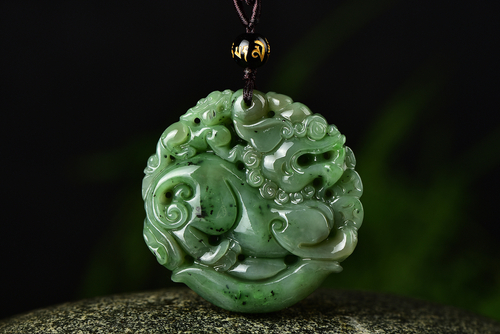
In Chinese culture, jade represents purity, protection, and virtue. For thousands of years, jade jewelry has been treasured across all social classes. Jade bangles and pendants are especially popular, often given as gifts to mark important life events.
Historical records show that Chinese dynasties valued jade above gold. Emperors were buried with jade suits, believing the stone would protect them in the afterlife. Today, jade remains a symbol of good fortune and longevity.
Middle East: Bedouin Silver Jewelry
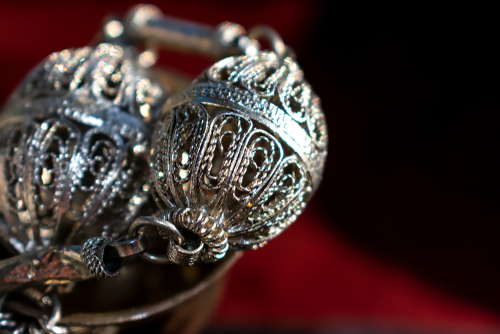
Bedouin communities across the Arabian Peninsula have long crafted distinctive silver jewelry. Coin necklaces, made from silver coins strung together, traditionally served as a woman’s dowry—her personal wealth that remained hers throughout marriage.
Protective talismans and amulets feature prominently in Bedouin jewelry. These pieces often incorporate verses from the Quran or geometric patterns believed to ward off harm.
Traditional Jewelry from Africa
Maasai Beaded Jewelry (Kenya & Tanzania)
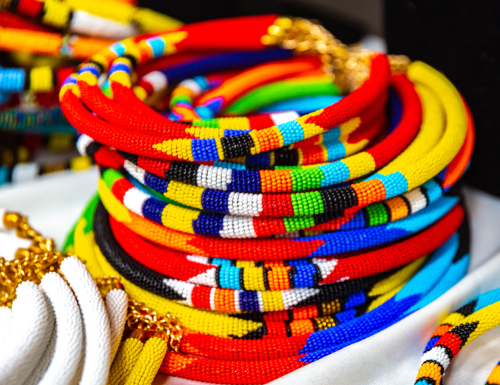
The Maasai people of East Africa create stunning beaded jewelry using vibrant colors. Each color carries specific meaning:
- Red: Bravery and strength
- Blue: Energy and the sky
- Green: Land and production
- Orange: Hospitality
- Yellow: Fertility
- White: Purity
Beaded necklaces indicate age, marital status, and social standing. Young warriors wear different patterns than elders. Women create these pieces by hand, a skill passed from mothers to daughters.
Tuareg Silver Jewelry (North Africa)
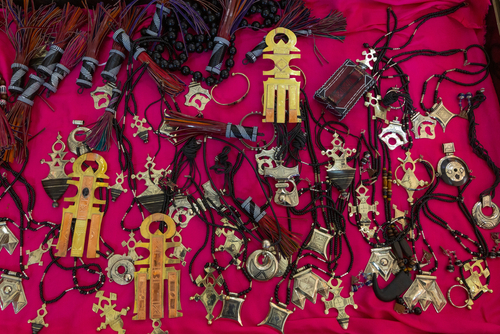
The Tuareg, nomadic people of the Sahara, are known for their silver jewelry. The distinctive Tuareg cross pendant comes in various regional styles, each representing a different area. These crosses serve as protective amulets and symbols of identity.
Tuareg artisans work silver into intricate designs, often incorporating geometric patterns. The craftsmanship reflects the nomadic lifestyle—portable, durable, and deeply personal.
West African Gold Jewelry
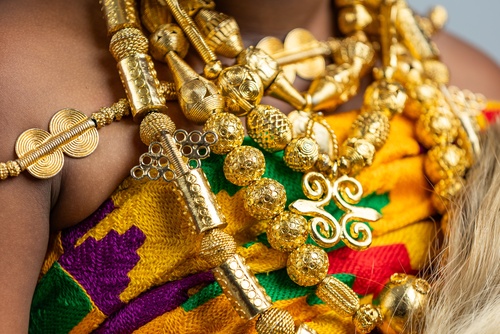
Gold holds royal significance across West Africa. The Ashanti people of Ghana developed gold weights—small brass sculptures used to measure gold dust for trade. These weights often depicted proverbs or cultural stories.
Royal regalia in many West African kingdoms includes elaborate gold jewelry. Chiefs and kings wear gold to display authority and connect to ancestral power.
Traditional Jewelry from Europe
Celtic Jewelry (Ireland & Scotland)
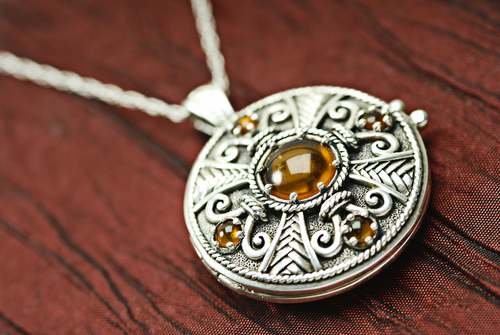
Celtic jewelry features intricate knotwork patterns with no beginning or end, symbolizing eternity and interconnection. These designs appear in rings, brooches, and pendants.
The Claddagh ring from Ireland shows two hands holding a crowned heart. It represents love, loyalty, and friendship. How it’s worn indicates relationship status—on the right hand with the heart facing out means single; on the left hand with the heart facing in means married.
Scandinavian Viking Jewelry
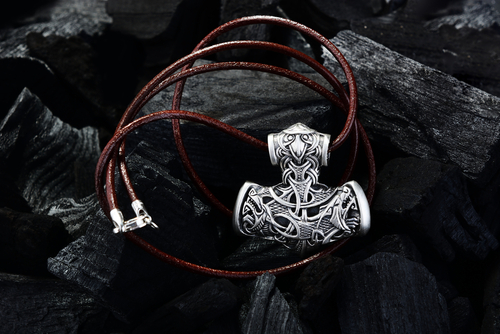
Viking-era jewelry combined functionality with symbolism. Thor’s hammer pendants offered protection and invoked the god’s strength. Arm rings demonstrated wealth and served as currency. Brooches secured cloaks and displayed social status.
Norse mythology heavily influenced Viking jewelry designs. Animals, runes, and gods appear frequently, each carrying specific meanings tied to Viking beliefs.
Mediterranean Coral Jewelry (Italy)
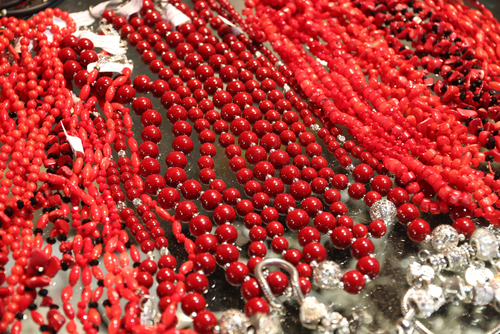
Red coral has been prized around the Mediterranean for centuries. In Italian tradition, coral jewelry protects against the “evil eye” and brings good fortune. Babies often receive coral bracelets or pendants as protective charms.
The harvesting and crafting of coral jewelry, particularly in Naples and Sicily, has been a specialized trade for generations.
Traditional Jewelry from the Americas
Native American Turquoise Jewelry
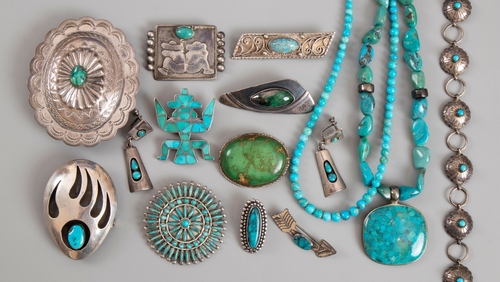
Turquoise holds sacred significance for many Native American tribes, particularly in the Southwest. The Navajo and Zuni are renowned for their silverwork combined with turquoise settings.
For these communities, turquoise represents life, protection, and connection to the spiritual world. The stone’s blue-green color mirrors the sky and water—essential elements for desert peoples.
Traditional techniques involve hand-stamping silver and carefully setting each turquoise stone. Each piece is unique, reflecting the artisan’s skill and the natural variations in the stone.
Mexican Silver Jewelry
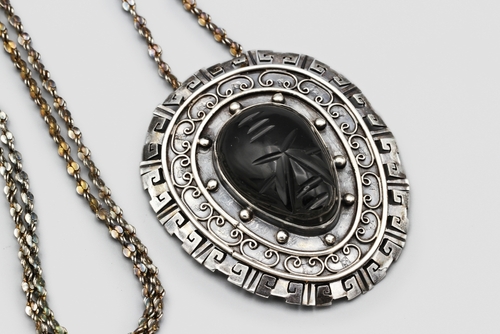
Taxco, Mexico became a silver jewelry center in the 1930s, though silver crafting in Mexico dates back to pre-Columbian times. The Spanish colonial period influenced designs, blending indigenous techniques with European styles.
Mexican silver jewelry often features bold designs and oxidized finishes. Artisans continue to work silver by hand, maintaining traditions while adapting to contemporary tastes.
Andean Jewelry (Peru & Bolivia)
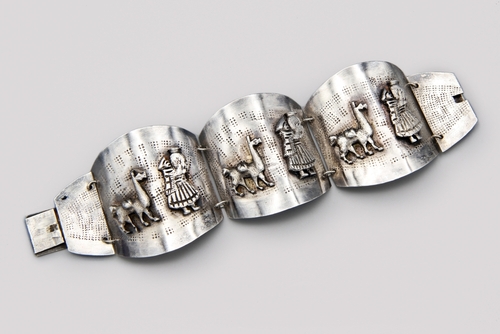
Before Spanish colonization, Andean cultures created sophisticated gold jewelry. The Inca and earlier civilizations worked gold into intricate designs featuring animals, deities, and geometric patterns.
These symbolic motifs connected wearers to the natural and spiritual worlds. Gold represented the sun’s power, while silver connected to the moon.
Traditional Jewelry from Oceania
Māori Greenstone (New Zealand)
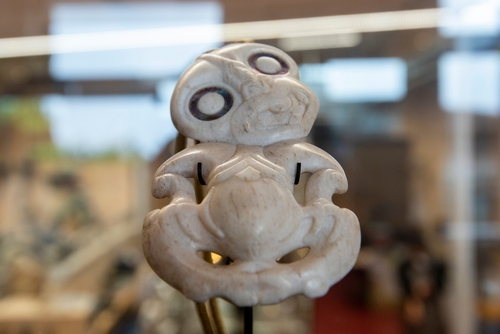
Pounamu, or greenstone, is a treasured stone in Māori culture. Carved into pendants called hei-tiki or other forms, pounamu pieces are passed down through families, gaining spiritual significance with each generation.
These aren’t simply jewelry—they’re taonga, or treasures. Each carving tells a story and carries the mana (spiritual power) of those who wore it before.
Pacific Island Shell Jewelry
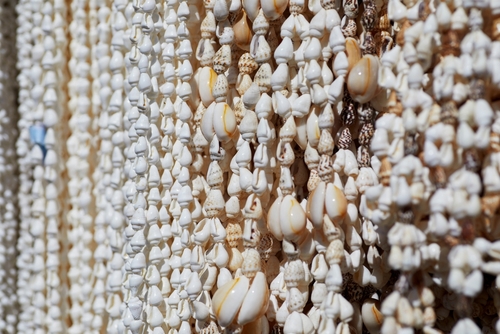
Throughout the Pacific Islands, shells serve as traditional jewelry materials. In some cultures, shell necklaces mark important ceremonies or represent wealth and status.
The natural beauty of shells, combined with their abundance in island environments, makes them both practical and meaningful adornments.
Common Themes Across Global Jewelry Traditions
Despite vast geographic and cultural differences, traditional jewelry shares several universal themes:
Protection and Spiritual Symbolism
Many cultures create jewelry believed to ward off harm or connect wearers to divine protection. Amulets, talismans, and blessed pieces appear across traditions.
Marriage and Fertility
Jewelry often marks marriage or symbolizes fertility and family continuity. Wedding jewelry ranges from simple rings to elaborate sets.
Wealth and Social Rank
Precious materials signal prosperity and status. The quality and quantity of jewelry a person wears can indicate their position within society.
Community and Identity
Jewelry identifies tribal affiliation, regional origin, or religious belonging. It connects individuals to their community and heritage.
Craftsmanship Passed Through Generations
Traditional techniques survive because artisans teach their children and apprentices. This knowledge transfer preserves cultural practices and ensures quality craftsmanship continues.
How Traditional Jewelry Is Made
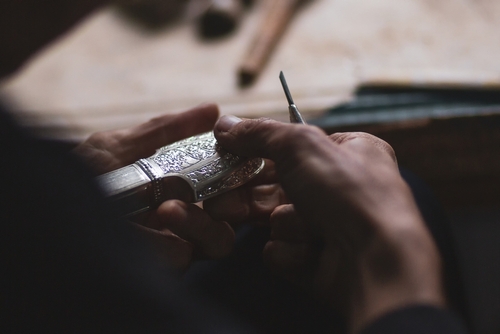
Traditional jewelry-making relies on time-honored techniques, often taking weeks or months to complete a single piece.
Handmade Techniques
Artisans work without mass production equipment. Each step involves careful attention and skilled hands. This slow craftsmanship ensures quality and maintains cultural authenticity.
Metalworking Methods
Different cultures developed unique metalworking approaches:
- Casting: Pouring molten metal into molds
- Filigree: Creating delicate wire designs
- Repoussé: Hammering metal from the reverse side to create relief
- Granulation: Attaching tiny metal beads to create patterns
Stone-Setting Traditions
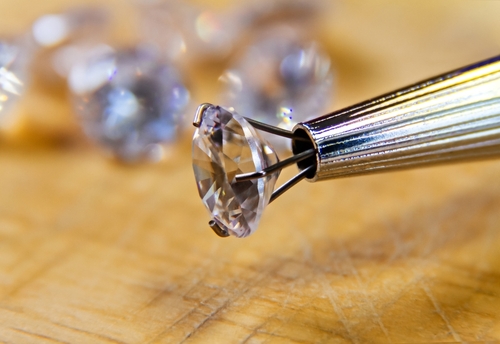
Setting stones requires precision. Traditional methods vary, but all demand understanding of both the stone and the metal. Some techniques hold stones without prongs, using the metal itself to secure gems.
Bead Weaving and Embroidery
Beaded jewelry involves threading hundreds or thousands of beads into patterns. This painstaking work produces flexible, colorful pieces that can’t be replicated by machines.
Regional Artisan Methods
Each culture developed specialized techniques suited to available materials and aesthetic preferences. These regional differences make traditional jewelry distinctive and valuable.
Cultural preservation depends on artisan communities continuing these practices. When traditional techniques disappear, so does irreplaceable cultural knowledge.
Traditional Jewelry in Modern Fashion
Contemporary designers increasingly draw inspiration from traditional jewelry. This interest brings both opportunities and concerns.
Contemporary Interpretations
Fashion designers reference traditional motifs, materials, and techniques in new creations. This can introduce traditional styles to wider audiences and create economic opportunities for artisan communities.
Ethical Sourcing Concerns
As demand grows, questions arise about material sourcing. Are stones mined ethically? Do metal suppliers follow environmental standards? Conscious consumers seek answers to these questions.
Cultural Appreciation vs. Appropriation
There’s an important distinction between appreciating a culture’s jewelry traditions and appropriating sacred or significant symbols. Wearing traditional jewelry from another culture requires understanding its meaning and context.
Sacred items, ceremonial pieces, or jewelry with specific cultural significance should be treated with respect. Some pieces aren’t meant for outsiders to wear.
Supporting Indigenous Artisans
Buying directly from artisan communities ensures fair compensation and supports cultural preservation. Many indigenous craftspeople depend on jewelry sales for their livelihood.
When traditional jewelry becomes popular in mainstream fashion, it’s essential that the communities who created these traditions benefit economically.
How to Buy Authentic Traditional Jewelry
Verifying Origin
Ask where and how the piece was made. Reputable sellers provide clear information about origins and makers.
Understanding Hallmarking
Many countries require precious metal jewelry to bear hallmarks indicating metal purity and origin. Learn to recognize these marks.
Avoiding Mass-Produced Imitations
Machine-made copies lack the quality and meaning of handcrafted pieces. Look for signs of hand fabrication—slight variations, tool marks, and asymmetries that indicate human craftsmanship.
Fair Trade Considerations
Fair trade certification ensures artisans receive fair payment. While not all traditional jewelry carries certification, asking about artisan compensation matters.
Questions to Ask Artisans
When possible, buy directly from makers. Ask about:
- Materials used and their sources
- Techniques employed
- Time required to create the piece
- Cultural significance of designs
- Care and maintenance requirements
Frequently Asked Questions
What is traditional jewelry?
Traditional jewelry refers to handcrafted pieces that hold cultural or spiritual significance within a specific community. These pieces use heritage-based techniques and designs passed down through generations, often worn during ceremonies or to mark identity and status.
What materials are commonly used in ethnic jewelry?
Common materials include gold, silver, turquoise, coral, jade, amber, shells, beads, bone, and precious stones. Each culture favors materials based on availability, symbolism, and traditional practices.
Why is gold important in many cultures?
Gold resists tarnishing and maintains its beauty indefinitely. Many cultures associate gold with the sun, divine power, wealth, and permanence. Its rarity and durability make it ideal for important ceremonial jewelry and family heirlooms.
What is the oldest form of jewelry?
Shell beads found in Morocco date back approximately 150,000 years, making them among the oldest known jewelry. Early humans also created jewelry from bones, teeth, and stones, suggesting jewelry-making is a fundamental human practice.
How can you tell if traditional jewelry is authentic?
Authentic traditional jewelry shows signs of handcrafting, uses traditional materials and techniques, and often comes with information about its origin and maker. Quality craftsmanship, slight imperfections from hand fabrication, and appropriate cultural designs indicate authenticity.
Preserving Cultural Heritage Through Jewelry
Traditional jewelry connects generations. When you hold a piece of traditional jewelry, you’re touching history—the hands that made it, the ceremonies it witnessed, the stories it carries.
Each tradition faces modern challenges. Mass production threatens handcraft skills. Younger generations sometimes leave artisan work for other opportunities. Cultural practices shift as communities change.
Yet traditional jewelry persists. Artisans continue creating pieces their ancestors would recognize. Families still pass down meaningful jewelry. Communities maintain ceremonial practices that include traditional adornments.
Preserving these traditions protects global cultural heritage. Every technique saved, every design documented, every artisan supported helps ensure these traditions survive for future generations.
When you choose traditional jewelry—whether you’re buying a piece, learning about different cultures, or supporting artisan communities—you’re participating in cultural preservation. You’re acknowledging that jewelry carries meaning beyond its material value.
Traditional jewelry reminds us that humans have always created beauty and meaning from the materials around us. These traditions deserve recognition, respect, and continuation.