

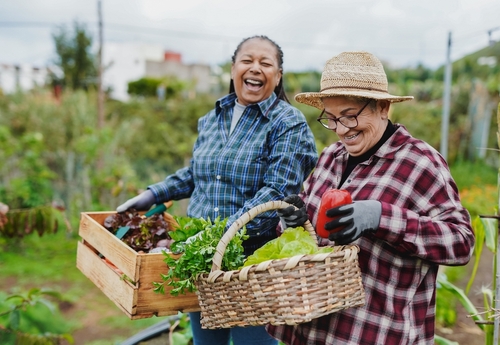
What if you could walk through a local park and pick fresh apples, berries, and herbs for free? This is the reality of urban food forests. These green spaces are multi-layered, perennial food systems designed to mimic natural forests. They provide a sustainable source of healthy food right in the middle of bustling cities.
These edible ecosystems are gaining serious traction across the country. They address major challenges like food insecurity, climate resilience, and the underuse of urban land. By transforming vacant lots and city parks, communities are creating reliable food sources. Cities like Seattle, Atlanta, Boston, and Portland are already showing what is possible.
Urban food forests are redefining how we use public space. They successfully blend ecology, food access, and community stewardship. Reading this guide will help you understand how these systems work, why they matter, and how you can get involved in your own city.
What Is an Urban Food Forest?
The Core Concept
An urban food forest is based on permaculture principles. This means working with nature rather than against it. These spaces use multi-layer planting strategies. You will find large canopy trees, smaller fruit trees, shrubs, herbs, ground cover, roots, and climbing vines all growing together. They are designed for long-term sustainability. Once established, they require minimal inputs like water and fertilizer to thrive.
How They Differ From Community Gardens
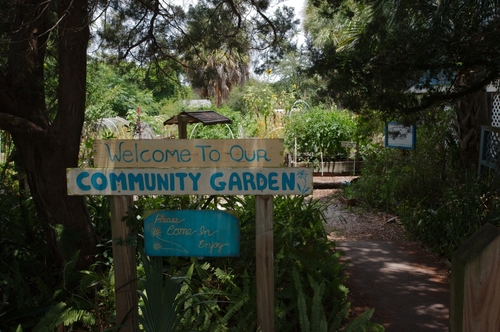
You might wonder how this differs from a standard community garden. Community gardens typically focus on annual crops like tomatoes and lettuce. They also usually divide land into individual plots owned by specific residents. Food forests focus on perennial crops that come back year after year. They rely on shared stewardship rather than individual ownership. The main goal is building overall ecosystem health alongside food production.
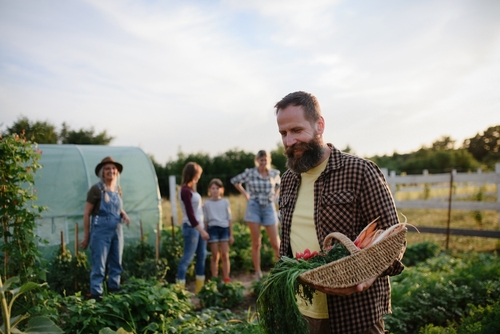
Why Urban Food Forests Are Growing in the U.S.
Communities across the U.S. are embracing food forests for several important reasons.
First, they improve food access and equity. Many urban areas are considered food deserts, where residents lack access to affordable, fresh produce. Food forests provide a free, reliable source of nutrition, helping families combat rising grocery costs.
Second, they build climate resilience. Cities face unique environmental challenges. Food forests help reduce urban heat, manage heavy stormwater, and support local biodiversity.
Third, they reclaim public land. Neighborhoods are transforming vacant lots, underused parks, and empty spaces into vibrant, productive ecosystems.
Finally, these spaces offer immense cultural and educational value. They serve as outdoor classrooms, spaces for cultural food traditions, and safe gathering spots for neighbors to connect.
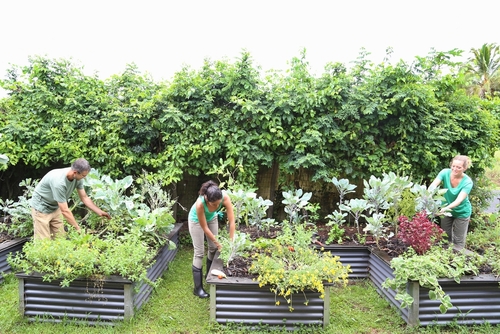
Notable Urban Food Forests Across the Country
Several cities have successfully launched thriving food forests. These projects serve as inspiring models for other communities.
Beacon Food Forest (Seattle, WA)
Located in Jefferson Park, this is one of the most well-known projects in the U.S. It is completely community-led and publicly accessible. The site emphasizes education, permaculture design, and shared stewardship. It has provided valuable lessons on local governance, volunteer coordination, and scaling a public project.
Browns Mill Food Forest (Atlanta, GA)
This is one of the largest urban food forests in the country. Supported directly by the City of Atlanta, it focuses heavily on food justice in historically underserved communities. The space successfully combines a traditional orchard, a community garden, and a conservation area.
Boston Food Forest Coalition (Boston, MA)
Instead of one large site, Boston uses a network model. The coalition focuses on building neighborhood-scale forests across the city. Their mission is deeply rooted in food sovereignty and racial equity. This approach demonstrates how cities can replicate and scale the food forest model efficiently.
Sherrett Food Forest (Portland, OR)
This is a grassroots, volunteer-driven project built on formerly underutilized land. It is known for strong community engagement and a dedicated DIY ethos. It perfectly reflects Portland’s broader culture of urban agriculture.
Other Inspiring Examples
The Maricopa County Food Forest Initiative in Phoenix, AZ, focuses on desert-adapted species and water-conscious design. It highlights how food forests can adapt to harsh climates. Tranquility by the Bay Food Forest integrates wellness and ecological restoration. The Giving Grove operates as a network of community orchards and food forests, using a strong nonprofit model to drive national expansion efforts.
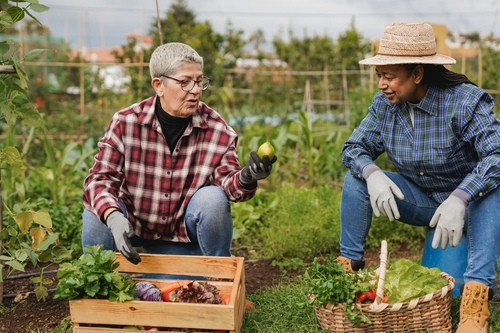
How Urban Food Forests Work in Practice
Creating a food forest requires careful planning and dedicated teamwork.
Design and Planning
The process starts with a thorough site assessment. Organizers check soil quality, sunlight exposure, and water access. Community input is essential. Participatory design ensures the space meets the actual needs of the neighborhood.
Plant Selection
Selecting the right plants ensures long-term success. Organizers choose regionally appropriate, native, or climate-adapted species. A typical forest includes a diverse mix of fruit trees, nut trees, berry bushes, and edible herbs.
Governance and Maintenance
Keeping the forest healthy requires ongoing care. Volunteer teams, local nonprofits, or city partnerships usually handle maintenance. Most forests are open to the public, and rules around harvesting emphasize taking only what you need.
The Benefits and Realities of Edible Ecosystems
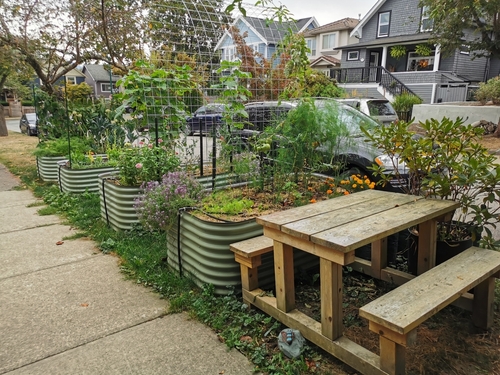
Food forests offer incredible benefits to local communities. They provide free, fresh, and hyper-local produce, directly improving food security. They positively impact the environment by capturing carbon, rebuilding soil, and supporting wildlife. Socially, they foster community ownership and offer spaces for skill-building. Economically, they reduce household food costs and can even provide job training programs.
However, creating these spaces comes with distinct challenges.
Food forests operate on long timelines. It can take several years before trees mature and produce a full harvest. Consistent maintenance and volunteer engagement are critical but difficult to sustain over time. Securing land access and navigating city zoning laws can be complicated. Organizers must also balance open public access with the long-term sustainability of the plants, while managing the risk of vandalism.
How You Can Start or Support a Food Forest
Anyone can help grow the urban food forest movement.
For Individuals
You can start by volunteering at an existing site near you. Take time to learn the basics of permaculture. You can also advocate locally by speaking to city council members about the benefits of edible landscapes.
For Communities
Neighborhoods should start with small pilot projects. Partnering with local nonprofits or city agencies can provide essential resources. Work together to secure available land and apply for community grants to fund the initial planting.
For Cities and Policymakers
Local governments play a crucial role. They can integrate food forests into broader parks planning. Providing grants, land access, and water resources makes these projects viable. Supporting long-term stewardship structures ensures these spaces thrive for decades.
The Future of Urban Food Forests
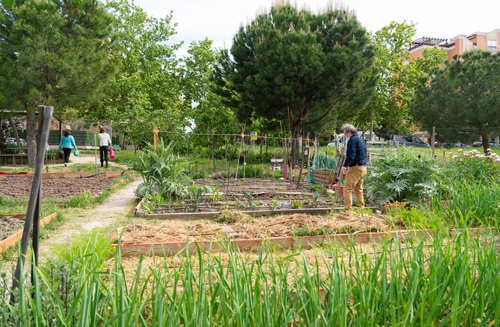
The future of urban agriculture is bright. City planners are increasingly integrating food forests into broader climate adaptation strategies. We will likely see expansion into schools, public housing properties, and transit corridors. They are gaining rightful recognition as critical green infrastructure. Ultimately, they have the power to reshape urban food systems at a massive scale.
Planting Seeds for a Sustainable Future
Urban food forests are living infrastructure. They offer a reliable, sustainable way to feed communities and heal local environments. The impact of planting a fruit tree today will be felt by generations to come. Look for a food forest in your city, volunteer your time, or gather your neighbors to start one of your own.
Frequently Asked Questions (FAQ)
What is an urban food forest?
An urban food forest is a designed, multi-layered planting system in a city that mimics a natural forest while producing edible food like fruits, nuts, and herbs.
Are food forests free to harvest from?
Most are open to the public, but guidelines vary. Many operate on a “take what you need” principle.
How long does it take to establish a food forest?
Typically several years. Trees and perennial systems take time to mature, but some yields can begin within 1–2 years.
Who maintains urban food forests?
Usually a mix of volunteers, nonprofits, and sometimes city agencies.
Are food forests safe and regulated?
They generally follow local land-use and safety regulations, though oversight varies by city.
Can food forests work in any climate?
Yes, but plant selection and design must be adapted to local conditions (e.g., drought-tolerant species in arid regions).
How are food forests funded?
Through grants, donations, city funding, and community fundraising.
What’s the difference between a food forest and an orchard?
An orchard is typically single-layer and monoculture-focused, while a food forest is diverse, multi-layered, and ecosystem-based.



